Logical Reasoning Normal Plants and Animals Worksheets for Ages 5-8
5 filtered results
-
From - To
Unlock your child's potential with our "Logical Reasoning Normal Plants and Animals Worksheets" for ages 5-8. Curated to enhance their logical thinking, these engaging worksheets intertwine science with fun activities. Children will explore the fascinating world of plants and animals while developing critical problem-solving skills. Through matching games, pattern recognition, and simple puzzles, they will learn to draw connections and make informed decisions. Promote a love for learning and boost your child's academic journey today with our expertly designed resources. Perfect for home or classroom use, these worksheets ensure foundational skills are built with curiosity and joy.
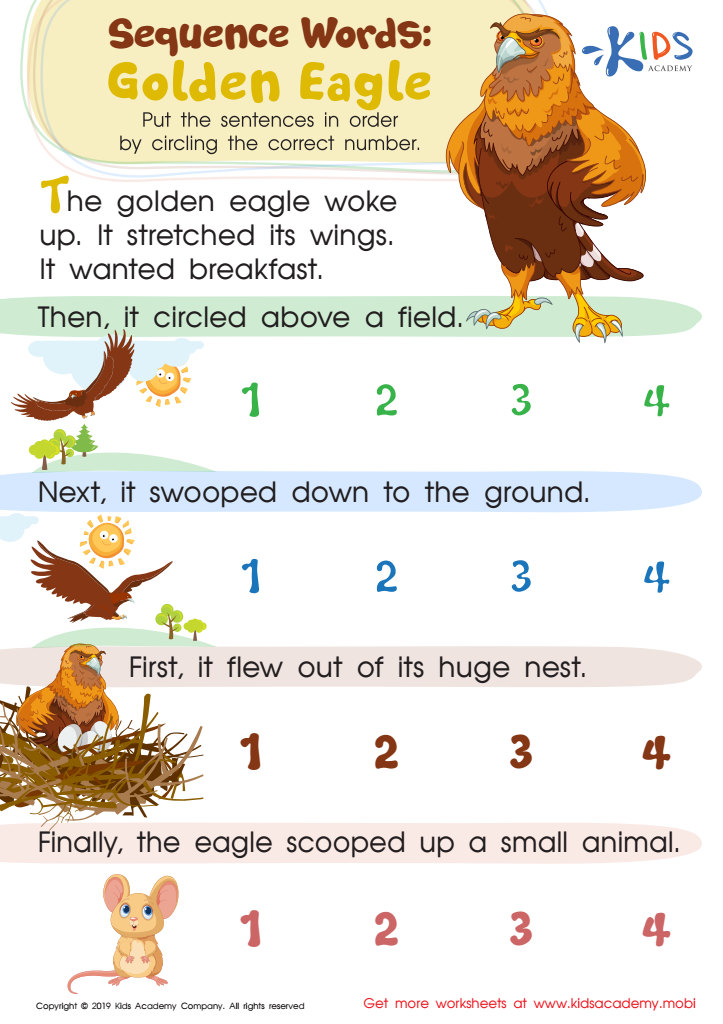
Sequence Word Eagle Worksheet
 Assign to My Students











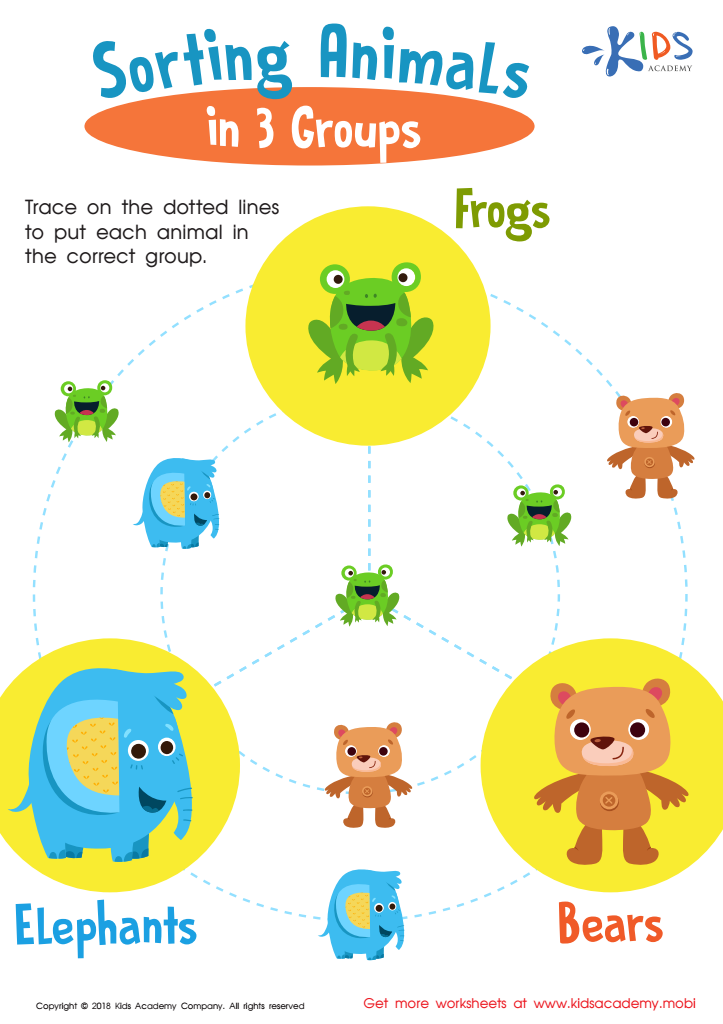
Sorting Animals in 3 Groups Worksheet
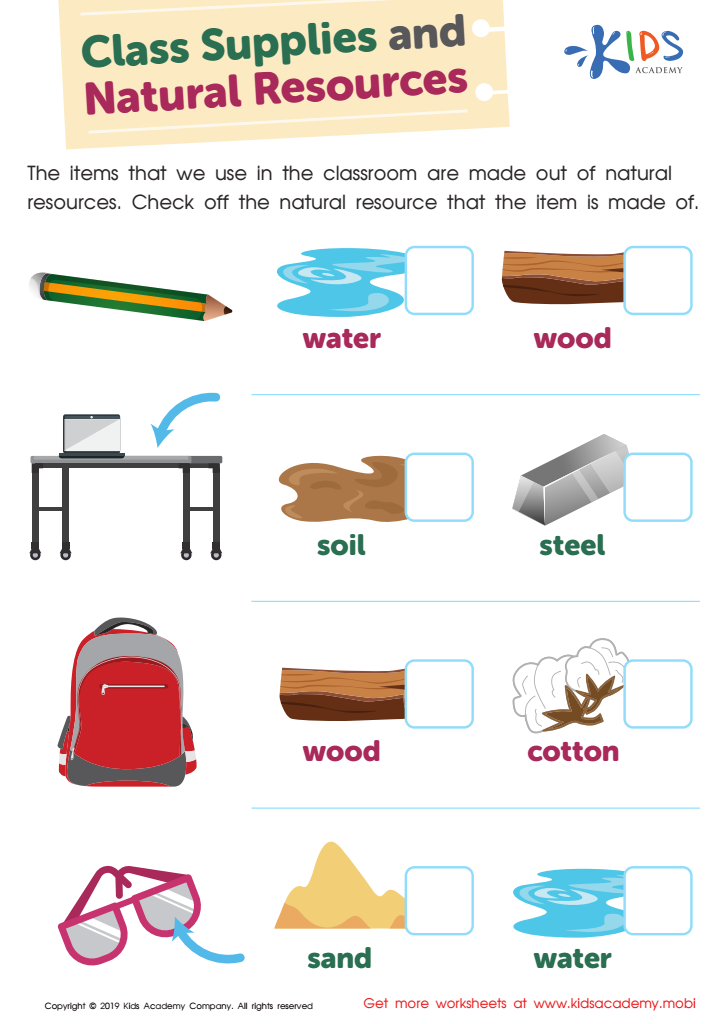
Class Supplies and Natural Resources Worksheet
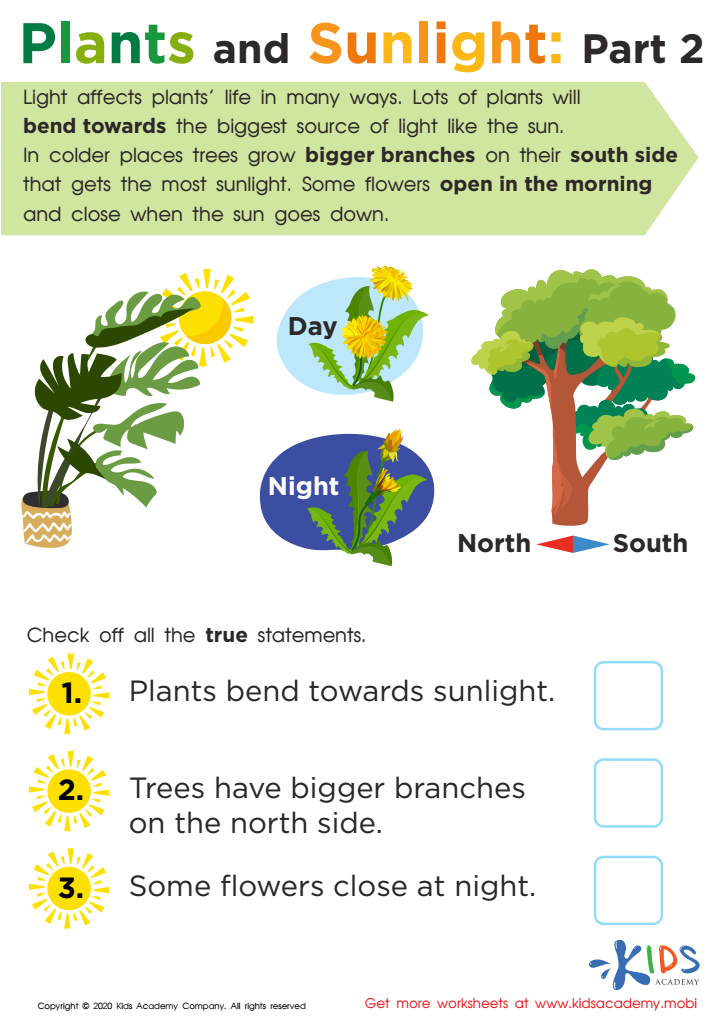
Plants and Sunlight: Part 2 Worksheet
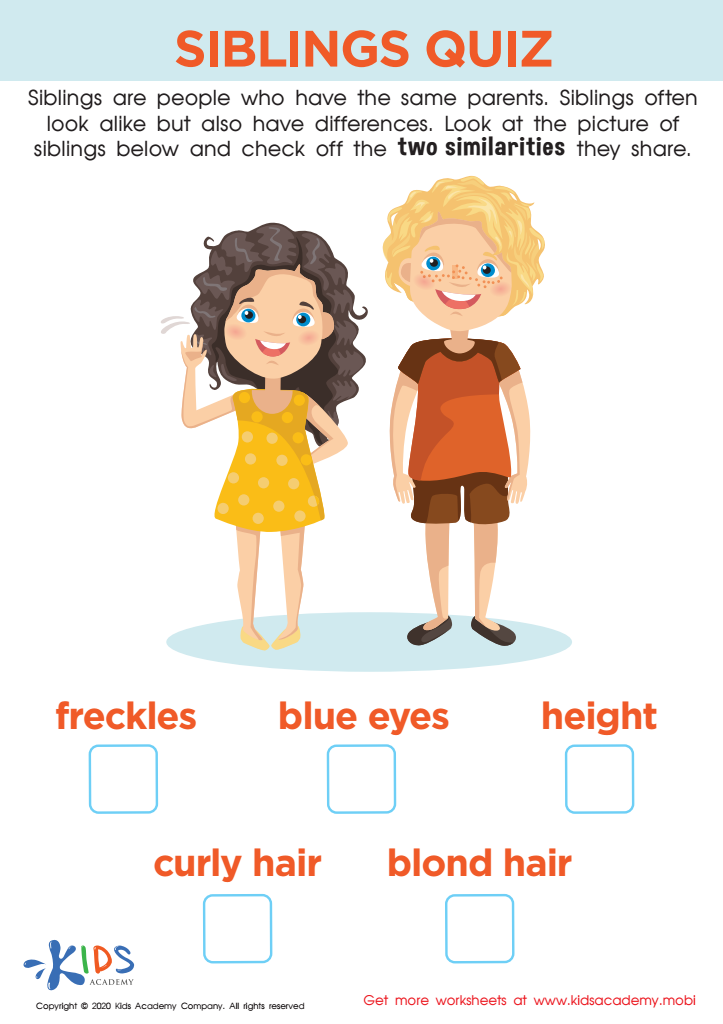
Siblings Quiz Worksheet








Logical reasoning is a fundamental cognitive skill that helps children understand the world around them, and introducing this concept through the lens of normal plants and animals can be particularly effective for ages 5-8. At this developmental stage, kids are curious and eager to explore. Engaging them with logical reasoning through real-life examples of plants and animals makes learning tangible and relatable.
Understanding logical reasoning helps children develop problem-solving skills. For instance, comparing the traits of different plants or animals to identify patterns fosters analytical thinking. Furthermore, it aids in comprehension of cause-and-effect relationships, such as why plants need sunlight to grow or how animals adapt to their environments.
Knowledge of plants and animals also cultivates a sense of empathy and environmental stewardship. By learning about diverse life forms, children gain a deeper appreciation for biodiversity and the natural world.
Moreover, these topics can be interdisciplinary, tying into subjects like science, reading, and art, making learning more integrated and enriching. Teachers and parents should care because fostering logical reasoning abilities through engaging subject matter like plants and animals helps build a solid foundation for more complex thinking and enhances overall cognitive development.







