Normal Geography Worksheets for Ages 5-8 - Page 3
54 filtered results
-
From - To
Comparing Numbers Worksheet for 1st Grade
 Assign to My Students
World Flags Printable
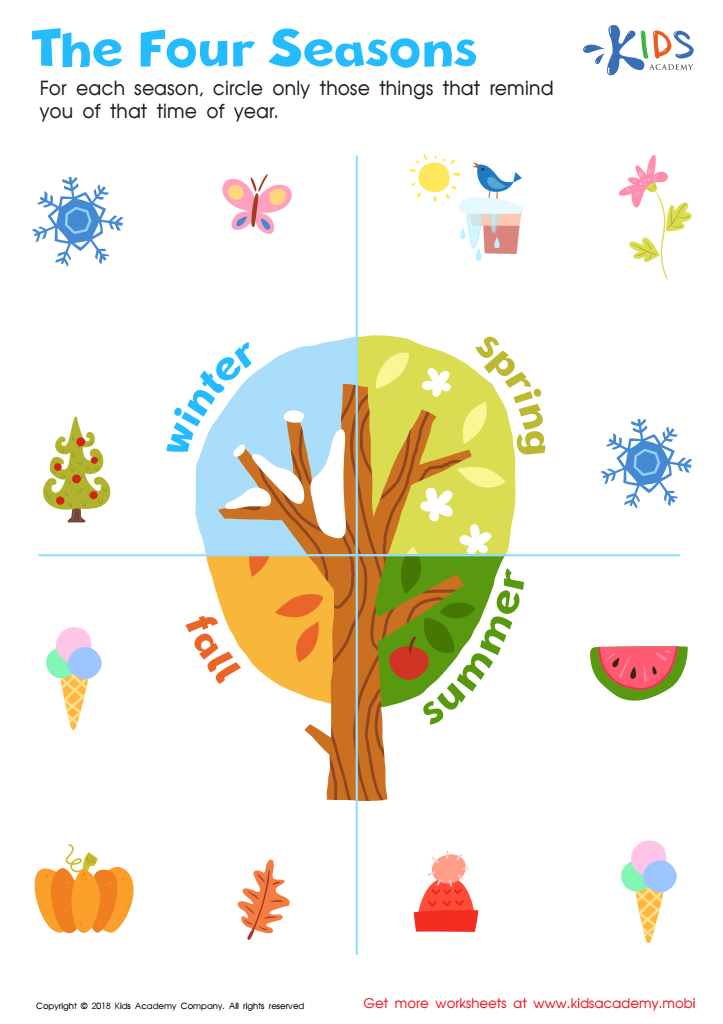
The Four Seasons Worksheet
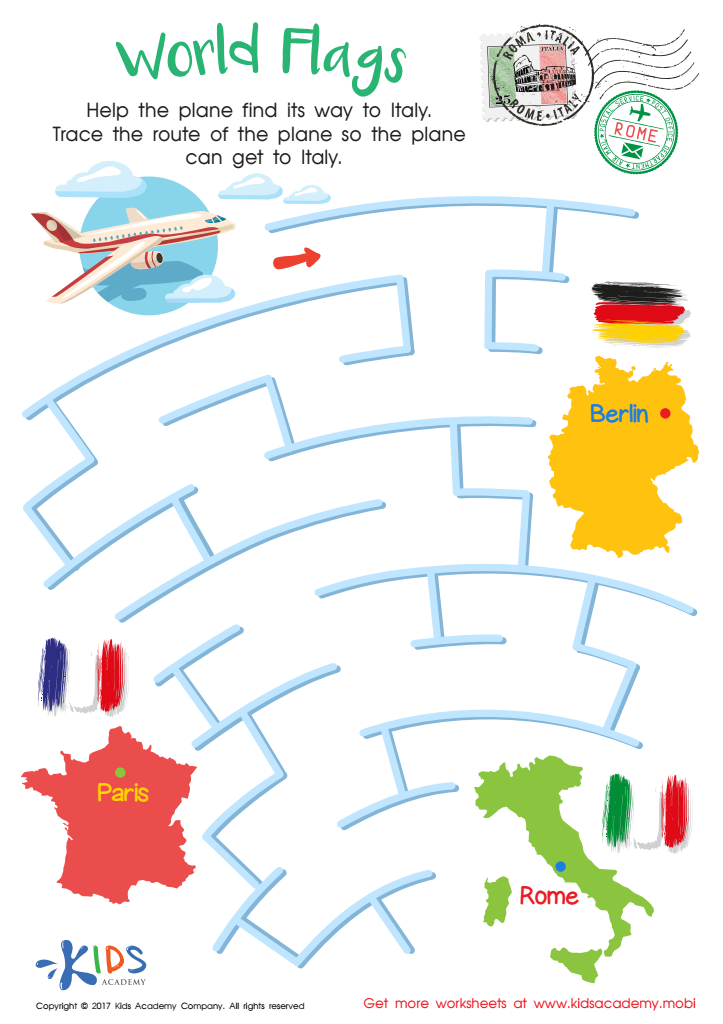
World Flags Maze Worksheet
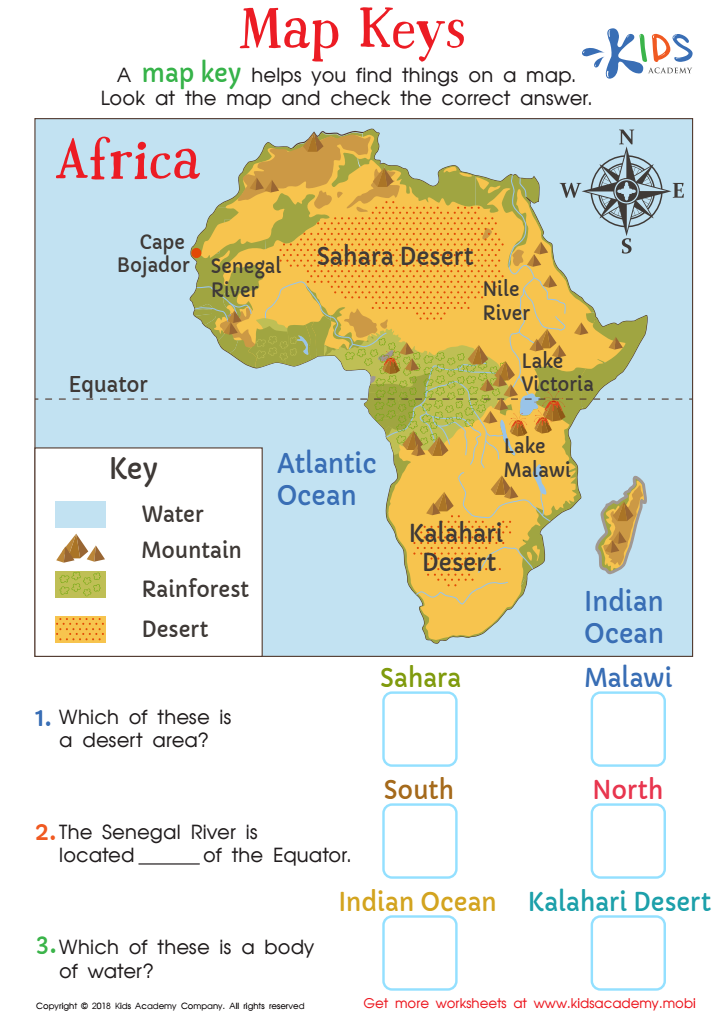
Map Keys Worksheet
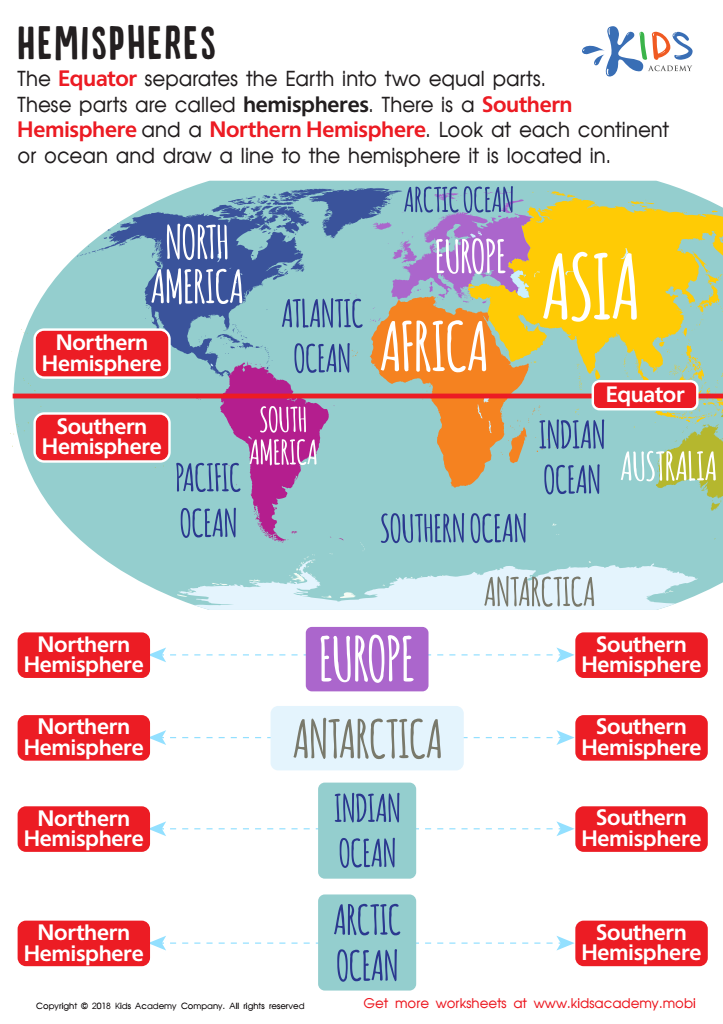
Hemispheres Worksheet





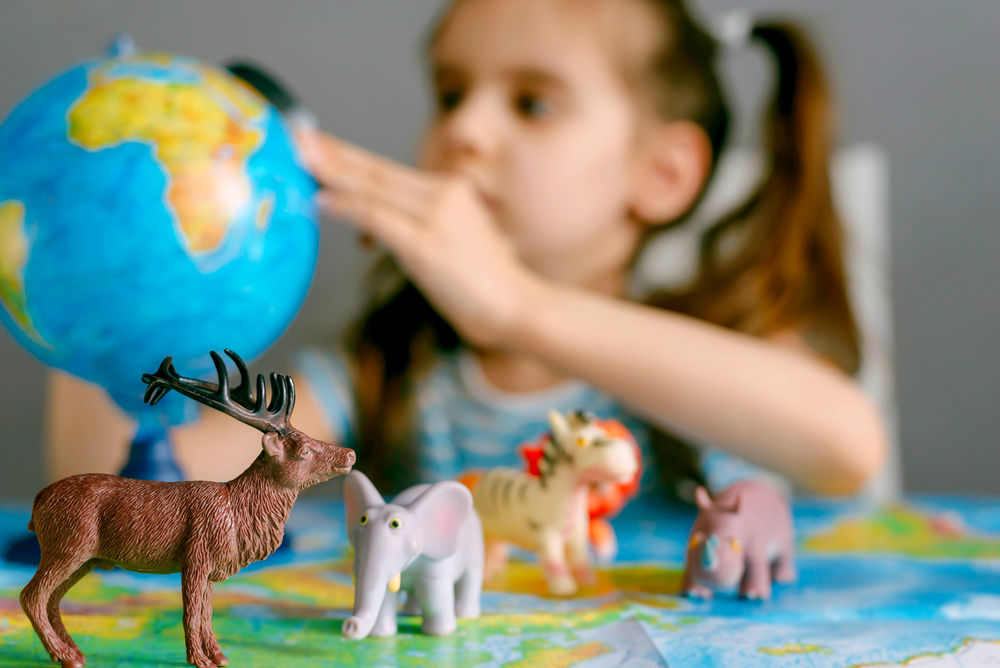

Introducing geography to young children, ages 5-8, provides critical benefits for their overall development. At this age, children are naturally curious and eager to explore the world around them. By learning basic geographic concepts, they develop a sense of spatial awareness and a foundational understanding of their place in the world.
Geography lessons can help young learners to recognize different landforms, bodies of water, and other physical characteristics, which enhances their ability to observe and interpret their environment. This basic knowledge sets the stage for appreciating cultural diversity and understanding global interconnections. For example, learning about different countries and cultures can foster empathy, open-mindedness, and respect for others.
Moreover, studying geography in early grades promotes critical thinking and problem-solving skills. Children begin to grasp that the world is interconnected, and everything from weather patterns to human activities can have global implications. It also supports literacy and mathematical skills as children read maps, use coordinate systems, and interpret data visually and verbally.
Teachers and parents who prioritize geography education help seed an early interest in world exploration that can grow into a lifelong passion for learning. Fostering this interest not only broadens a child's worldview but also prepares them to be informed, thoughtful, and active global citizens in the future.