
Color recognition Normal Social Studies Worksheets for Ages 5-8
3 filtered results
Difficulty Level
Grade
Age
-
From - To
Subject
Activity
Standards
Enhance your child's understanding of color recognition with our engaging Normal Social Studies worksheets designed specifically for ages 5-8. These interactive resources encourage young learners to explore and identify colors while learning essential social studies concepts. Each worksheet is thoughtfully crafted to foster creativity and critical thinking through fun activities that promote color identification in various everyday contexts. Perfect for classroom use or at-home learning, our color recognition worksheets blend educational content with enjoyable tasks, ensuring your child stays motivated and excited about learning. Empower your little ones to develop their observation skills and social awareness with our vibrant and educational materials!
Favorites
With answer key
Interactive
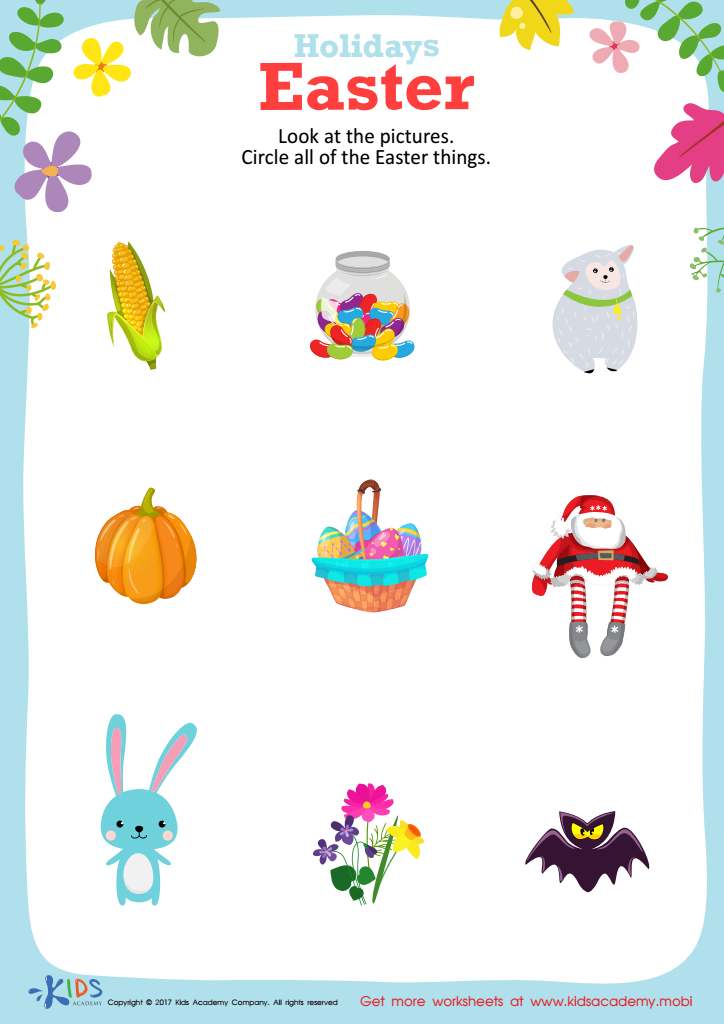
Easter Holiday Printable
This printable Easter worksheet helps your child identify symbols associated with the holiday. Pick out the pictures that usually signify Easter and your little one will gain an understanding of the holiday's meaning. With this free activity, springtime just got more exciting!
Easter Holiday Printable
Worksheet
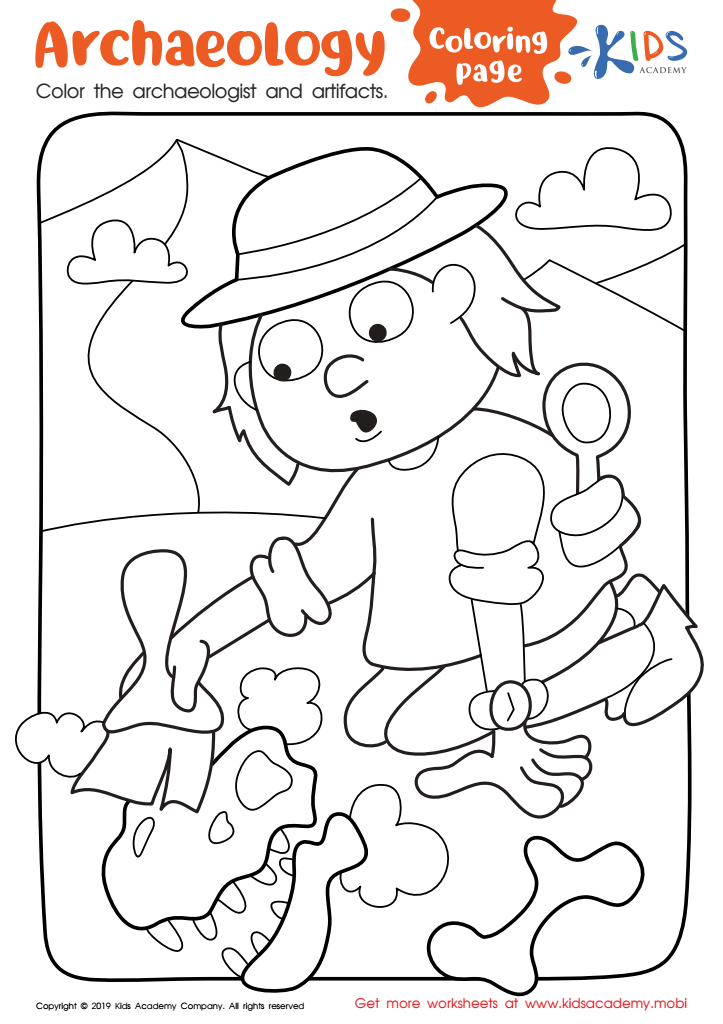
Archaelogy Coloring Page Worksheet
Colour and learn with this fun sheet! It's a great way for kids to find out what archeologists do; from digging for artifacts, to learning about their tools, to discovering what makes something an artifact. They'll have a blast while learning about history, honing their creativity and imagination.
Download (PDF)
 Assign to My Students
Assign to My Students
Archaelogy Coloring Page Worksheet
Worksheet
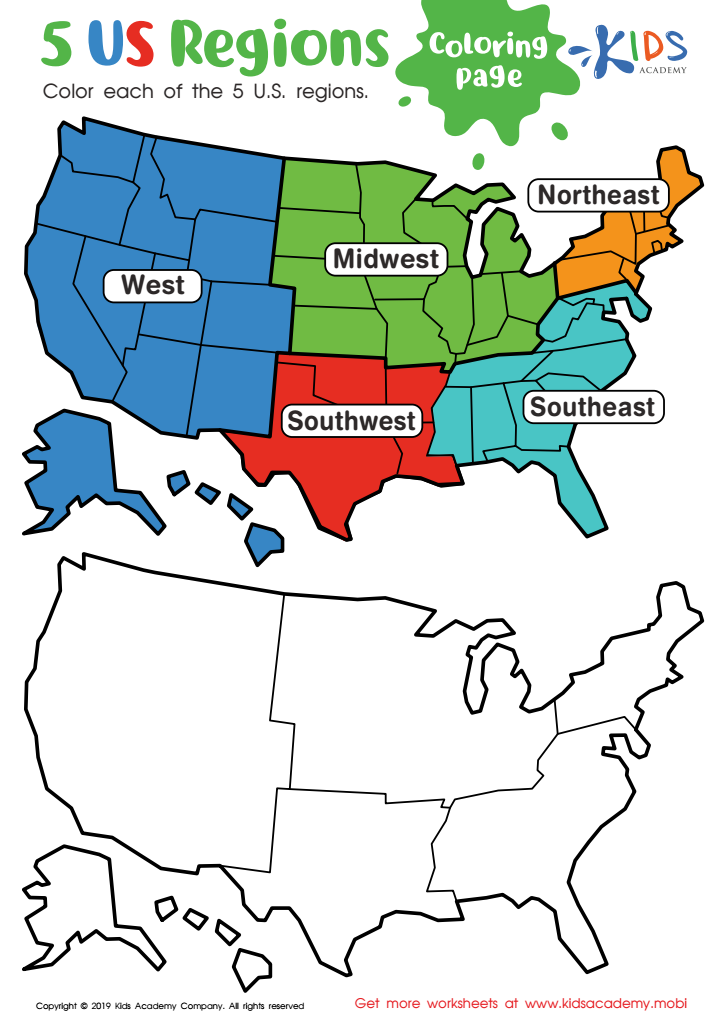
US Regions Coloring Page Worksheet
Our great nation is split into five distinct regions: Southeast, Southwest, West, Midwest, and Northeast. Each is known for its own special offerings and states. Let your kids have fun learning about the regions with a coloring activity! It's a great way for them to understand where each region stands on the map.
Download (PDF)
Assign to My Students
Assign to My Students
US Regions Coloring Page Worksheet
Worksheet
Join Kids Academy for Free
Who is primarily going to use this learning content?








Color recognition is a fundamental skill that plays a crucial role in the developmental journey of children aged 5 to 8. For parents and teachers, fostering this skill is important for several reasons.
First, color recognition aids in cognitive development. Understanding colors helps children categorize and differentiate objects, enhancing their critical thinking and observational skills. This foundational knowledge is essential as it supports later learning in subjects such as math and science, where color-coded systems are often utilized.
Second, social studies education at this age often incorporates colors to teach about diversity, cultures, and environments. Recognizing colors enables children to engage with maps, flags, and cultural artifacts, fostering an appreciation for global diversity. This early exposure encourages empathy and understanding of different communities.
Finally, color recognition contributes to emotional and creative expression. Children often use colors to convey emotions in their art and play, allowing for individual expression and communication. By emphasizing color recognition, parents and teachers nurture a child's creativity while helping them make connections to the world around them. In summary, color recognition is a vital component that supports cognitive skills, cultural understanding, and emotional expression, making it essential for early education.








