Weather Vocabulary Normal World Around Us Worksheets for Ages 5-8
3 filtered results
-
From - To
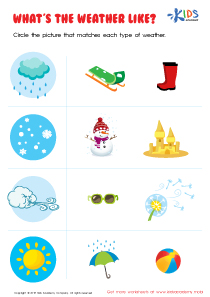
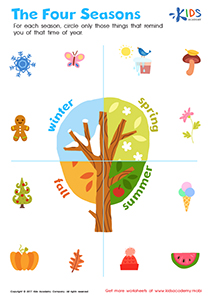
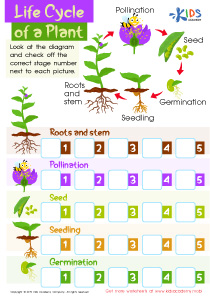
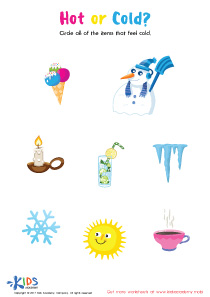
Introduce young learners to meteorology with our "Weather Vocabulary Normal World Around Us Worksheets" for ages 5-8. These engaging worksheets make learning fun by exploring essential weather-related terms and concepts. Kids will expand their vocabulary, understand various weather conditions, and develop critical thinking skills through interactive exercises. Perfect for both classroom environments and at-home enrichment, our materials are designed to cater to early learners' curiosity about the natural world. Prepare your child for a world of discovery and knowledge with activities that foster visual learning and retention. Start your meteorological journey today with Kids Academy!
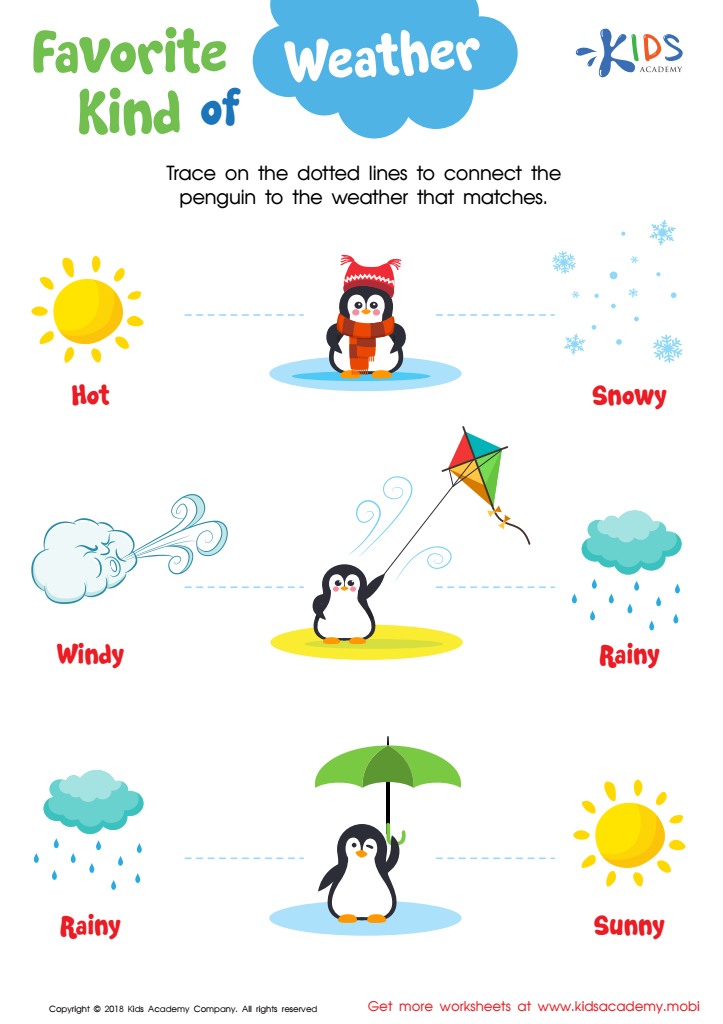
Favorite Kind of Weather Worksheet
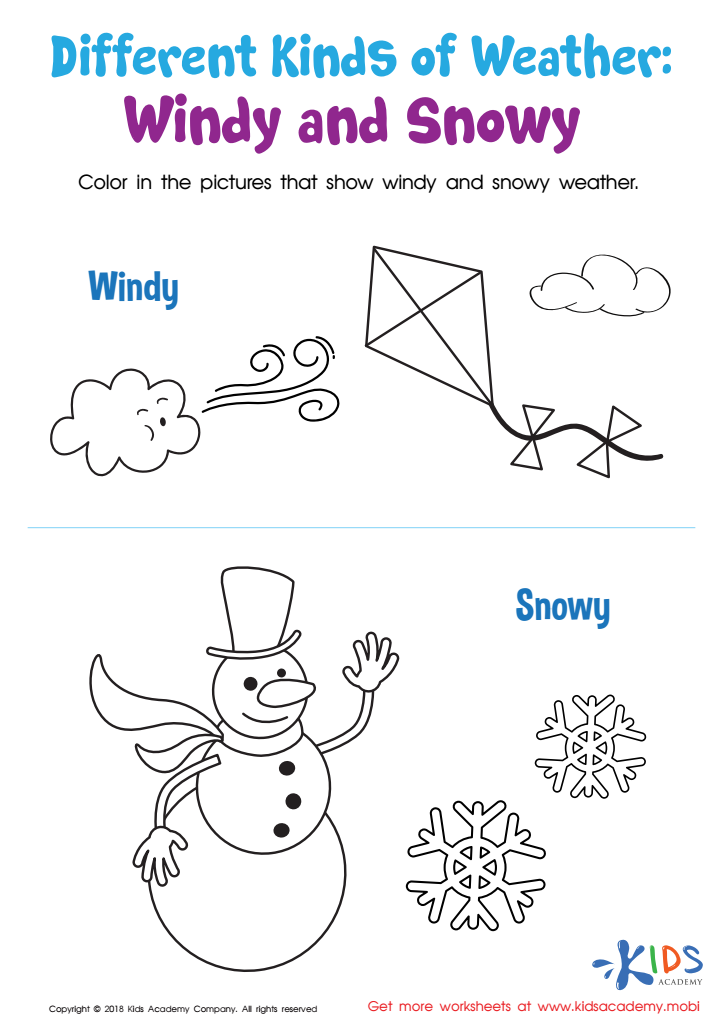
Different Kinds of Weather: Windy and Snowy Worksheet
 Assign to My Students


.jpg)





Understanding weather vocabulary is crucial for children aged 5-8 as it helps them make sense of the natural world around them. At this developmental stage, young children are curious and eager to explore their environments. Introducing them to terms like "cloud," "rain," "sunny," "windy," and "storm" empowers them to describe and comprehend daily weather conditions accurately.
For parents and teachers, teaching weather vocabulary can strengthen a child's observational skills and foster a sense of awareness about changes in nature. Furthermore, learning these terms enhances critical thinking as children start recognizing weather patterns, predicting daily weather changes, and understanding the impact of weather on their activities and surroundings.
Weather discussions also provide an excellent platform for introducing basic science concepts like the water cycle, seasons, and temperature changes. Such foundational scientific knowledge not only sparks curiosity but can also build a strong foundation for future learning in science and geography.
Additionally, understanding weather literacy is integral for safety; knowing about severe weather conditions helps children comprehend when it is necessary to take precautions, such as during thunderstorms or extreme heat.
By integrating weather vocabulary into everyday learning, parents and teachers can help children develop essential skills, nurture their sense of curiosity about the natural world, and keep them safe and informed.