Letter recognition Normal Upper & Lowercase Letters Worksheets for Ages 5-9
22 filtered results
-
From - To
Introduce your child to the world of letters with our engaging "Letter Recognition: Upper & Lowercase Letters" worksheets designed for ages 5-9. These printable resources provide a fun and educational way for young learners to master letter recognition. Each worksheet features a variety of activities, including matching uppercase to lowercase letters, tracing exercises, and colorful illustrations to captivate your child’s interest. Perfect for homeschooling or classroom use, these worksheets help strengthen early literacy skills and lay a solid foundation for reading. Empower your child to identify and differentiate between letters with enjoyable and effective practice. Get started on their learning journey today!
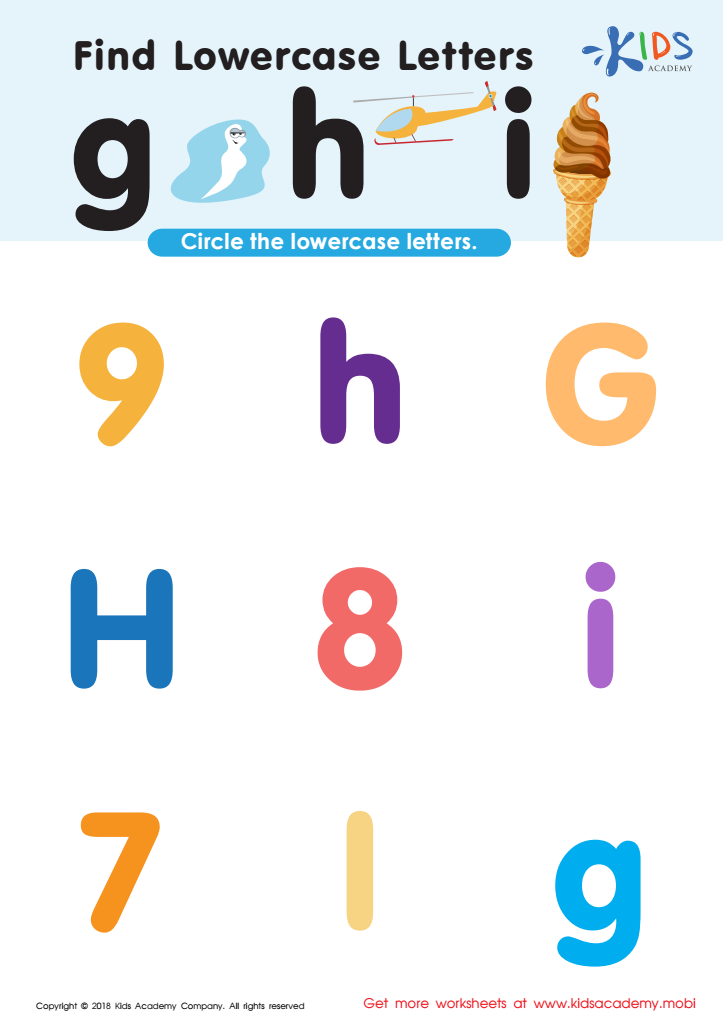
Find Lowercase Letters g h i Worksheet
 Assign to My Students
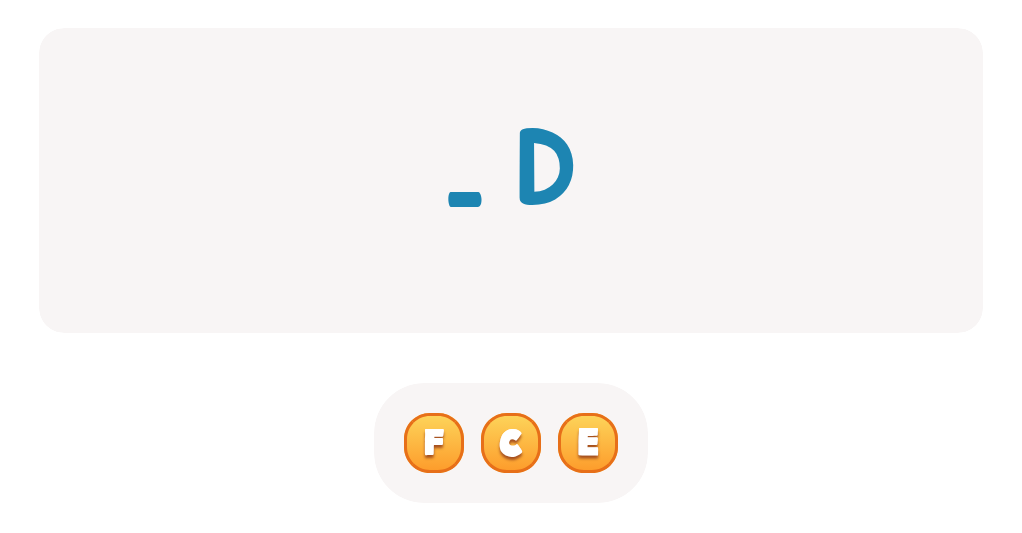

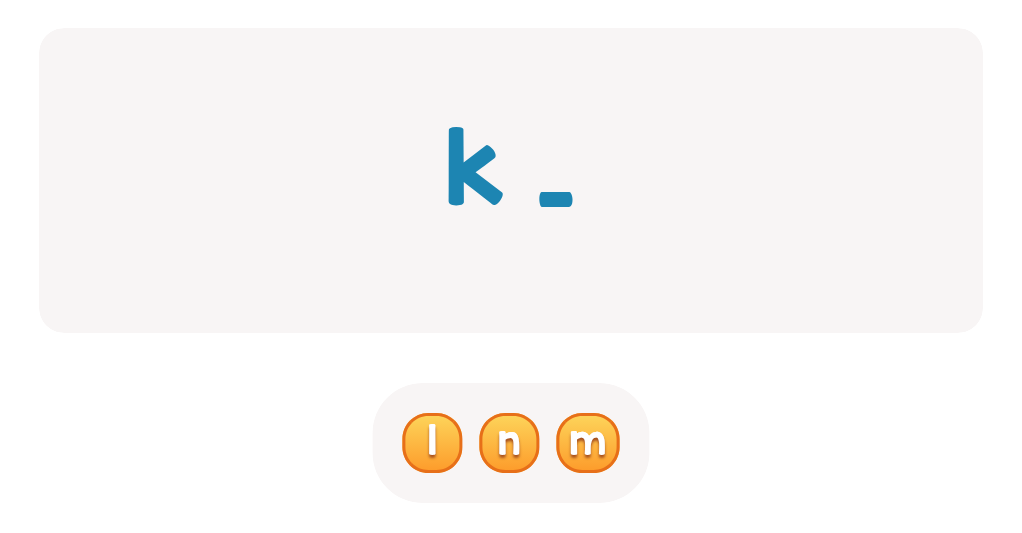
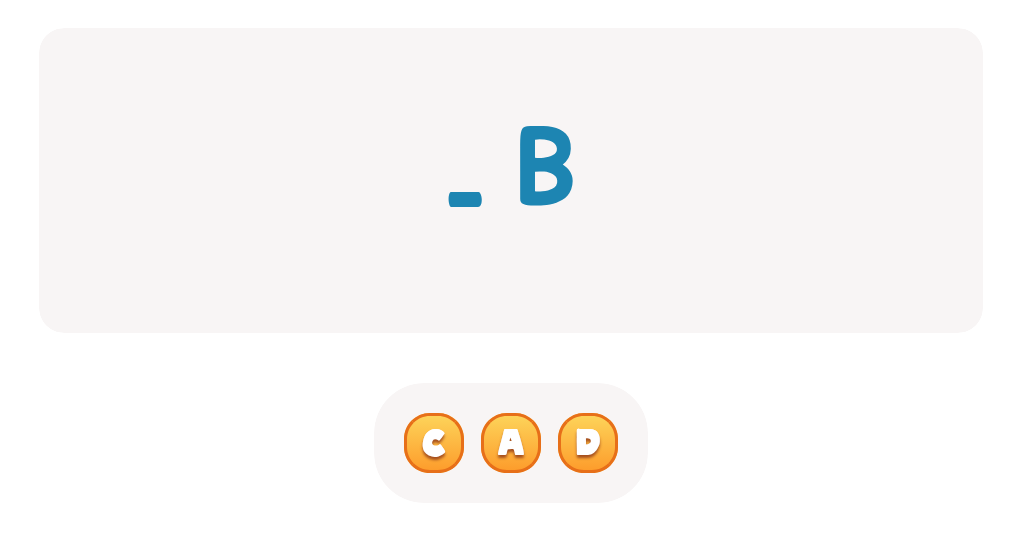
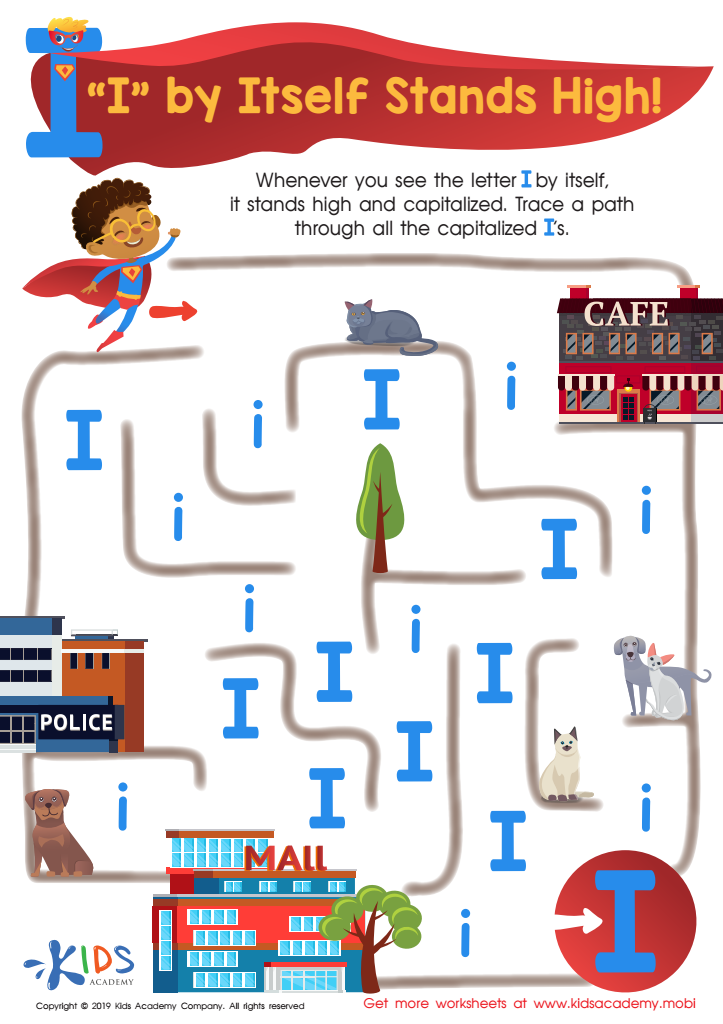
I Stands High Worksheet
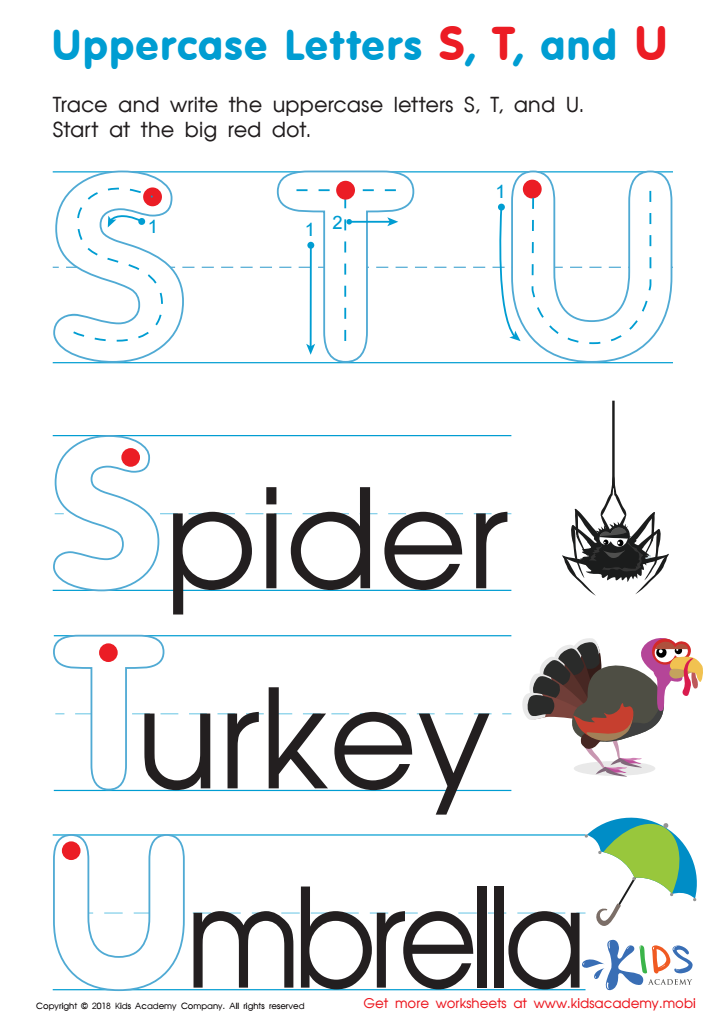
Uppercase Letters S, T, and U Worksheet
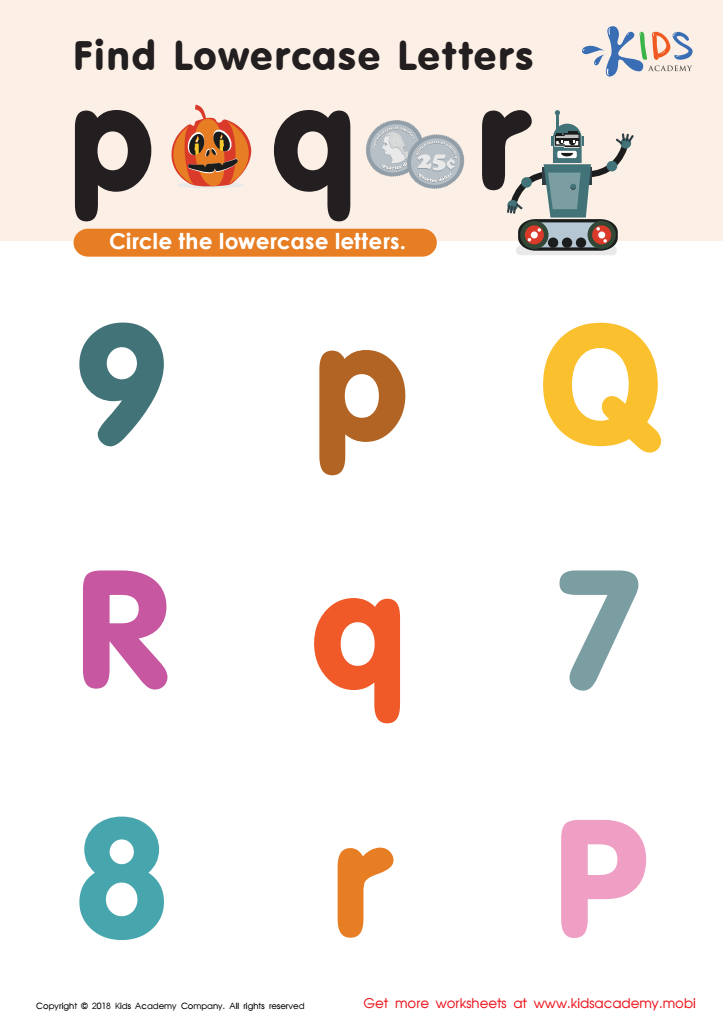
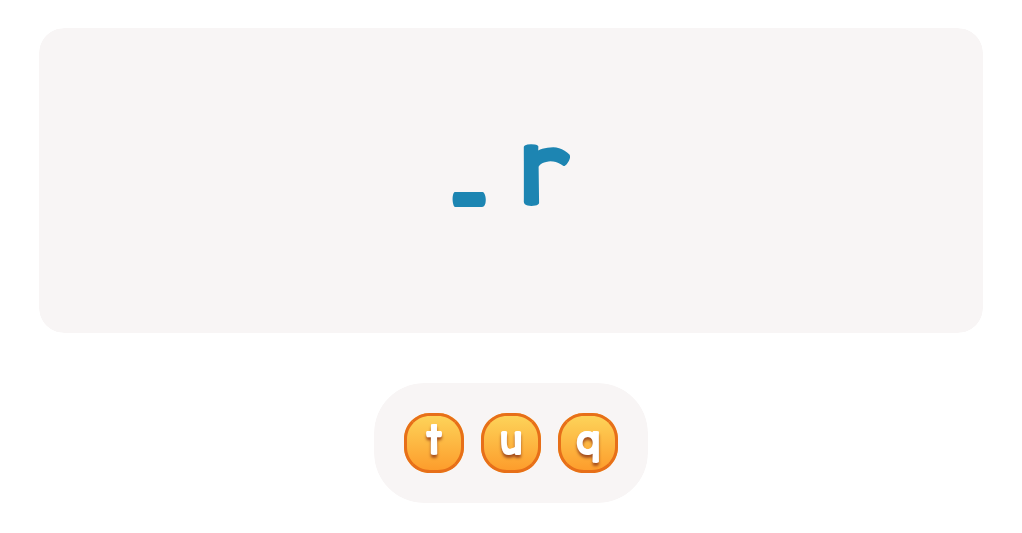
Find lowercase Letters p q r Worksheet
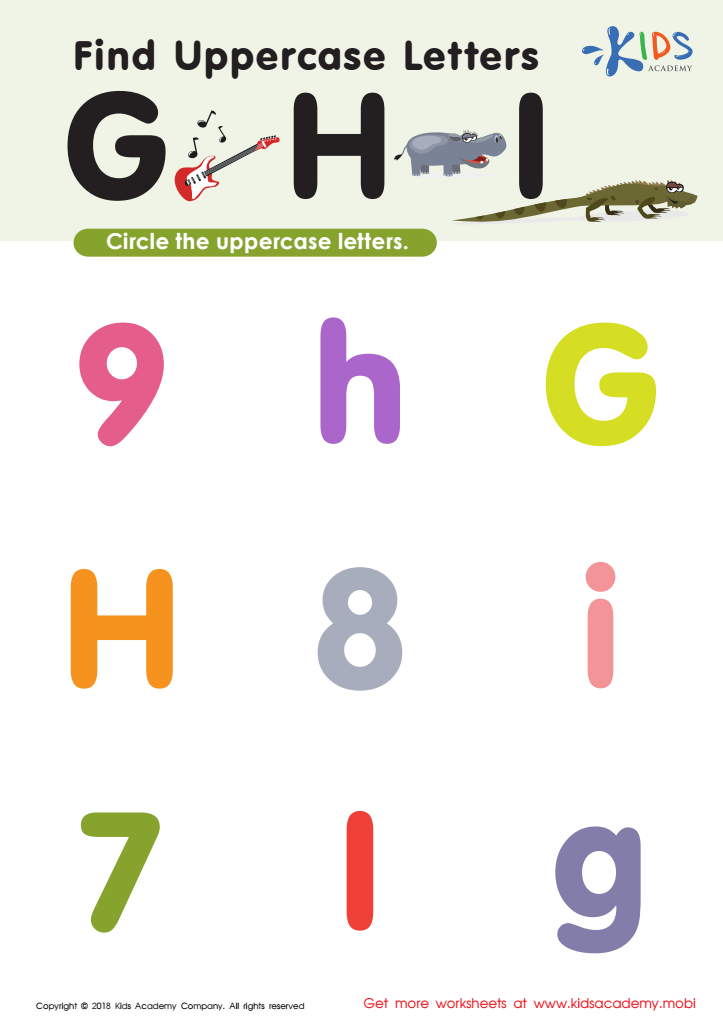
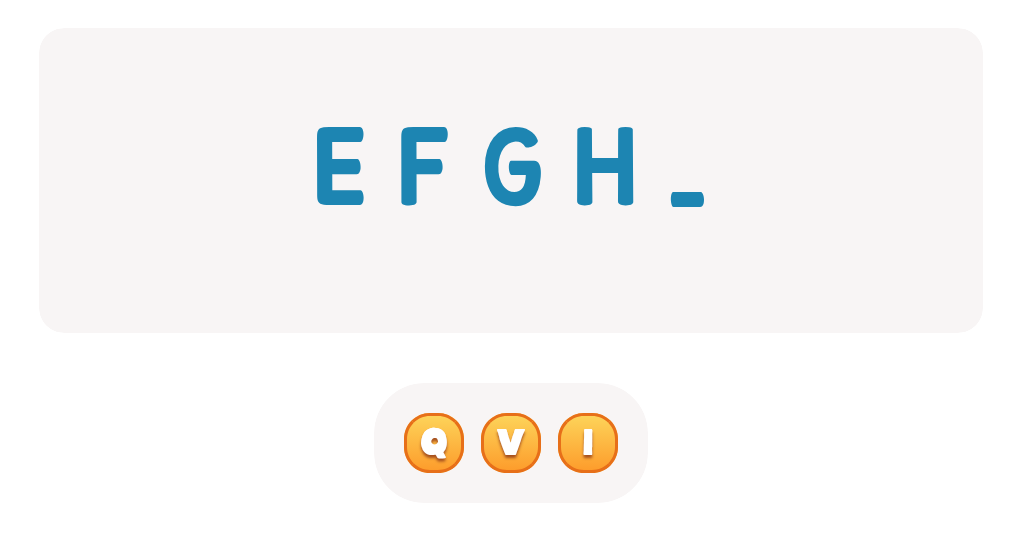
Find Uppercase Letters G, H, and I Worksheet
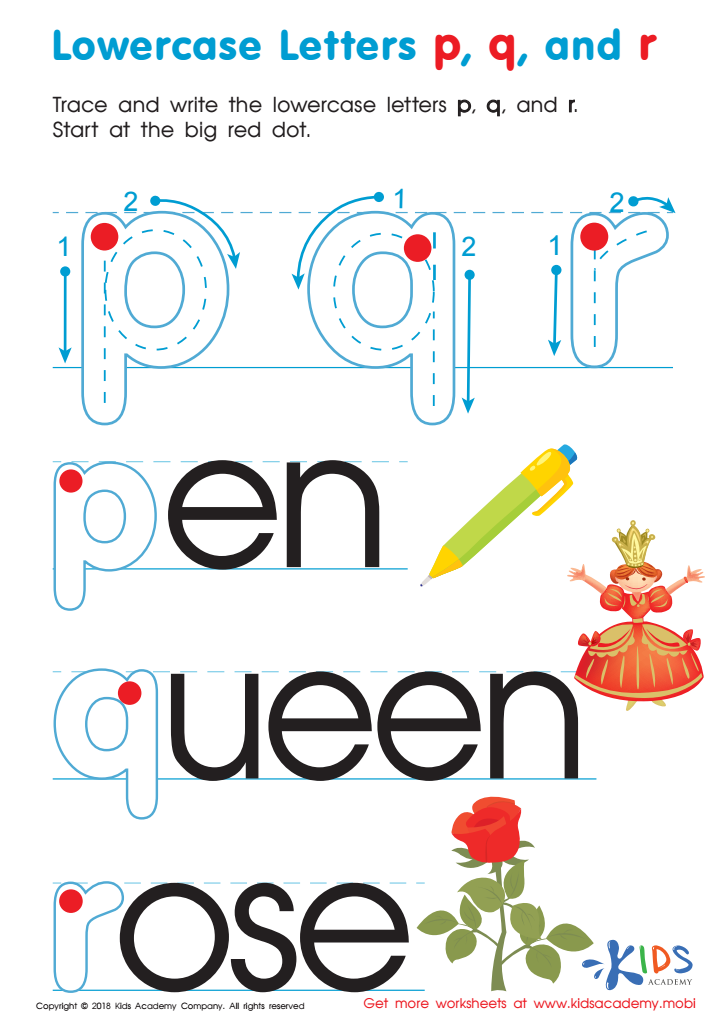
Lowercase Letters p q r Worksheet
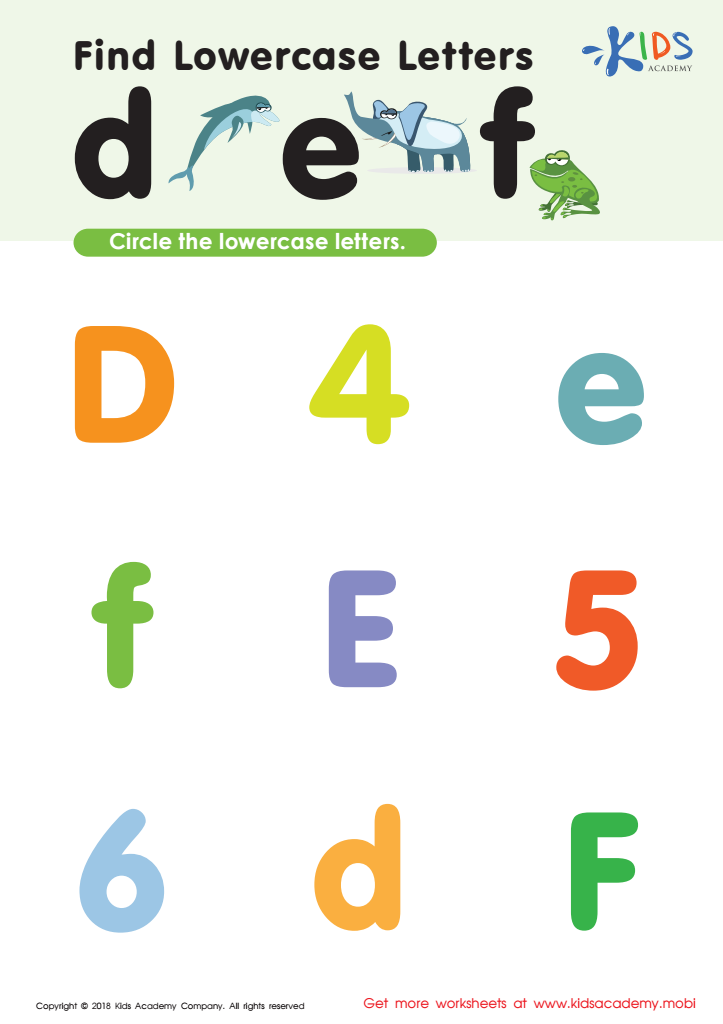
Find Lowercase Letters d e f Worksheet
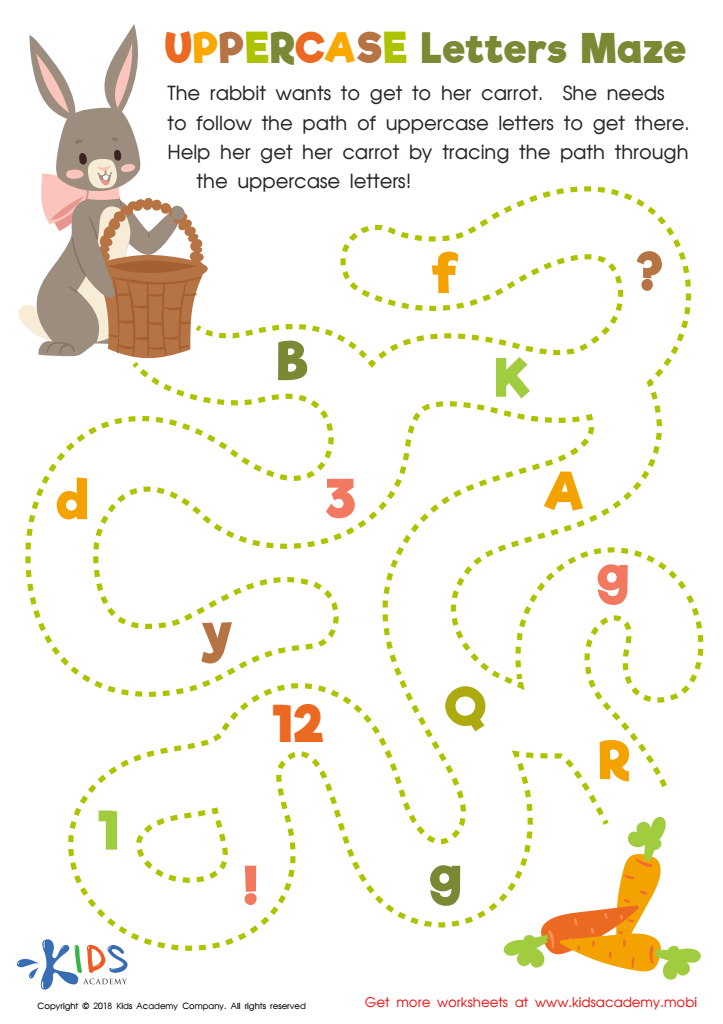
Uppercase Letters Maze Worksheet
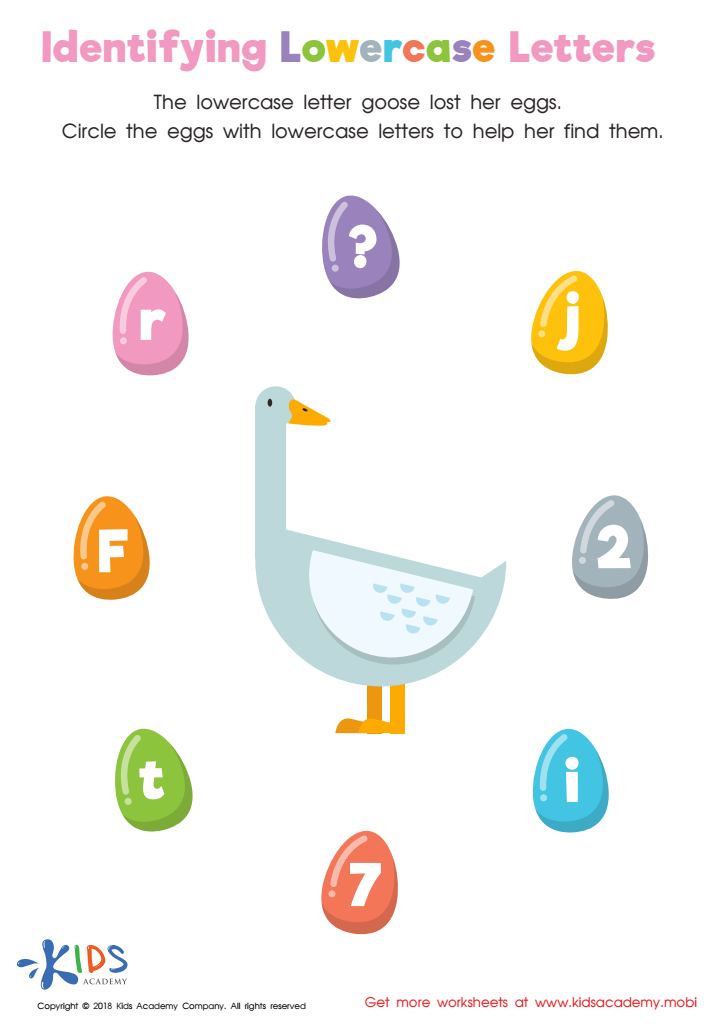
Identifying Lowercase Letters Worksheet
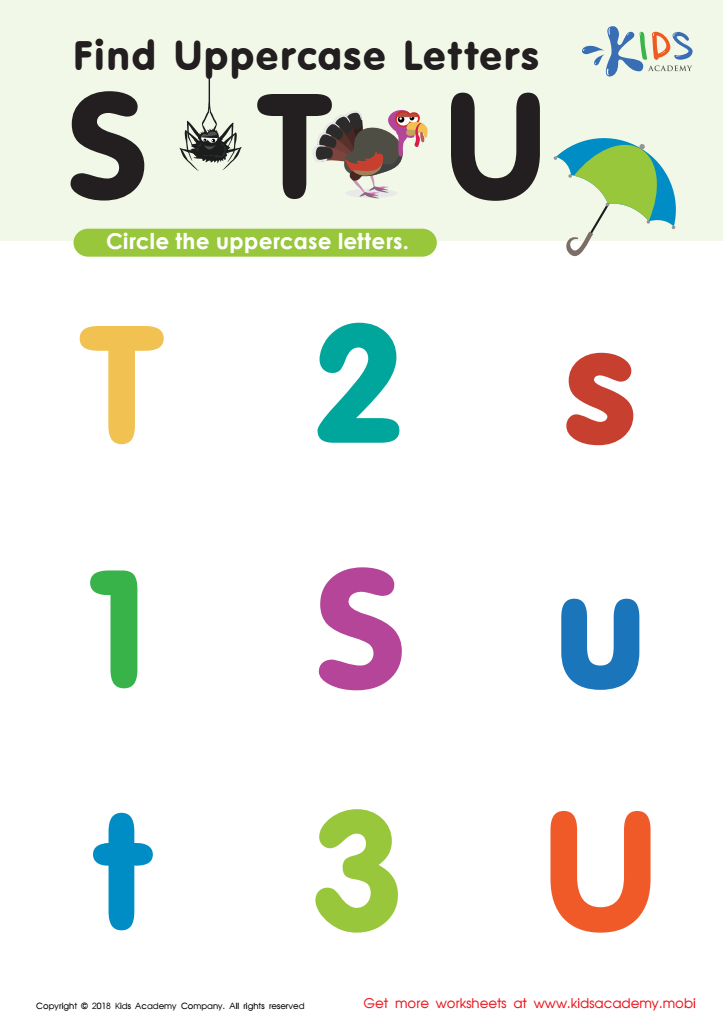
Find Uppercase Letters Worksheet
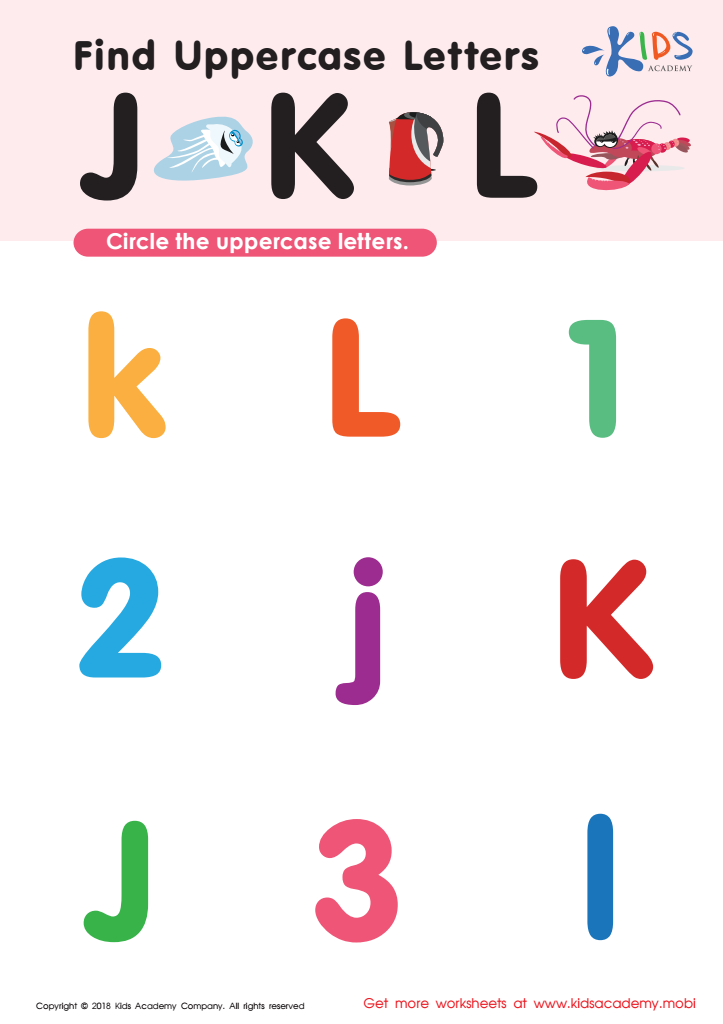
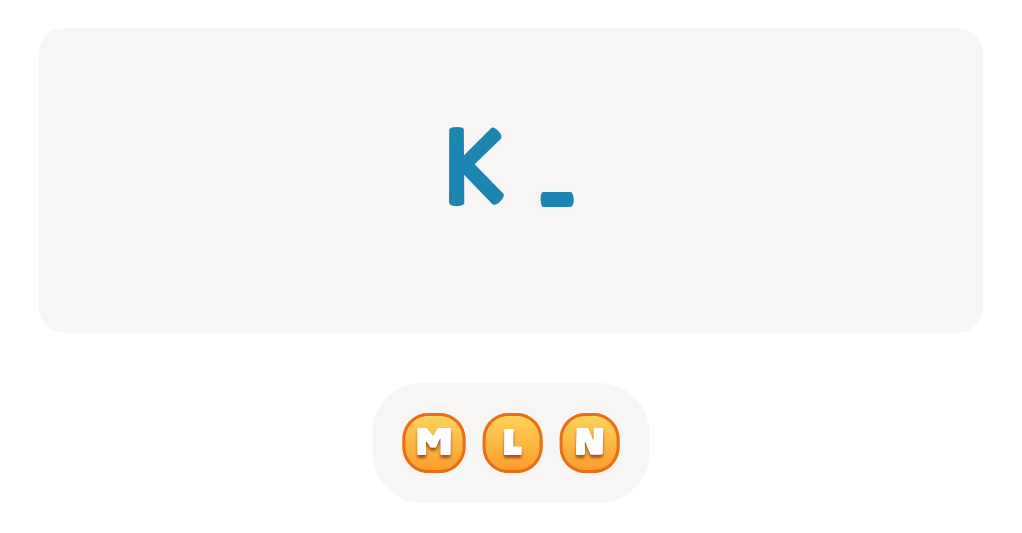
Find Uppercase Letters J, K, and L Worksheet
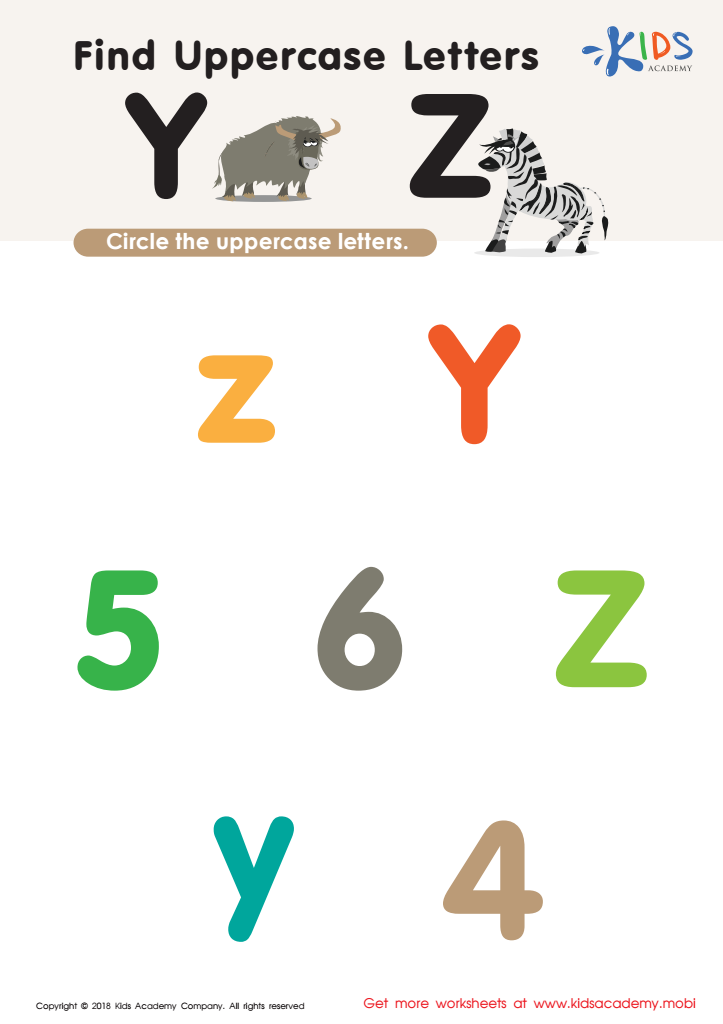
Find Uppercase Letters Y Z Worksheet
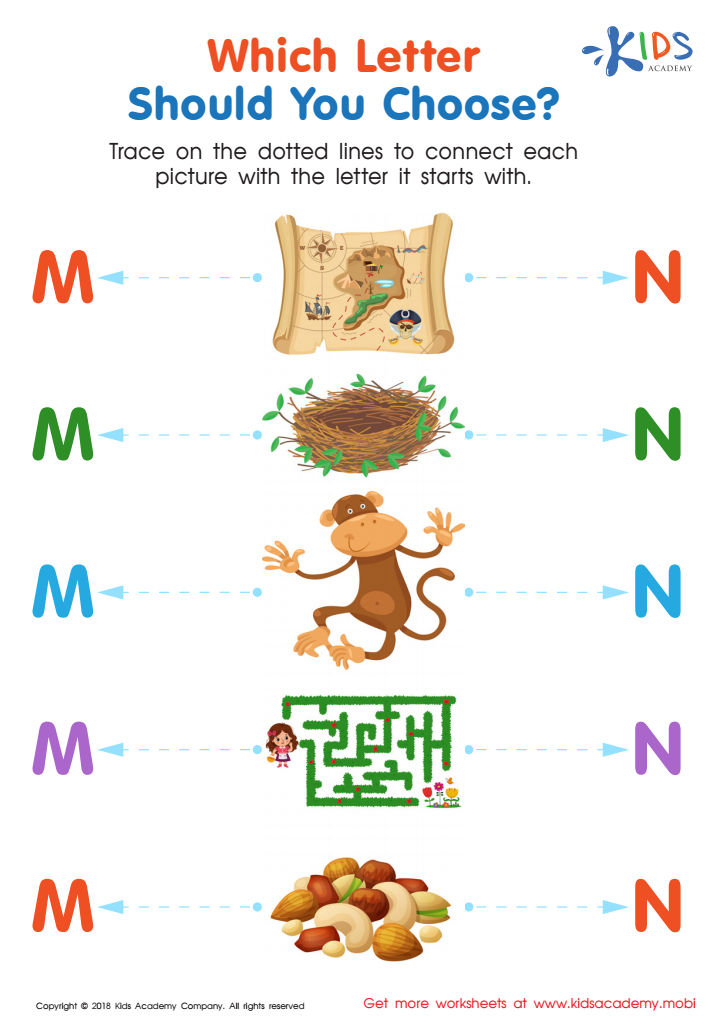
Which Letter Should you Choose? Worksheet
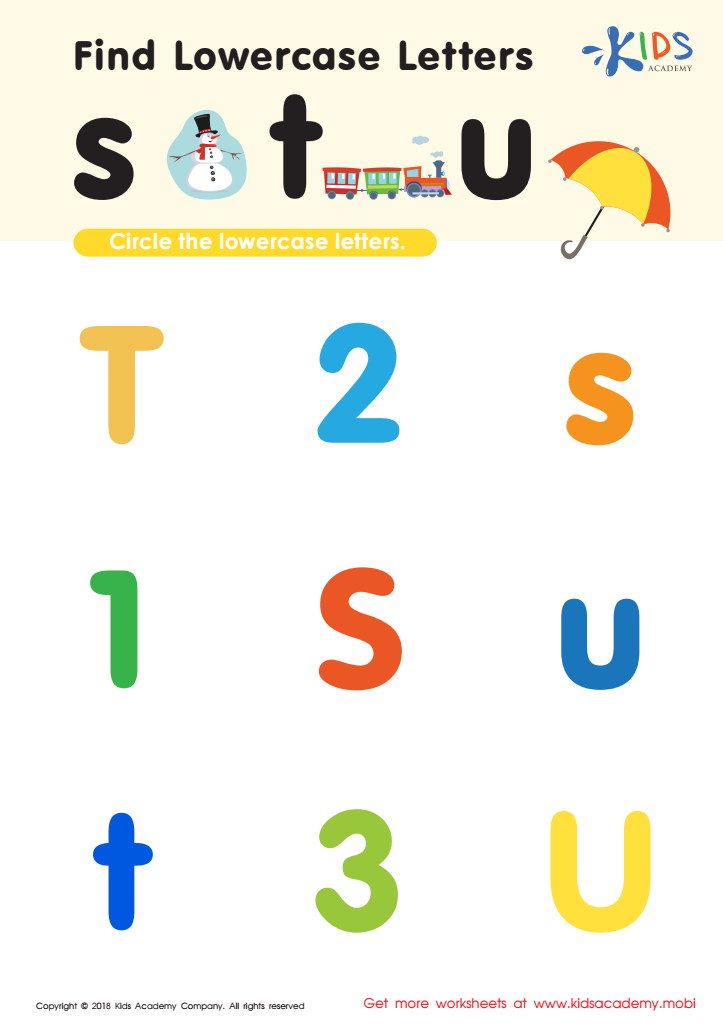
Find lowercase Letters s t u Worksheet
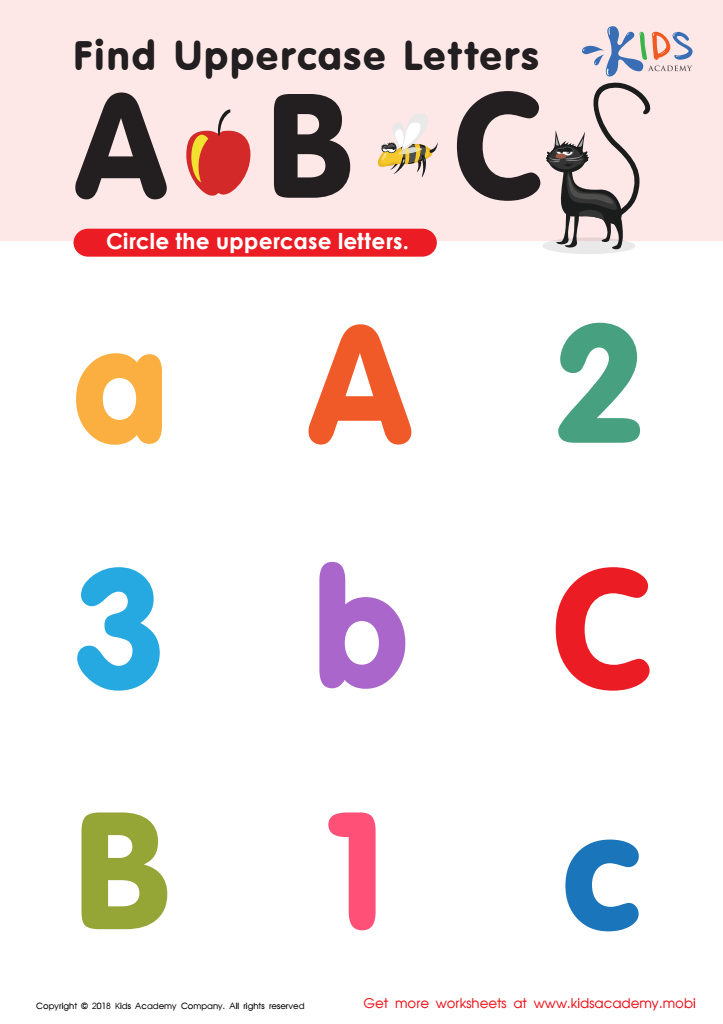
Find Uppercase Letters A, B, and C Worksheet
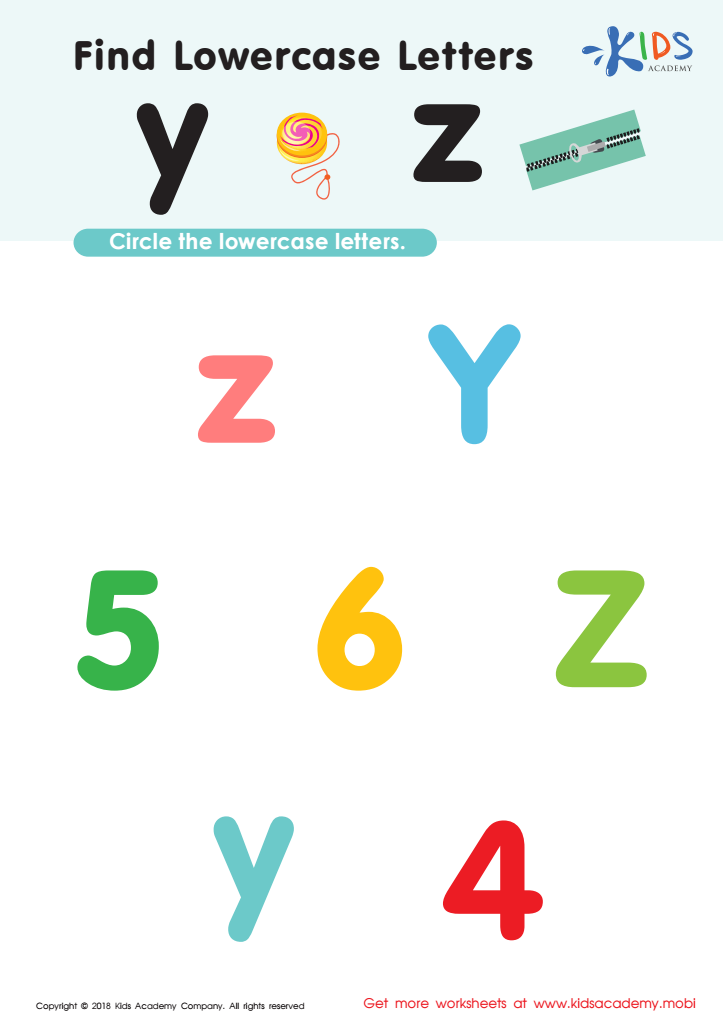
Find Lowercase Letters y z Worksheet
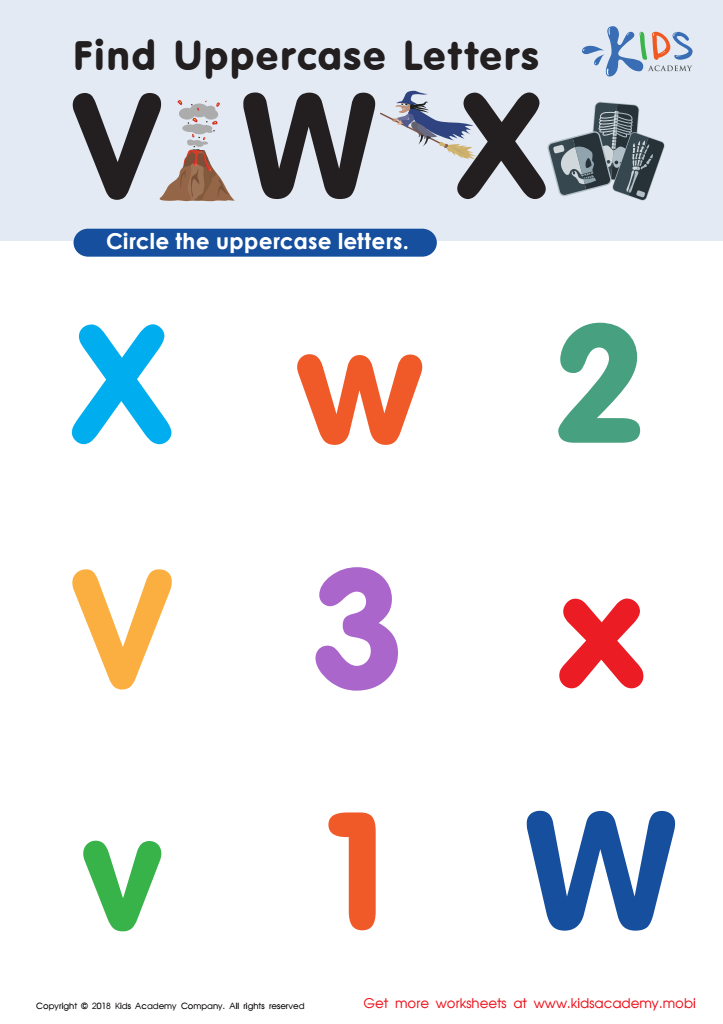
Find Uppercase Letters V, W, X Worksheet
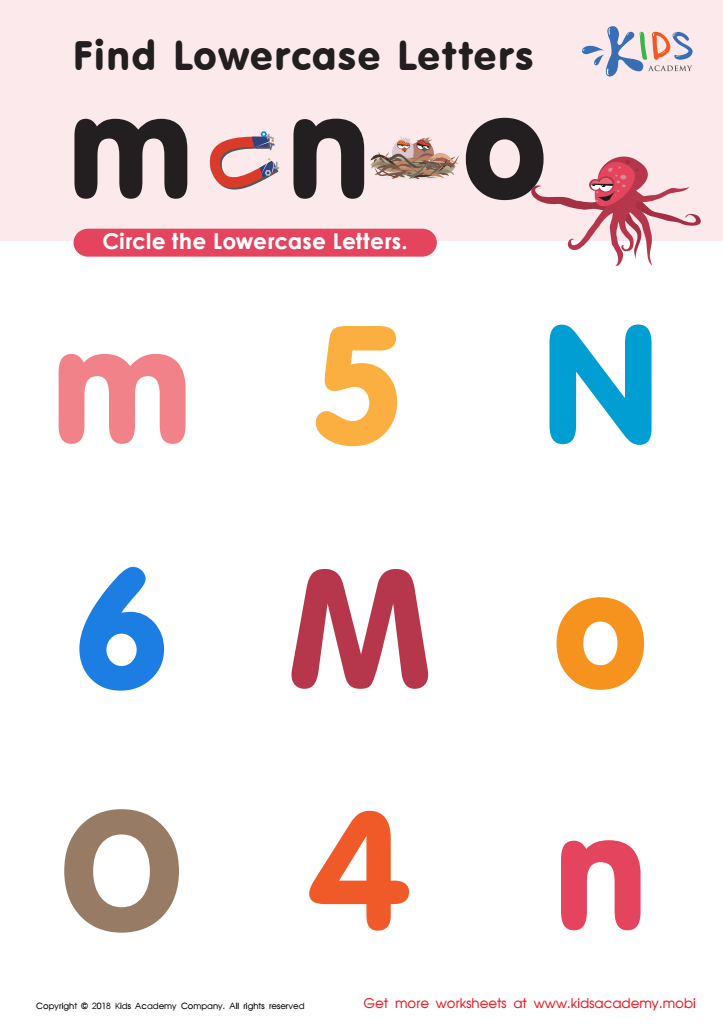
Find Lowercase Letters m n o Worksheet
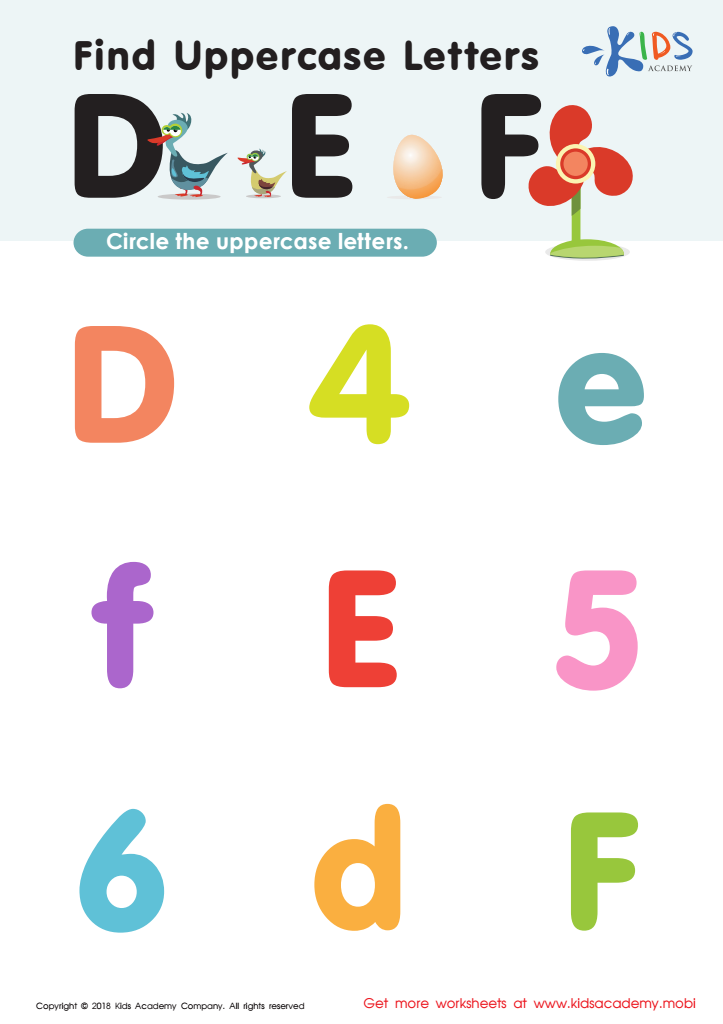
Find Uppercase Letters D, E, and F Worksheet
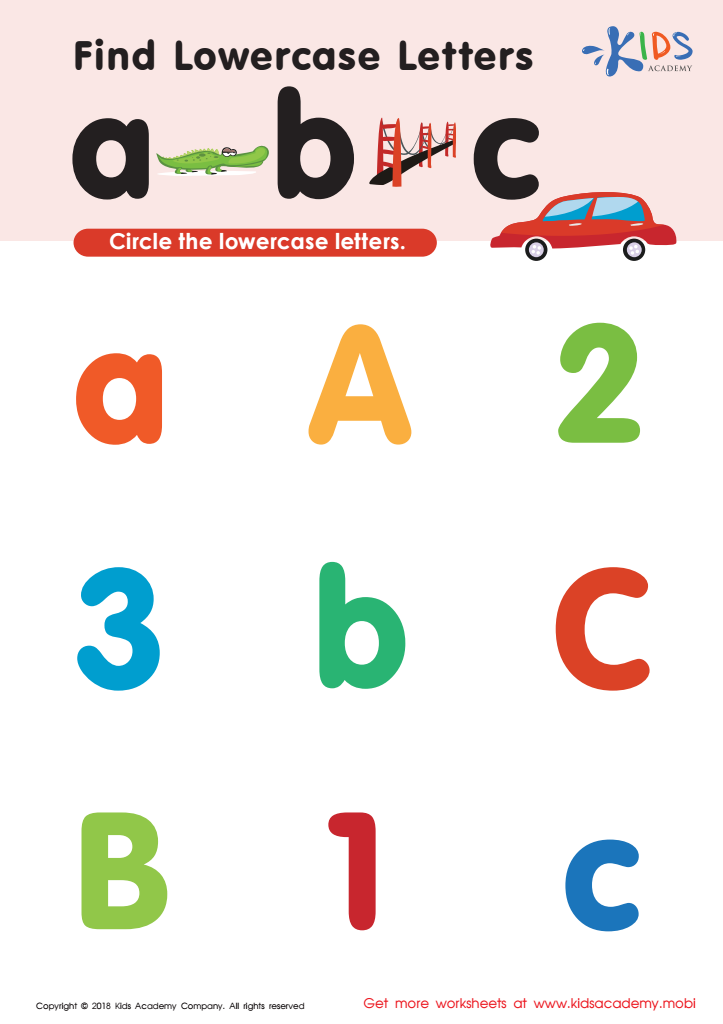
Find lowercase letters a b c Worksheet
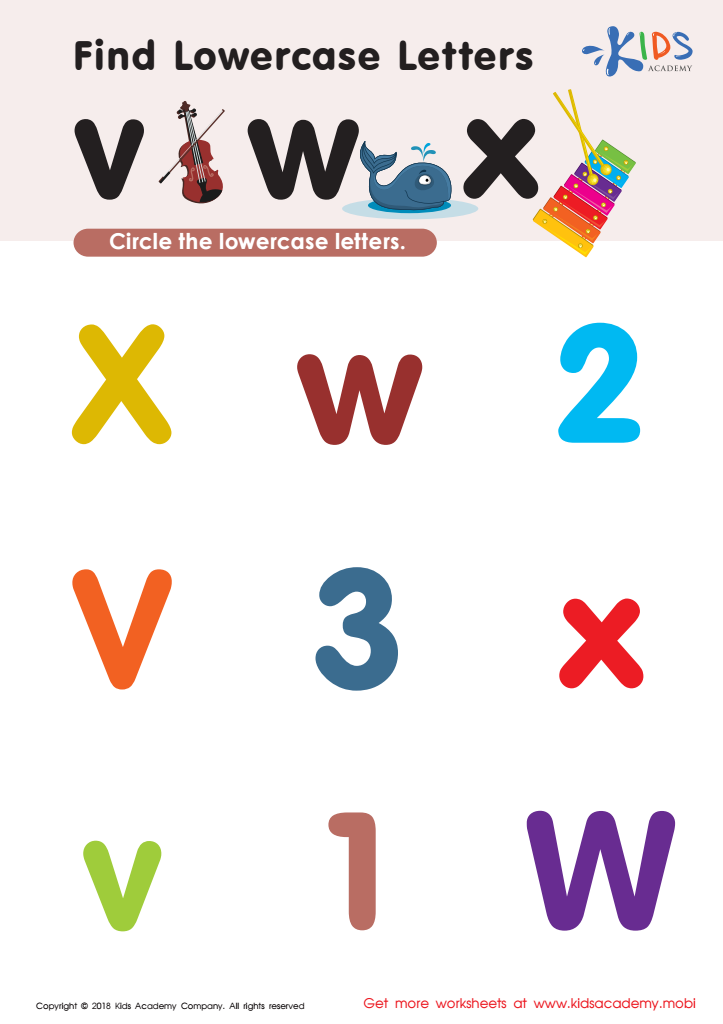
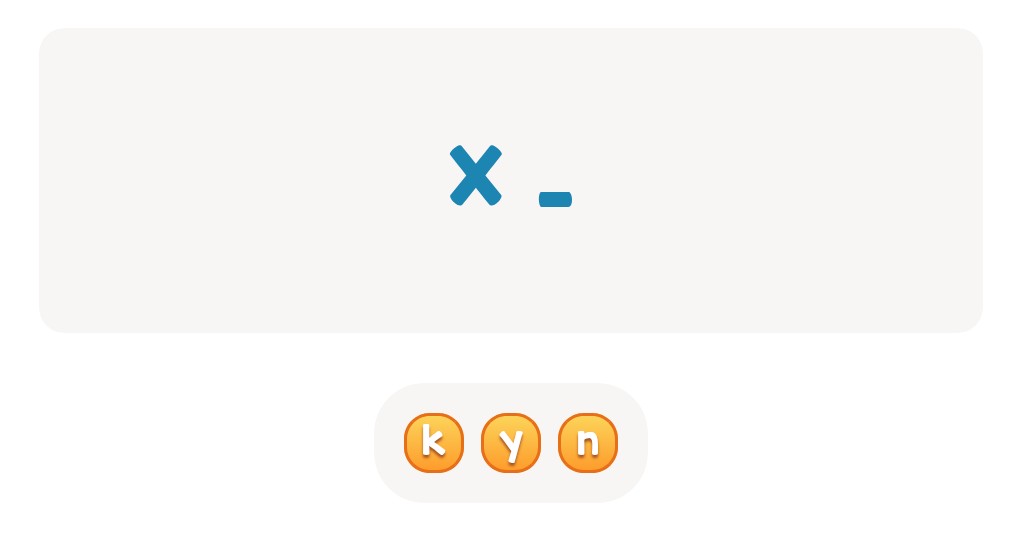
Find Lowercase Letters v w x Worksheet
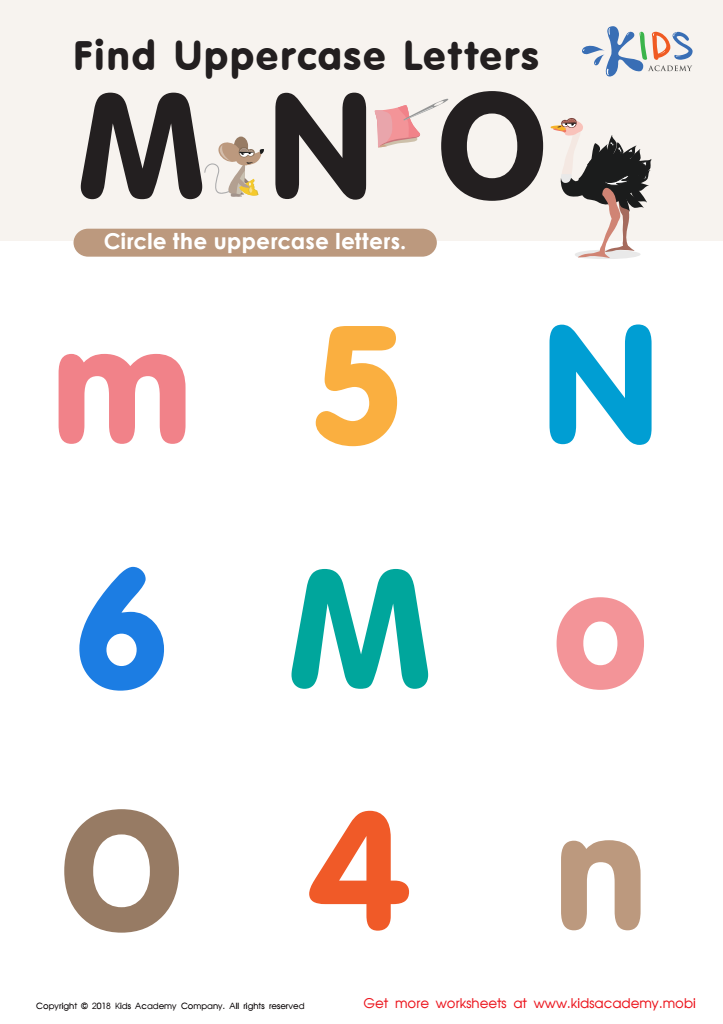
Find Uppercase Letters M, N, and O Worksheet






Letter recognition is critical for children aged 5-9, as it lays the foundation for reading and writing skills. At this stage, children not only learn to identify normal upper and lowercase letters but also begin to understand the differences between them. Mastery of letter recognition allows children to decode words, fostering fluency and comprehension in reading. This ability enhances their vocabulary and encourages a love for literature.
Moreover, distinguishing between uppercase and lowercase letters helps children understand sentence structure, punctuation, and the nuances of language, aiding in both verbal and written communication. Teachers and parents play a pivotal role in providing activities and resources that promote letter recognition, such as engaging games, interactive reading sessions, and hands-on writing exercises.
Supporting children in mastering letter recognition not only boosts their confidence but also enhances their overall academic performance. It prepares them for progressive literacy skills, ensuring they can engage in more complex reading and writing tasks as they mature. Ultimately, by prioritizing this early learning milestone, adults equip children with the essential skills needed for lifelong communication and learning success. Investing time and resources into this aspect of education yields both immediate and long-term benefits for young learners.







