Fine Motor Skills Normal Worksheets for Ages 5-9 - Page 6
134 filtered results
-
From - To

Tower Coloring Page
 Assign to My Students
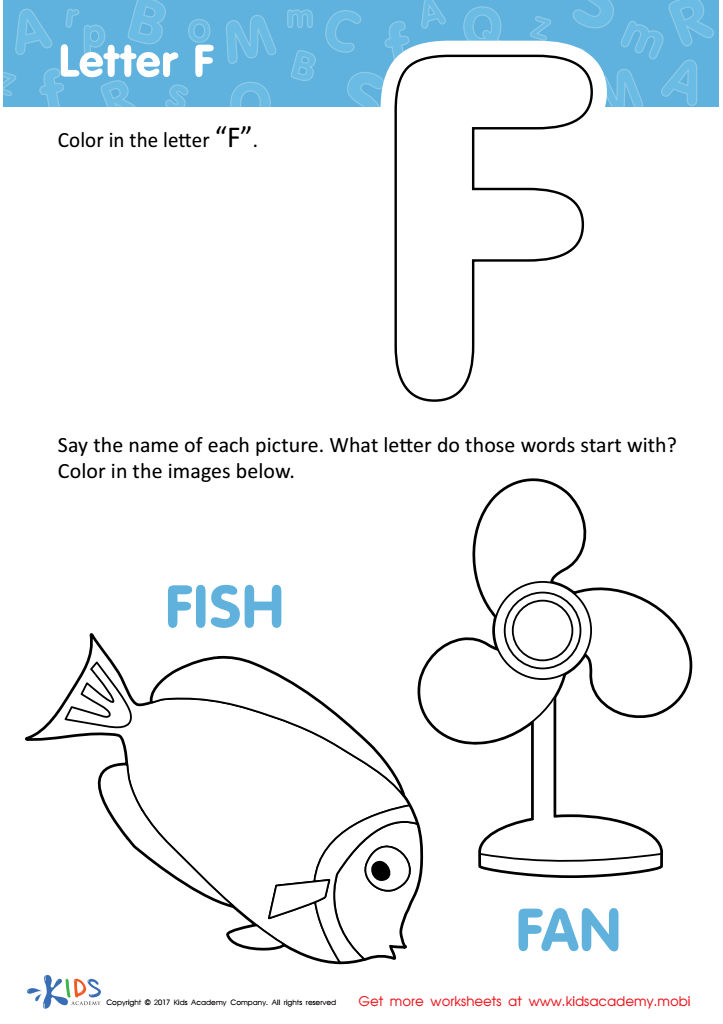
Letter F Coloring Sheet
Assign to My Students

Great Hornbill Worksheet
Assign to My Students

Circle Laser Cutting Worksheet

Astronomer Maze: Telescope Worksheet

Lowercase Letters v w x Worksheet
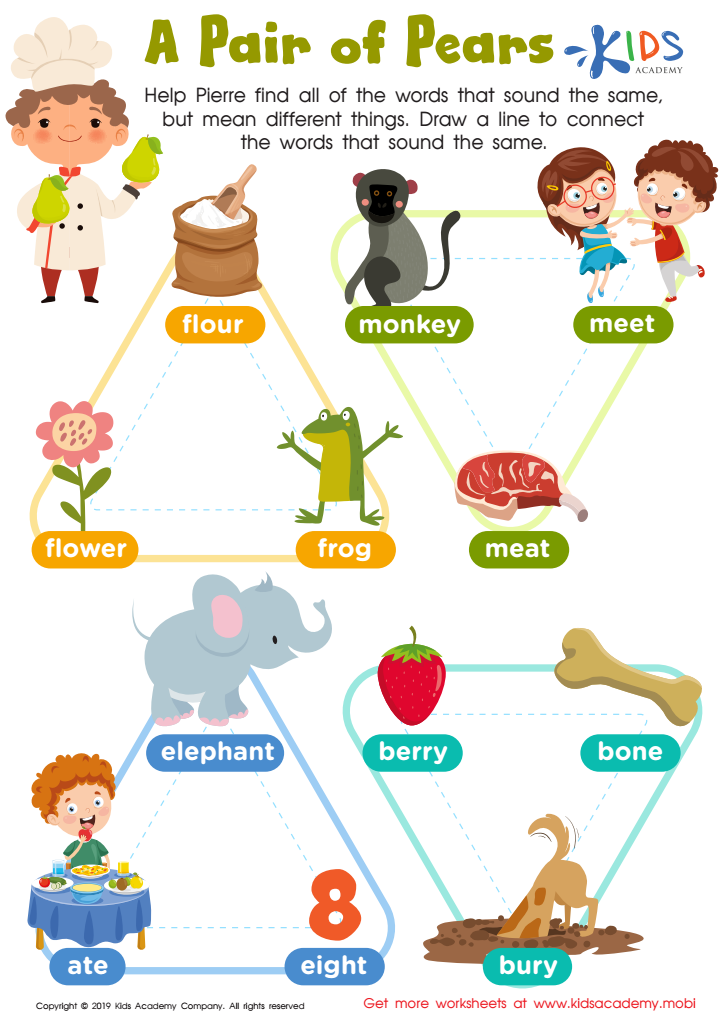
Pair Pears Worksheet
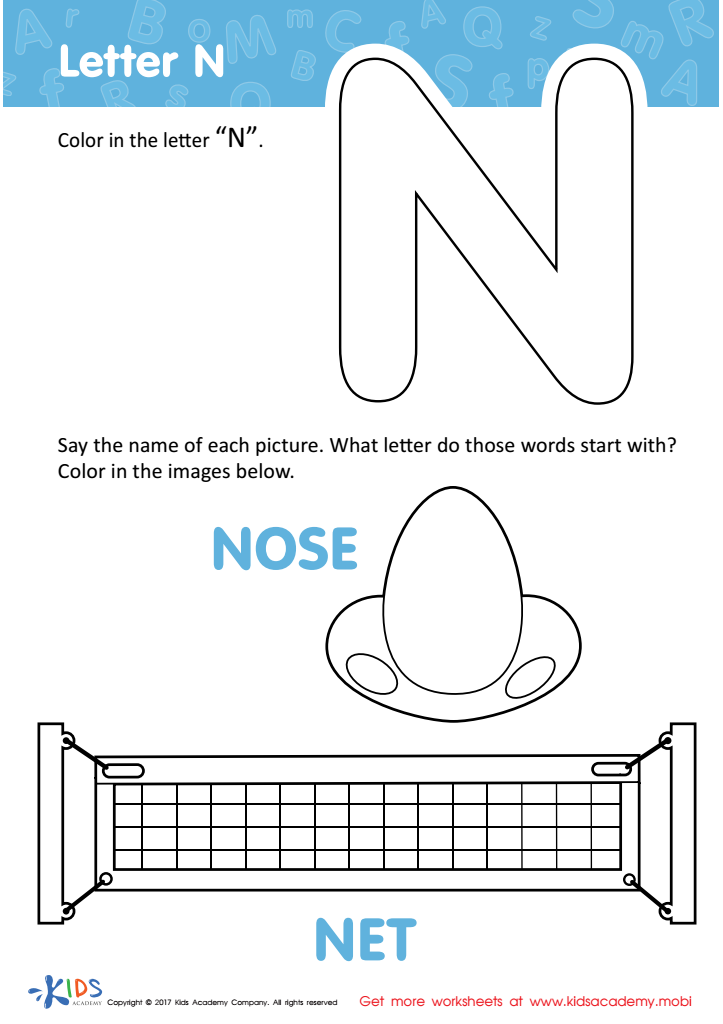
Letter N Coloring Sheet
Assign to My Students

Astronaut Coloring Page
Assign to My Students
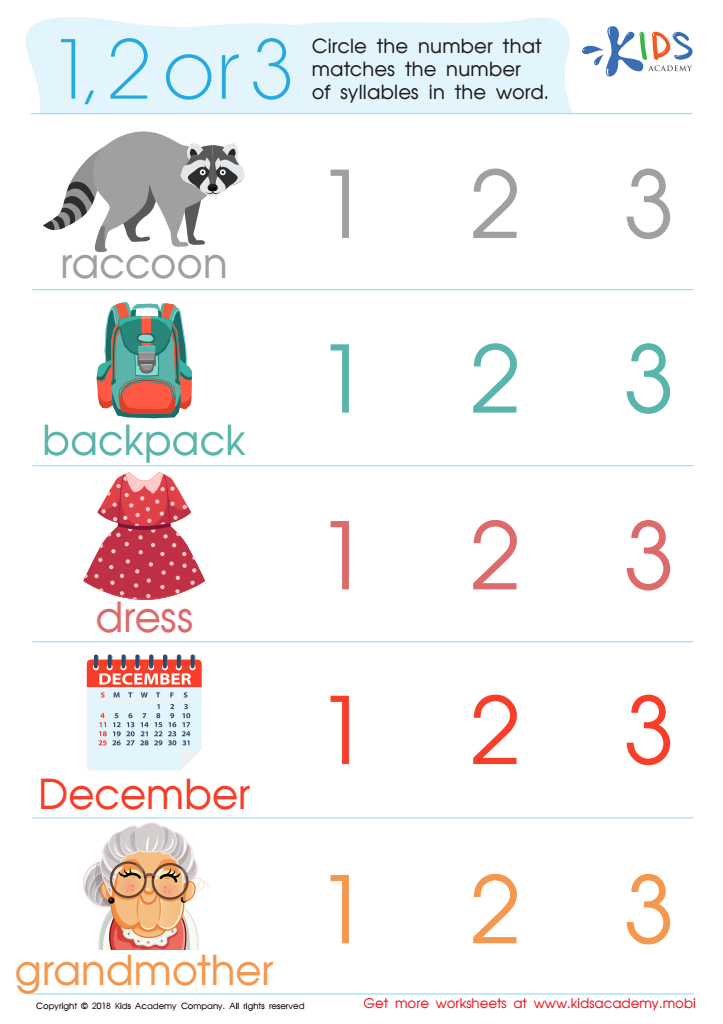
1, 2 or 3? Worksheet

Letter D Tracing Page

Octopus 8’s Worksheet
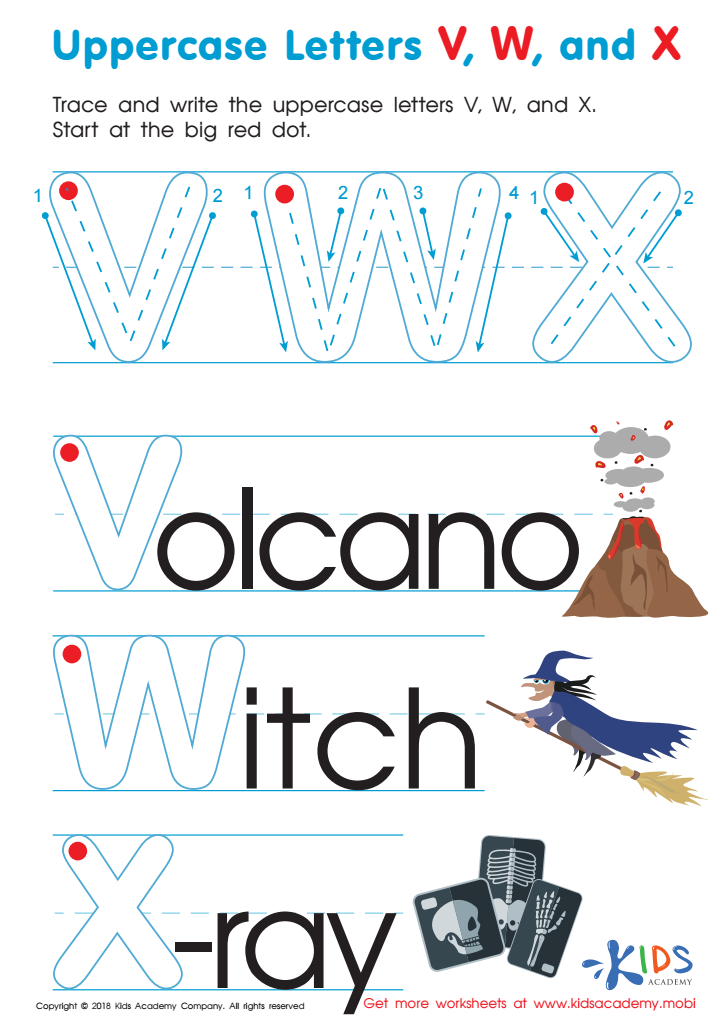
Uppercase Letters V, W, and X Worksheet
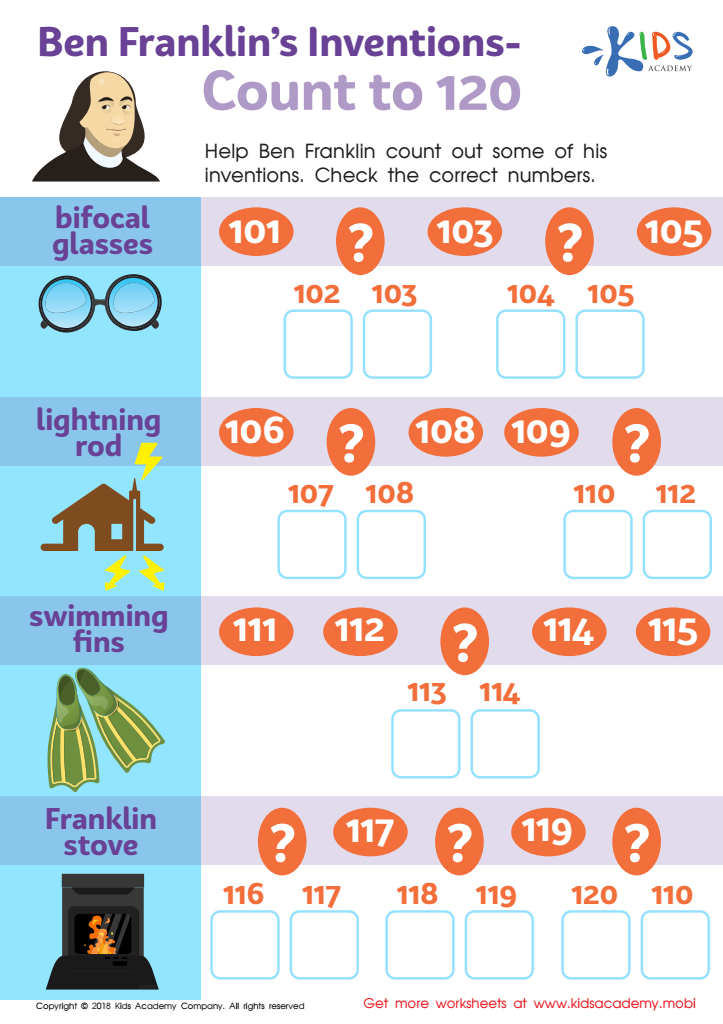
Ben Franklin’s Inventions – Count to 120 Worksheet





.jpg)


Fine motor skills are crucial for children aged 5-9 as they have a significant impact on various aspects of their development and daily functioning. These skills involve the coordination of small muscles, particularly in the hands and fingers, and are essential for tasks such as writing, buttoning clothes, using scissors, and tying shoelaces. Proficiency in fine motor skills supports academic success, especially in handwriting and art projects, which are fundamental in this age group.
When fine motor skills are well-developed, children experience increased confidence and independence. This boosts their willingness to participate in classroom activities and social interactions, providing a positive influence on their self-esteem. Difficulty with these skills can lead to frustration and a reluctance to engage in important learning activities, impacting overall academic performance and communication proficiency.
In addition, refining fine motor skills early on aids cognitive development, as these tasks require planning, attention to detail, and problem-solving. This lays groundwork for more complex skills that will be developed later. Teachers and parents can foster fine motor skills through activities like playing with building blocks, stringing beads, and introducing art and craft projects. By supporting the development of fine motor skills, adults ensure children are better prepared for academic challenges and daily life, laying a foundation for their future success.








