Historical Knowledge Normal Worksheets for Ages 5-9 - Page 2
27 filtered results
-
From - To
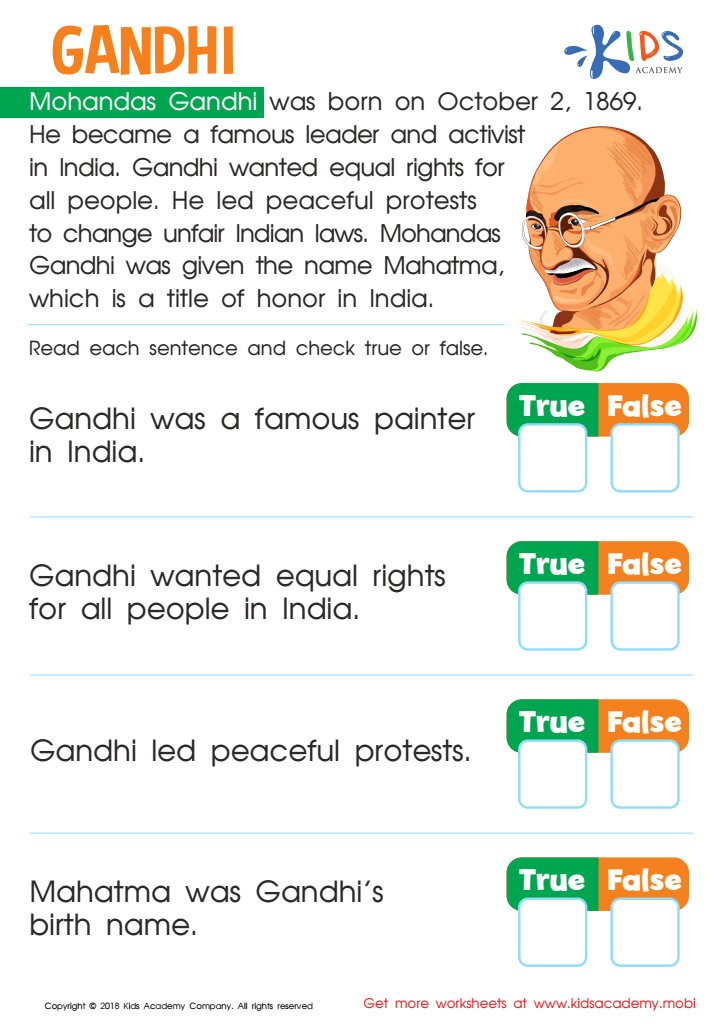
Gandhi Worksheet
 Assign to My Students
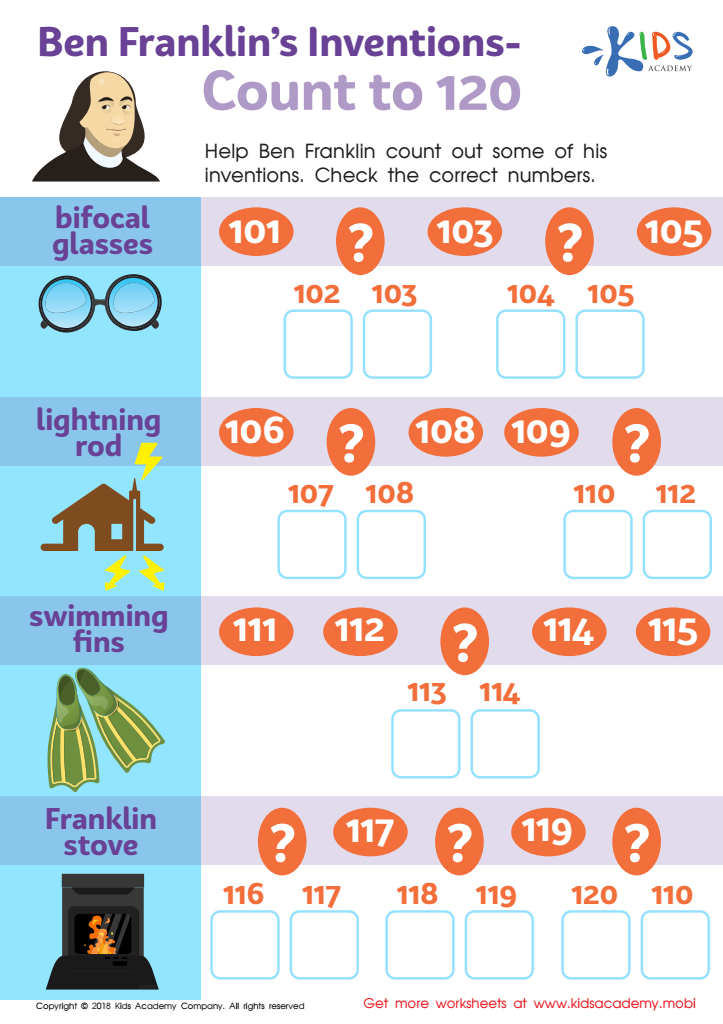
Ben Franklin’s Inventions – Count to 120 Worksheet
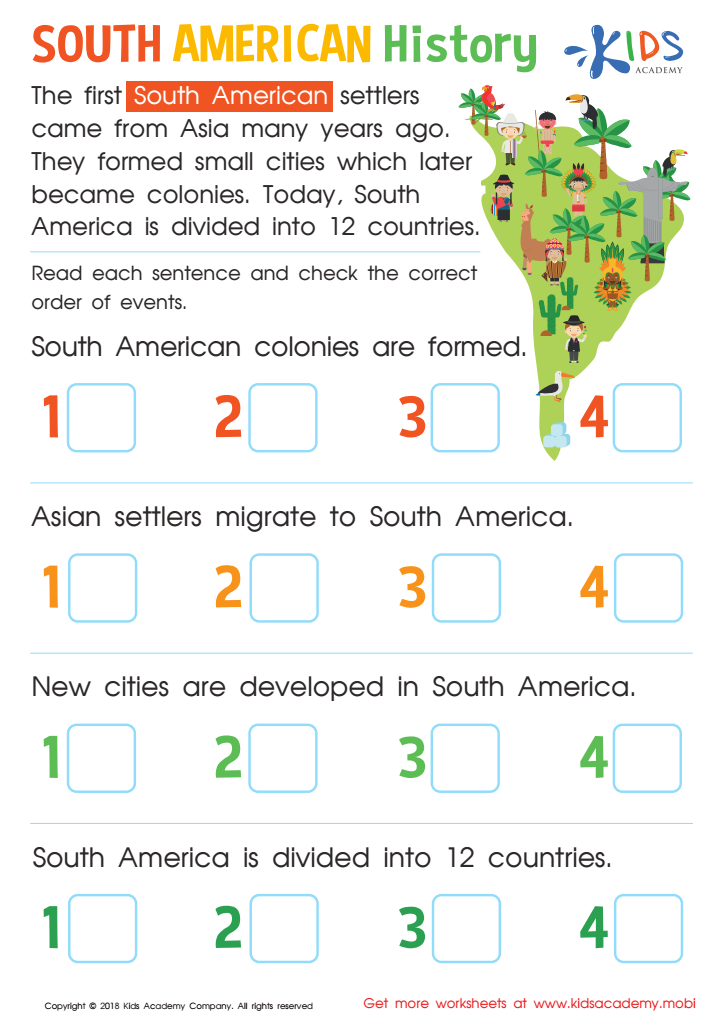
South American History Worksheet




.jpg)


Parents and teachers should care about historical knowledge for children aged 5-9 because it lays the foundation for critical thinking, empathy, and cultural awareness. At this age, children's brains are highly receptive to new concepts, and introducing them to history helps them understand their place in the world. Learning about diverse historical figures and events fosters a sense of identity and belonging. When children learn the stories of people from various backgrounds, they develop empathy and respect for others, crucial skills in today's multicultural society.
Moreover, historical knowledge cultivates curiosity and encourages questioning. Engaging with history encourages young learners to ask why things are the way they are, promoting investigation and discovery. Through stories and discussions about the past, teachers and parents can spark interest in subjects like social studies, fostering a lifelong love of learning.
Additionally, history helps children make connections with current events. Understanding past events and societal developments equips them with the context needed to navigate today’s complex world. Ultimately, investing time in teaching historical knowledge to young learners not only enriches their education but also shapes them into informed and compassionate citizens.








