Logical Reasoning Normal Worksheets for Ages 5-9 - Page 2
34 filtered results
-
From - To
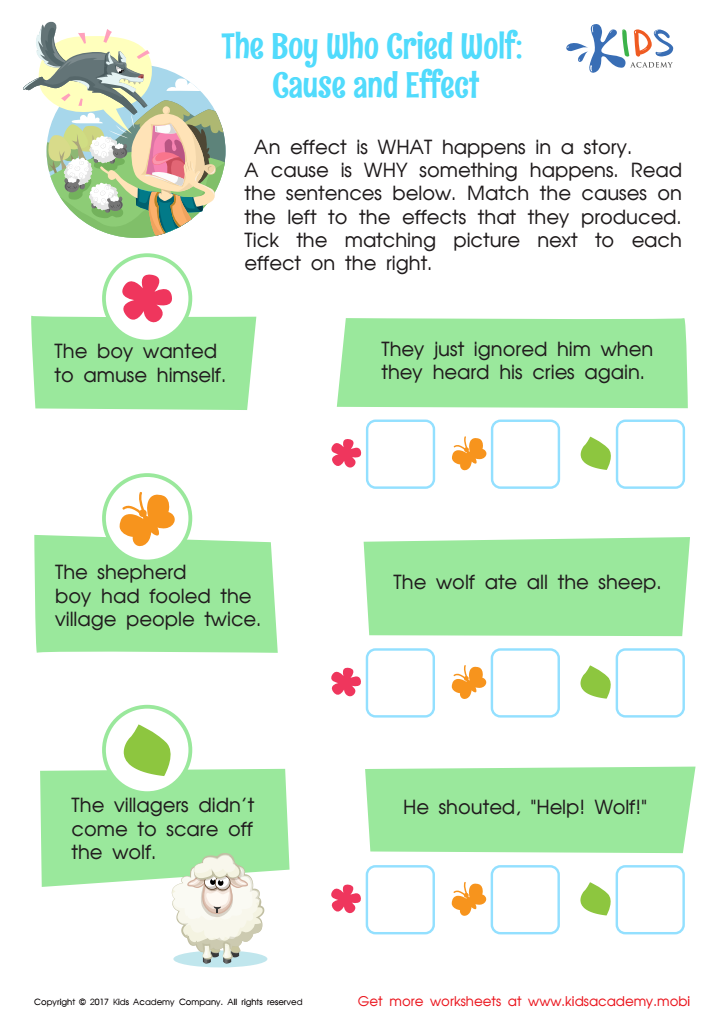
The Boy Who Cried Wolf: Cause and Effect Worksheet
 Assign to My Students
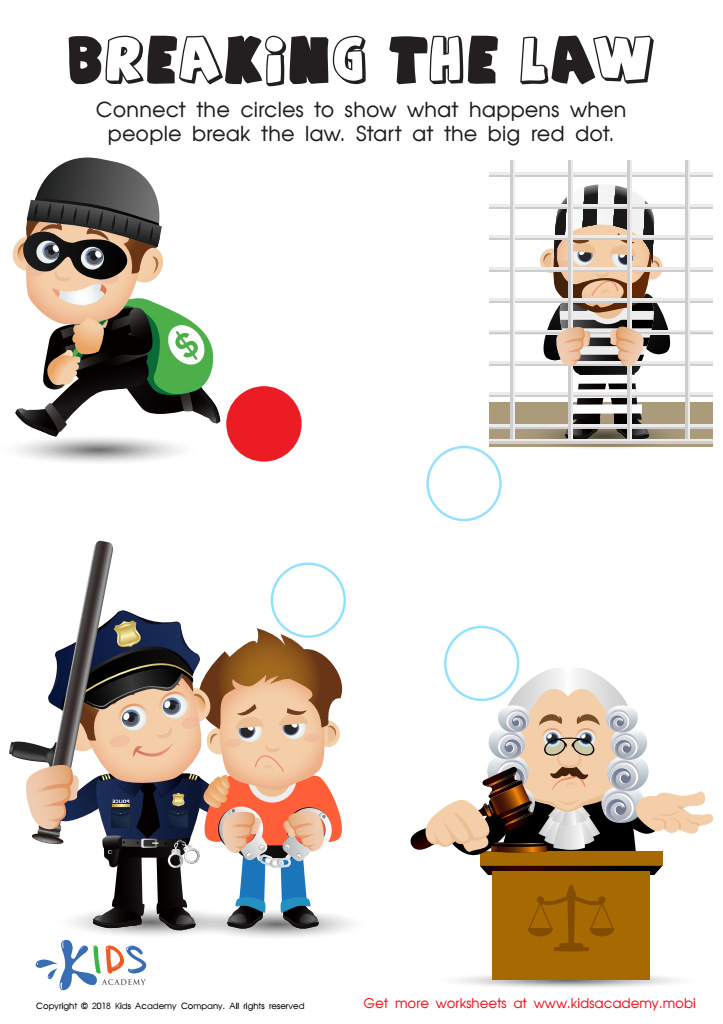
Breaking the Law Worksheet
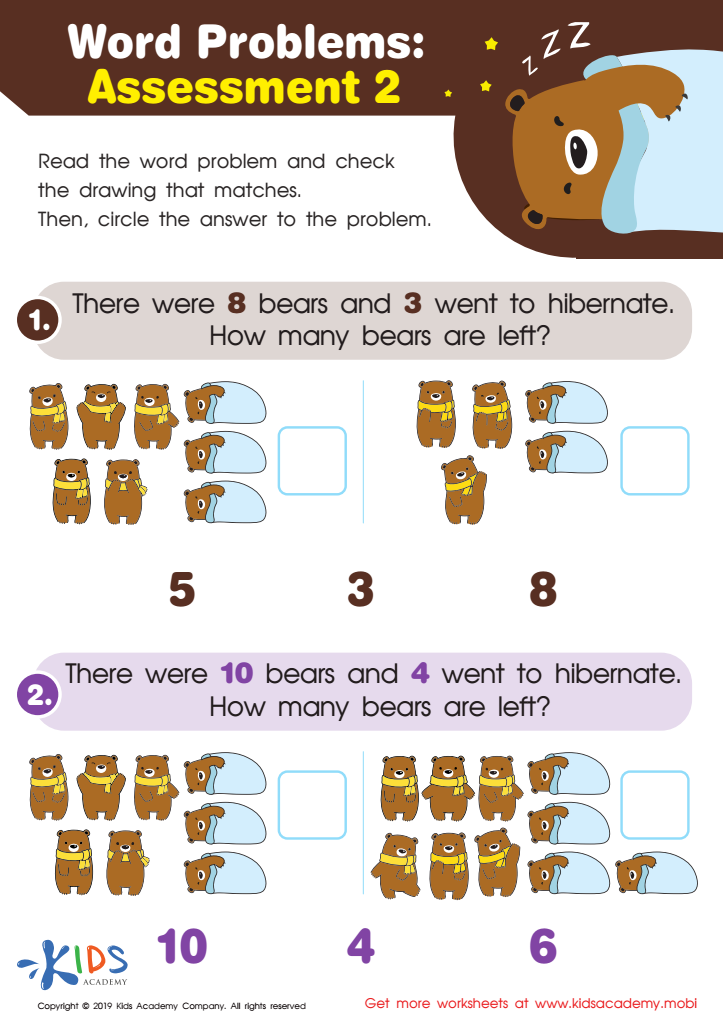
Word Problems: Assessment 2 Worksheet
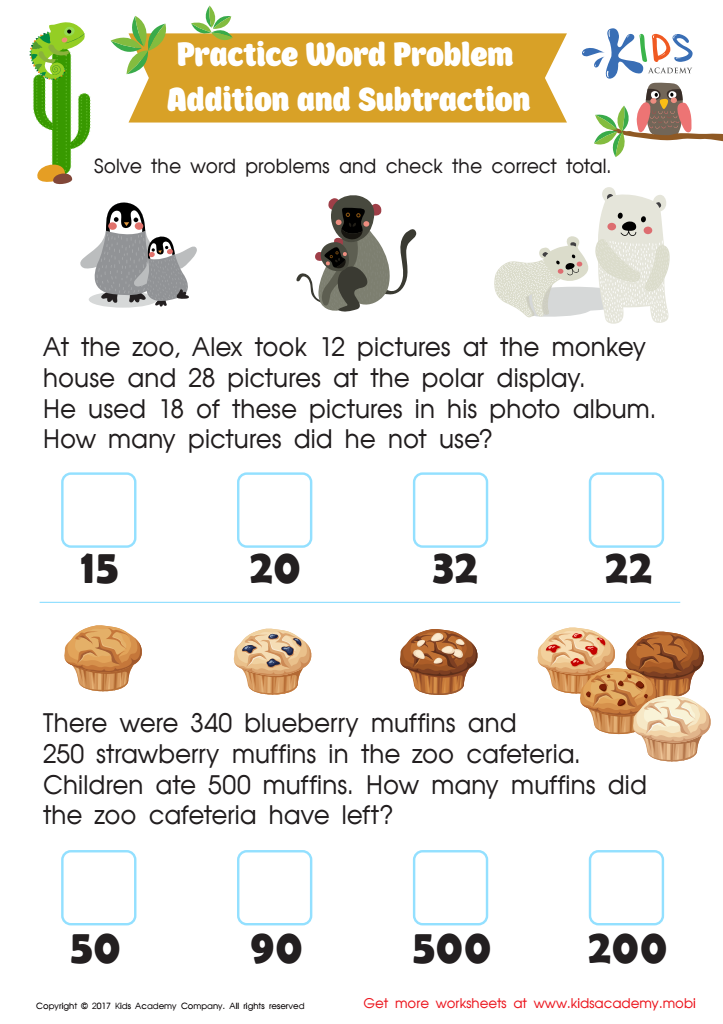
Addition and Subtraction: Word Problems Worksheet
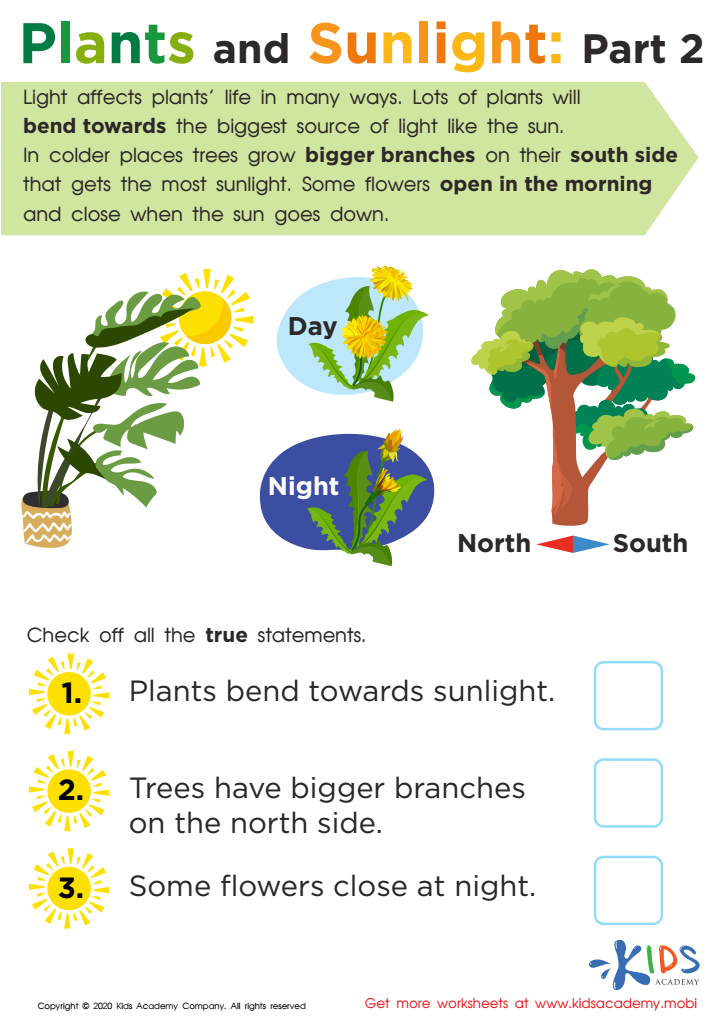
Plants and Sunlight: Part 2 Worksheet
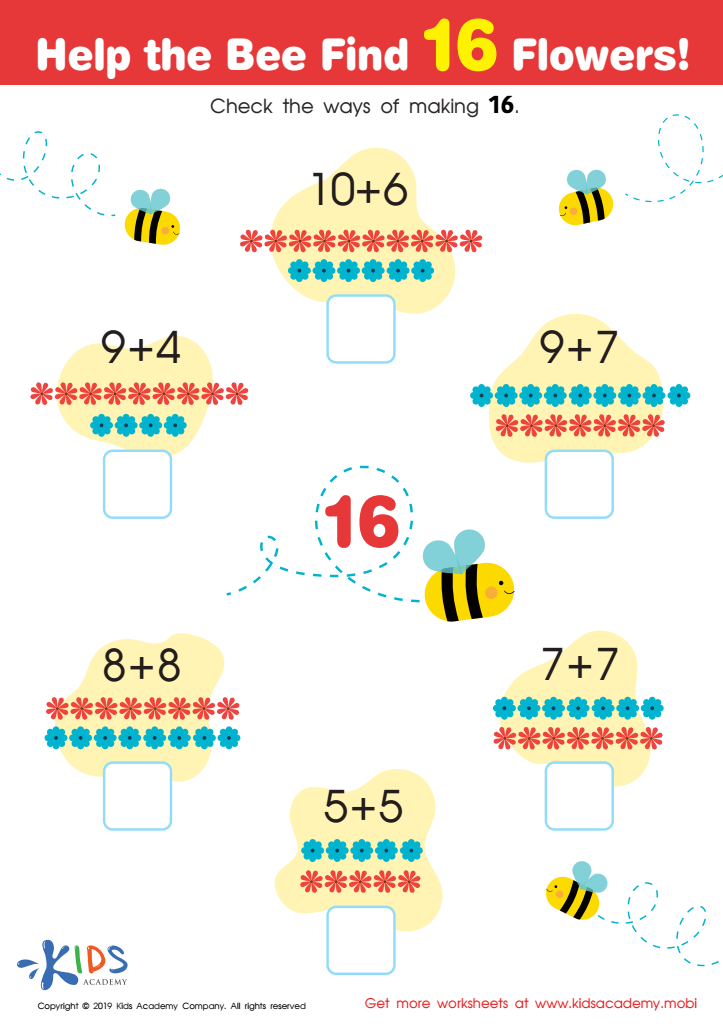
Help the Bee Find 16 Flowers Worksheet
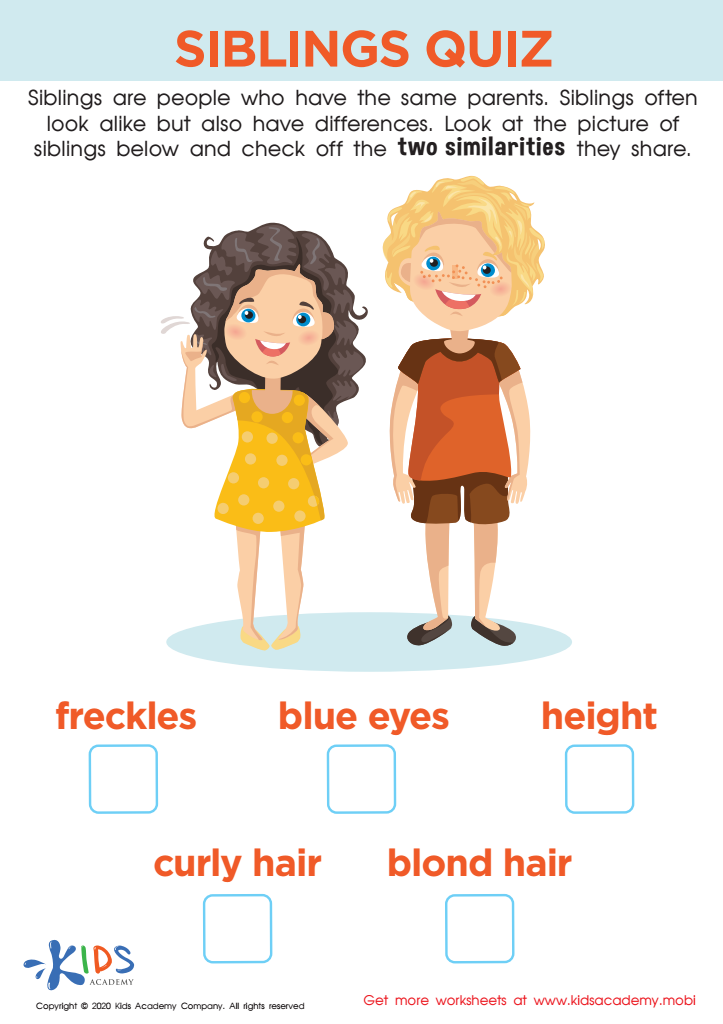
Siblings Quiz Worksheet
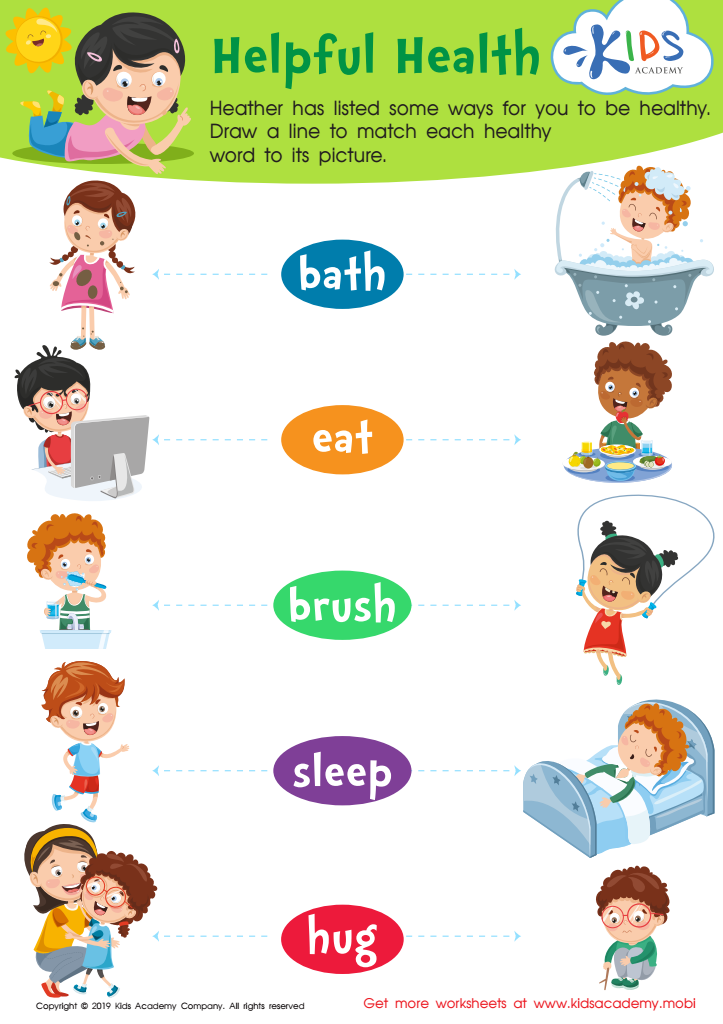
Helpful Health Worksheet
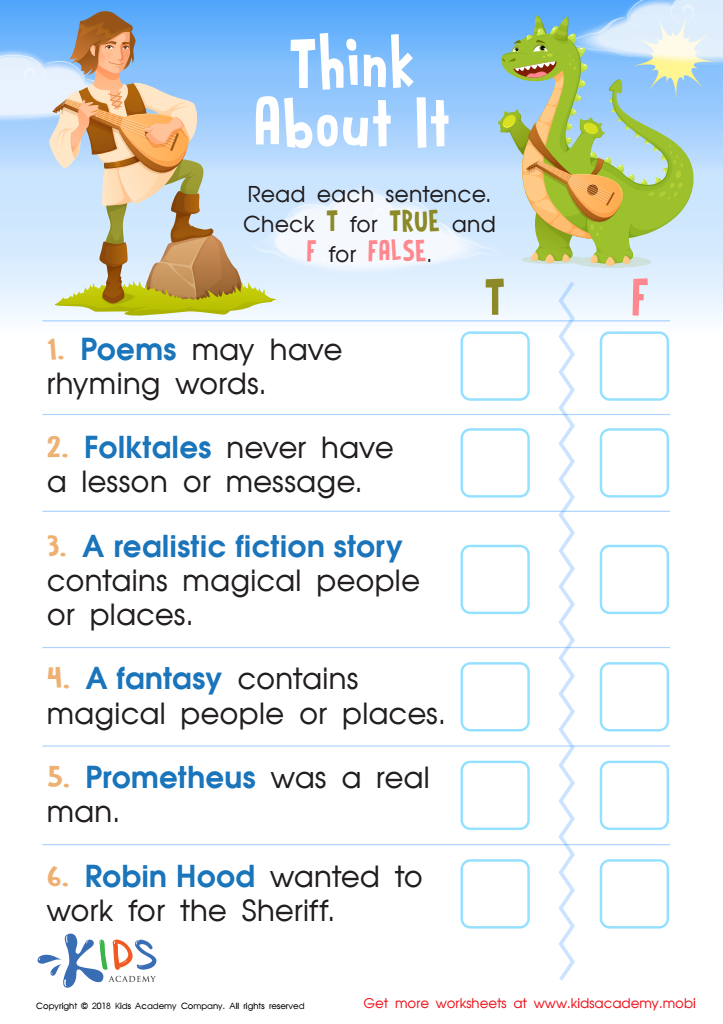
Think About It: Assessment Worksheet
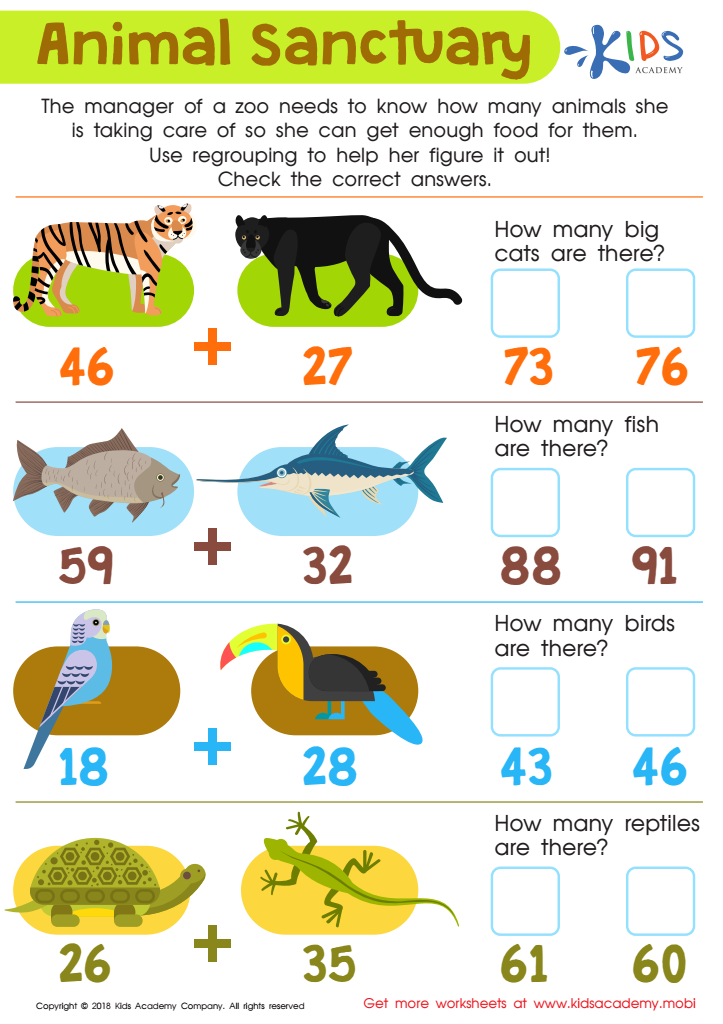
Animal Sanctuary Worksheet







Logical reasoning is a fundamental skill that significantly influences a child's overall cognitive development, especially for children aged 5-9. During this critical stage, their brains are rapidly developing, and they are exceptionally receptive to learning new concepts. By focusing on logical reasoning, parents and teachers can foster a child's ability to think critically, solve problems, and make informed decisions.
Engaging in logical reasoning activities helps children develop a structured way of thinking and enhances their ability to understand relationships among objects and ideas. It encourages them to analyze situations, recognize patterns, and understand cause-and-effect relationships—essential skills that impact their academic performance and daily life decisions.
Moreover, children skilled in logical reasoning are better equipped to tackle mathematics, science, and reading comprehension, providing them a solid foundation for future learning. These skills can also contribute to improved social interactions, as understanding logic and reasoning aids in empathetic communication and conflict resolution.
Encouraging logical reasoning through games, puzzles, and discussions not only makes learning enjoyable but also instills a love for discovery and exploration. Therefore, prioritizing logical reasoning for children aged 5-9 cultivates lifelong learners ready to face complex challenges in their educational journeys and beyond.








