Number comprehension Normal Worksheets for Ages 5-9
6 filtered results
-
From - To
Welcome to our "Number Comprehension Normal Worksheets for Ages 5-9"! Designed to enhance young learners' numerical skills, these worksheets provide engaging exercises that make math fun. Our collection features activities tailored for children aged 5 to 9, focusing on foundational concepts like counting, number recognition, and basic arithmetic. Each worksheet is crafted to encourage exploration and promote confidence in math. Ideal for both classroom and home learning, these resources support diverse learning styles through colorful illustrations and interactive challenges. Empower your child with essential math skills while fostering a love for learning. Download your worksheets today and watch their comprehension grow!
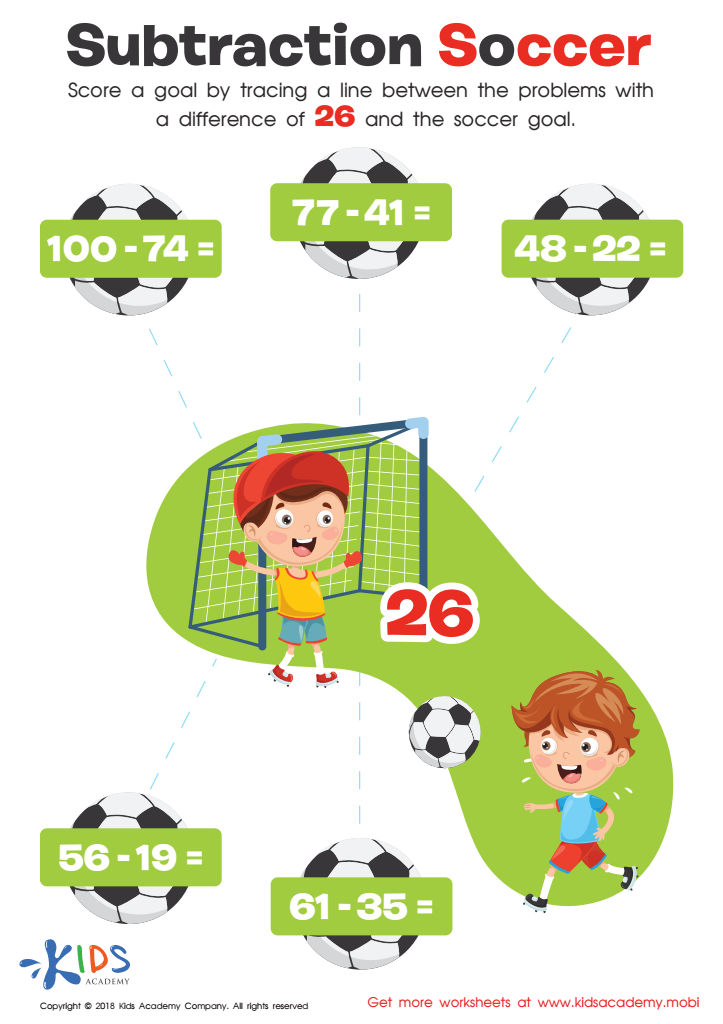
Subtraction Soccer Worksheet
 Assign to My Students
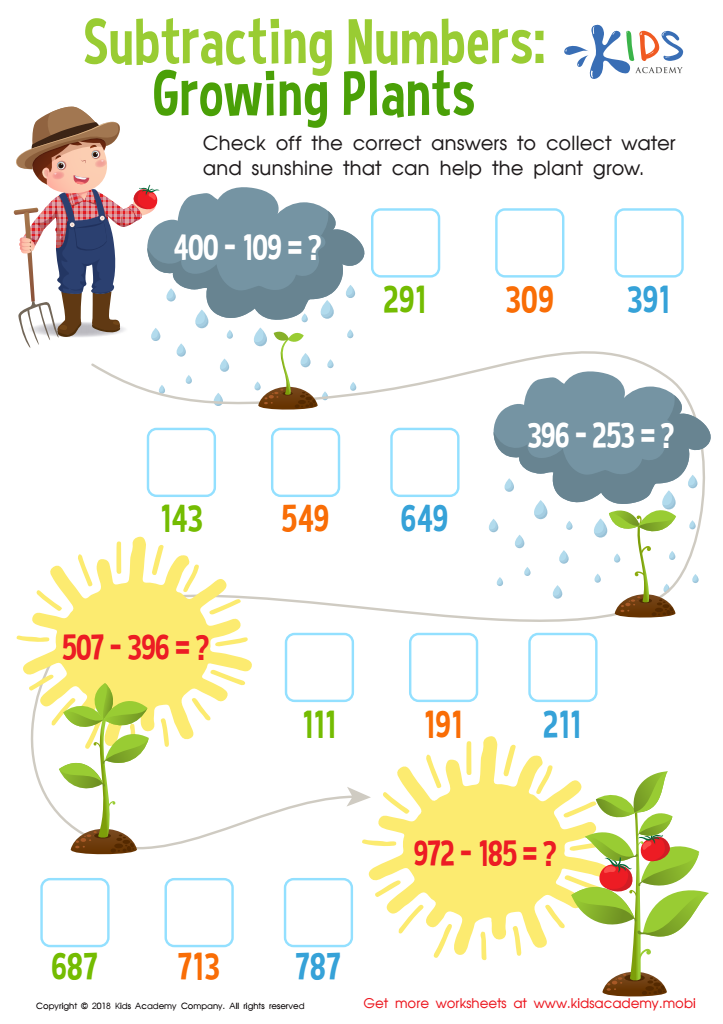
Subtracting Numbers: Growing Plants Worksheet
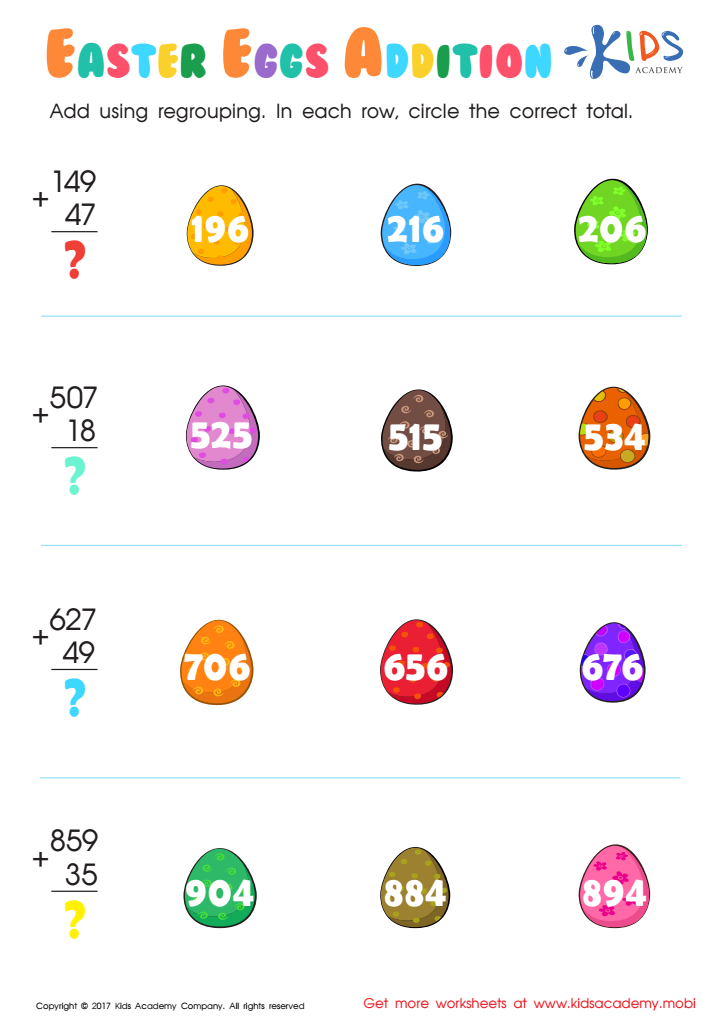
Addition with Regrouping Worksheet
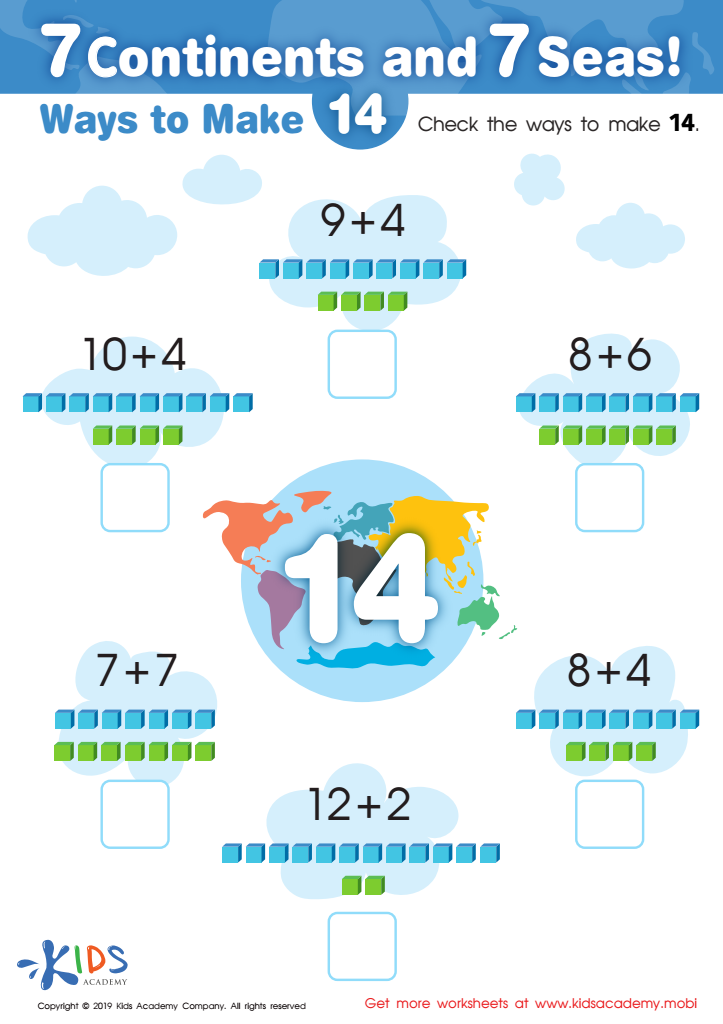
7 Continents and 7 Seas Worksheet
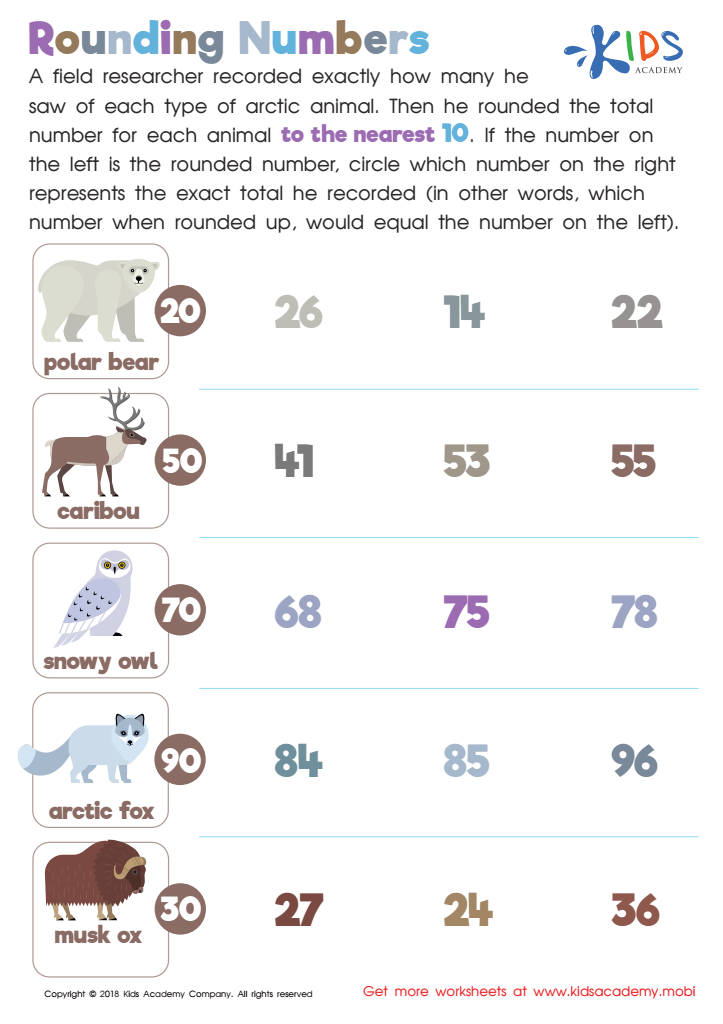
Rounding Numbers Worksheet
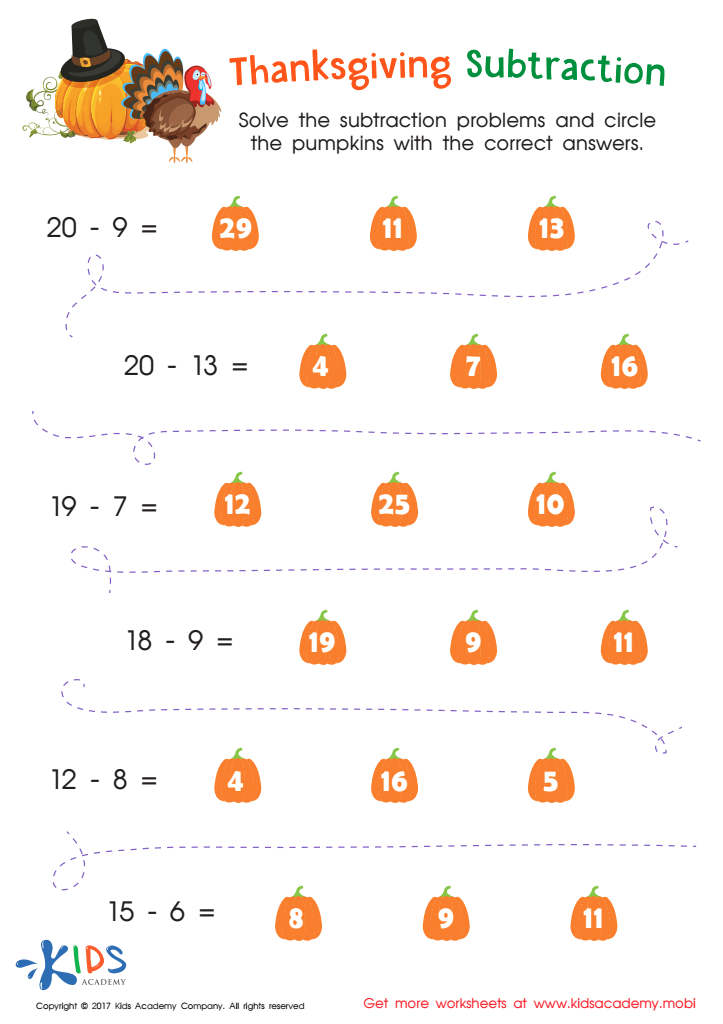
Thanksgiving Subtraction Substraction Worksheet








Number comprehension for ages 5-9 is crucial for several reasons. First and foremost, this foundational stage in a child’s education plays a significant role in developing their mathematical skills, which are essential for everyday life. Understanding numbers fosters critical thinking, problem-solving abilities, and helps children make sense of the world around them.
Moreover, number comprehension supports the development of other academic areas such as reading and science. As students progress in their education, a strong grasp of number concepts aids in tackling more complex subjects. Parents and teachers should recognize that difficulties in number comprehension at an early age can lead to long-term challenges in mathematics, potentially affecting overall confidence and academic success.
Socially, proficiency in numbers allows children to engage meaningfully with peers in group activities, enhancing their collaborative skills while boosting self-esteem. Furthermore, encouraging a positive attitude toward math early on can combat the prevalent "math anxiety" many students face later in their schooling.
Investing time and effort into nurturing number comprehension in young learners establishes a foundation that fosters curiosity, resilience, and a lifelong love for learning. Ultimately, understanding the importance of this developmental stage can shape better mathematical thinkers and informed citizens.








