Understanding symmetry Normal Worksheets for Ages 5-9
5 filtered results
-
From - To
Explore our "Understanding Symmetry Normal Worksheets" designed specifically for children aged 5-9. These engaging and interactive worksheets introduce young learners to the fundamental concept of symmetry in a fun and accessible way. Through colorful illustrations and various activities, students will identify symmetrical shapes, draw lines of symmetry, and create their own symmetrical patterns. These worksheets not only enhance critical thinking skills but also foster creativity as children explore the beauty of balance and reflection in the world around them. Perfect for classroom use or at-home learning, our resources support early math development while keeping kids entertained and excited to learn!
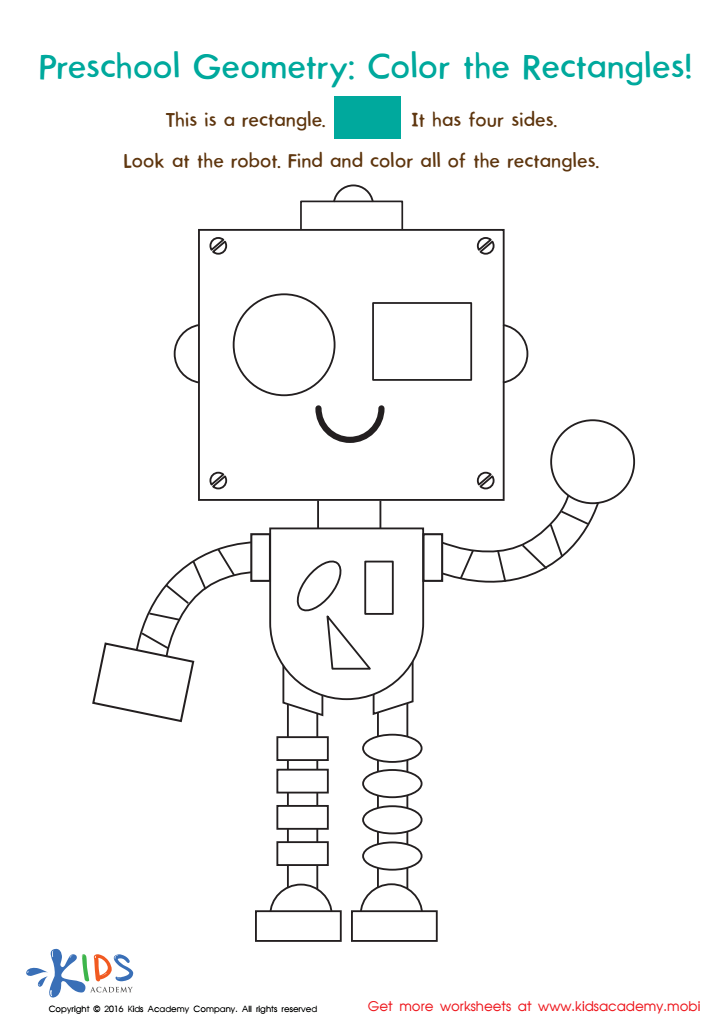
Geometry Worksheet
 Assign to My Students
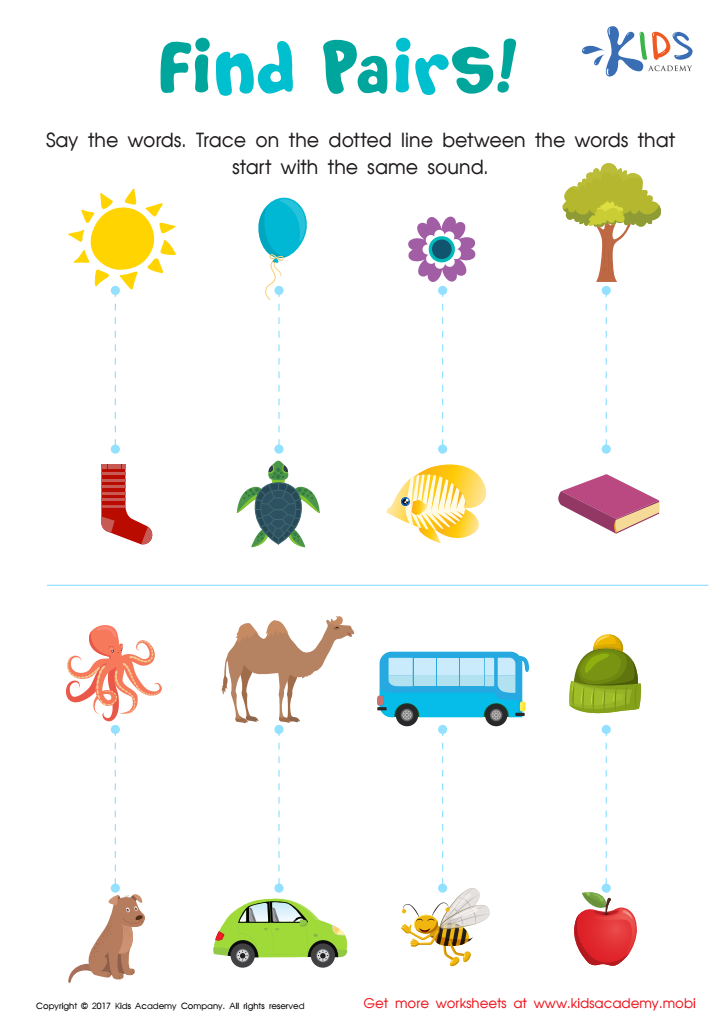
Beginning Sound: Find Pairs Worksheet
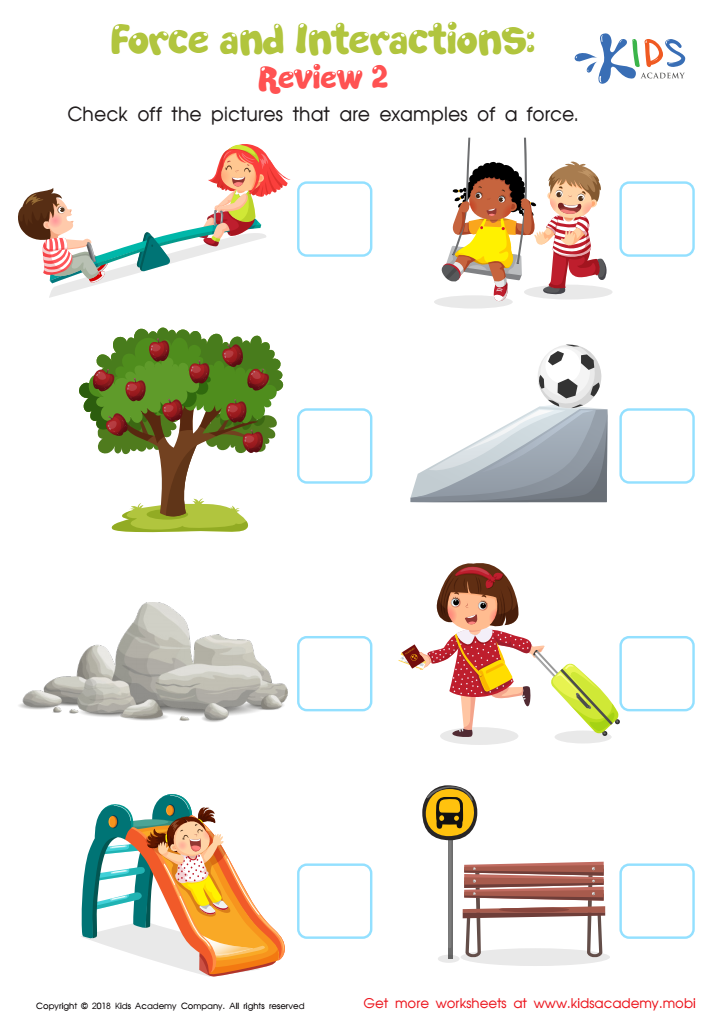
Force and Interactions: Review 2 Worksheet
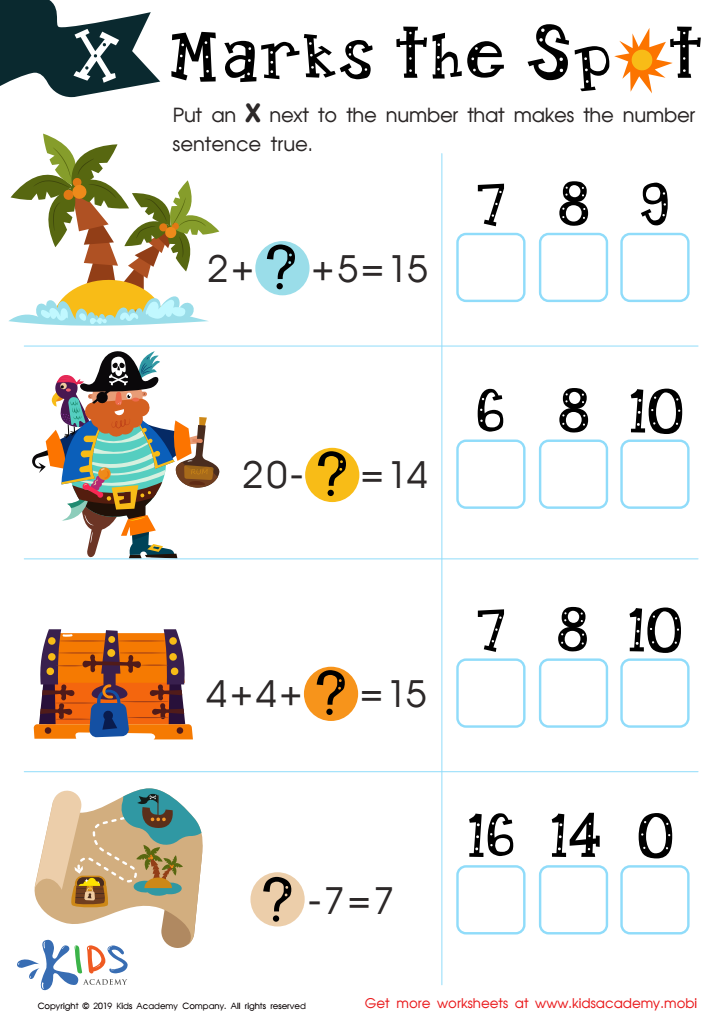
X Marks the Spot Worksheet
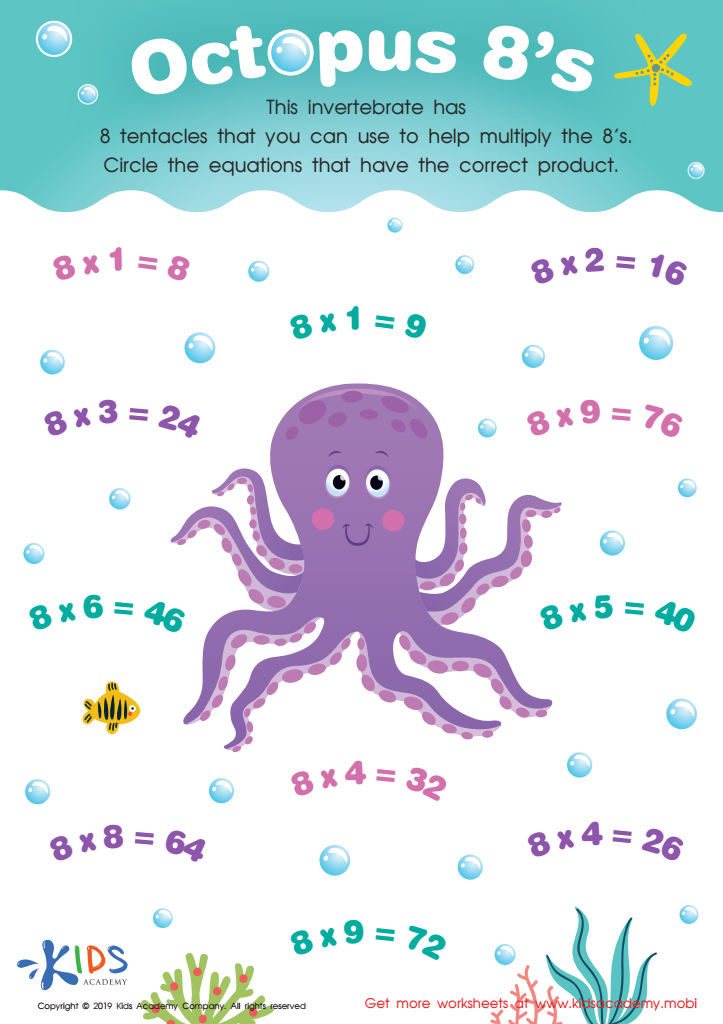
Octopus 8’s Worksheet




.jpg)
.jpg)

Understanding symmetry is essential for children aged 5-9 as it lays the foundation for critical cognitive skills. Symmetry helps young learners recognize patterns, shapes, and relationships in mathematics and art. Early exposure to symmetry fosters spatial awareness—an important skill for problem-solving and logical thinking, which is fundamental in math.
Furthermore, concepts of symmetry are prevalent in nature, design, and everyday environments. Recognizing these patterns can enhance children's observation skills and encourage curiosity about the world around them. Engaging with symmetry through hands-on activities—such as folding paper, drawing, or creating art—can make learning fun and interactive, boosting motivation and interest in learning.
Additionally, understanding symmetry promotes appreciation for balance and aesthetics in various disciplines, from architecture to painting. It encourages creativity and can become a springboard for discussions about cultural symbols and geometric shapes, enriching children's exposure to diversity and critical thinking.
By nurturing an appreciation for symmetry, parents and teachers also support the development of fine motor skills through creative projects, paving the way for deeper learning in math, science, and art throughout their education. Ultimately, fostering these skills and insights early on can significantly enhance a child’s overall academic journey.








