Problem-Solving Skills Normal 2D Shapes Worksheets for Ages 5-9
5 filtered results
-
From - To
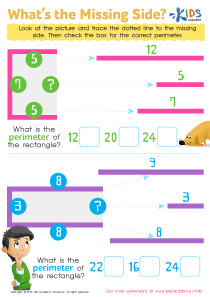
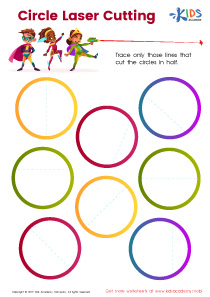
Unlock your child's potential with our Problem-Solving Skills Normal 2D Shapes Worksheets, tailored for ages 5-9. Designed to enhance critical thinking and spatial awareness, these engaging worksheets offer diverse activities focused on identifying and manipulating 2D shapes. Young learners will tackle fun, interactive problems that nurture their ability to analyze, deduce, and solve puzzles, all while reinforcing essential math concepts. Ideal for both classroom settings and at-home practice, these worksheets provide the perfect blend of challenge and support, helping children develop key skills that lay the foundation for future academic success. Empower your child with confidence in problem-solving today!
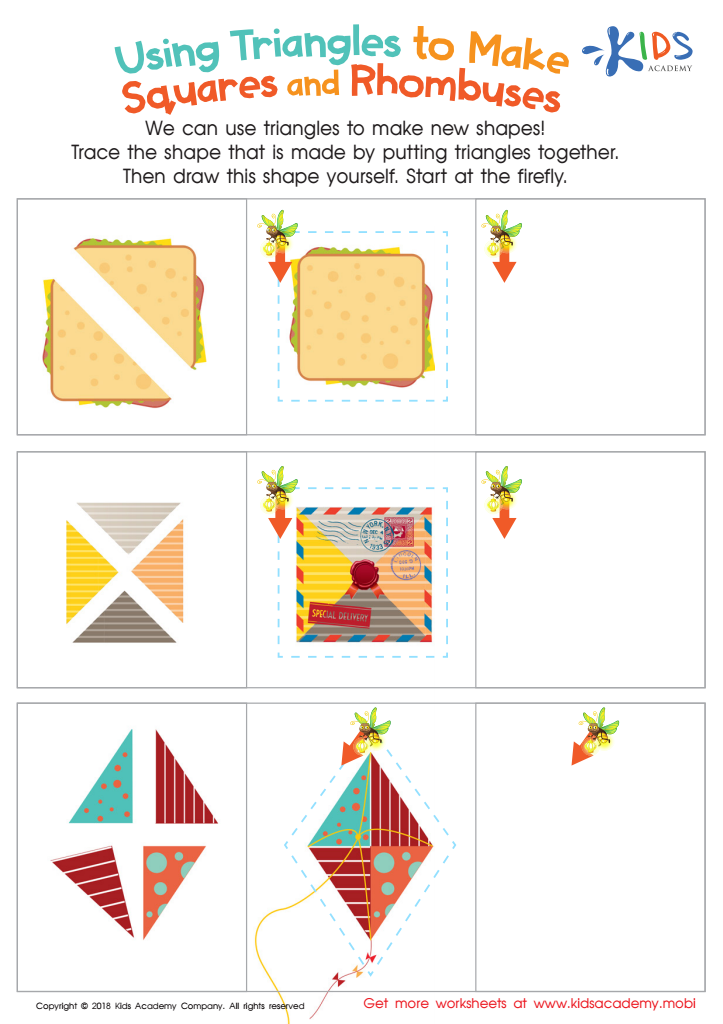
Using Triangles to Make Squares and Rhombuses Worksheet
 Assign to My Students











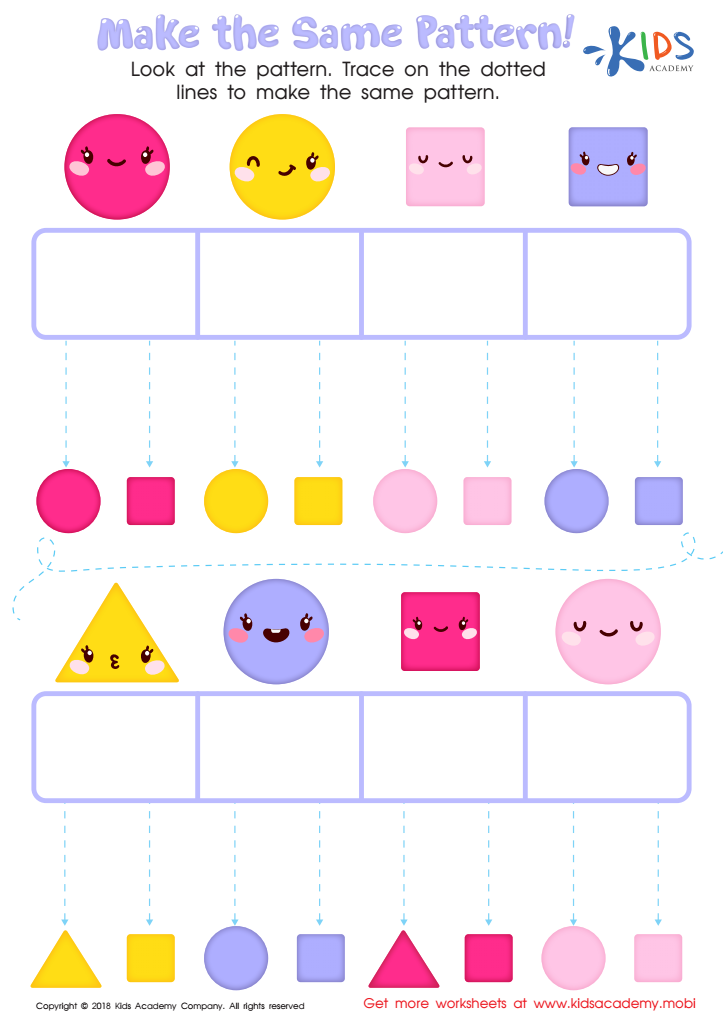
Make the Same Pattern Worksheet
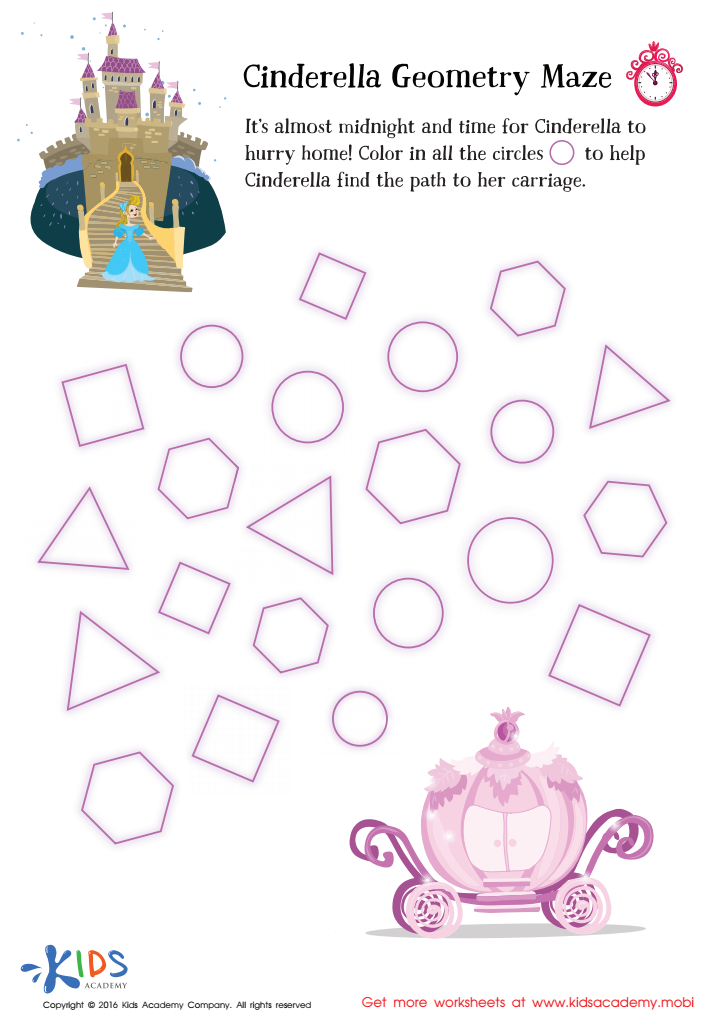
Cinderella Geometry Maze Worksheet

Learning to Draw Crescents And Triangles Worksheet
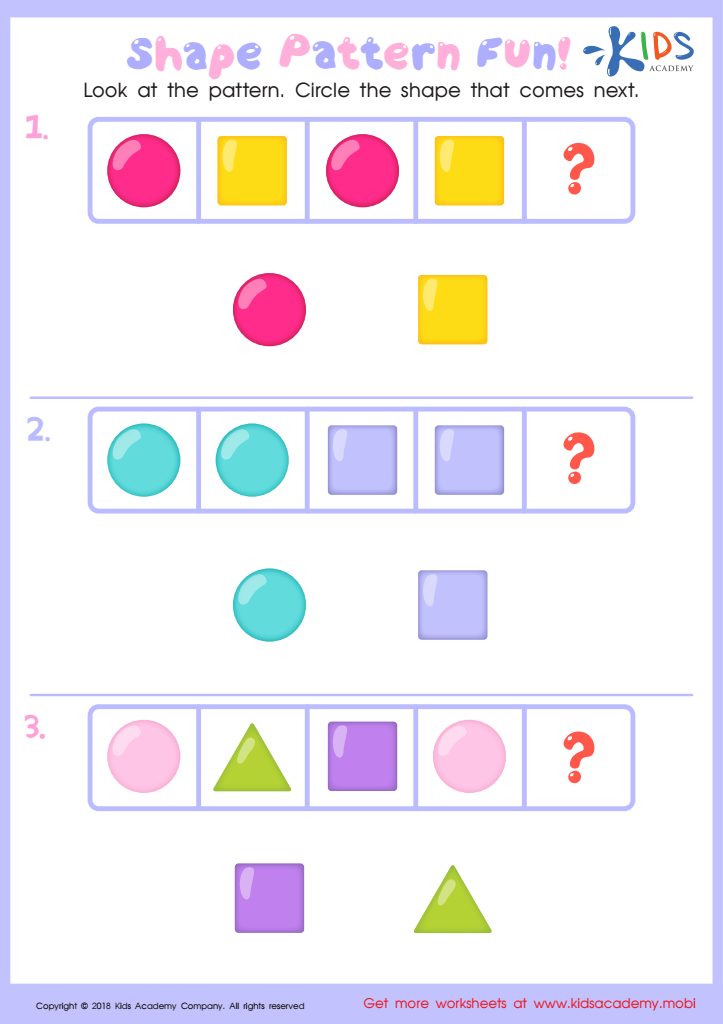
Shape Pattern Fun Worksheet








Problem-solving skills are crucial for children aged 5-9 as they form the foundational elements of higher-level thinking and cognitive development. Normal 2D shapes, such as circles, squares, triangles, and rectangles, are not only fundamental geometric concepts but also versatile tools in teaching these skills. Understanding and manipulating these shapes help children enhance their spatial awareness, a key aspect of problem-solving. For example, by recognizing and fitting various shapes together to form patterns or complete puzzles, children learn about relationships, sequences, and geometry principles, which can translate to problem-solving abilities in more complex subjects later on, like mathematics and engineering.
Moreover, engaging with 2D shapes encourages critical thinking and creativity. When children explore different ways to combine shapes or solve puzzles, they develop flexible thinking, persistence, and resilience—attributes essential for tackling life's myriad challenges. This engagement also promotes fine motor skills as kids draw, cut, or arrange shapes, enhancing their precision and control.
Parents and teachers should prioritize problem-solving with 2D shapes because proficiency in these areas builds a foundational understanding of the world, promotes logical reasoning, and fosters critical academic and life skills. Ultimately, well-developed problem-solving abilities driven by simple geometric tasks can lead to higher academic achievement and well-rounded personal growth.