
Number Recognition Normal Addition Facts Worksheets for Ages 5-9
6 filtered results
Difficulty Level
Grade
Age
-
From - To
Subject
Activity
Standards
Discover our engaging "Number Recognition Normal Addition Facts Worksheets" designed specifically for children aged 5-9! These worksheets help young learners master essential number recognition and basic addition skills through interactive exercises. Each printable worksheet is crafted to boost confidence and math proficiency, featuring colorful visuals and diverse activities that make learning fun. Ideal for classroom settings or at-home practice, these resources support early math development while ensuring students grasp fundamental concepts. Foster a love for math in your child as they practice adding numbers seamlessly. Get started today and watch your young learner thrive!
Favorites
With answer key
Interactive
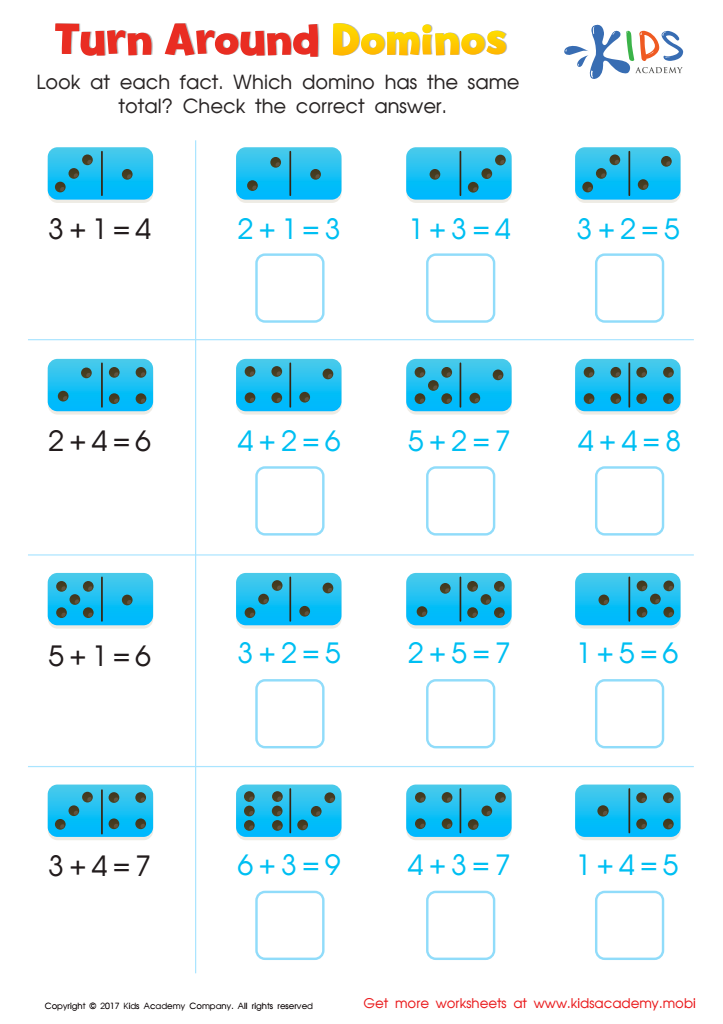
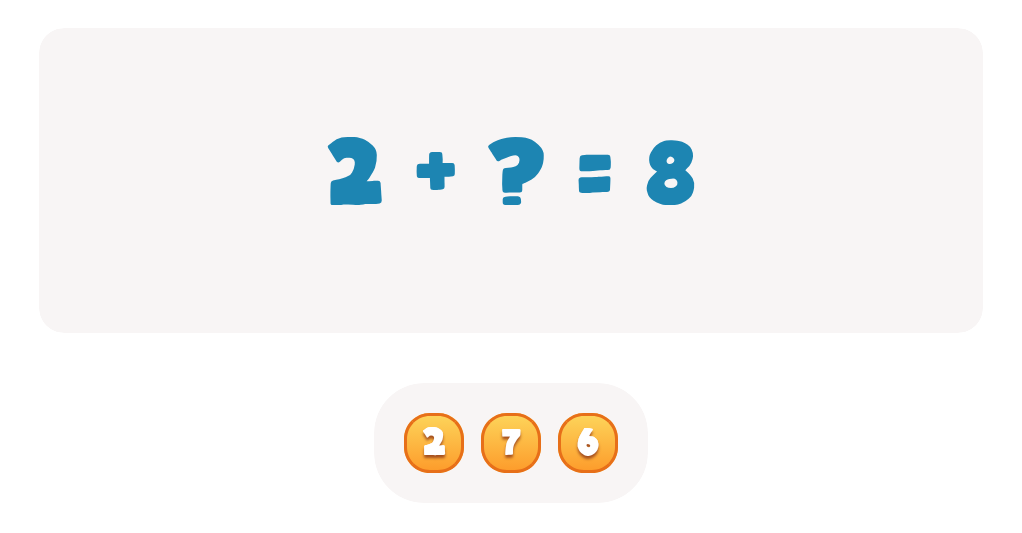
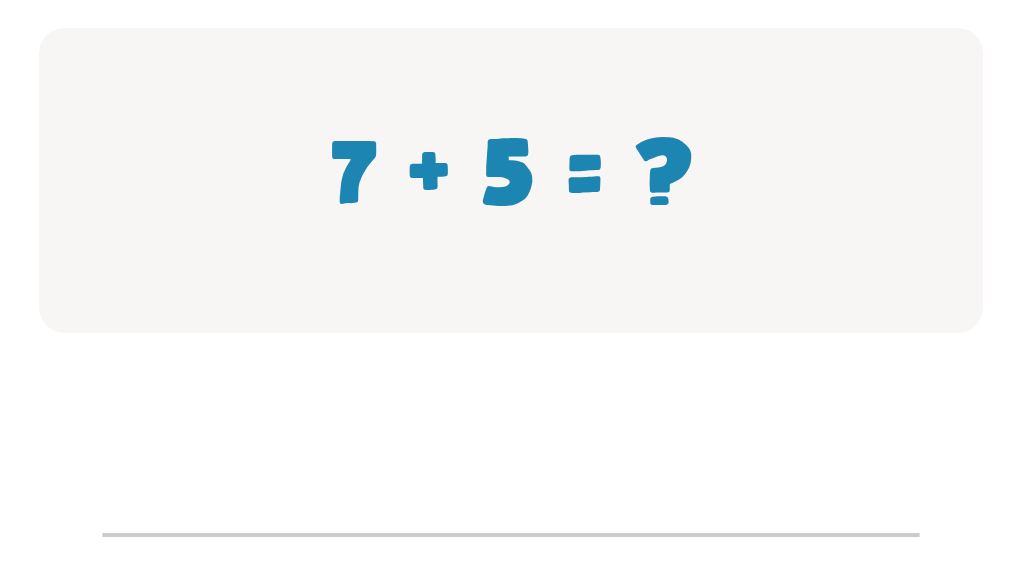
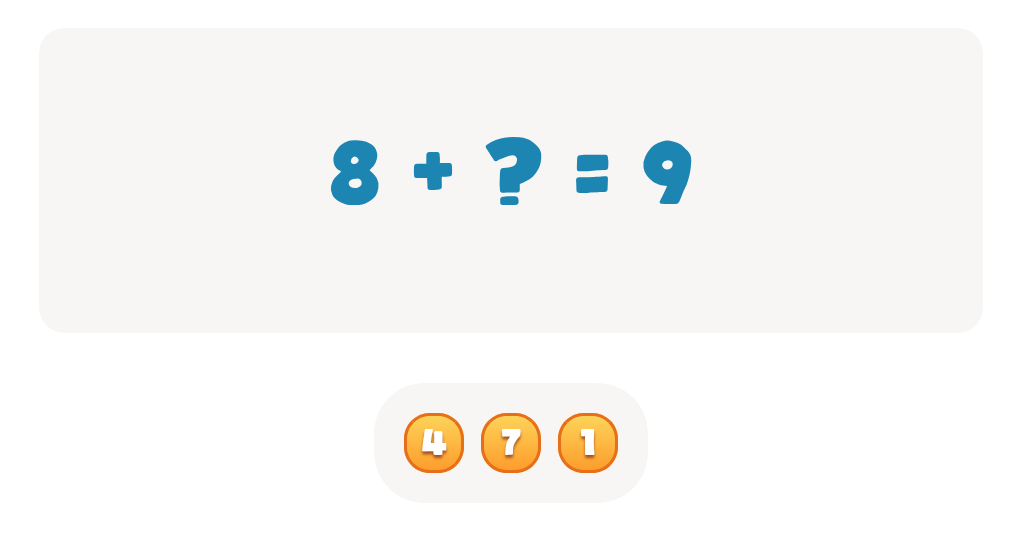
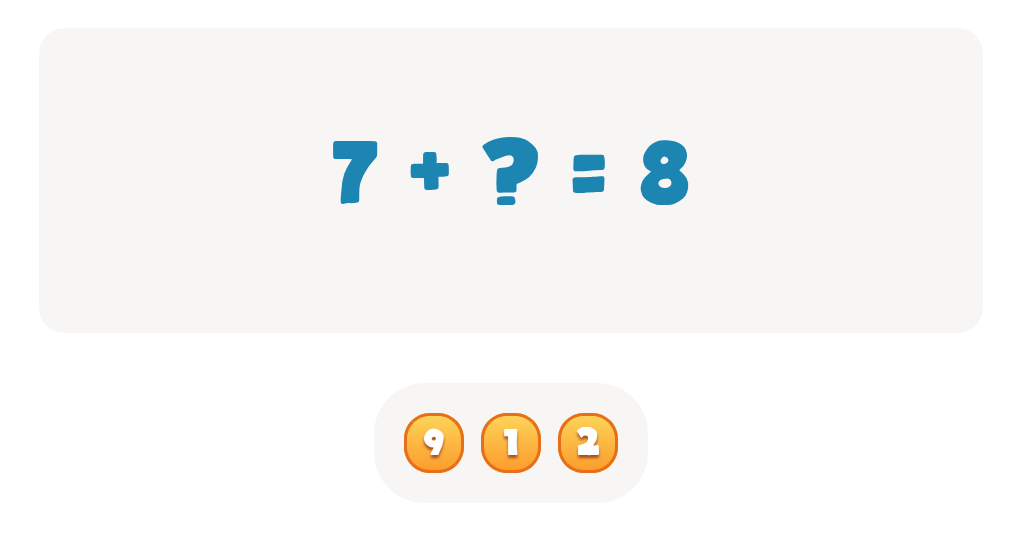
Turn Around Dominos Worksheet
Encourage your child to flex their mental muscles with this math worksheet. Look through the left side's dominos and their values and then check the three boxes on the right. Ask your child if any of the right box's dominos are similar. This requires focus and careful observation.
 Assign to My Students
Turn Around Dominos Worksheet
Worksheet
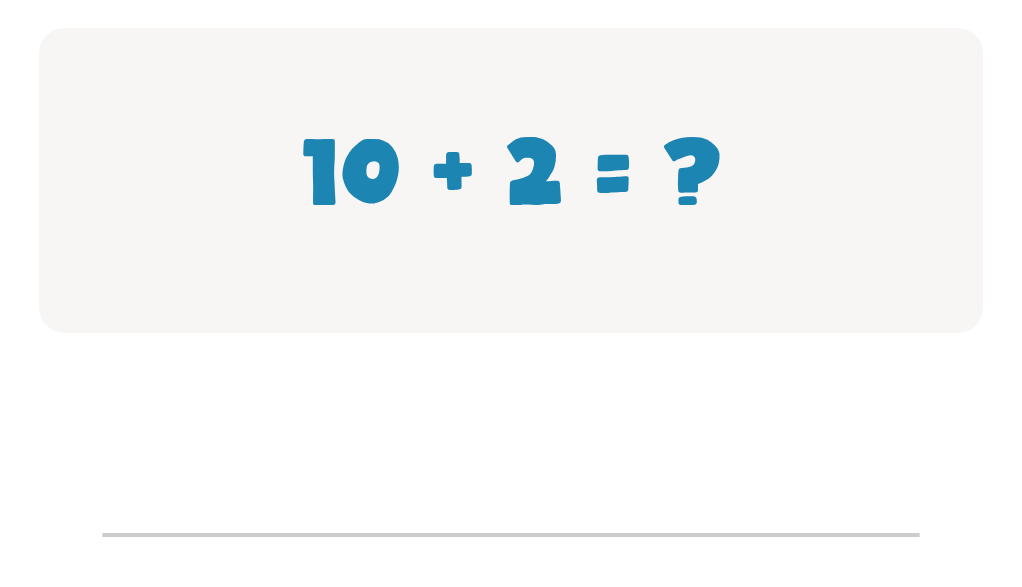

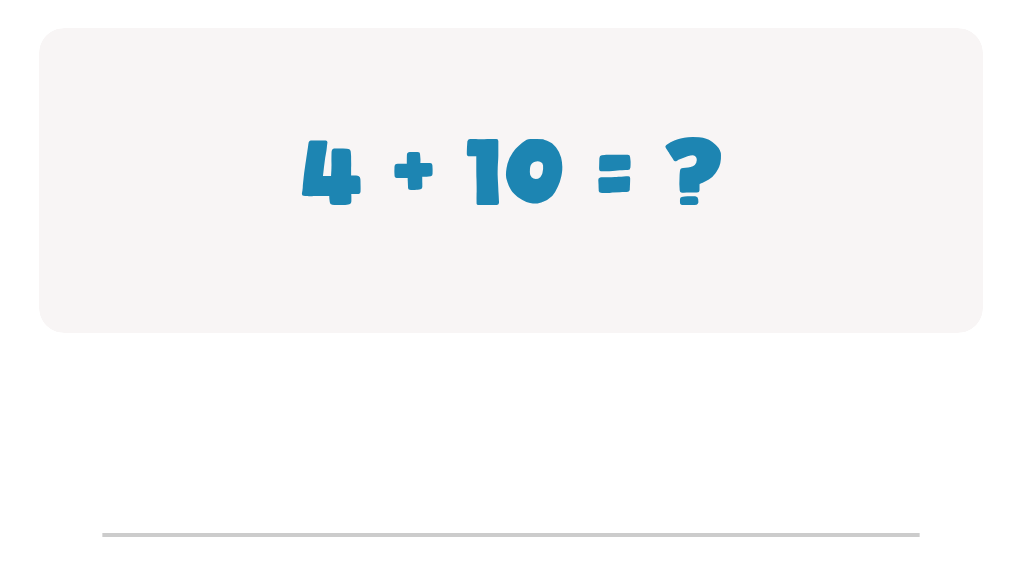
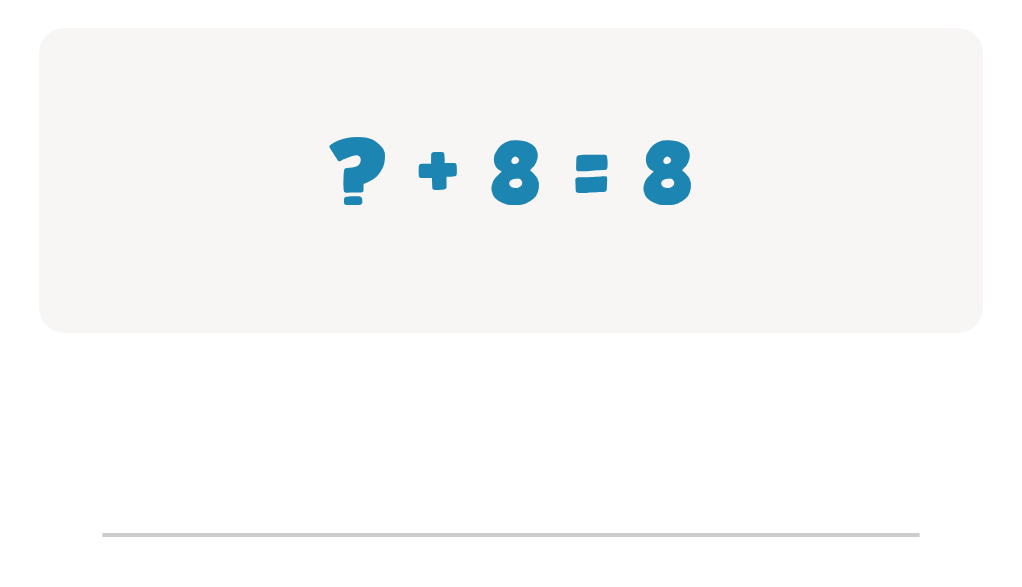

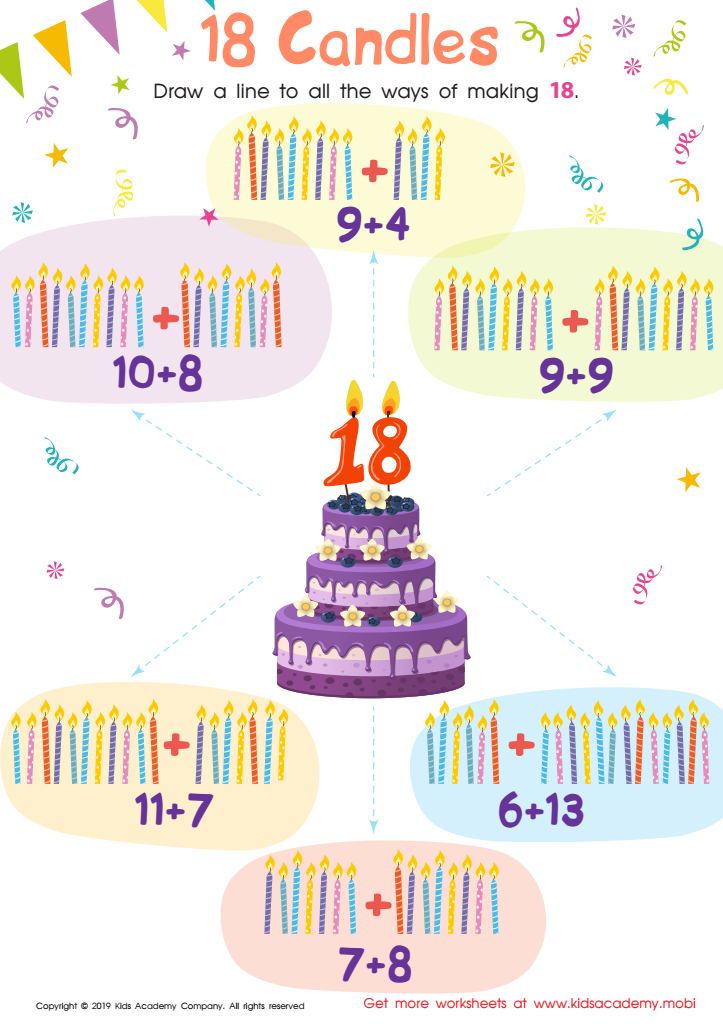
18 Candles Worksheet
This worksheet is great for introducing your students to addition and subtraction. Help your kids solve the simple equations on it and draw a line from the birthday cake with 18 on it to all the solutions. Practice like this will prepare them to tackle more complex math problems.
18 Candles Worksheet
Worksheet
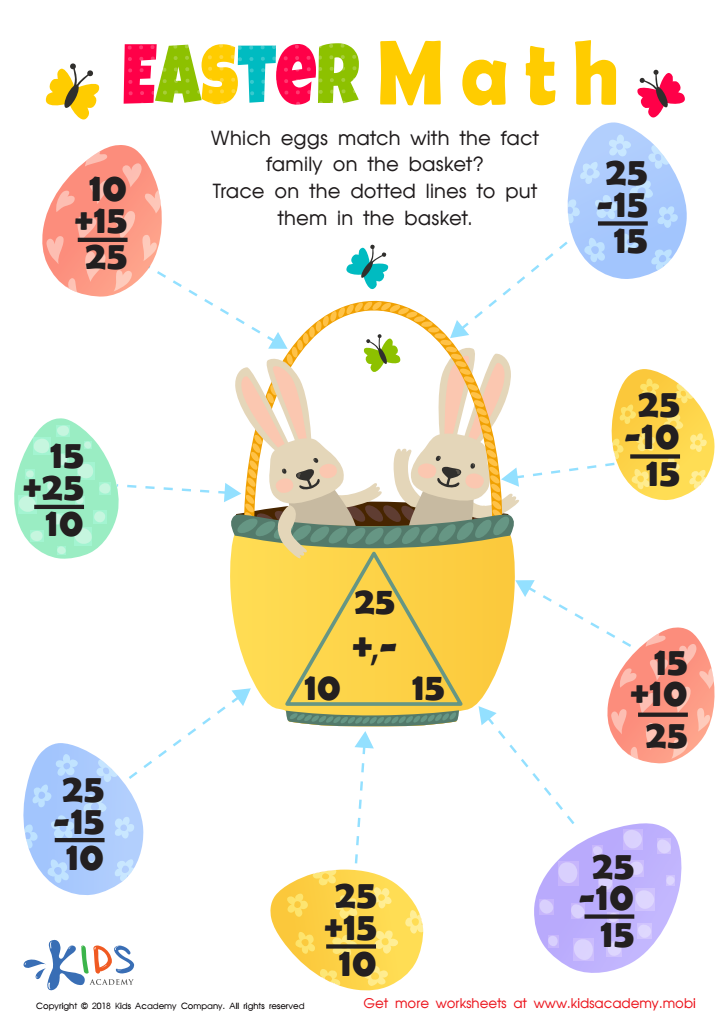
Fact Families: Easter Math Worksheet
Kids will love this vibrant PDF packed with Easter math fun! Match facts with the colorful eggs, add and subtract multiples of five to boost automaticity, and have a blast with the bunny friends!
Fact Families: Easter Math Worksheet
Worksheet
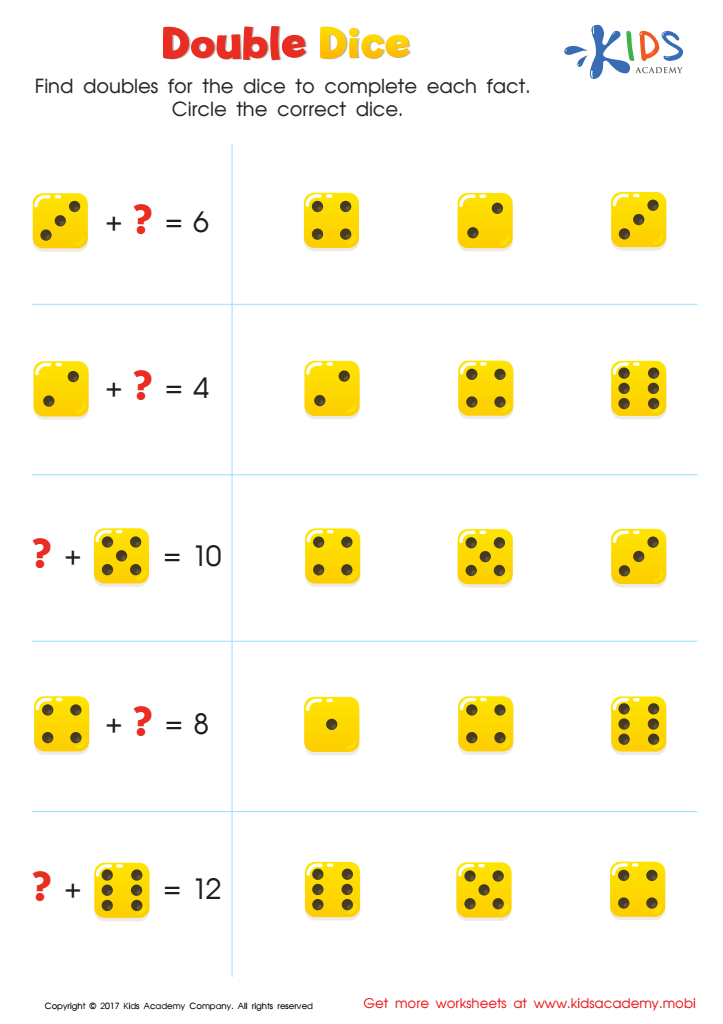
Addition Facts: Double Dice Worksheet
Are you looking for ways to make maths more engaging for kids? Maths can be a bore, but by teaching kids from an early age that it can be fun, they won't struggle with it. This worksheet is a great way to start: your child needs to identify the number on the left dice and find its double on the right. The sum of the two dice is also given.
Addition Facts: Double Dice Worksheet
Worksheet
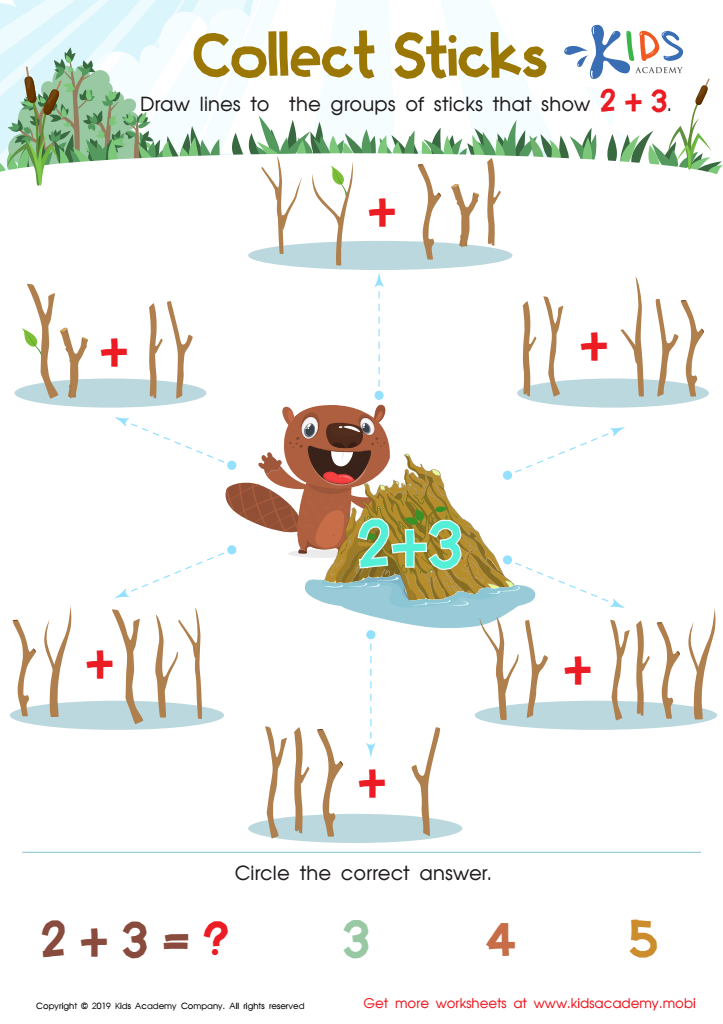
Collect Sticks Worksheet
Let math be fun for your kids with a simple and colorful worksheet exercise. Addition and subtraction can be daunting, but you can make it enjoyable with exercises like this one. Get them to draw lines to the groups of sticks that show 2+3 and watch them light up.
Collect Sticks Worksheet
Worksheet
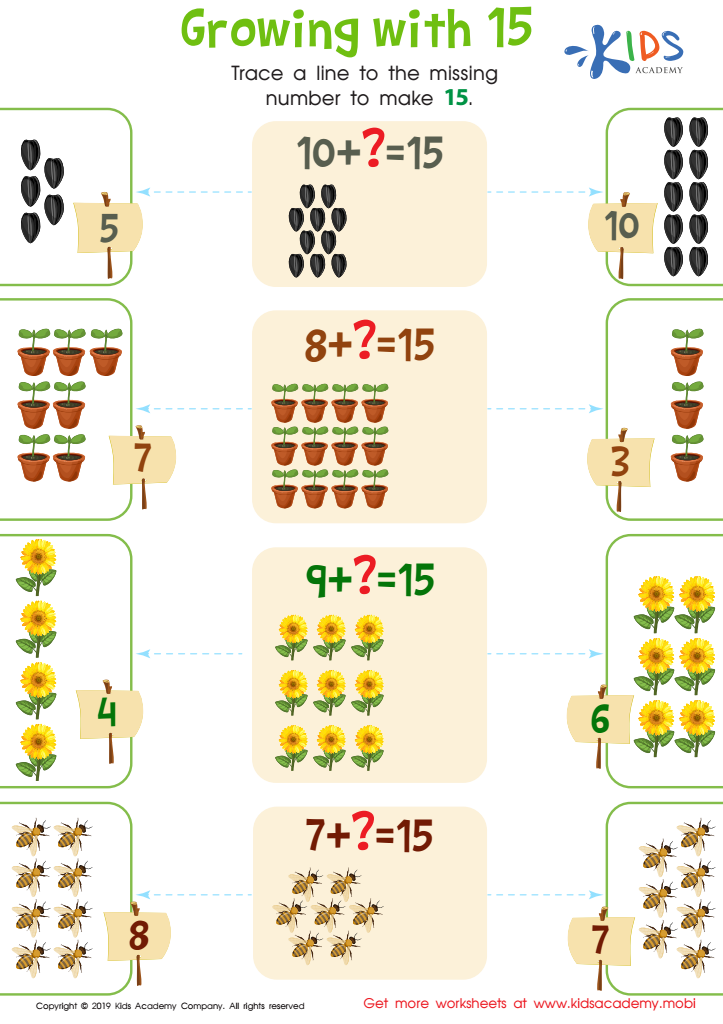
Growing with 15 Worksheet
Remind your kids that adding different sets of numbers can give the same total (e.g. 2+3=5, 4+1=5). Test their understanding by asking them for more examples. Move onto the worksheet: count objects, then trace the line to the number making a total of 15.
Growing with 15 Worksheet
Worksheet
Join Kids Academy for Free
Who is primarily going to use this learning content?








Number recognition and basic addition facts are foundational skills in mathematics for children ages 5-9. Understanding numbers lays the groundwork for success in more advanced mathematical concepts. As young learners begin to recognize numbers, they gain confidence, which boosts their overall learning and cognitive development.
Parents and teachers play a crucial role in reinforcing these skills. Mastery of addition facts, such as sums up to 10 or 20, enables children to tackle more complex problems with ease, promoting analytical thinking. Additionally, these skills are essential not just for mathematics, but also for real-life situations, such as budgeting and time management. When children can recall addition facts fluently, they are better equipped to engage in more complicated mathematical operations and are less likely to develop math anxiety.
Furthermore, early mastery of these concepts fosters a positive attitude toward math, making future learning experiences enjoyable rather than daunting. Supporting children in achieving number recognition and addition fact fluency allows parents and teachers to equip students with the tools necessary for academic success and lifelong learning. Thus, early intervention and encouragement in these essential skills are critical for helping children reach their full potential.








