Critical Thinking Normal Addition & Subtraction Worksheets for Ages 5-9
6 filtered results
-
From - To
Elevate your child’s learning experience with our "Critical Thinking Normal Addition & Subtraction Worksheets" designed for ages 5-9! Tailored to enhance essential math skills, these worksheets combine engaging exercises with critical thinking challenges. Each activity stimulates children's problem-solving abilities, ensuring they build strong foundations in addition and subtraction. Perfect for both classroom and home use, our worksheets integrate enjoyable and educational elements to keep young learners motivated and focused. Empower your child’s academic journey and inspire a love for math through innovative and thoughtful practice with Kids Academy's expertly crafted resources!
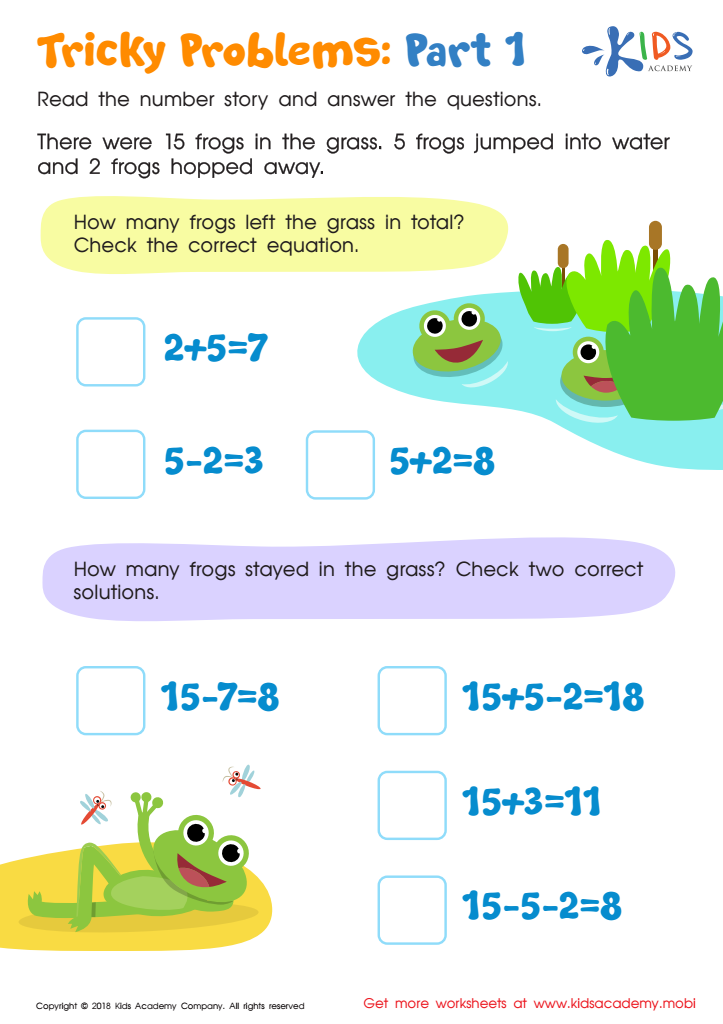
Tricky Problems Worksheet: Part 1
 Assign to My Students
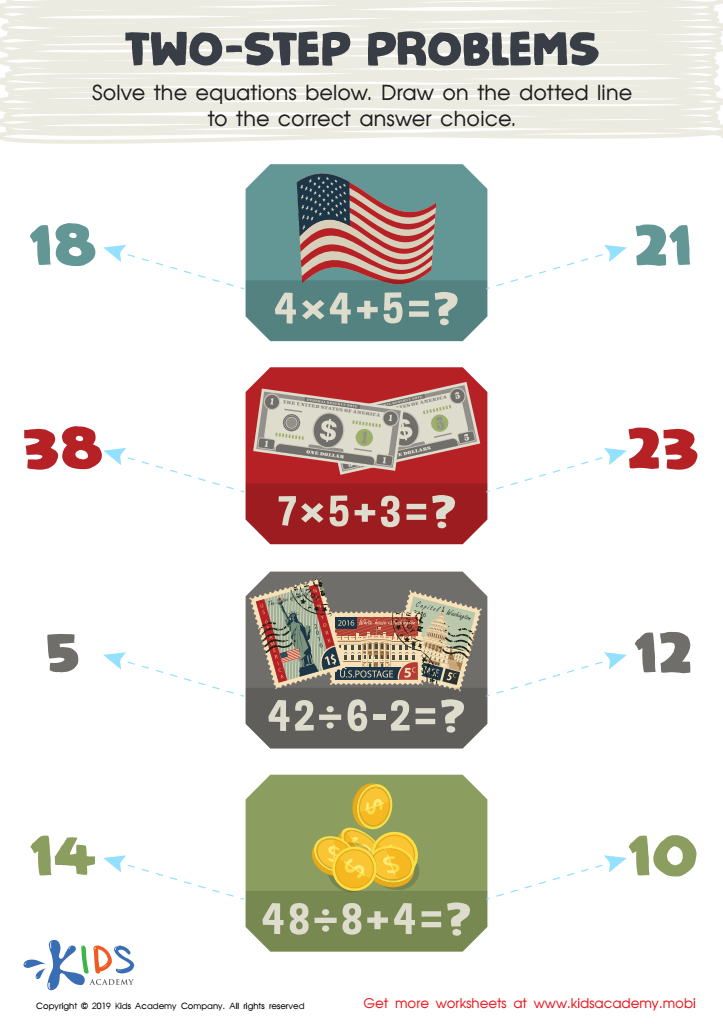
Two-Step Problems Worksheet
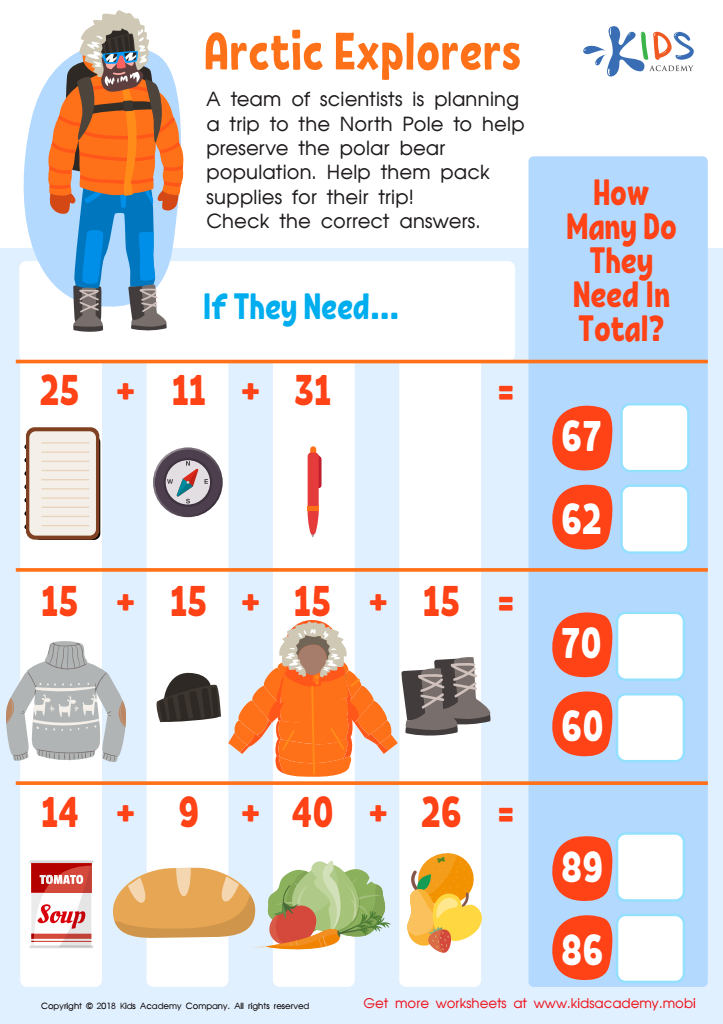
Arctic Explorers Worksheet
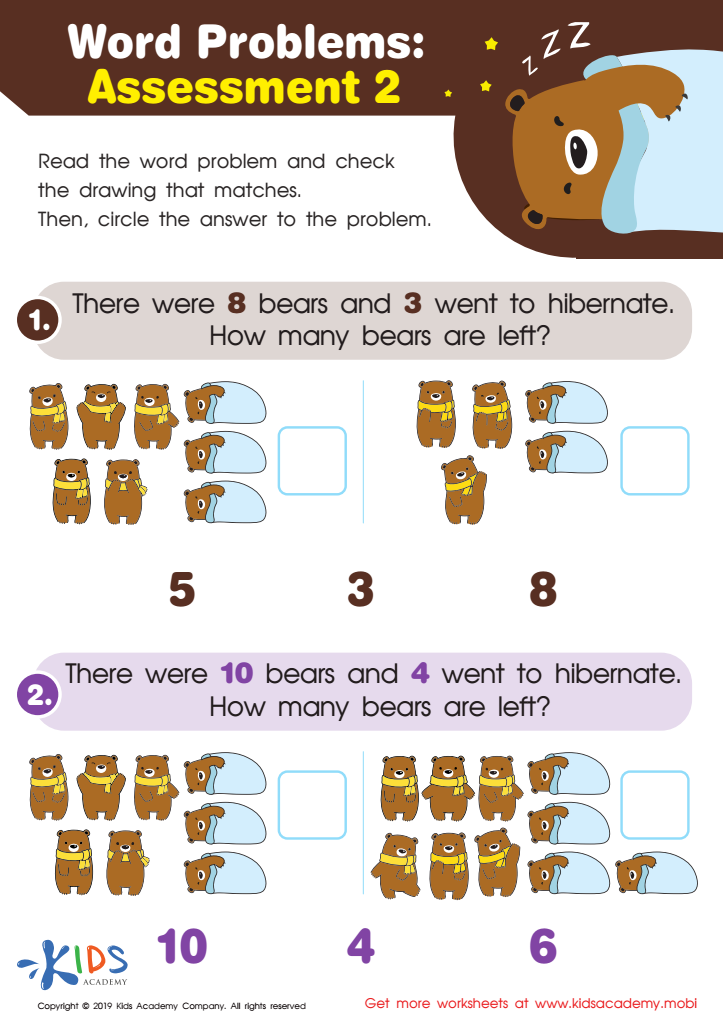
Word Problems: Assessment 2 Worksheet
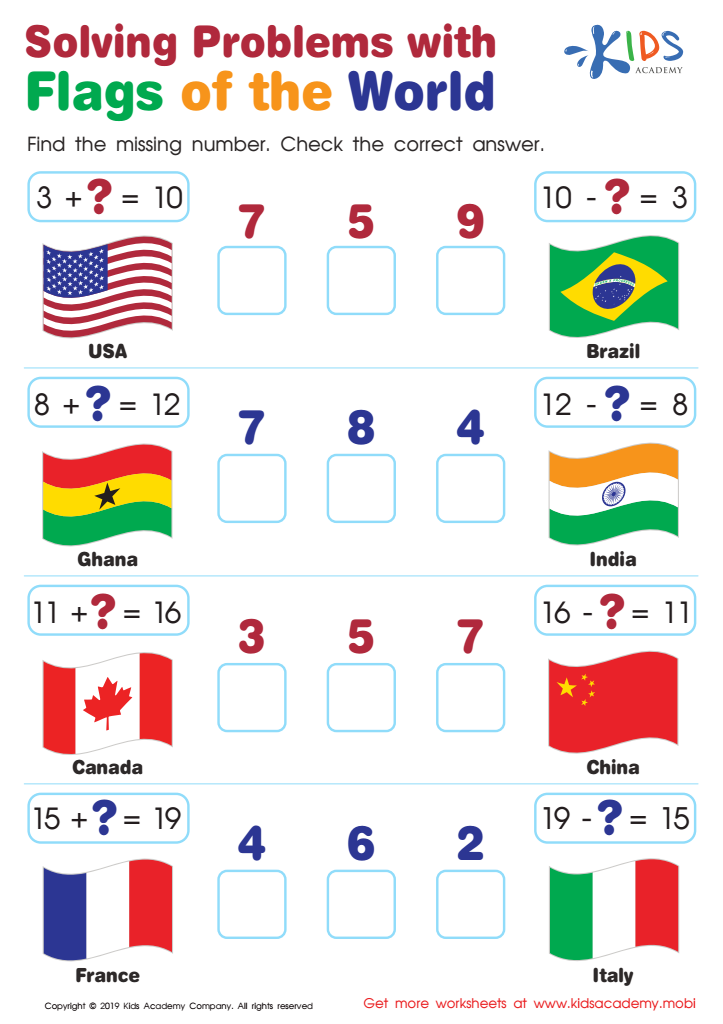
Solving Problems with Flags of the World Worksheet
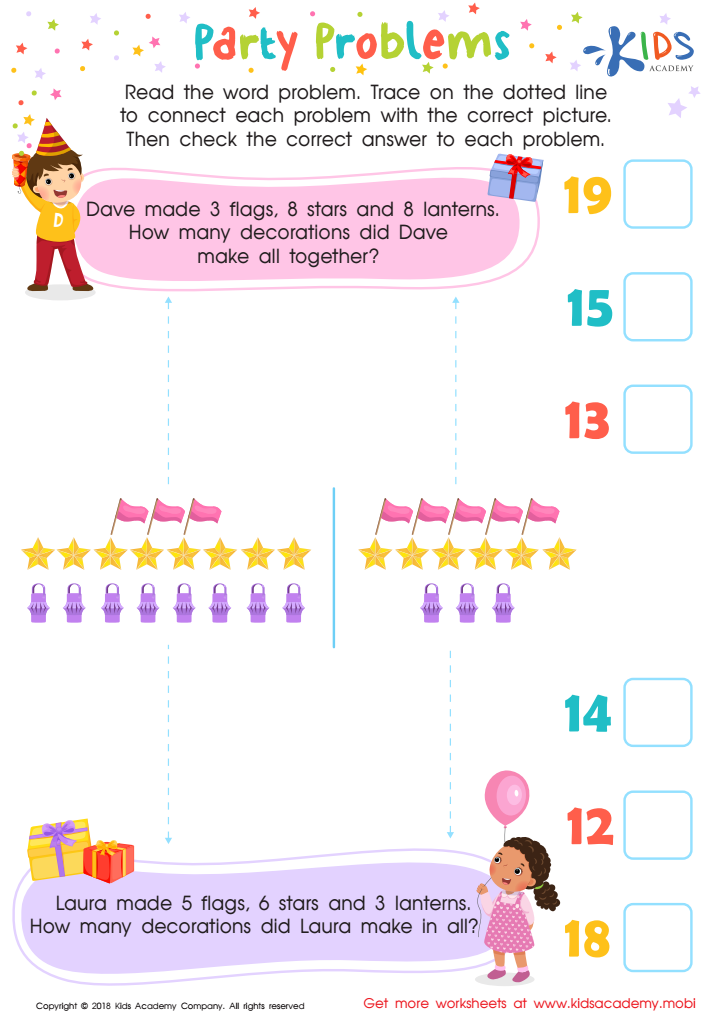
Party Problems Worksheet








Parents and teachers should prioritize the development of critical thinking skills, especially within the realm of normal addition and subtraction for children ages 5-9, as it establishes a crucial foundation for advanced learning and problem-solving competencies. For young learners, critical thinking in math goes beyond simply learning to add or subtract; it involves understanding concepts, recognizing patterns, and developing strategies to reach solutions. When children engage in activities that require them to think critically about mathematical problems, they learn to analyze information, make reasoned decisions, and understand the 'why' behind the methods, rather than just memorizing procedures.
Integrating critical thinking into math education at an early age helps students develop confidence in their reasoning abilities and fosters a growth mindset. This nurtures resilience and persistence, as students learn how to tackle challenges from different angles and refine their approaches based on trial and error. Such skills are transferable to all areas of life, enabling children to navigate academic pursuits and real-world problems with a critical and analytical approach. Furthermore, it prepares them for future educational demands that require higher-order thinking skills. Ensuring children cultivate these abilities early on provides them with a valuable toolkit for lifelong learning and success in an increasingly complex world.








