Basic Math Skills Normal Geometry Worksheets for Ages 5-9
6 filtered results
-
From - To
Introducing our Basic Math Skills Normal Geometry Worksheets for Ages 5-9. These engaging, printable activities are designed to develop essential geometry skills in young learners. Tailored to suit children from kindergarten to grade 3, the worksheets are packed with fun exercises that teach shape recognition, spatial reasoning, symmetry, and patterning. Nurture your child's mathematical growth and critical thinking ability with vivid illustrations and interactive tasks. Ideal for classroom use or additional home practice, our worksheets promote a solid foundation in geometry, ensuring your child’s academic success in a fun and engaging way. دعمهمAJOR الحصولtheir educationalstim goalsวันนี้
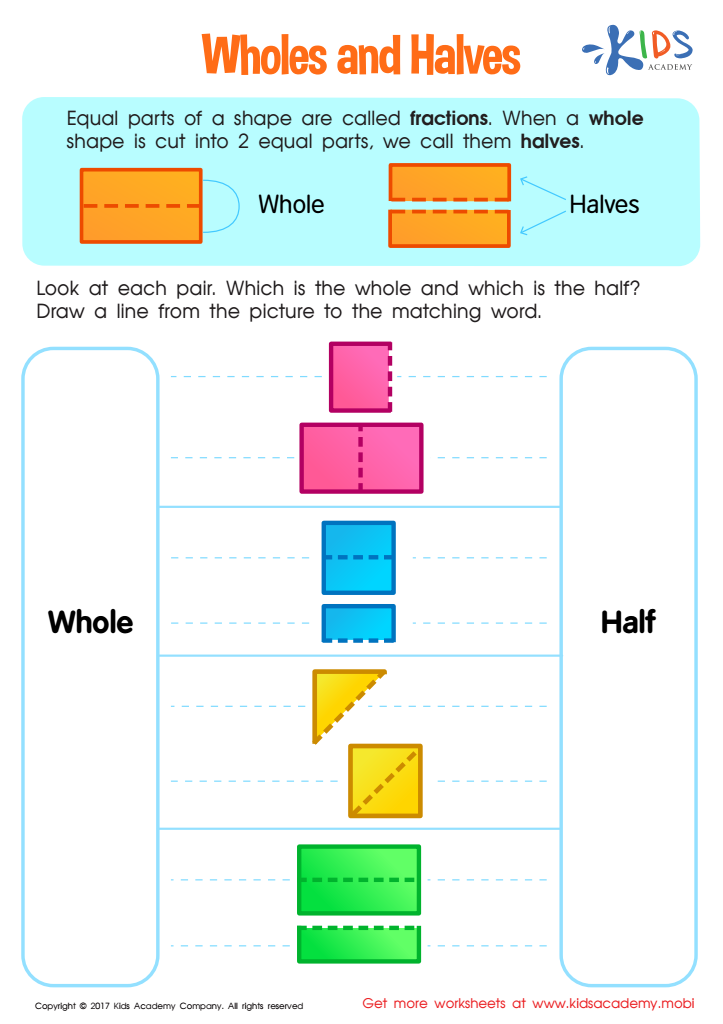
Wholes and Halves Worksheet
 Assign to My Students











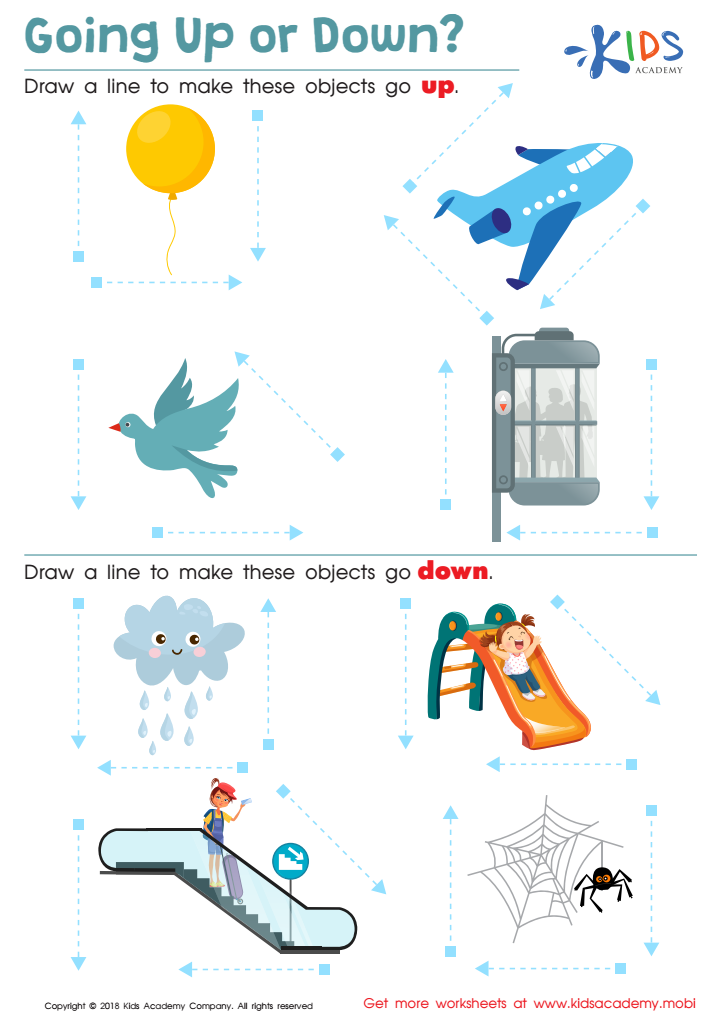
Going up or Down? Worksheet
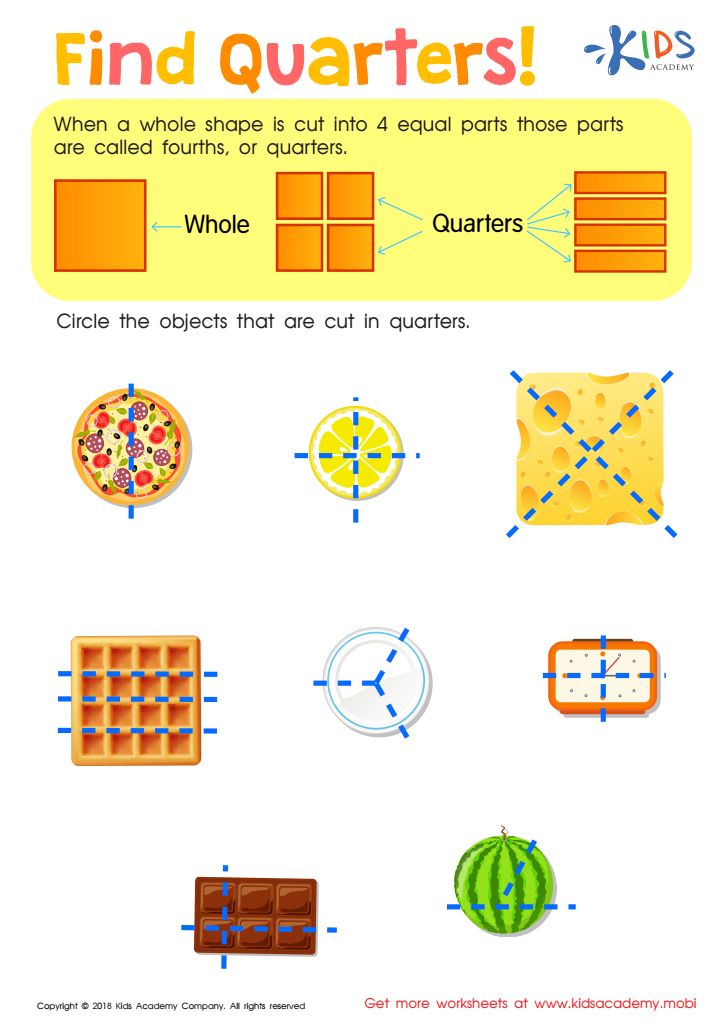
Find Quarters Worksheet
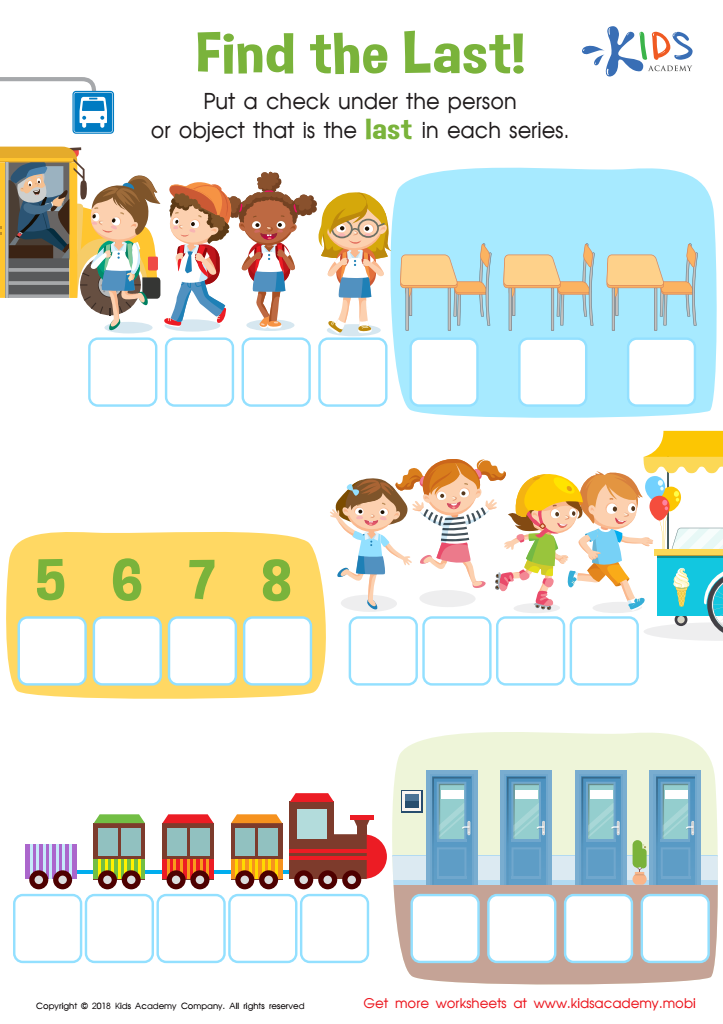
Find the Last! Worksheet
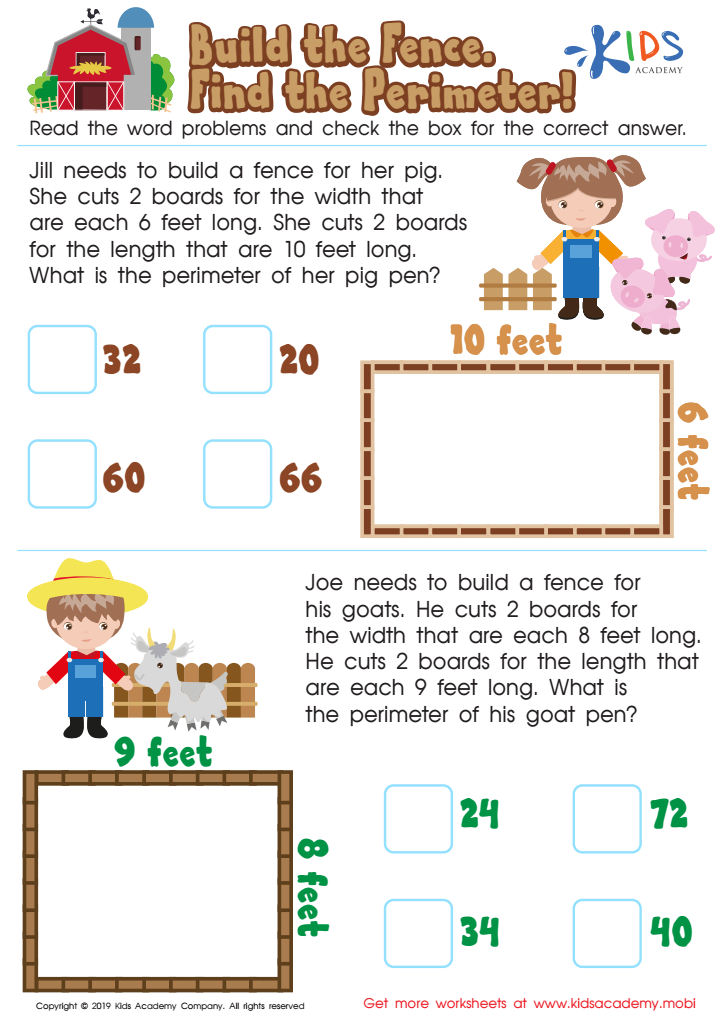
Build the Fence, Find the Perimeter Worksheet
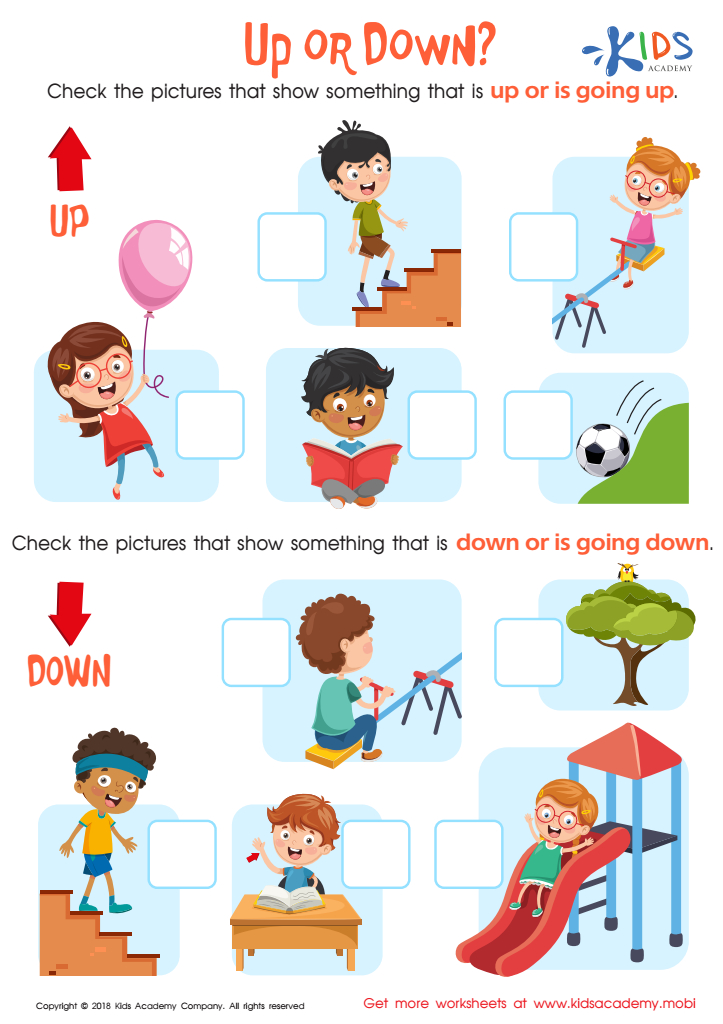
Up or Down Worksheet








Basic math skills form the foundation for future learning and are essential for a child's academic and everyday life. For ages 5-9, normal geometry is a key area of math that supports cognitive development and problem-solving abilities. Understanding geometric concepts such as shapes, sizes, patterns, and spatial relationships enhances a child’s capacity to think logically and reason about space.
When parents and teachers emphasize basic geometry, children gain skills that are crucial for more complex mathematical understanding. Recognizing shapes and their properties, for instance, directly correlates with skills needed for learning algebra and calculus later. Geometry also serves as a practical tool, aiding children in comprehending the physical world around them. From understanding how pieces of a puzzle fit together to organizing space by knowing spatial relationships, geometry plays a vital role in day-to-day activities.
Furthermore, exposure to basic geometric concepts promotes visual and tactile learning experiences. Using physical objects and drawing to visualize problems can make understanding more concrete and enjoyable for young learners. Developing these skills early on builds confidence, encourages a positive attitude towards math, and lays the groundwork for success in various academic disciplines. Therefore, parents and teachers should prioritize nurturing these competencies to support a child's comprehensive development.








