Basic Mathematics Normal Math Worksheets for Ages 5-9
5 filtered results
-
From - To
Discover our Basic Mathematics Normal Math Worksheets designed specifically for children aged 5-9. These engaging, user-friendly worksheets are perfect for reinforcing essential math skills such as addition, subtraction, counting, and number recognition. Each worksheet is crafted to cater to different learning levels, ensuring that every child can practice at their own pace. With colorful, interactive designs, our materials make learning math fun and enjoyable. Parents and educators will appreciate the ease of use and ability to track progress, enabling children to build a strong foundation in mathematics. Start your child's math journey today with our comprehensive collection of printable worksheets!
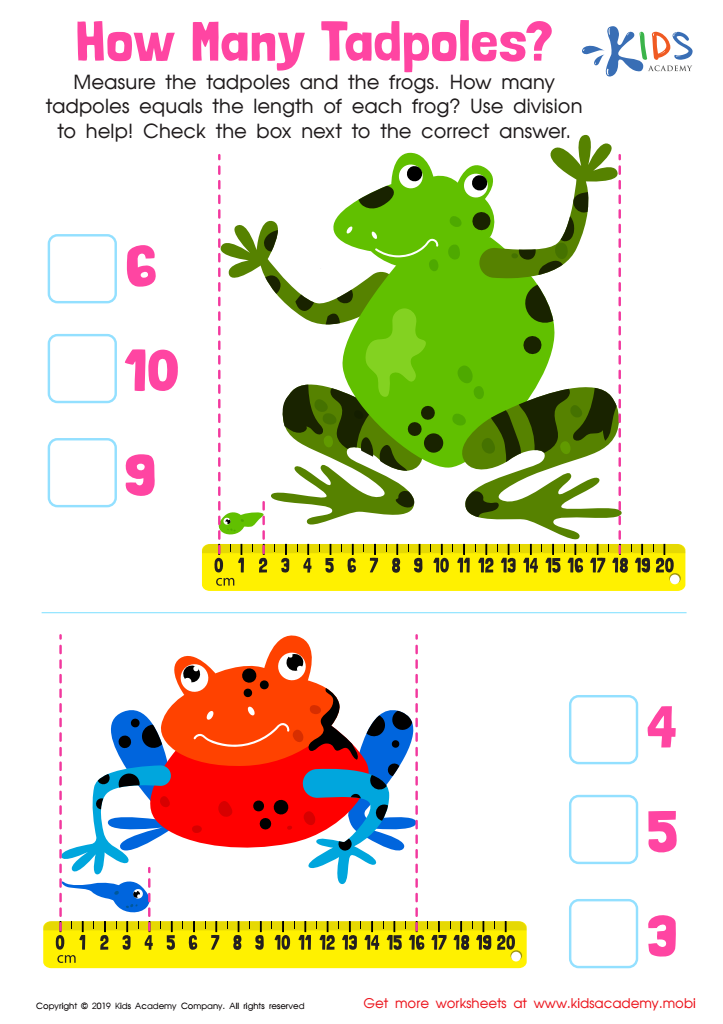
How Many Tadpoles Worksheet
 Assign to My Students
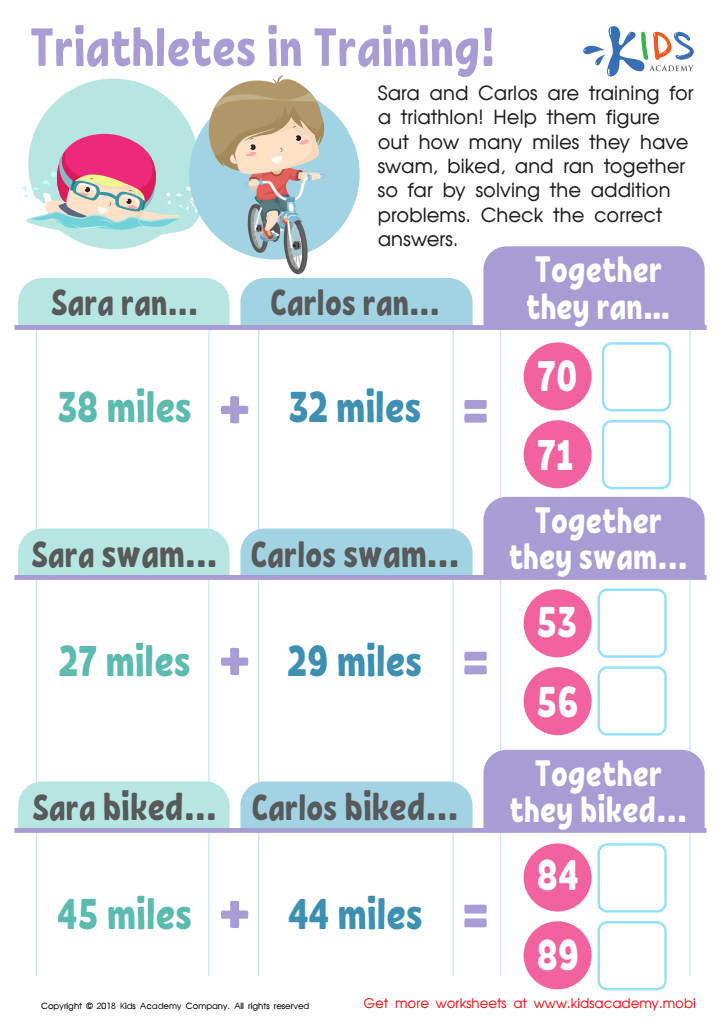
Triathletes in Training Worksheet
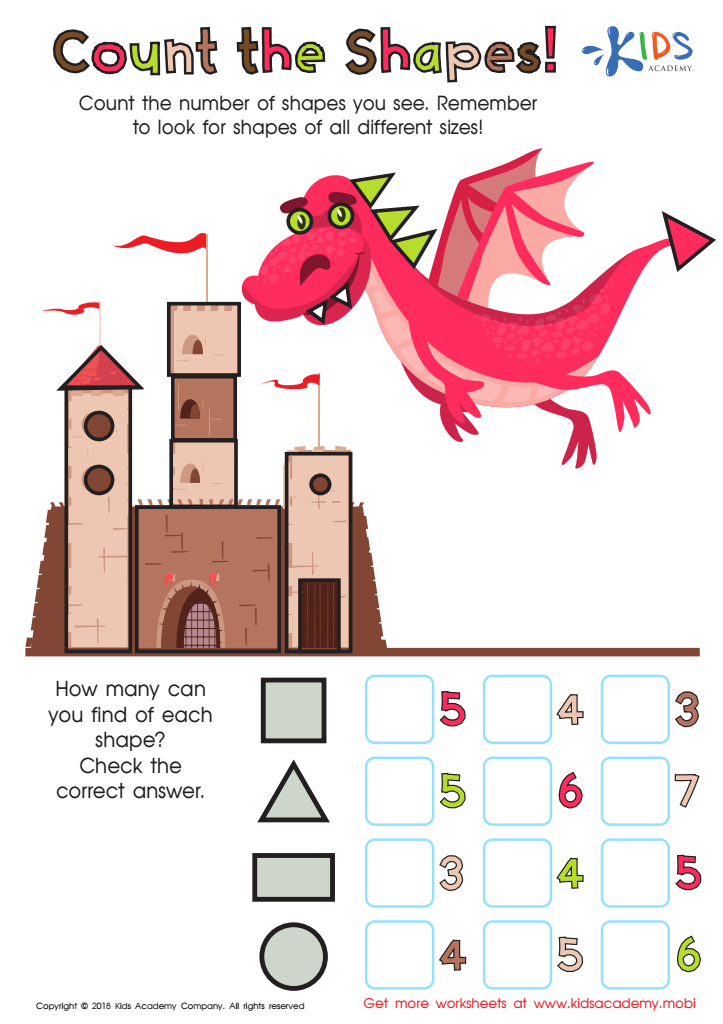
Count the Shapes Worksheet
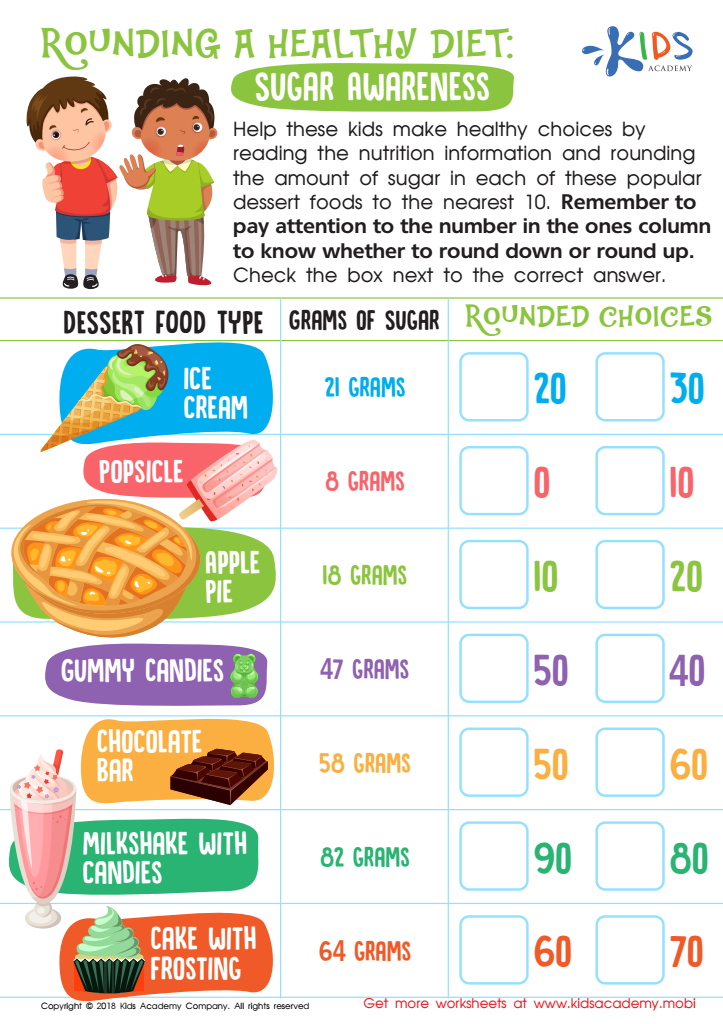
Rounding Healthy Diet Worksheet
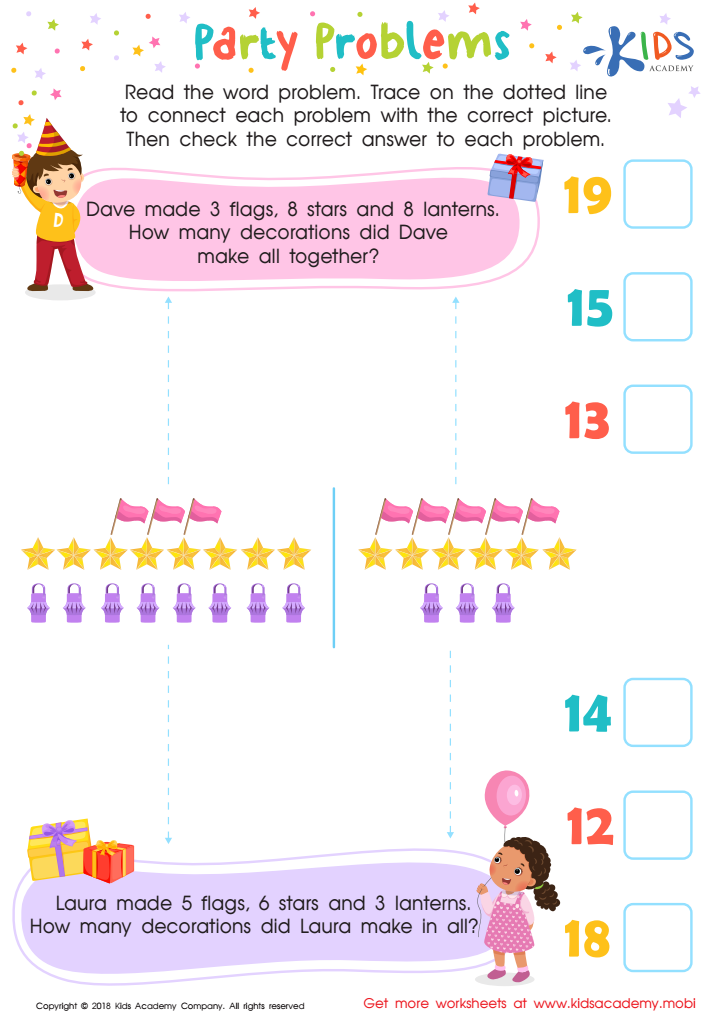
Party Problems Worksheet








Parents and teachers should care about teaching Basic Mathematics to children aged 5-9 because this foundational knowledge sets the stage for their future success in academics and everyday life. During this critical developmental period, children are naturally curious and eager to learn, making it an ideal time to introduce mathematical concepts. Understanding basic math fosters problem-solving skills and logical thinking, both essential skills that benefit academic performance across subjects.
Moreover, strong early math skills are closely linked to later achievements in mathematics and related fields, including science and technology. Research indicates that children who grasp basic math concepts early are more likely to excel in higher-level math as they progress through school.
Beyond academics, math is integral to everyday activities, such as budgeting, cooking, and measuring. By equipping children with basic math skills, parents and teachers enable them to navigate daily life with confidence, contributing to their overall independence and self-efficacy.
Additionally, engaging children in fun and interactive math activities fosters a positive attitude toward learning, reducing math anxiety in the future. Thus, prioritizing Basic Mathematics education during these formative years is pivotal for holistic development, laying a robust foundation for lifelong learning and problem-solving skills.








