Counting skills Normal Word Problems Worksheets for Ages 5-9
4 filtered results
-
From - To
Enhance your child's counting skills with our engaging Normal Word Problems Worksheets designed specifically for ages 5-9. These worksheets provide a fun and interactive way to practice counting through relatable, real-life scenarios. Each problem encourages critical thinking and problem-solving, helping young learners grasp essential math concepts while boosting their confidence. Tailored to align with early grade learning standards, our worksheets support independent learning at home or in the classroom. Whether your child is just starting to count or looking to refine their skills, these word problems will make math enjoyable and rewarding. Start counting with confidence today!
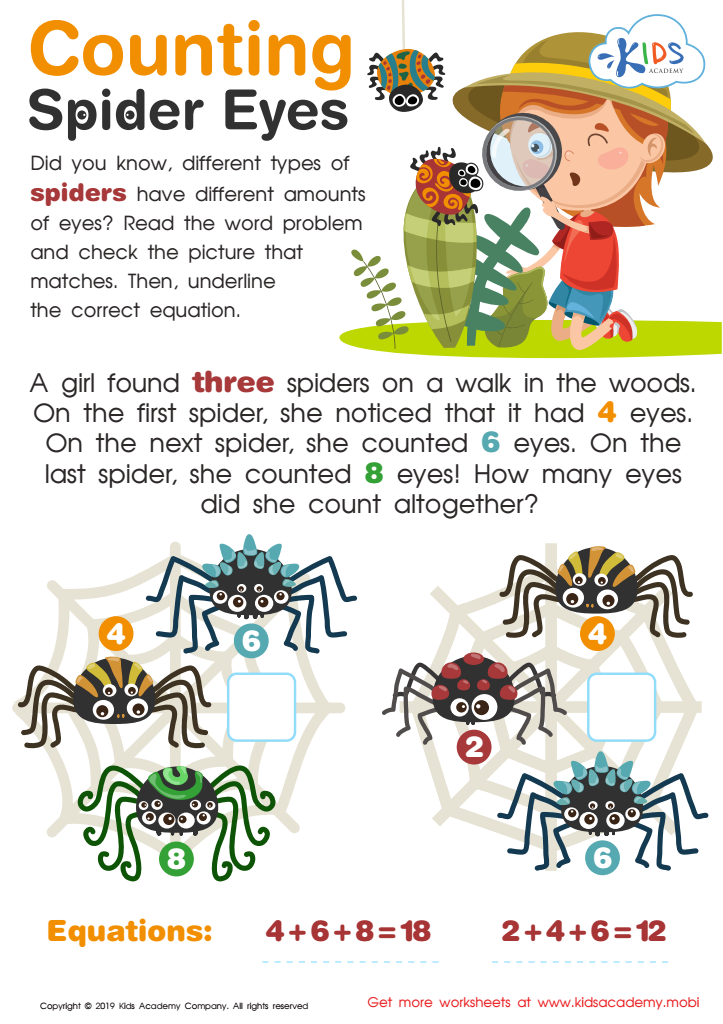
Counting Spider Eyes Worksheet
 Assign to My Students
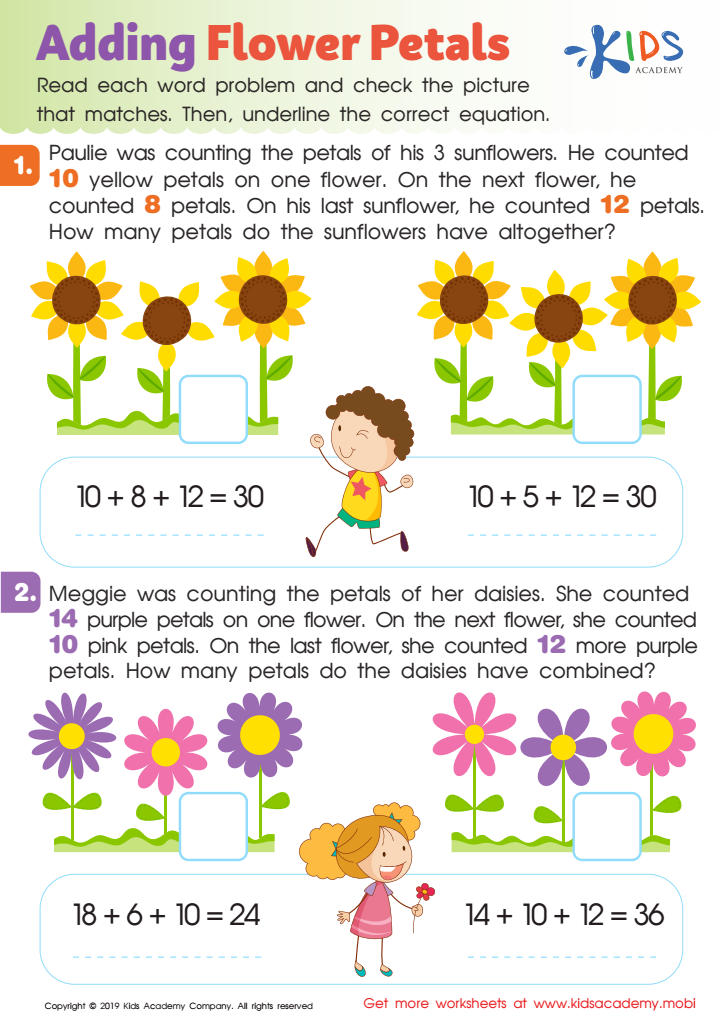
Adding Flower Petals Worksheet
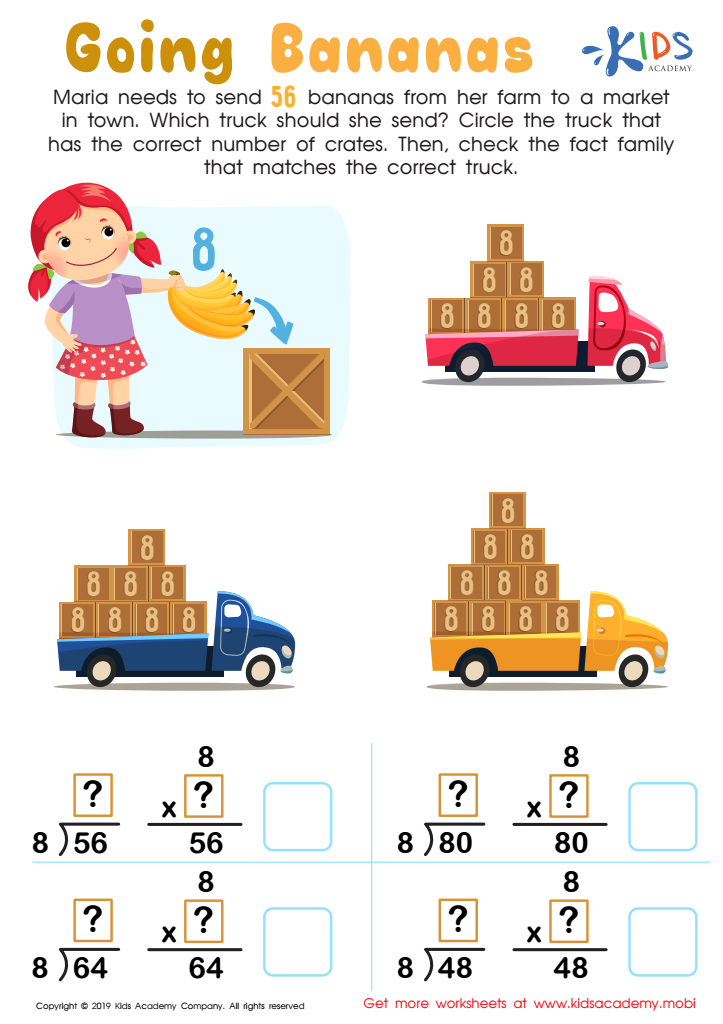
Going Bananas Worksheet
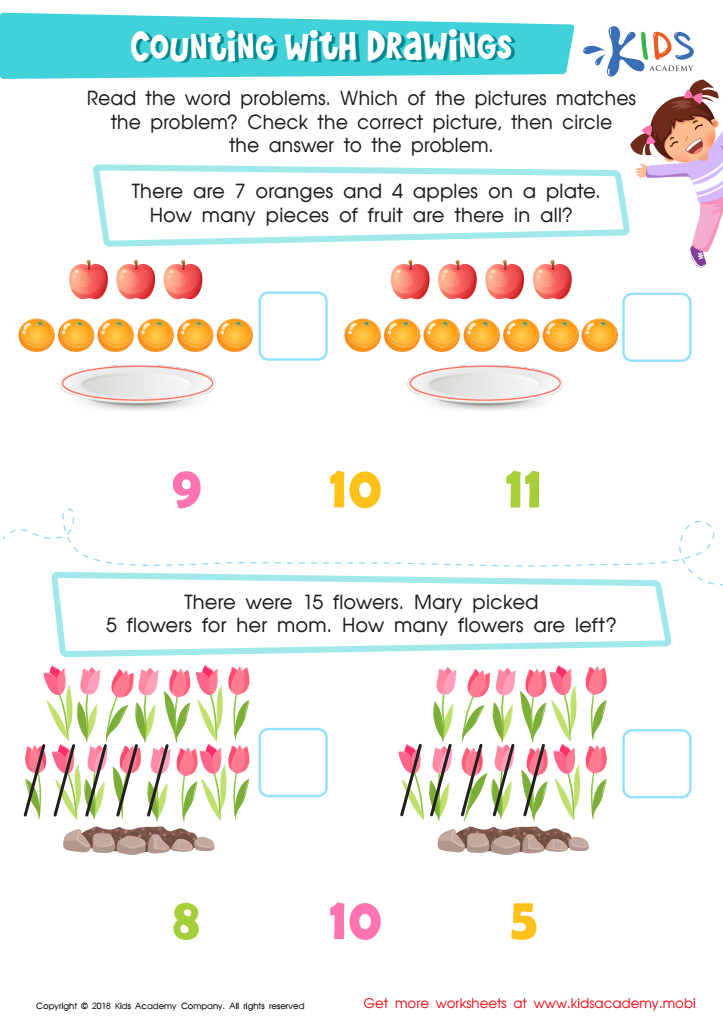
Counting with Drawings:Fruits & Flowers Worksheet





.jpg)

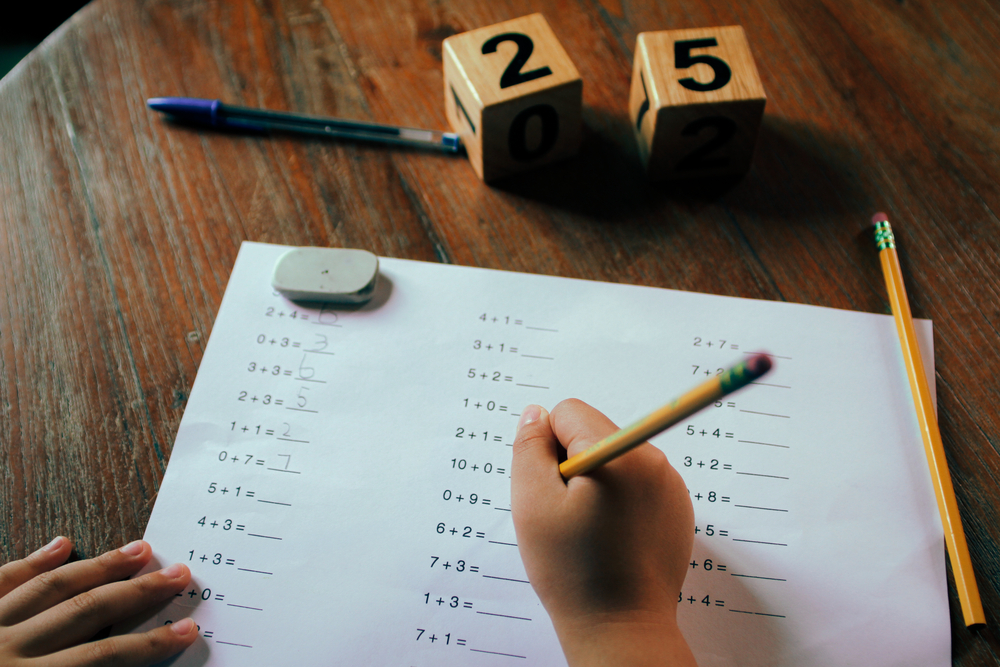
Counting skills and the ability to solve normal word problems are critical for children aged 5-9 as they form the foundation for mathematical understanding and cognitive development. At this age, children are not just learning how to count; they are also beginning to grasp the idea of quantity, comparison, and basic operations like addition and subtraction. Engaging with word problems helps children connect abstract numbers with real-life situations, thus improving their critical thinking, comprehension, and language skills.
When parents and teachers prioritize these skills, they enhance children’s problem-solving abilities and encourage a positive attitude towards mathematics. Mastering counting and word problems offers them the tools to approach mathematical challenges with confidence, setting them up for success in more advanced topics later in their education. Furthermore, these skills reinforce important life lessons related to decision-making and resource management, as children learn to analyze situations, identify relevant information, and calculate outcomes.
In summary, counting skills and the ability to work through word problems empower children to develop essential mathematical, analytical, and reasoning abilities. By nurturing these skills early on, parents and teachers are investing in their children's future educational achievements and lifelong learning.








