Number Recognition Normal Word Problems Worksheets for Ages 5-9
6 filtered results
-
From - To
Discover our engaging Number Recognition Normal Word Problems worksheets, designed specifically for children ages 5-9! These interactive resources focus on developing essential math skills through relatable scenarios, helping young learners identify and understand numbers in everyday contexts. Packed with fun and colorful illustrations, our worksheets encourage critical thinking and problem-solving abilities while reinforcing number recognition. Ideal for both classroom play and home practice, these activities support early math experiences while building confidence in young mathematicians. Explore a variety of challenges that cater to different skill levels, making learning both enjoyable and effective. Start enhancing your child’s number recognition today!
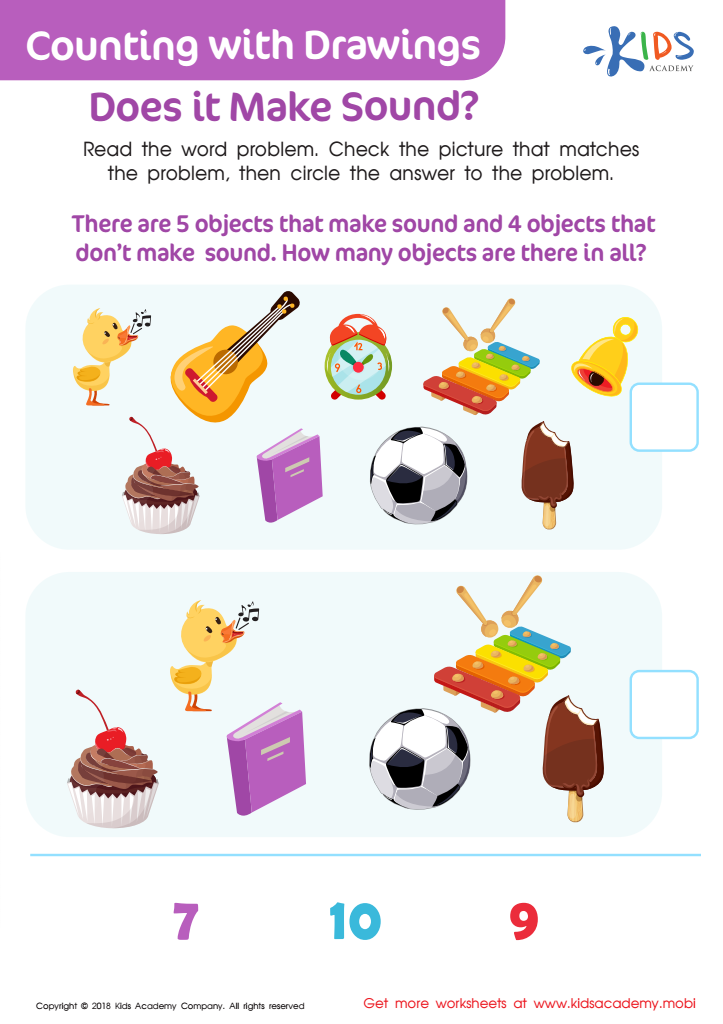
Counting With Drawings. Does It Make Sound? Worksheet
 Assign to My Students
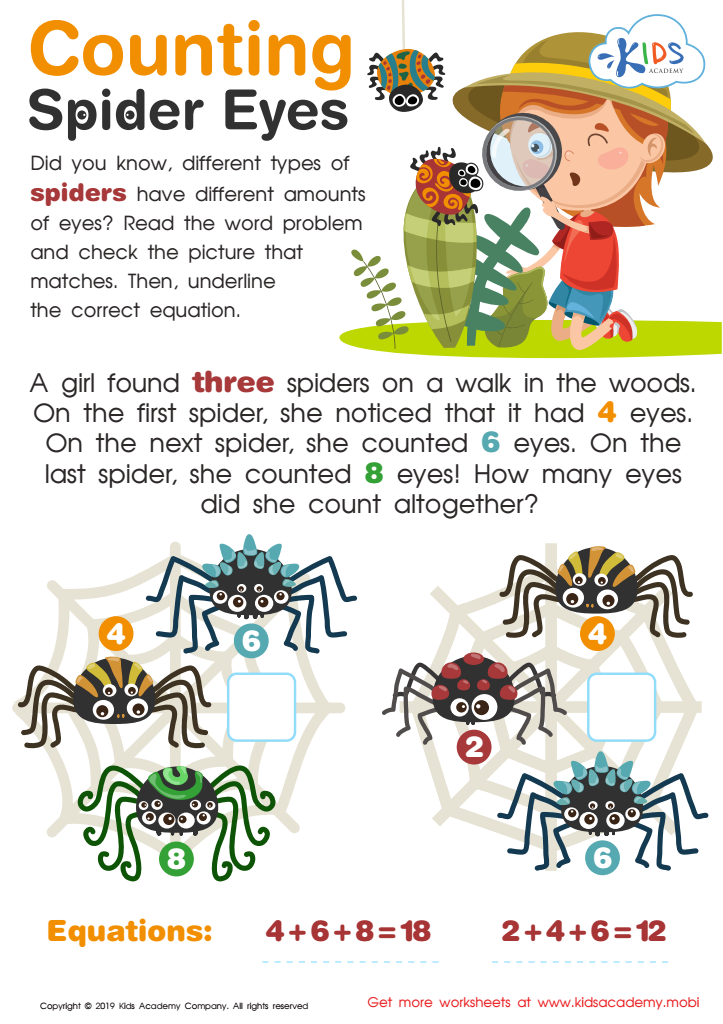
Counting Spider Eyes Worksheet
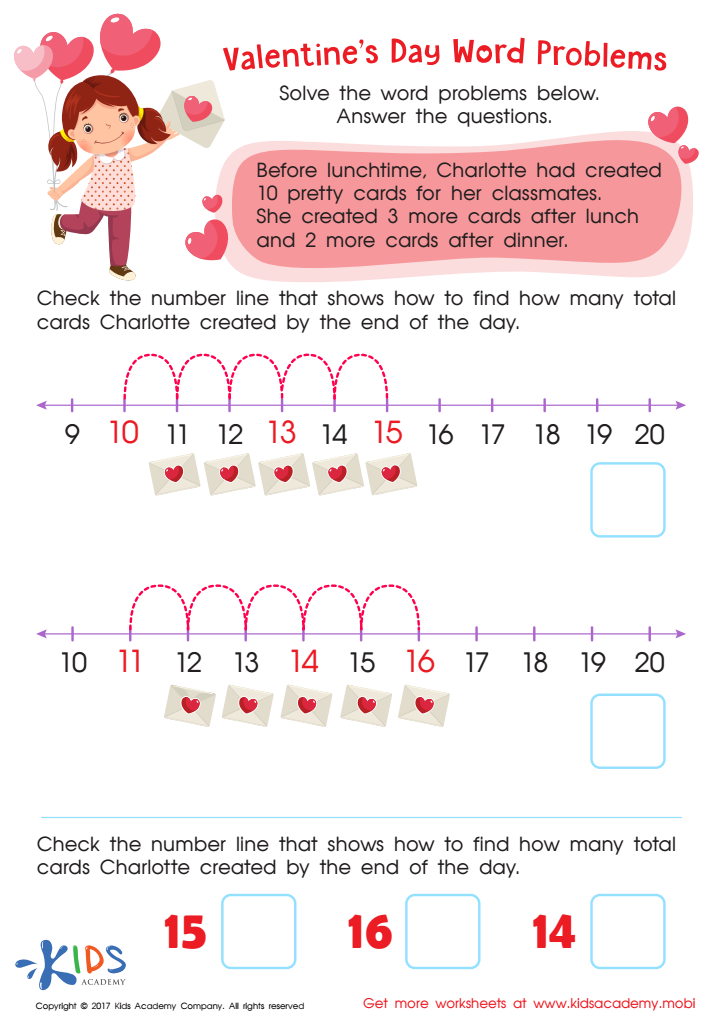
Valentines Day Word Problem Worksheet
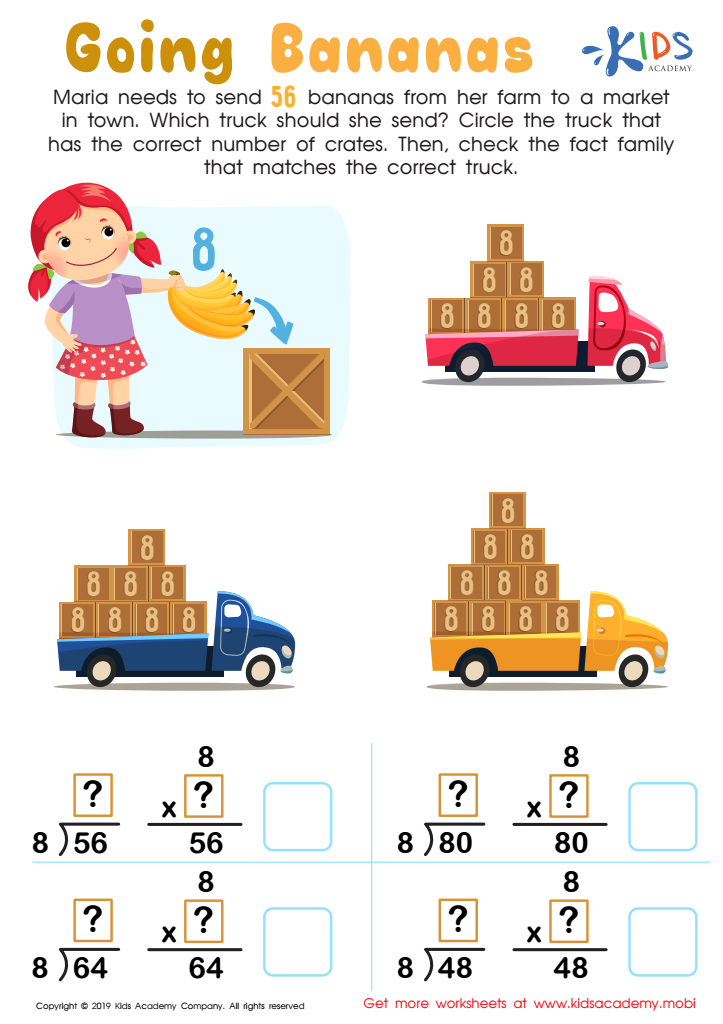
Going Bananas Worksheet
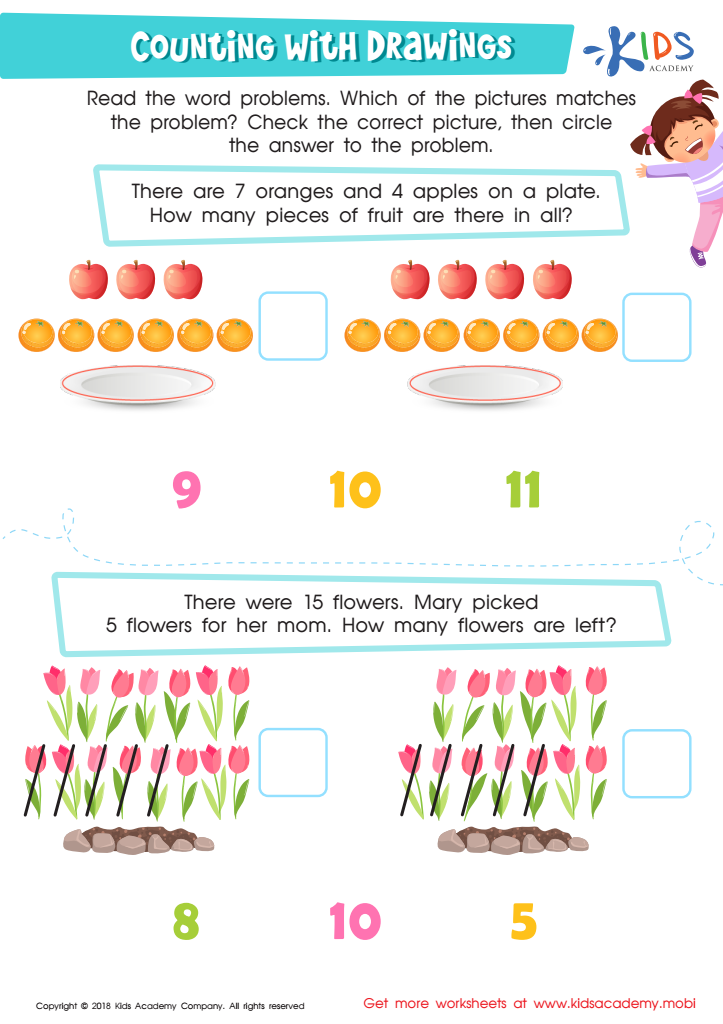
Counting with Drawings: Fruits & Chocolates Worksheet
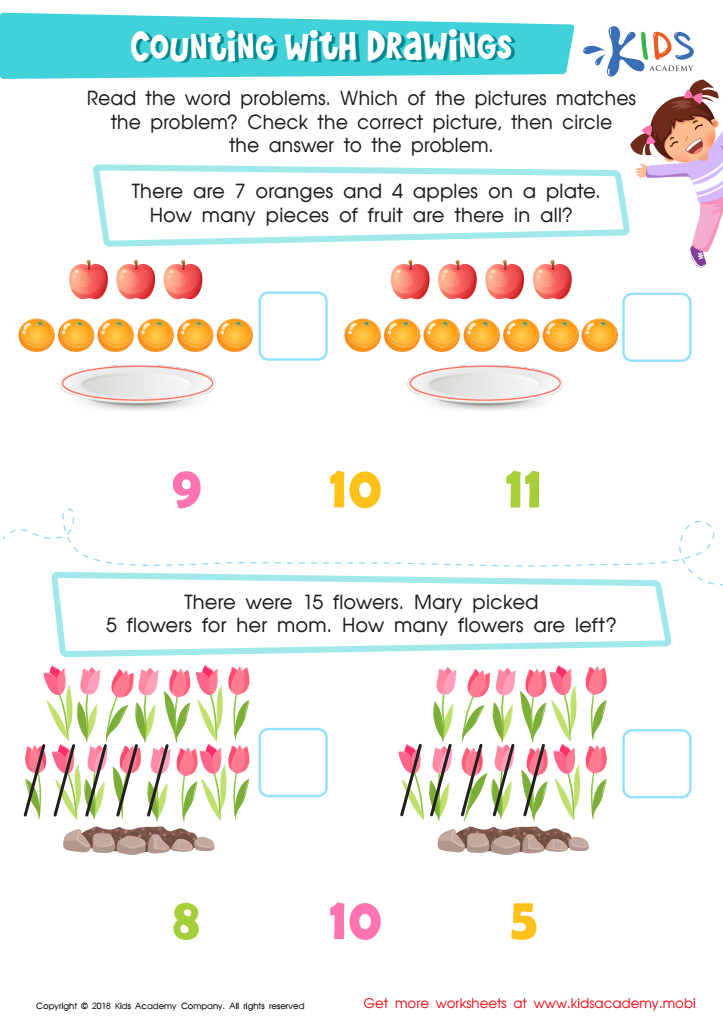
Counting with Drawings:Fruits & Flowers Worksheet








Number recognition is a fundamental skill that serves as the foundation for a child’s mathematical development. For learners aged 5 to 9, normal word problems cultivate critical thinking and comprehension skills essential in everyday life. These problems, which incorporate relatable contexts and scenarios, encourage children to process information, discern relevant information, and formulate solutions.
Parents and teachers should care about number recognition in word problems because it enhances cognitive abilities beyond mere calculation. When children engage with word problems, they practice converting verbal expressions into mathematical equations, fostering both language and numeracy skills. This dual focus aids in vocabulary development while solidifying an understanding of numbers and operations.
Additionally, number recognition within these problems helps to build resilience and problem-solving strategies. Children learn to approach challenges systematically, adapting their methods as situations evolve. This supports long-term academic success and promotes a positive attitude towards math.
Moreover, proficiency in solving number problems can inspire confidence, paving the way for greater engagement in math-related subjects. By prioritizing this skill, parents and teachers can empower children, equipping them with tools for effective reasoning and problem-solving applicable not just in academics, but throughout life.








