Logical Reasoning Normal Reading Worksheets for Ages 5-9
11 filtered results
-
From - To
Boost your child’s critical thinking with our Logical Reasoning Normal Reading Worksheets for ages 5-9. Designed to engage young minds, these printable worksheets help enhance reading comprehension and problem-solving skills through fun, interactive tasks. Kids will enjoy activities like sequencing, pattern recognition, and analytical puzzles that promote logical thinking. Perfect for at-home learning or classroom use, these resources support foundational learning while providing parents and teachers with tools to track progress. Make learning an exciting adventure with our expertly crafted worksheets, tailored to develop essential cognitive abilities in children ages 5-9. Explore and download now!
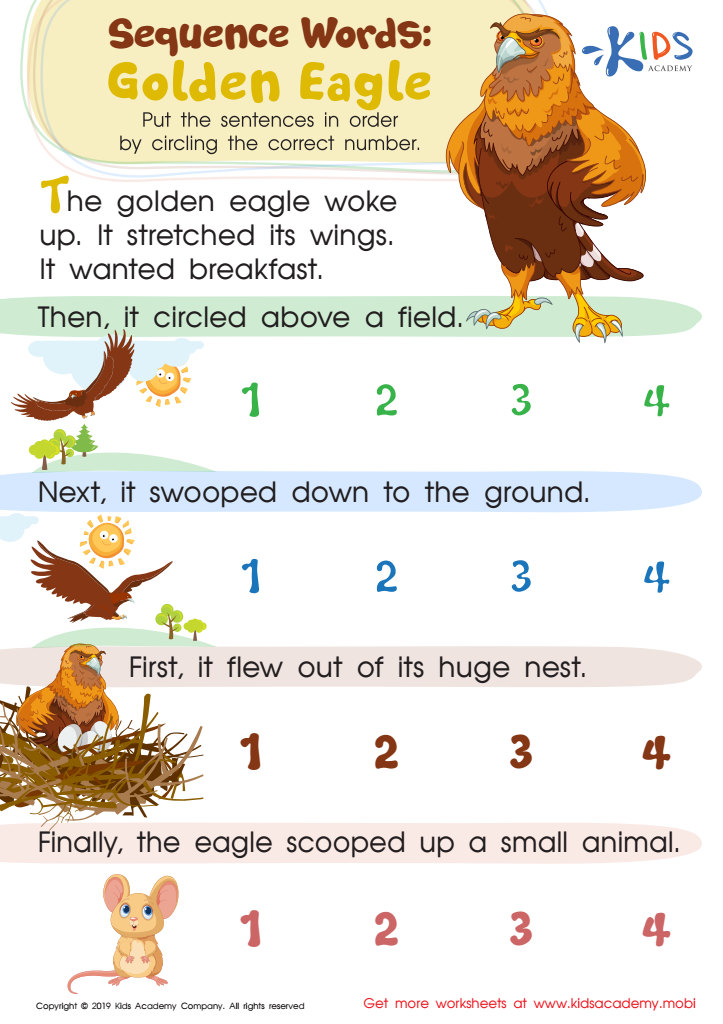
Sequence Word Eagle Worksheet
 Assign to My Students
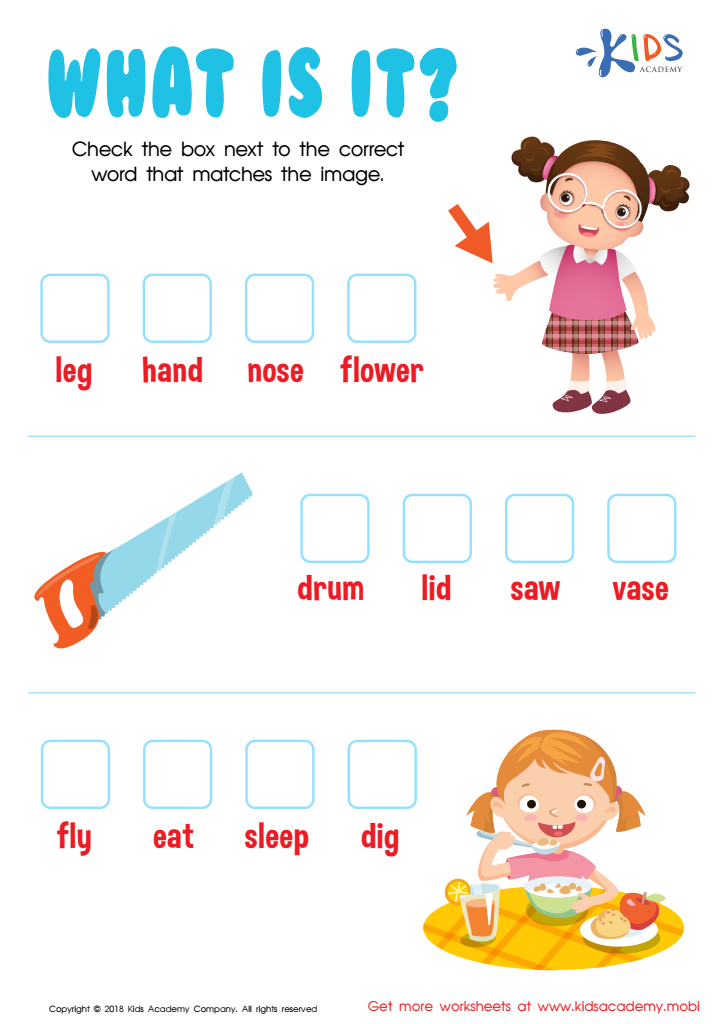
What Is It? Worksheet
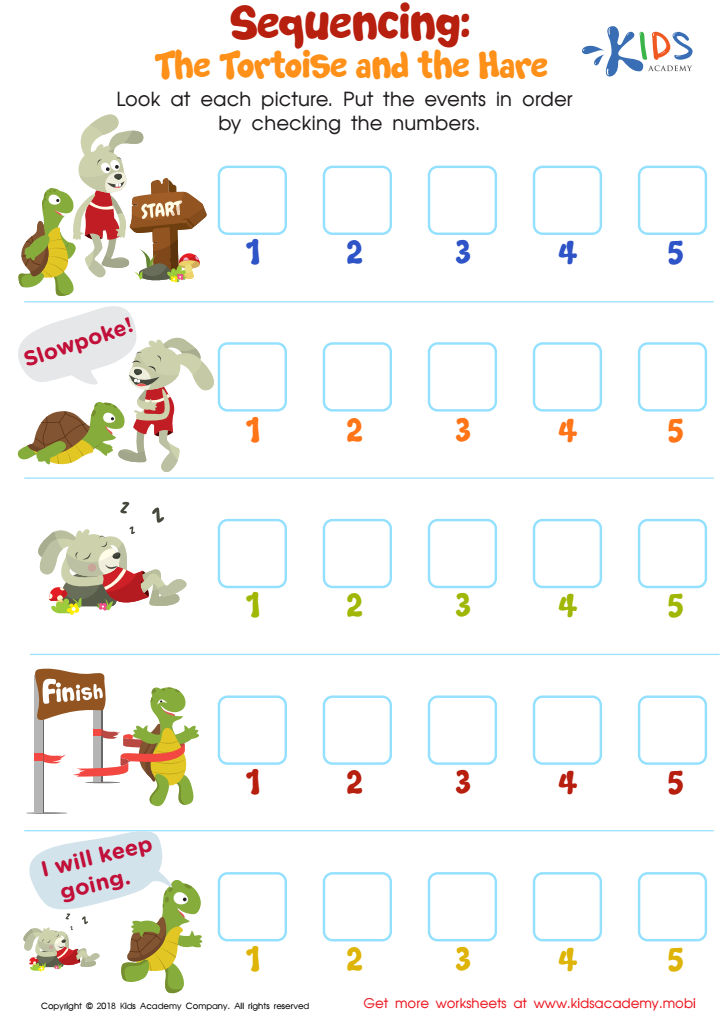
Sequencing: The Tortoise and the Hare Worksheet
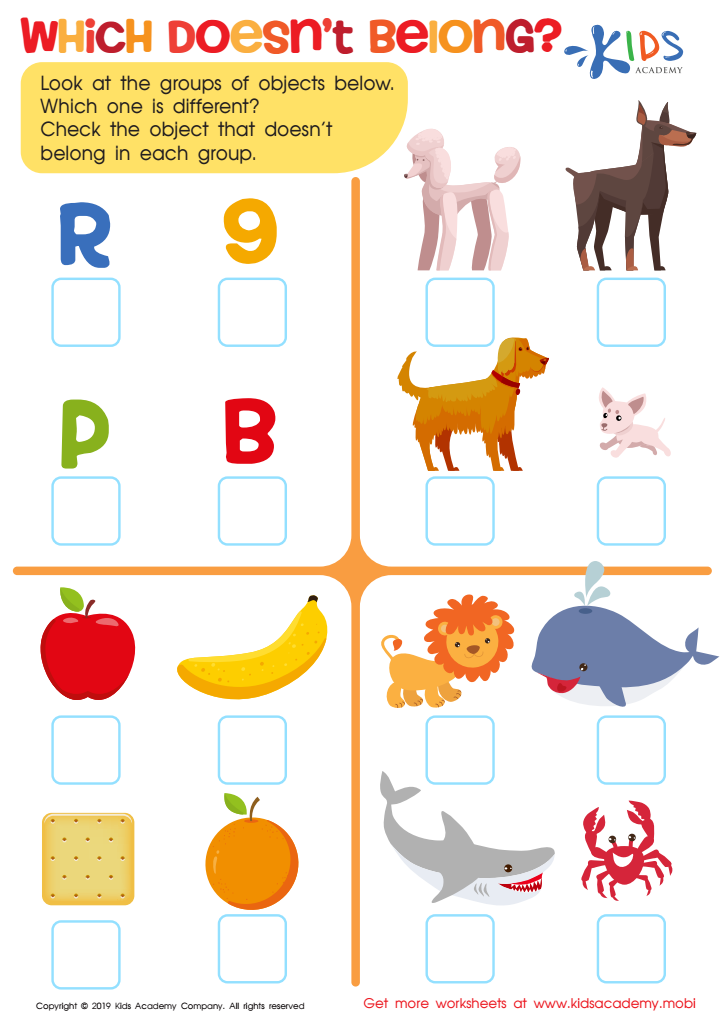
Which Doesn't Belong? Worksheet
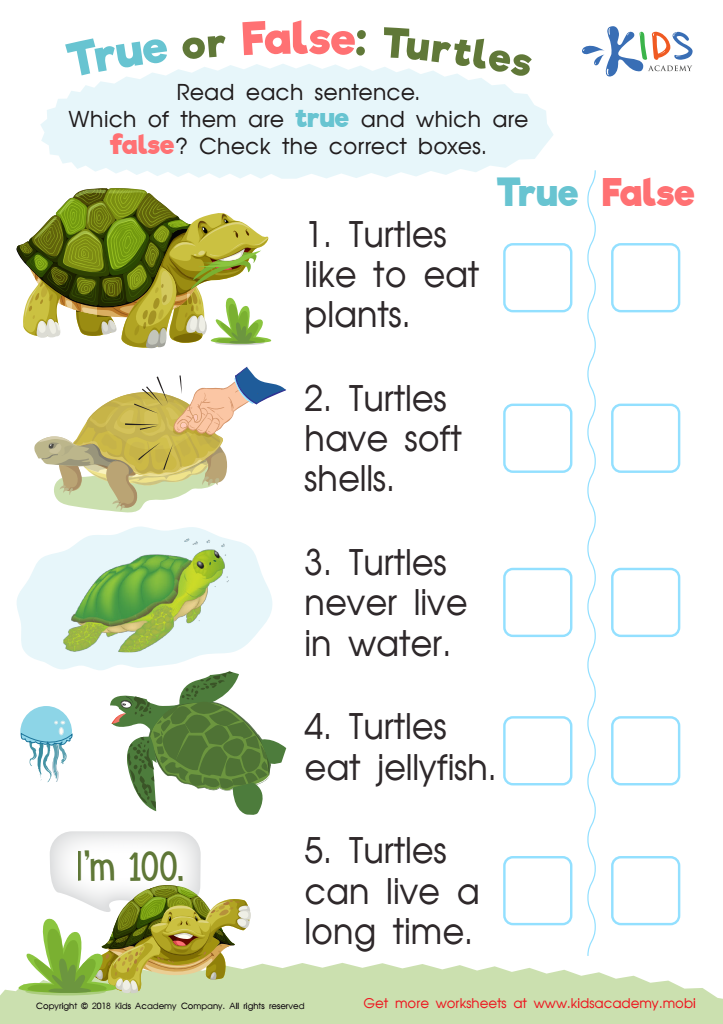
True or False: Turtles Worksheet
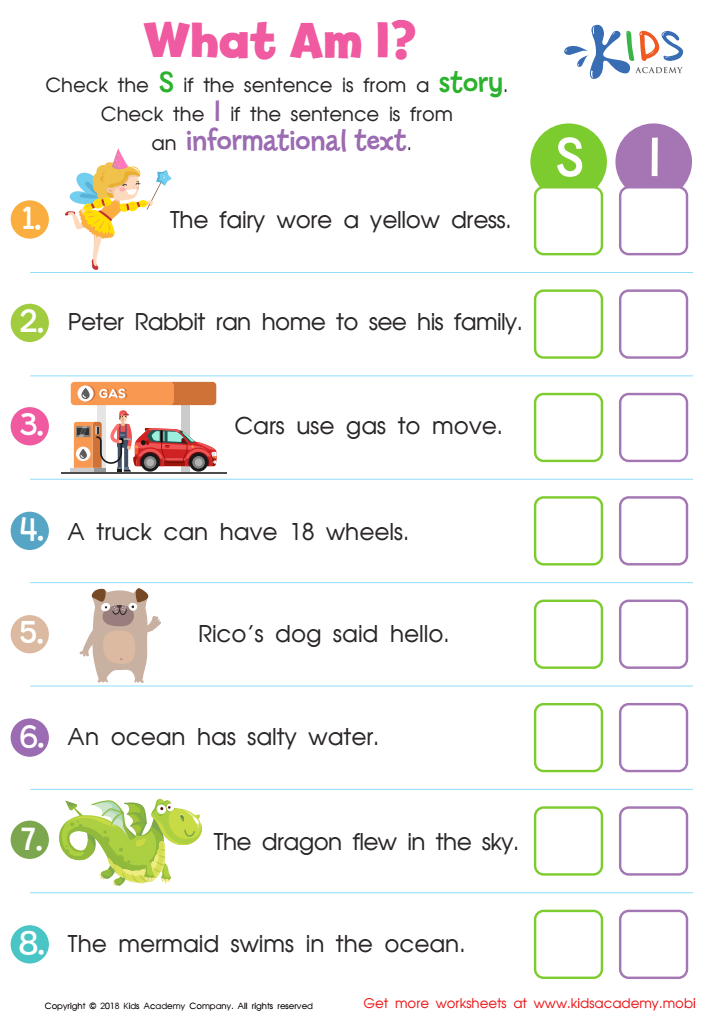
What Am I? Worksheet
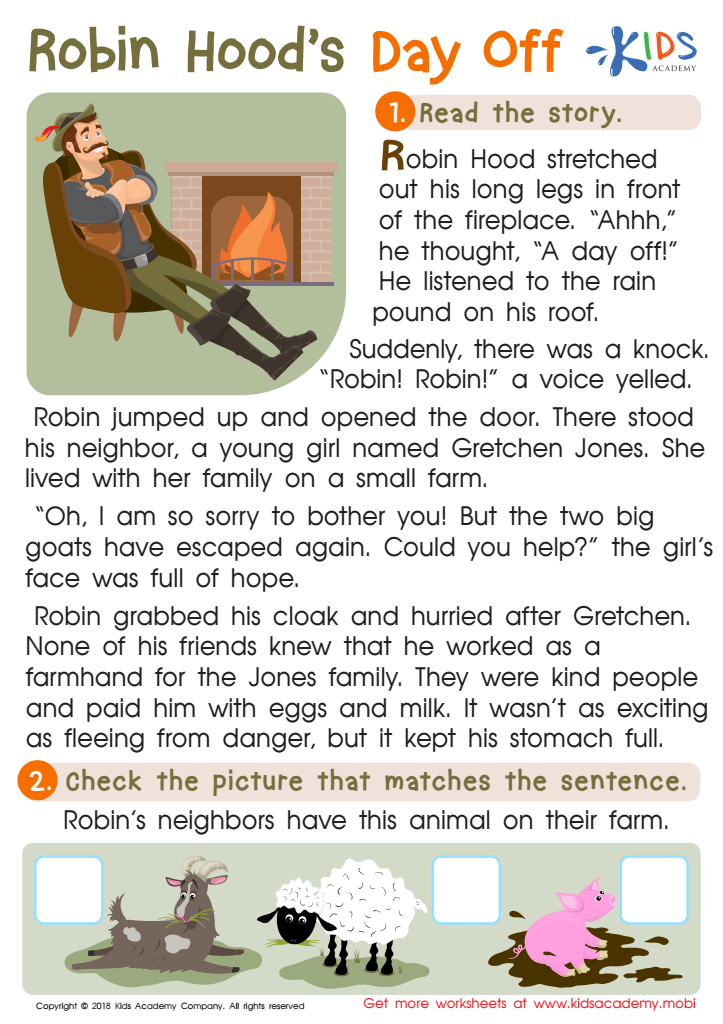
Robin Hood's Day Off Worksheet
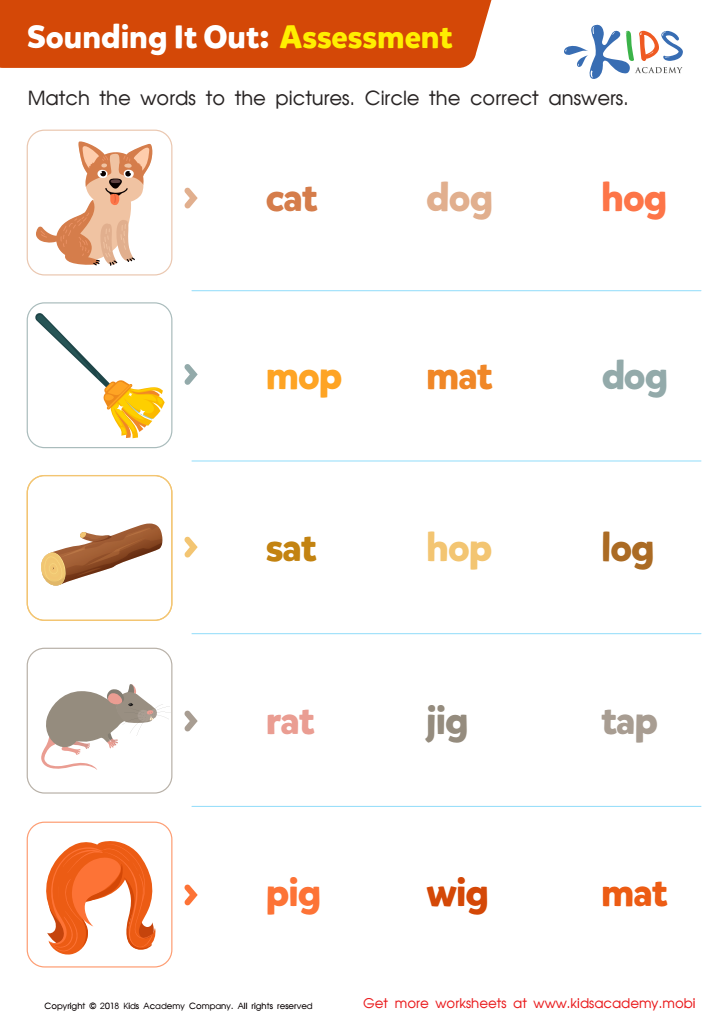
Sounding it Out: Assessment Worksheet
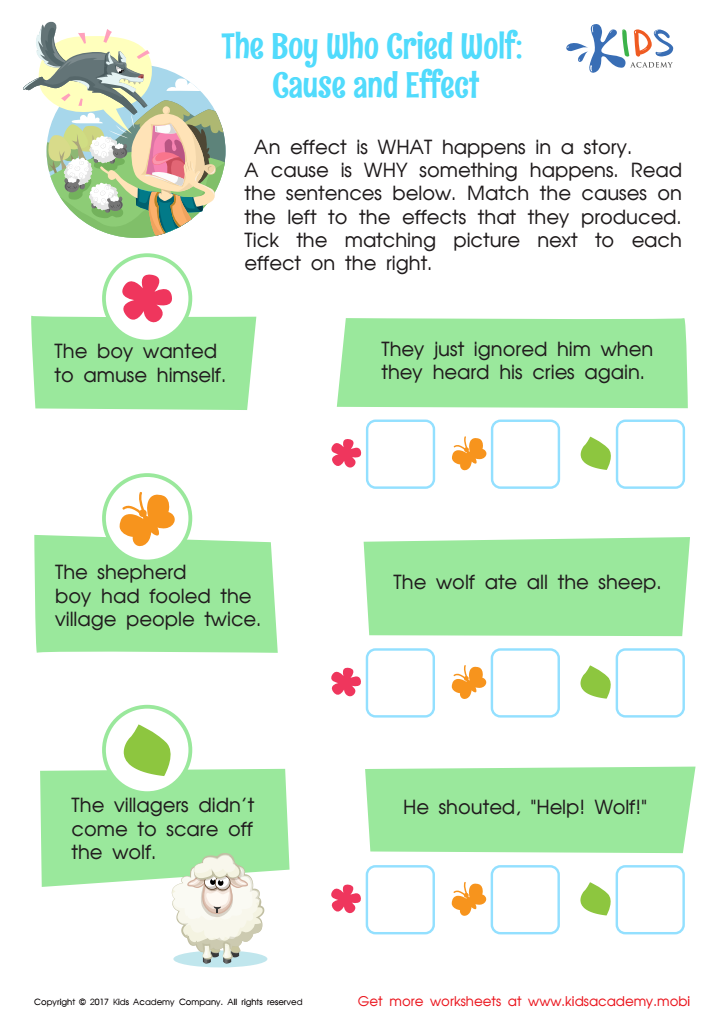
The Boy Who Cried Wolf: Cause and Effect Worksheet
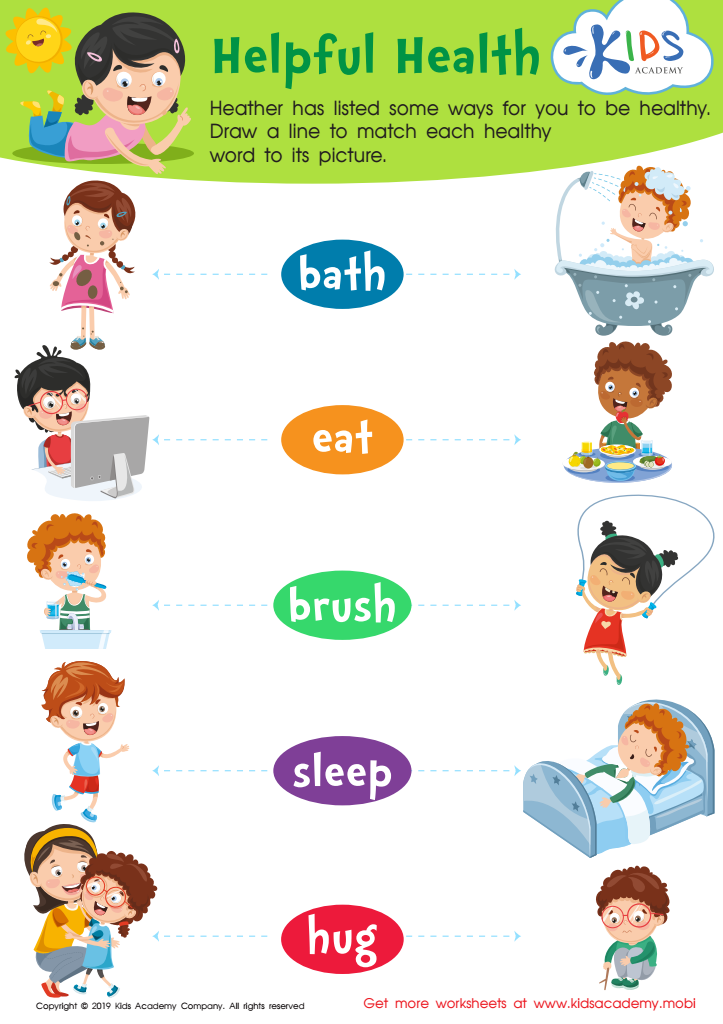
Helpful Health Worksheet
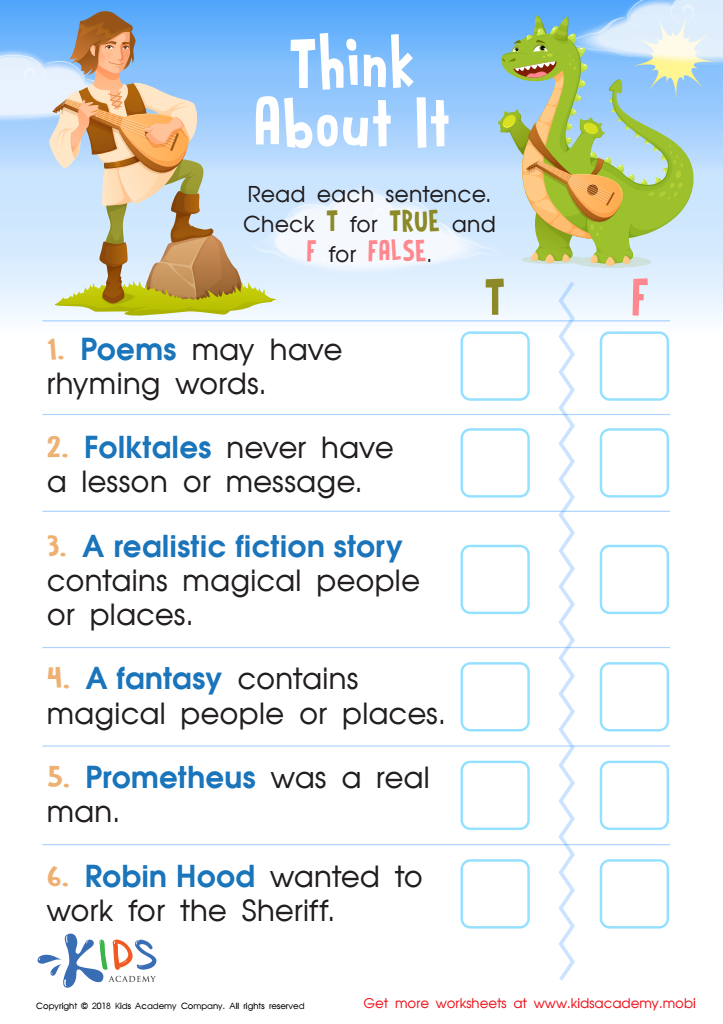
Think About It: Assessment Worksheet







Parents and teachers should prioritize logical reasoning and normal reading development for children aged 5-9 because these skills form the foundation for lifelong learning and critical thinking. At this young age, children's brains are exceptionally receptive and capable of rapid growth and development. Introducing logical reasoning early helps them make sense of the world by enhancing problem-solving skills and enabling them to draw connections between different pieces of information. This forms the basis for mathematics, science, and other subjects that require analytical thinking.
Normal reading development is equally crucial, as literacy is fundamental to all areas of learning. Proficiency in reading comprehension allows children to access and engage with content across various subjects, fostering independence in learning and boosting their self-confidence. As children improve their reading skills, they also expand their vocabulary, improve their understanding of grammar, and develop better communication skills, both written and oral.
Combining logical reasoning and reading proficiency creates synergistic effects. Logical reasoning can help children understand and analyze what they read, while strong reading skills can enhance their grasp of logical concepts and terminology. Therefore, nurturing these skills in early childhood can lead to improved academic performance, better cognitive development, and a solid foundation for future educational success.








