Identifying Animals Normal Science Worksheets for Ages 5-9
3 filtered results
-
From - To
Unlock your child's curiosity with our "Identifying Animals Normal Science Worksheets for Ages 5-9"! These engaging, fun, and educational worksheets are expertly designed to help young learners identify and classify various animals, enhancing their observation and critical thinking skills. Each sheet features colorful illustrations and age-appropriate content to make learning about the animal kingdom an exciting adventure. Ideal for both classroom and at-home learning, our worksheets support essential science standards, fostering a love for nature and wildlife. Transform animal lessons into interactive experiences that captivate children’s minds today! Download your free worksheets now on Kids Academy.
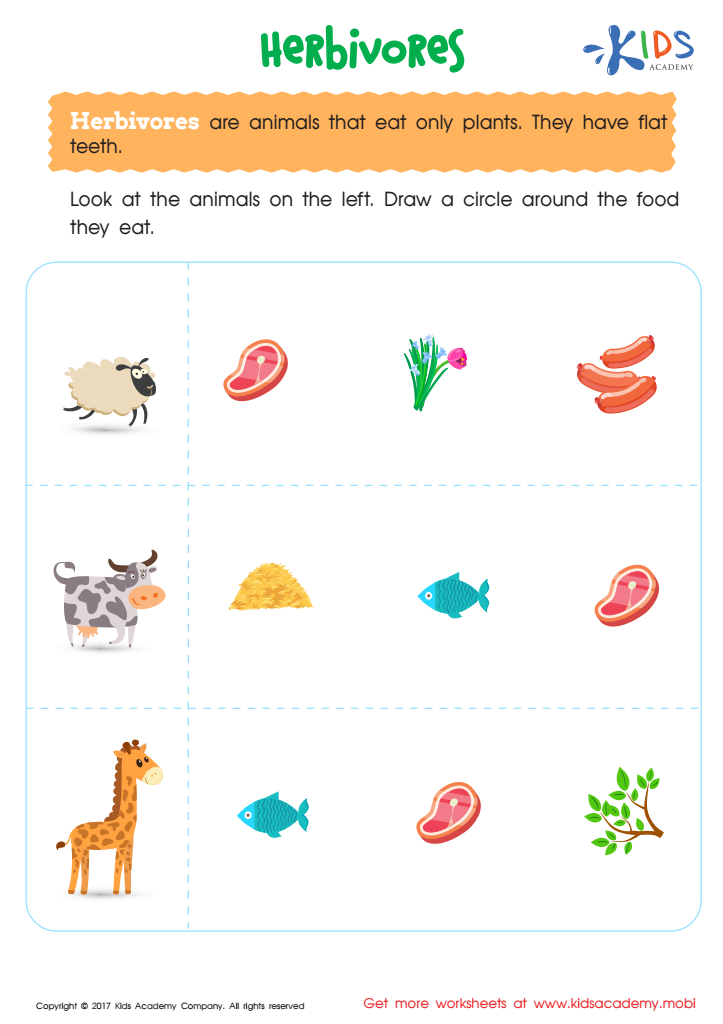
Herbivores Printable
 Assign to My Students
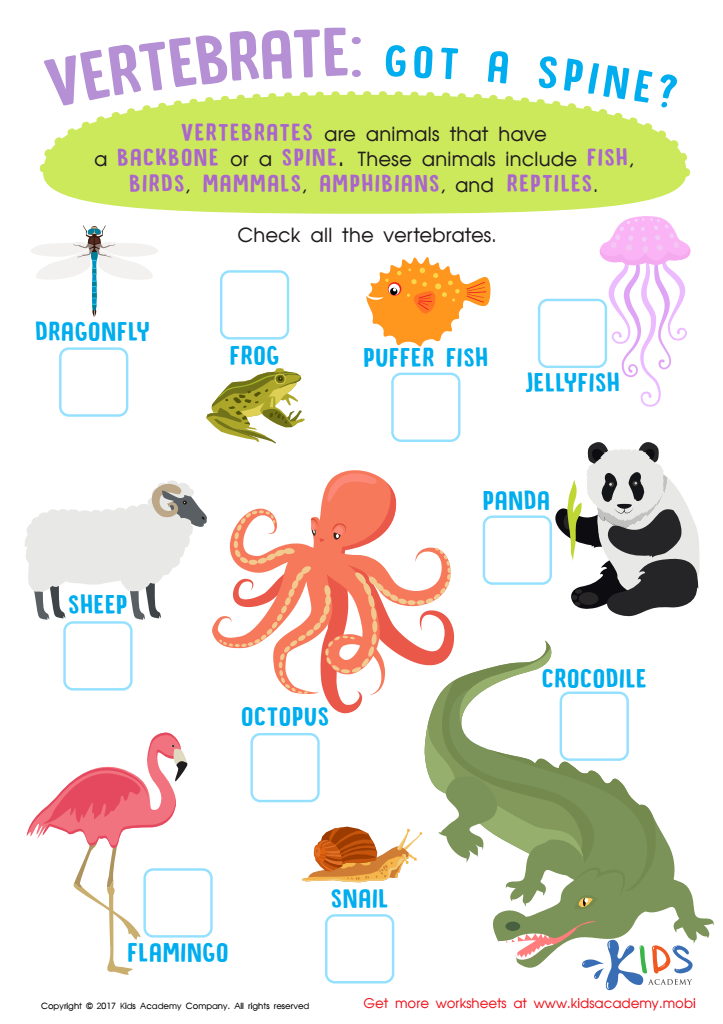
Vertebrates Animals Worksheet for 3rd Grade
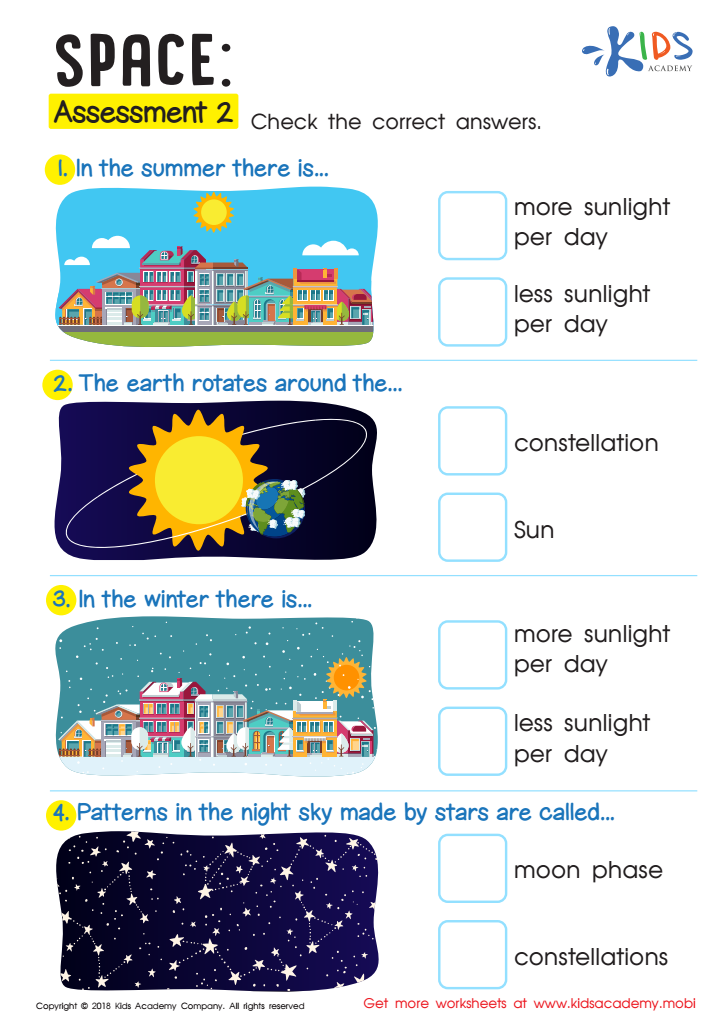
Space: Assessment 2 Worksheet








Identifying animals and understanding basic science about them is crucial for young children aged 5-9, as it builds their foundation for scientific thinking and curiosity about the world. This early exposure helps children develop observational skills, as they learn to note different characteristics and behaviors of animals. These skills are not only vital for science but also enhance critical thinking and attention to detail in everyday life.
Furthermore, learning about animals promotes empathy and environmental stewardship. When children recognize and understand animals’ roles in their ecosystems, they are more likely to respect wildlife and care for the environment, fostering a sense of responsibility.
Cognitively, engaging with animal science supports language development and vocabulary expansion. Terms like "habitat," "mammal," or "predator" become part of their lexicon, aiding in broader language and communication skills. Socially and emotionally, group activities centered around animal identification encourage teamwork, sharing knowledge, and cooperative learning, which are essential skills in their personal development.
Understanding animals also connects children with the broader concepts of biology, ecology, and conservation, setting a foundation for future scientific learning. By nurturing this interest early, teachers and parents can ignite a lifelong passion for the sciences and contribute positively to the child's educational journey and personal growth.







