Reading comprehension Normal Plants Worksheets for Ages 5-9
4 filtered results
Difficulty Level
Grade
Age
-
From - To
Subject
Activity
Standards
Our "Reading Comprehension Normal Plants Worksheets for Ages 5-9" are curated to nurture young minds with engaging plant-themed activities. Designed for early readers, these worksheets combine fun and education, enhancing children's understanding of plant life while boosting their reading and comprehension skills. Each exercise introduces kids to key scientific concepts through easy-to-read passages and thoughtful questions, fostering critical thinking. Ideal for classroom or home use, these worksheets are perfect for building a foundation in science and literacy. Spark curiosity and a love for learning with our specially designed plant comprehension worksheets today!
Favorites
With answer key
Interactive
The Cactus Plant Worksheet
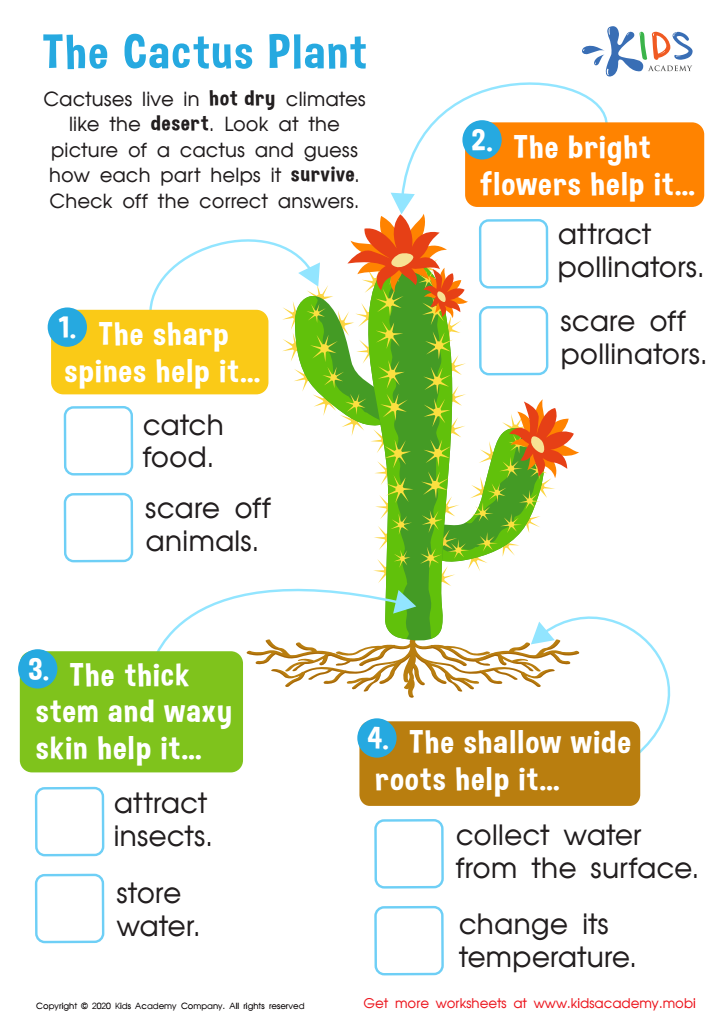
Encourage your little scientist to review cacti with this free biology worksheet. Check off the correct answer to show how the cactus survives its harsh desert environment! With sharp spikes and the ability to store water like a camel, the cactus is a remarkable plant that has adapted to its climate.
 Assign to My Students
The Cactus Plant Worksheet
Worksheet

Plant Fun Worksheet
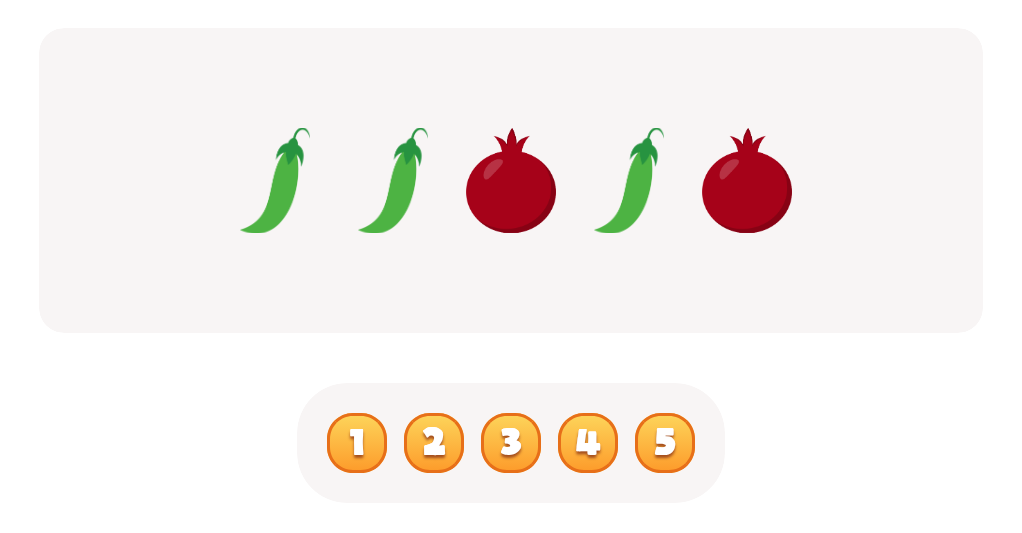
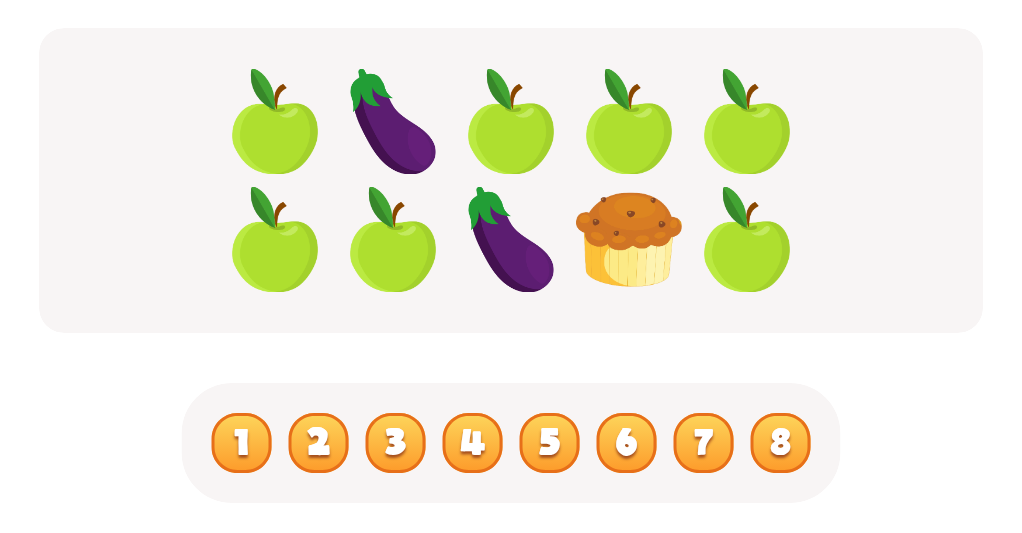
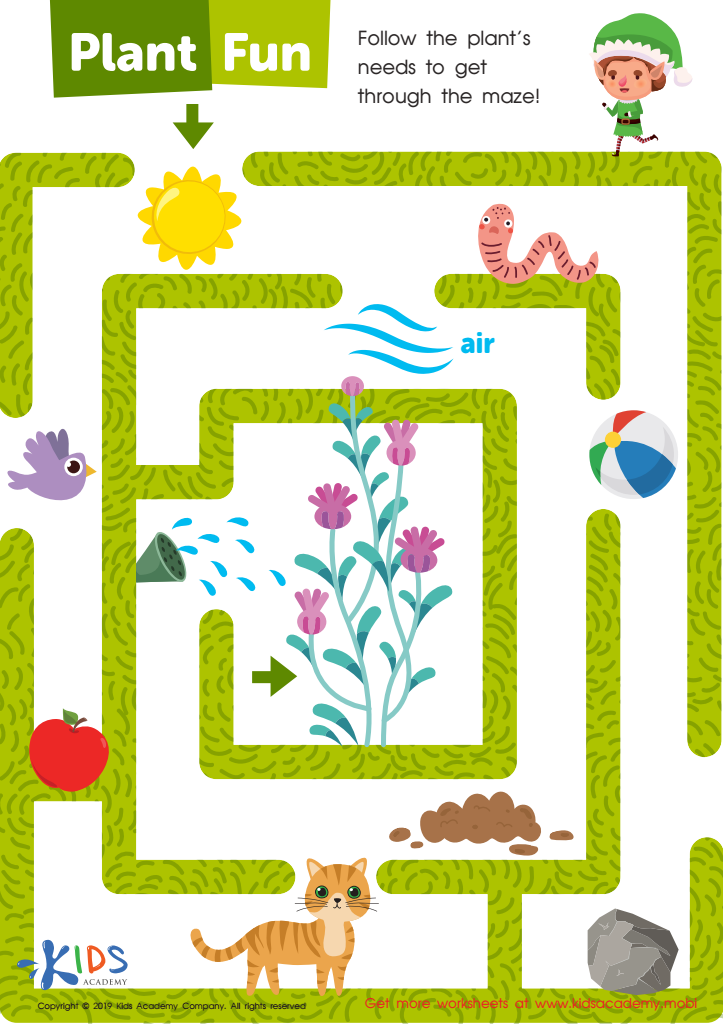
Engage your kid's mind by playing a learning maze! Ask them what plants do for us and what we need to do for the plants to help them grow. Then, help them find their way out of the maze while following the things that plants need.
Plant Fun Worksheet
Worksheet
Thorns and Spikes Worksheet
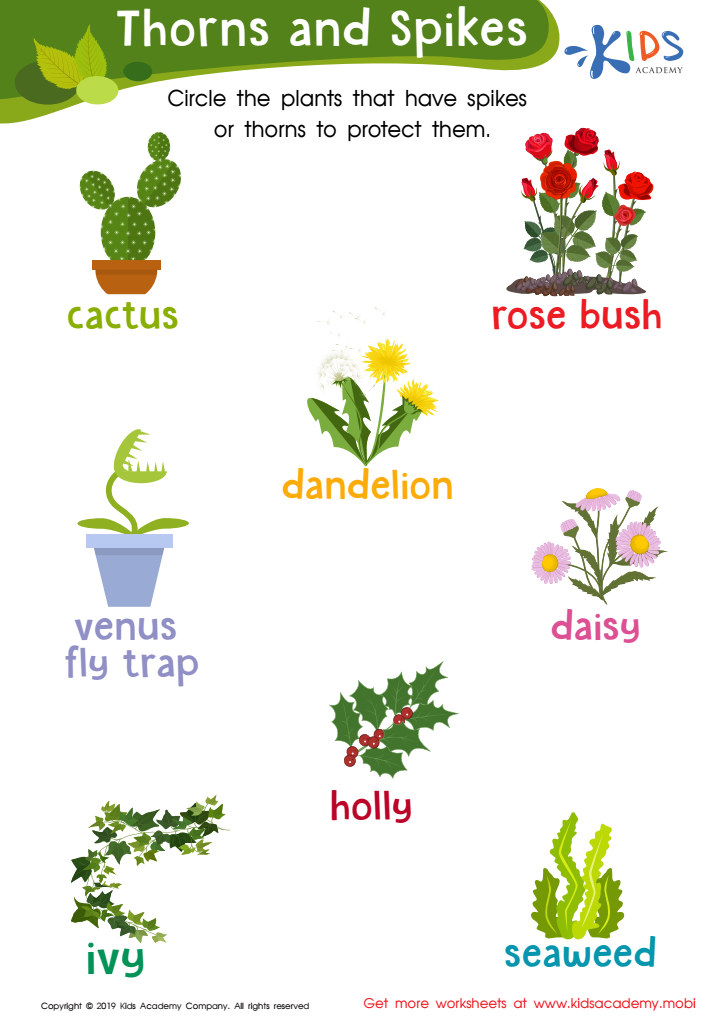
Can your students name and identify the plants and flowers in this worksheet? Ask them to read out the names and circle the ones with spikes or thorns. Help them appreciate nature's beauty and understand how plants protect themselves.
Thorns and Spikes Worksheet
Worksheet
Rainforest Animals Worksheet
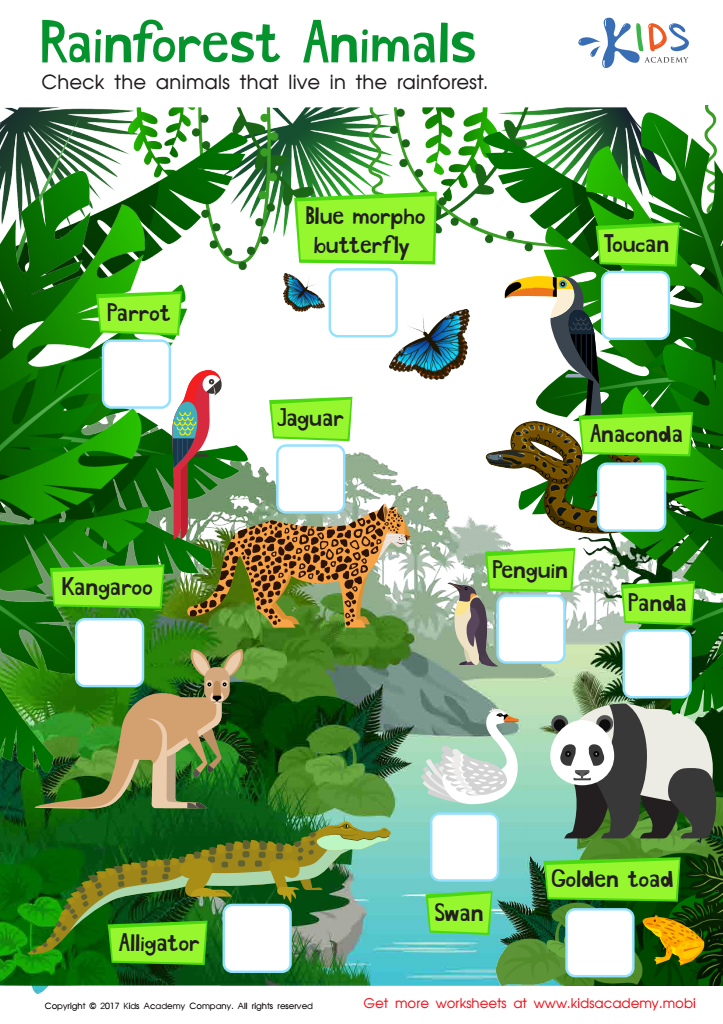
Kids love the bright, vivid pics of rainforest animals in this worksheet. It fuels their interest in life science and brings joy to their learning. It encourages them to study these animals in detail.
Rainforest Animals Worksheet
Worksheet
Join Kids Academy for Free
Who is primarily going to use this learning content?






Reading comprehension is a fundamental skill that forms the bedrock of academic and lifelong success, particularly for children aged 5-9. At this developmental stage, young minds are highly impressionable and rapidly absorbing information. Introducing them to materials such as "Normal Plants," which is likely enriched with vocabulary and concepts related to botany, can be exceptionally beneficial.
Firstly, reading such content aids in vocabulary building. Learning terms associated with plants—like "photosynthesis," "germination," and "pollination"—expands their linguistic repertoire, fostering better communication skills. Additionally, reading comprehension enhances cognitive development. Engaging with texts helps children practice critical thinking, inferencing, and logically connecting information, essential skills across all subject areas.
Furthermore, focusing on reading comprehension cultivates a love for learning. When children understand what they read, they find it more enjoyable and are more likely to seek out new books and subjects. For teachers and parents, this means creating an environment that encourages intellectual curiosity and a lifelong love of learning.
Lastly, content about "Normal Plants" connects children to the natural world, fostering environmental awareness and stewardship from a young age. This not only aligns with many educational standards regarding science and sustainability but also instills a sense of responsibility toward the environment.
By prioritizing reading comprehension in subjects like botany, parents and teachers can equip children with critical academic skills, fuel their natural curiosity, and nurture a connection to the world around them.