
Problem-Solving Skills Normal Plants and Animals Worksheets for Ages 5-9
5 filtered results
Difficulty Level
Grade
Age
-
From - To
Subject
Activity
Standards
Welcome to our engaging "Problem-Solving Skills for Normal Plants and Animals Worksheets" designed specifically for children aged 5-9! These worksheets encourage young learners to develop critical thinking skills through fun and interactive activities centered around the world of plants and animals. With vibrant illustrations and age-appropriate challenges, kids will explore concepts like habitats, life cycles, and interactions in nature while honing their problem-solving abilities. Ideal for homeschooling, classrooms, or supplemental learning, these resources will inspire curiosity and foster a love for science. Empower your child today as they learn to think creatively and analytically through nature-themed problems!
Favorites
With answer key
Interactive
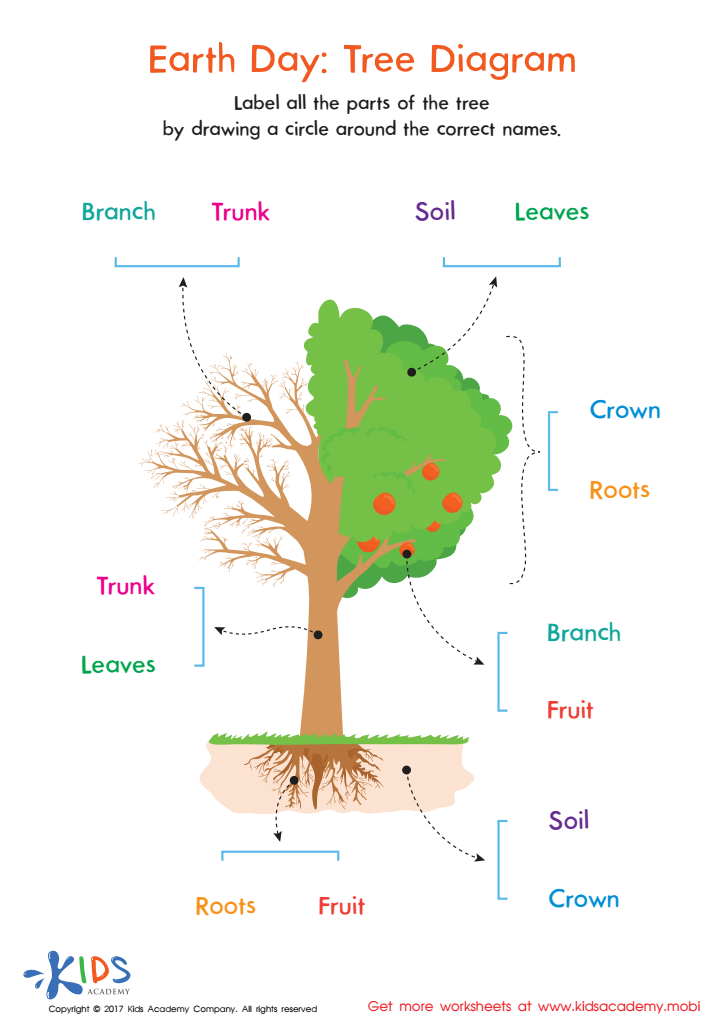
Earth Day: Tree Diagram Worksheet
Teaching our kids about environmental science is essential. Get your child excited about plants and nature with our colorful parts of a tree worksheet! It will help them gain an understanding and appreciation of trees, plants, and the earth. Download it now and open the door to the natural world of your child's everyday!
 Assign to My Students
Earth Day: Tree Diagram Worksheet
Worksheet











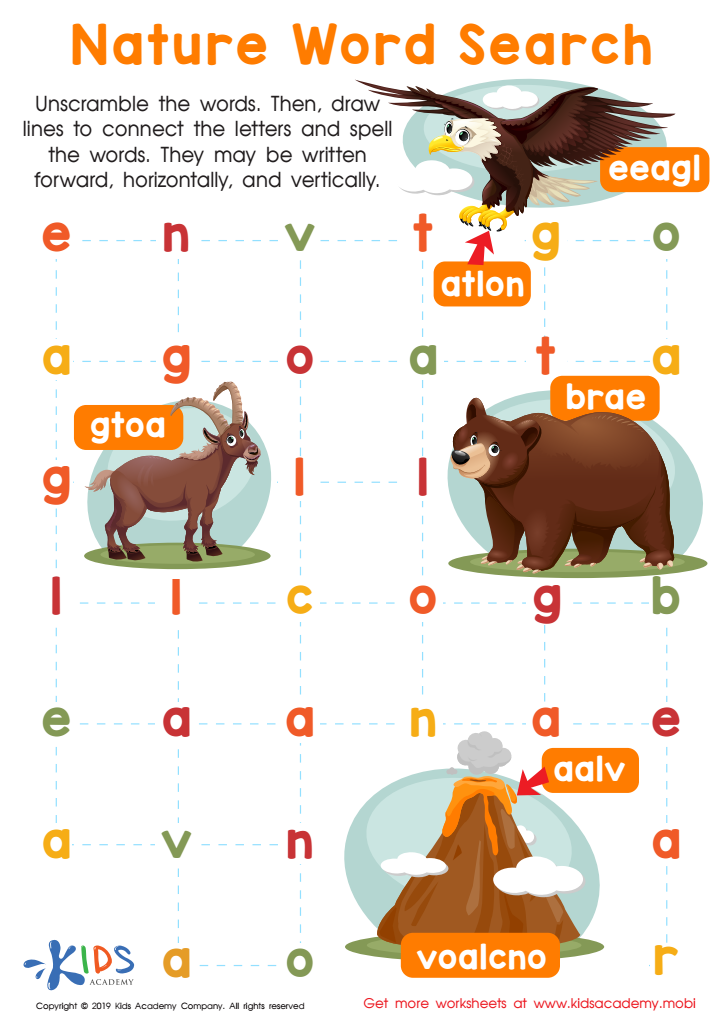
Nature Word Search Worksheet
Unscramble science vocabulary words and find them in this fun worksheet! Use the pictures as clues if you get stumped; you can also write down the words for reference. Solve the puzzle when you're done to finish!
Nature Word Search Worksheet
Worksheet
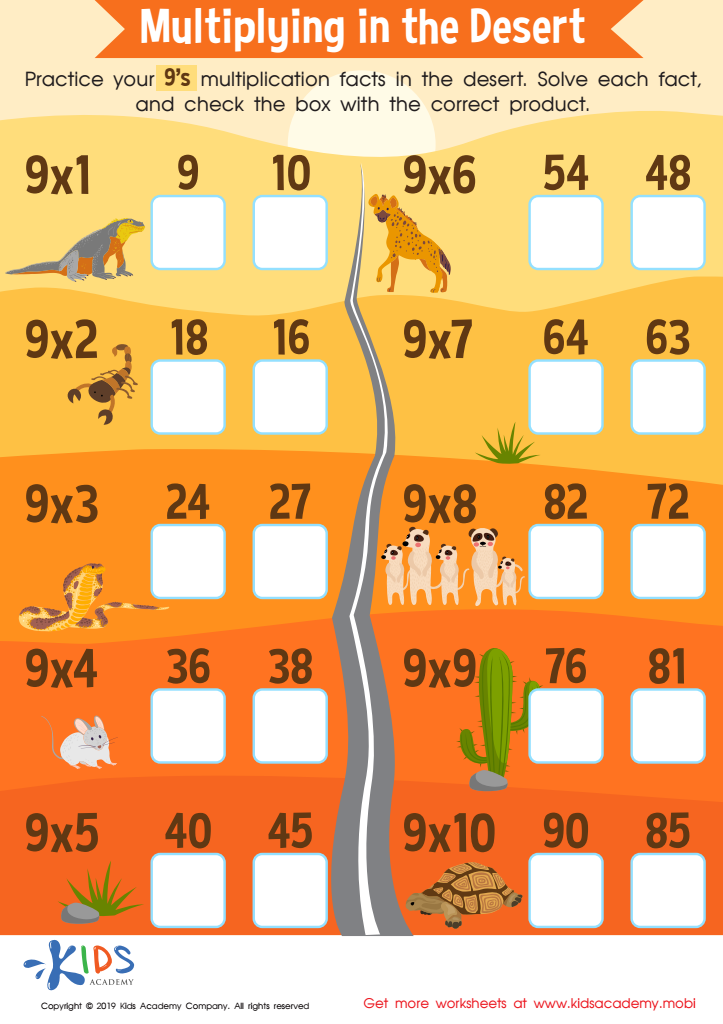
Multiplying in the Desert Worksheet
Help your kids learn the multiplication table faster by introducing them to this fun worksheet! It allows them to learn at a more engaging pace, with the added challenge of naming desert animals. Solve each fact and check the correct product, for an enjoyable and effective way to practice their 9’s multiplication facts.
Multiplying in the Desert Worksheet
Worksheet
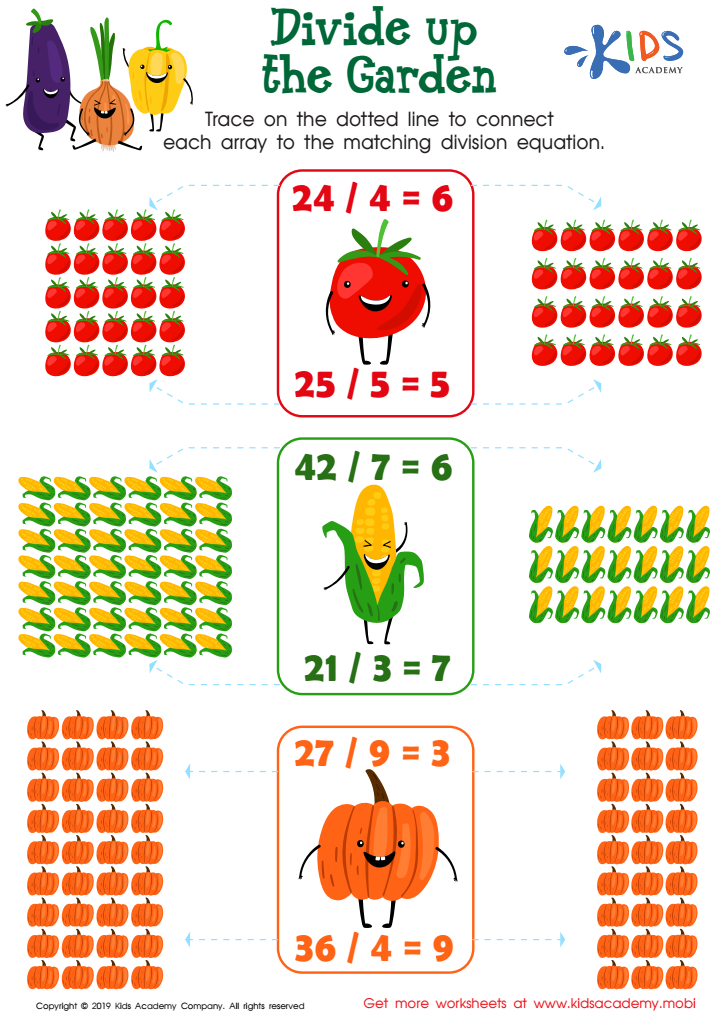
Divide up the Garden Worksheet
Dividing is simply grouping items into equal sets. This worksheet helps kids see division problems in array form. They'll match each equation with a picture group, using the lines provided. It's a great way for beginners to understand division more concretely.
Divide up the Garden Worksheet
Worksheet
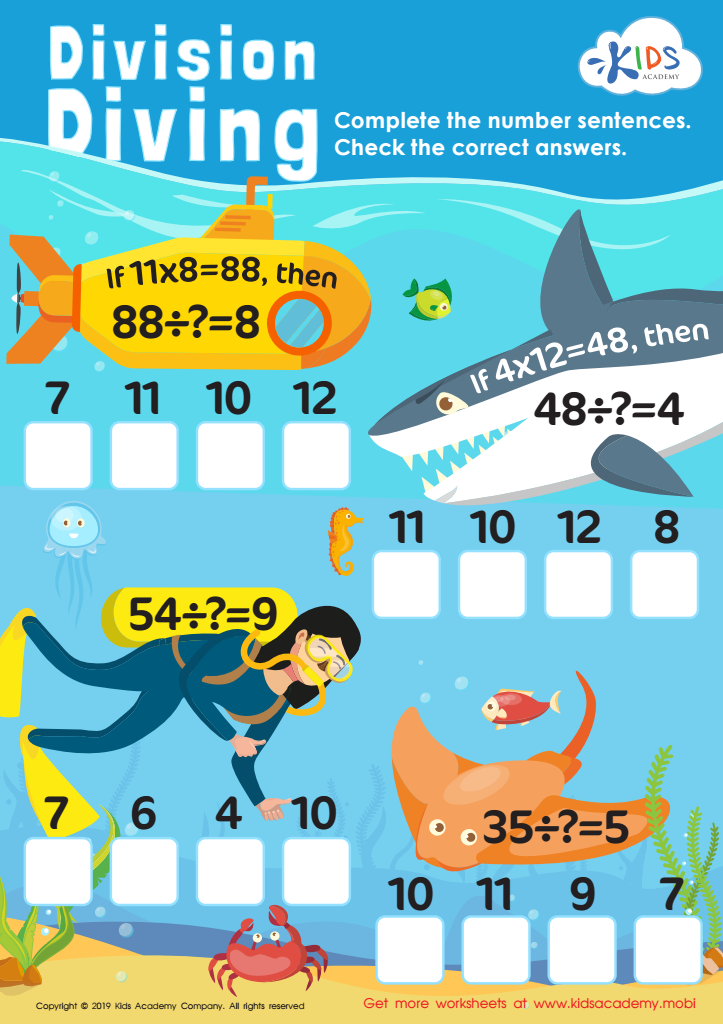
Division Diving Worksheet
Kids love exploring water and this free PDF worksheet is a great way to bring the fun and math together! Kids can help the underwater friends with number sentences, and use their fact family knowledge to solve for the missing number, then choose the correct answer. This worksheet is an enjoyable way for them to practice division!
Division Diving Worksheet
Worksheet
Join Kids Academy for Free
Who is primarily going to use this learning content?








Parents and teachers should prioritize problem-solving skills related to normal plants and animals for children aged 5-9 because these skills are fundamental for cognitive development. At this stage, children are naturally curious and eager to explore their environment. By engaging with plants and animals, they learn to observe, question, and analyze the world around them, fostering critical thinking.
When children learn about the characteristics, life cycles, and ecosystems of various plants and animals, they practice identifying problems and developing solutions. For instance, they might explore how to care for a plant or figure out ways to protect local wildlife. This hands-on experience promotes creativity and encourages children to develop hypotheses and test their ideas—key components of effective problem solving.
Additionally, these activities nurture emotional intelligence, as children realize the importance of empathy towards living beings. Such awareness enhances their sense of responsibility and stewardship for the environment.
Furthermore, developing problem-solving skills at an early age helps to build resilience and adaptability, equipping children to face challenges in the future. Thus, fostering an interest in normal plants and animals in educational settings cultivates well-rounded individuals who value both learning and the natural world.







