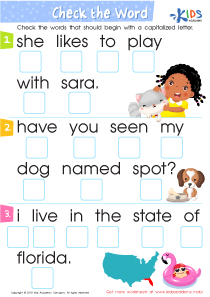
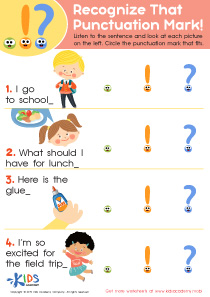
Grammar skills improvement Normal Grammar Worksheets for Ages 5-9
4 filtered results
-
From - To
Boost your child’s grammar skills with our specially designed Normal Grammar Worksheets for ages 5-9. These engaging, age-appropriate resources focus on essential grammar concepts, helping young learners build a solid foundation in language arts. Each worksheet combines fun exercises with clear instructions to enhance understanding of nouns, verbs, punctuation, and sentence structure. Perfect for classroom use or at-home practice, our worksheets promote independent learning and boost confidence. Give your child the tools they need to excel in writing and communication. Explore our collection today and watch their grammar skills flourish while having fun!
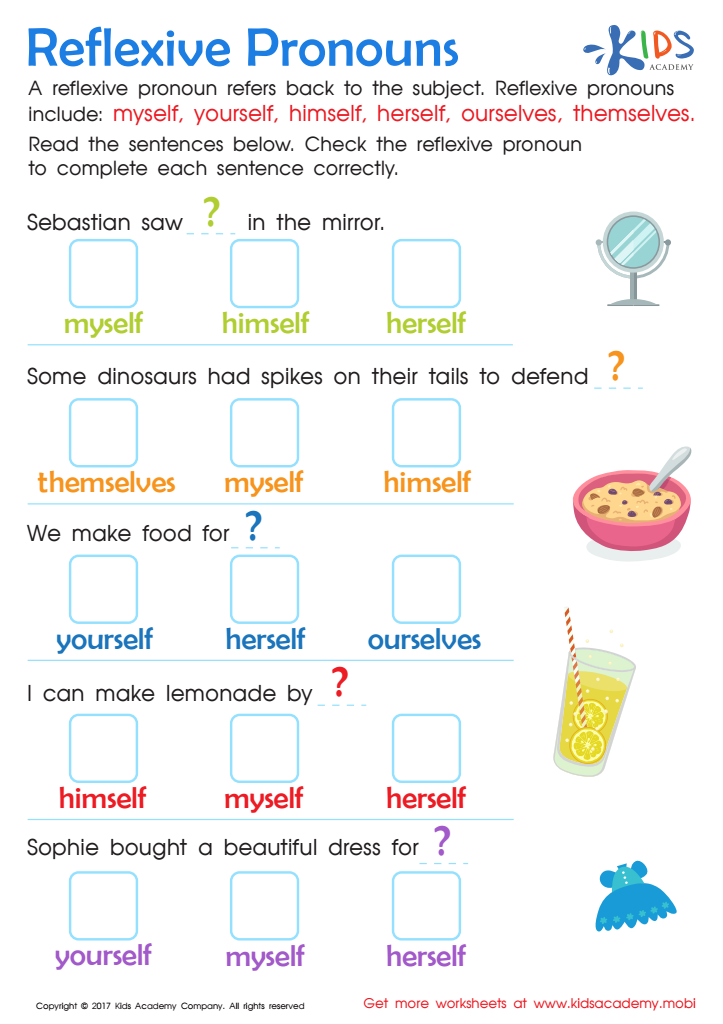
Reflexive Pronouns Worksheet
 Assign to My Students
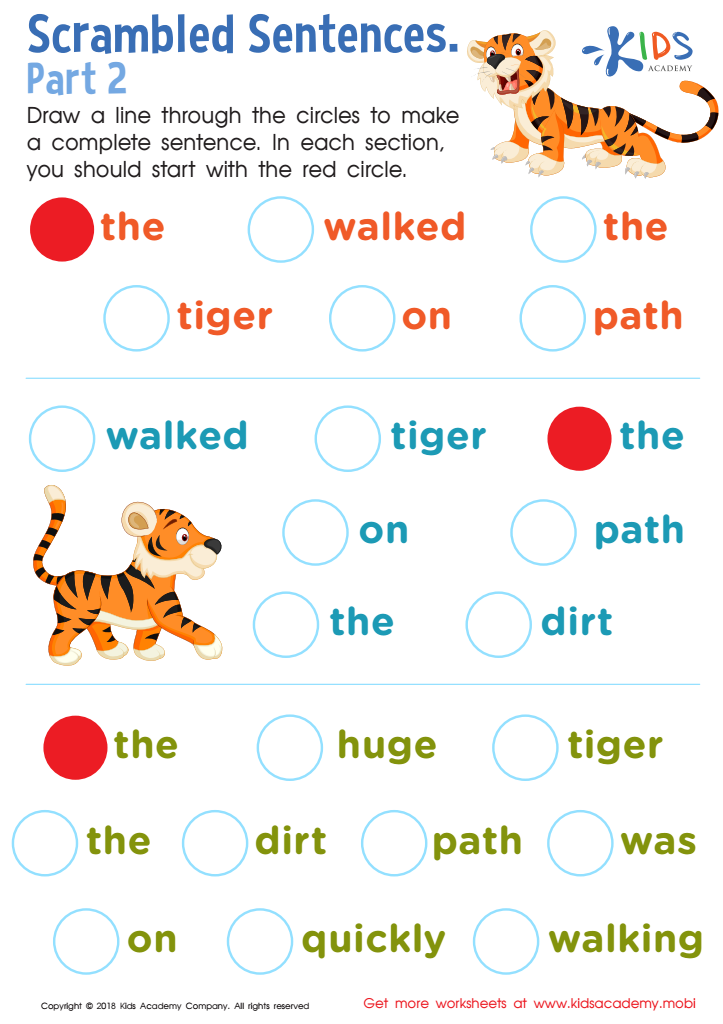
Scrambled Sentences Part 2 Worksheet
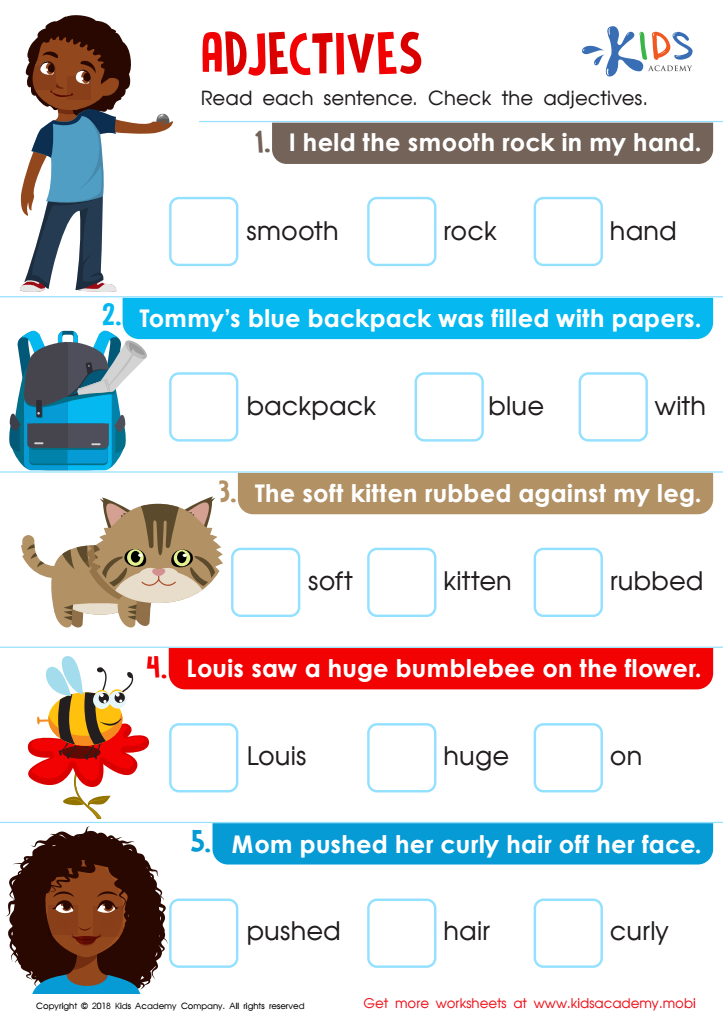
Adjectives Worksheet
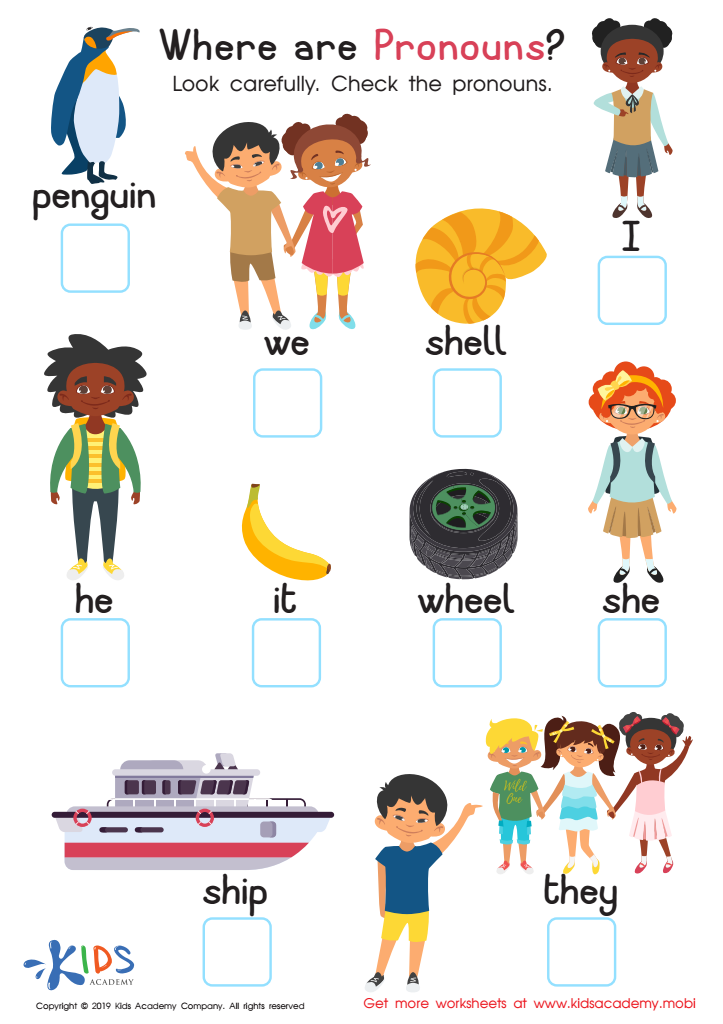
Where Are Pronouns? Worksheet



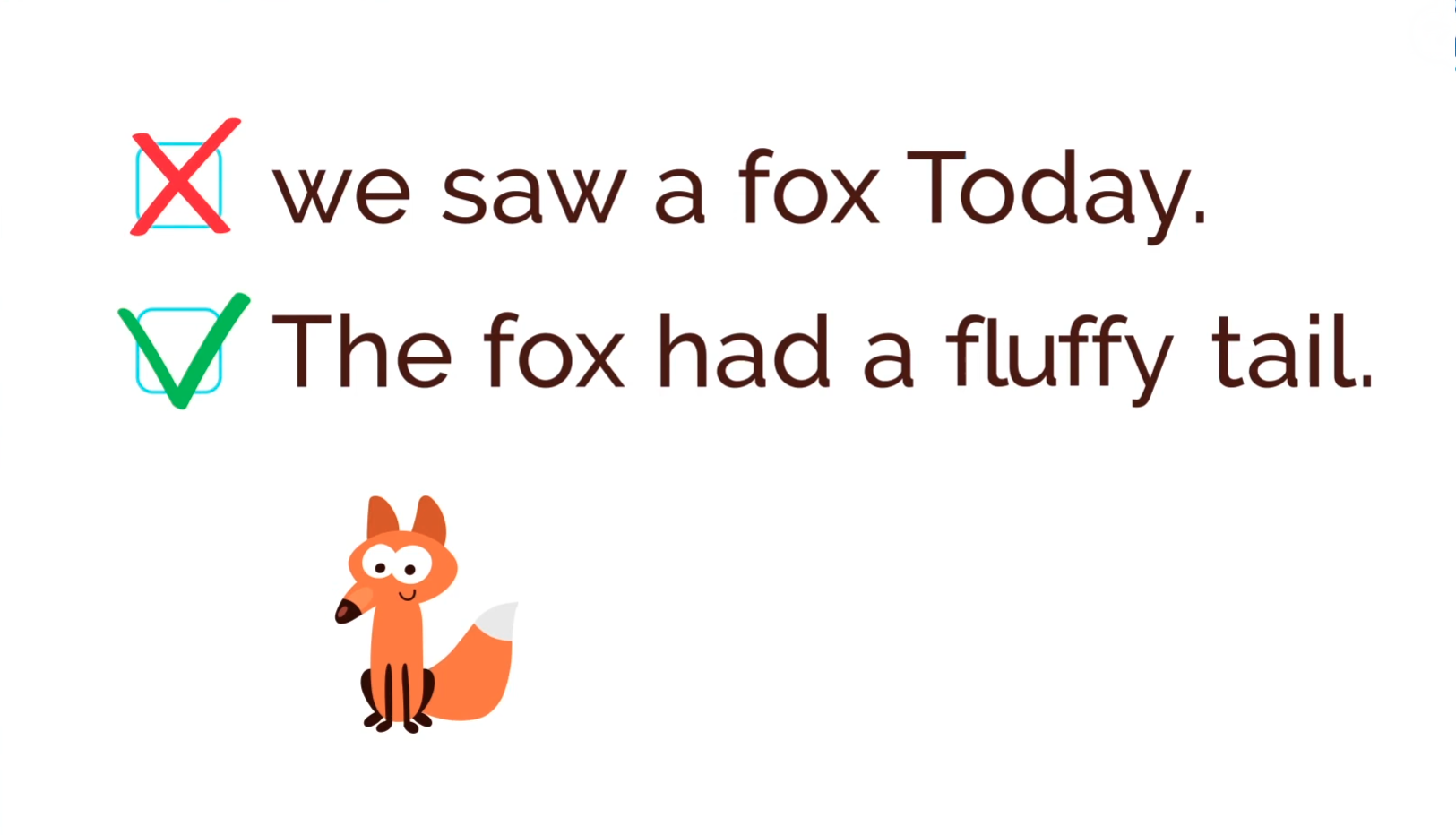
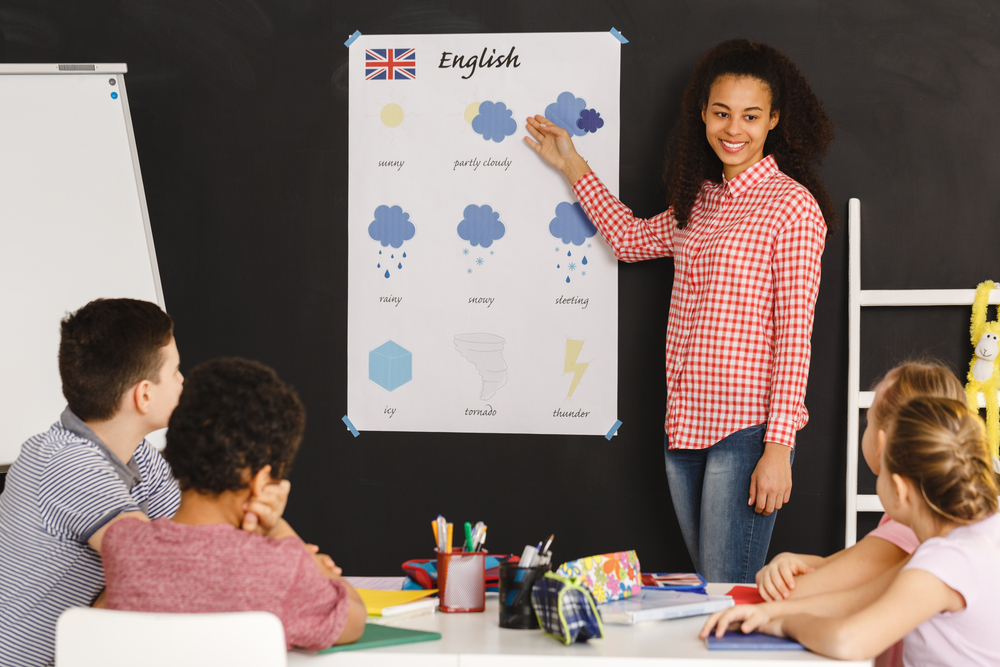



Improving grammar skills in children aged 5-9 is crucial for their overall language development and academic success. At this stage, children are laying the foundation for effective communication, critical thinking, and literacy skills. Good grammar fosters clarity in speech and writing, allowing young learners to express their thoughts accurately and confidently.
Teachers and parents play vital roles in this developmental phase. By emphasizing grammar skills, they help children enhance their comprehension abilities, which are essential for understanding stories, math problems, and science concepts. Proper grammar also encourages nuanced thinking; for example, understanding the difference between tense helps children grasp the concept of time in storytelling and real-life situations.
Moreover, strong grammar skills can boost self-esteem. Children feel more competent when their communication is clear, and this confidence carries over into other areas of learning. In today's world, effective communication is increasingly valued, and mastering grammar can aid in social interactions and academic opportunities as children grow.
Incorporating fun and engaging grammar activities into everyday learning routines—from storytime to interactive games—can make a significant difference. This investment in grammar at a young age yields not only better learners but also capable communicators prepared for the future.