Cognitive Development Normal Phonics Worksheets for 5-Year-Olds
3 filtered results
-
From - To
Discover our engaging Cognitive Development Normal Phonics Worksheets tailored for 5-year-olds! These worksheets are designed to enhance young children's phonics skills while promoting critical cognitive abilities such as problem-solving, memory, and pattern recognition. Each activity is crafted to captivate their attention and foster a love for learning, making phonics fun and accessible. Our comprehensive resources not only support literacy development but also encourage creativity and independent thinking. Perfect for parents and teachers, these printable worksheets are essential for building a strong phonetic foundation. Unlock your child's potential and watch them thrive in their learning journey with our thoughtfully designed phonics resources!
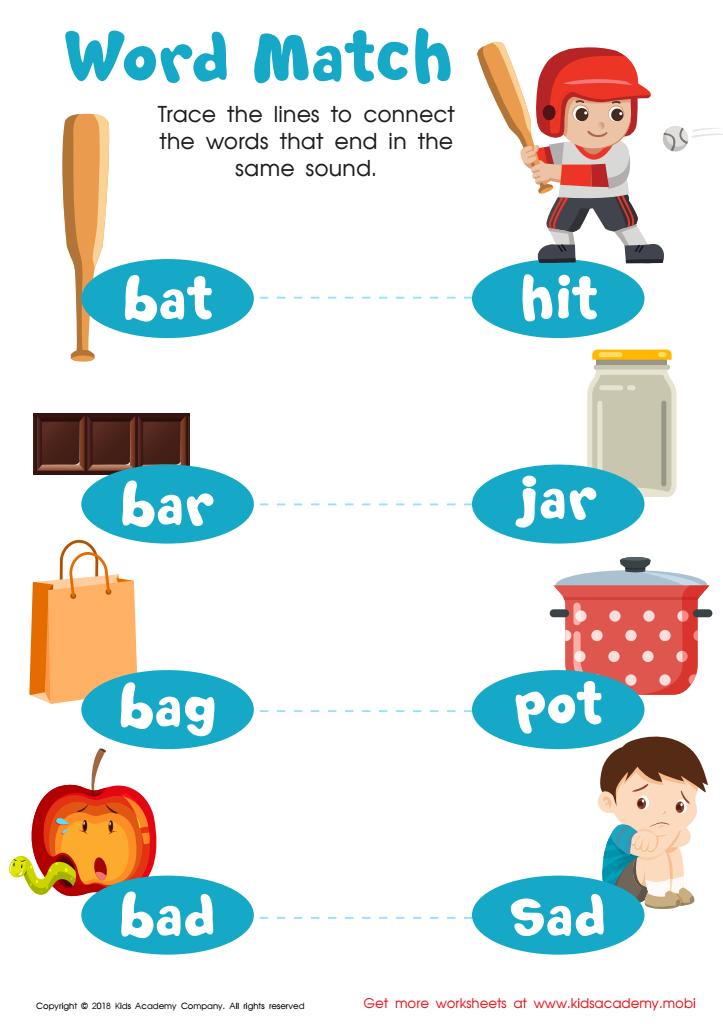
Word Match Reading Worksheet
 Assign to My Students
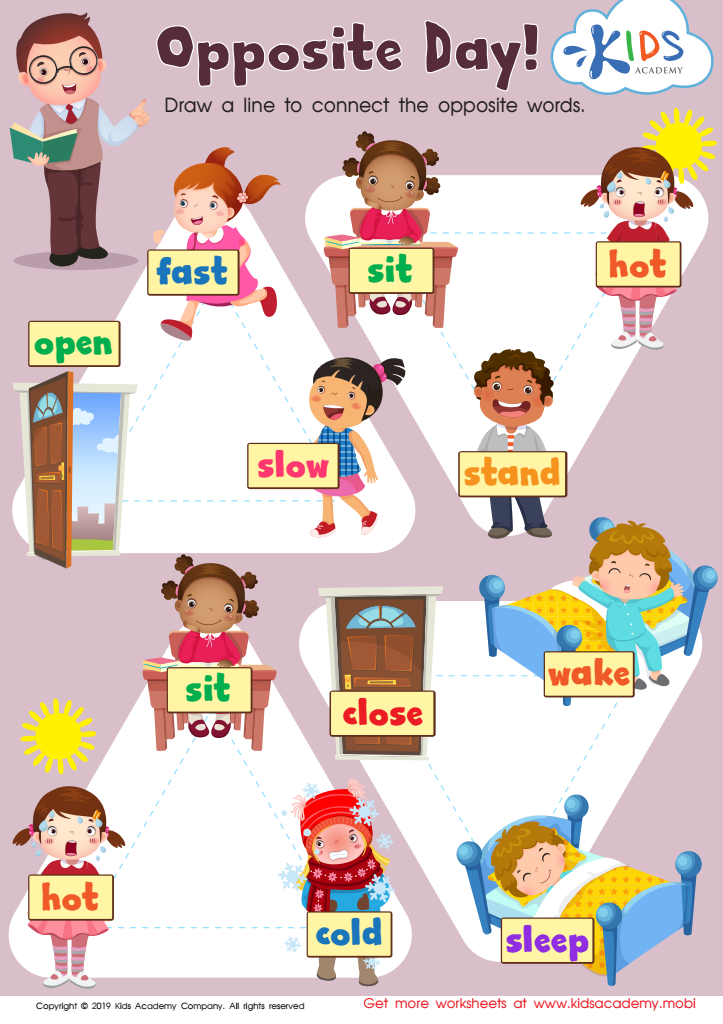
Opposite Day Worksheet
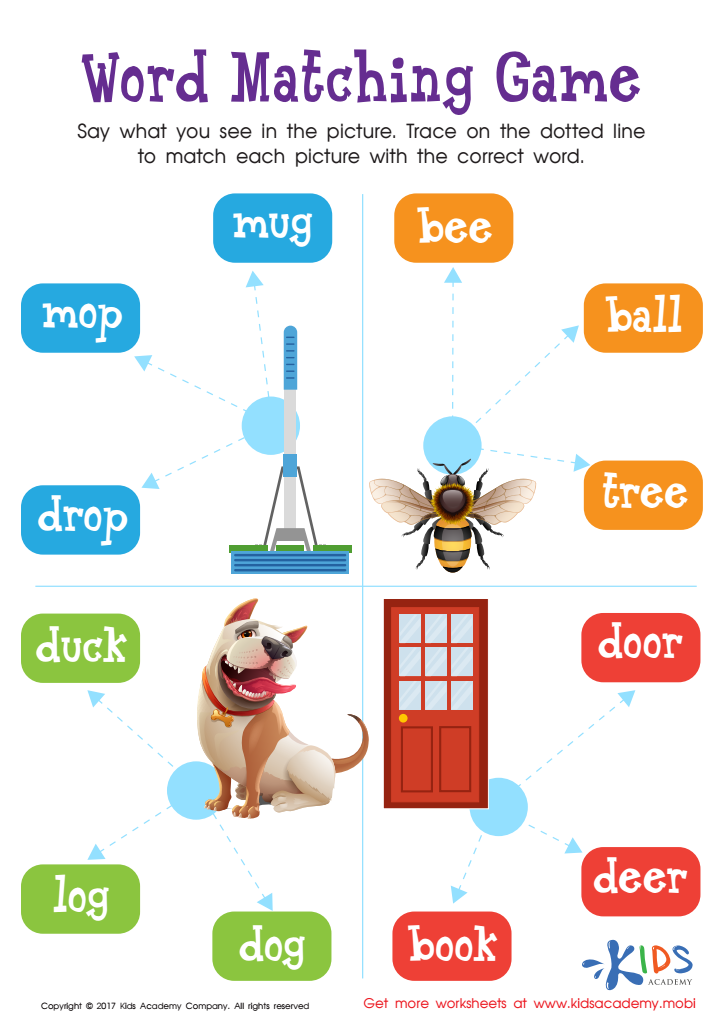
Word Matching Game Worksheet








Cognitive development in early childhood lays the foundation for lifelong learning, and phonics plays a critical role in this process, especially for 5-year-olds. Understanding normal phonics development helps parents and teachers identify the appropriate strategies and tools to support literacy skills in young children. This age is a crucial period for language acquisition, where children begin to understand letter sounds, word formation, and the basics of reading.
When children grasp phonics, they become more confident readers, which enhances their cognitive skills and boosts their overall academic performance. Engaging in phonics activities stimulates critical thinking and encourages problem-solving as children decode words and phrase sounds. This strengthens their ability to comprehend language and improves their communication skills.
Moreover, effective early phonics education can prevent reading difficulties later on, fostering a positive attitude towards learning and exploration. Parents and teachers who prioritize phonics in cognitive development not only enrich the child's language skills but also contribute positively to their self-esteem and motivation. Creating supportive home and classroom environments enables children to thrive, ensuring that they are well-prepared for future educational challenges. Recognizing the importance of cognitive development in phonics allows adults to invest in a child's success in both literacy and life.







