Alphabet Recognition Normal Tracing Letters Worksheets for 5-Year-Olds
21 filtered results
-
From - To
Alphabet Recognition Normal Tracing Letters Worksheets for 5-Year-Olds are expertly crafted tools designed to help young learners master letter identification and formation. These engaging worksheets provide ample opportunities for children to practice tracing each letter of the alphabet, enhancing their fine motor skills and reinforcing their understanding of letter shapes. Created with age-appropriate designs and activities, these printable resources make learning fun and accessible, setting a strong foundation for reading and writing. Ideal for teachers and parents alike, these worksheets can seamlessly fit into any educational plan to support early literacy development. Visit Kids Academy today to download these essential learning aids!
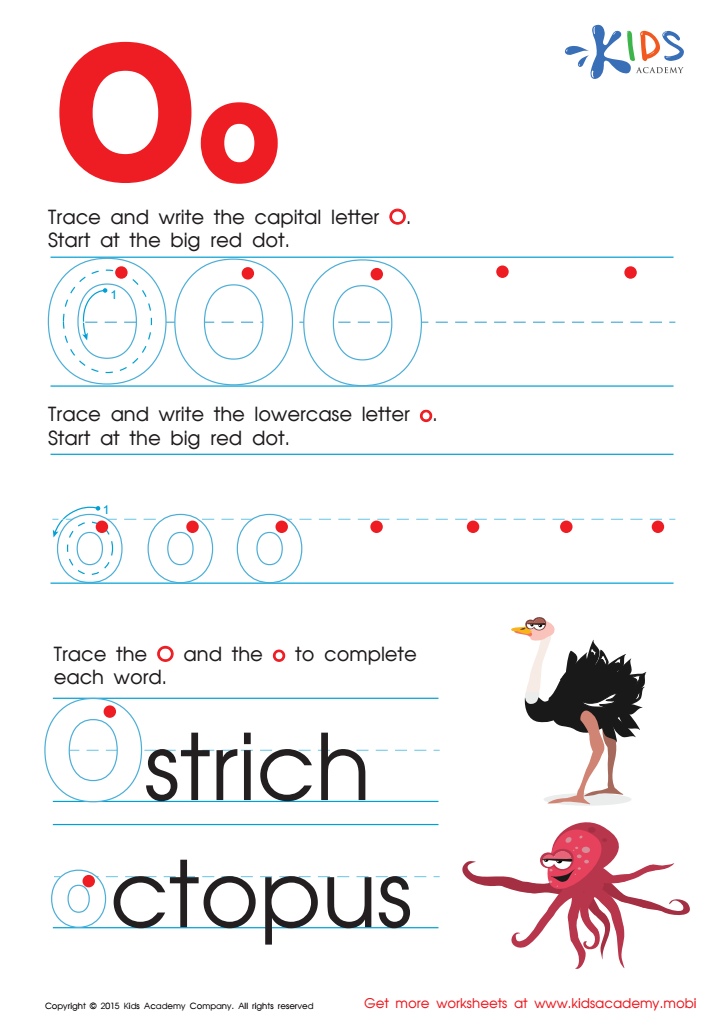
Letter O Tracing Page
 Assign to My Students
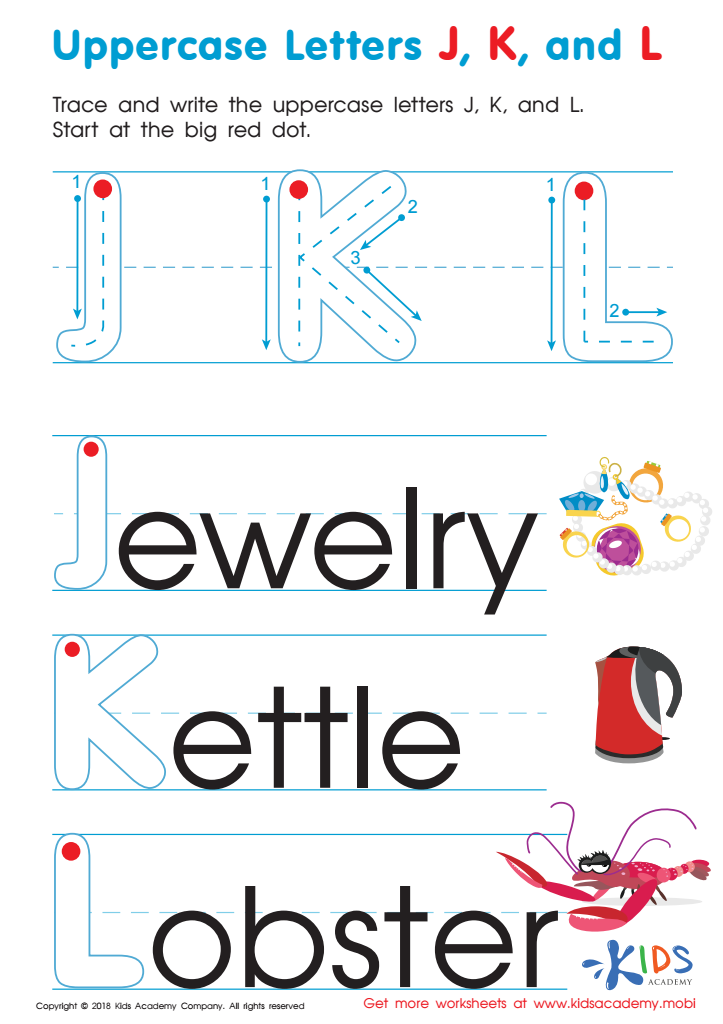
Uppercase Letters J, K, and L Worksheet
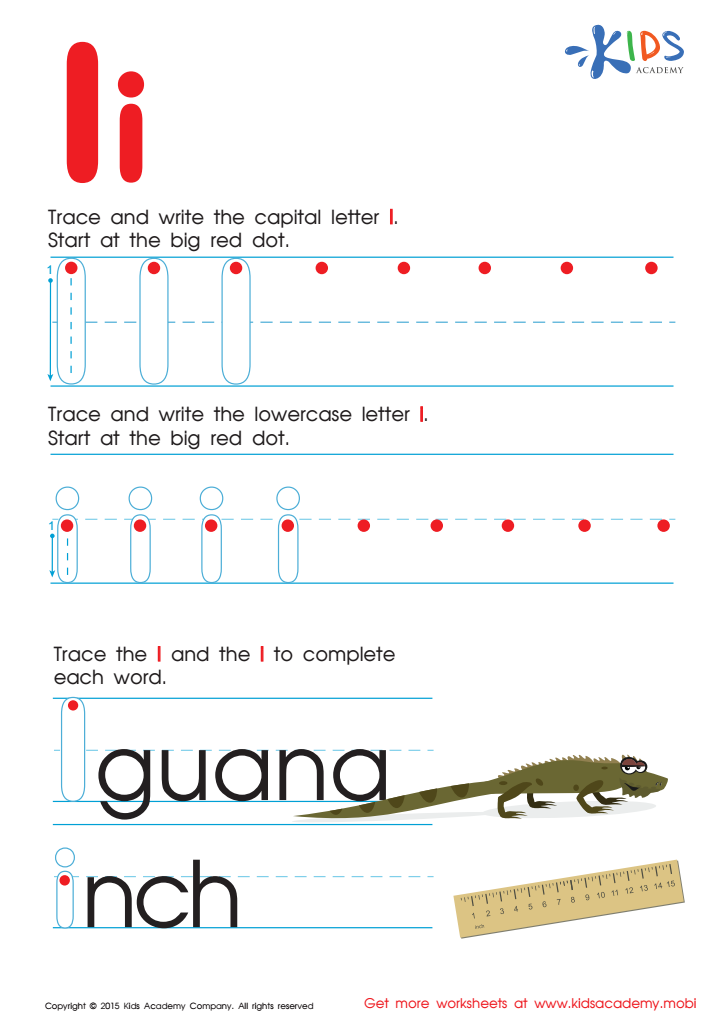
Letter I Tracing Page
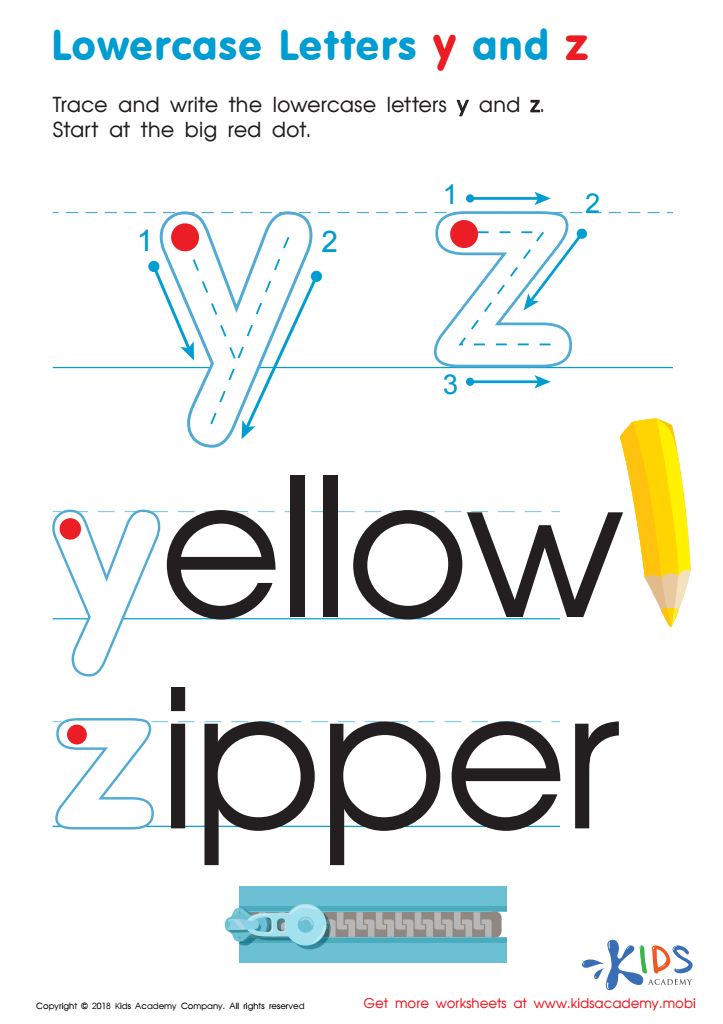
Lowercase Letters y z Worksheet
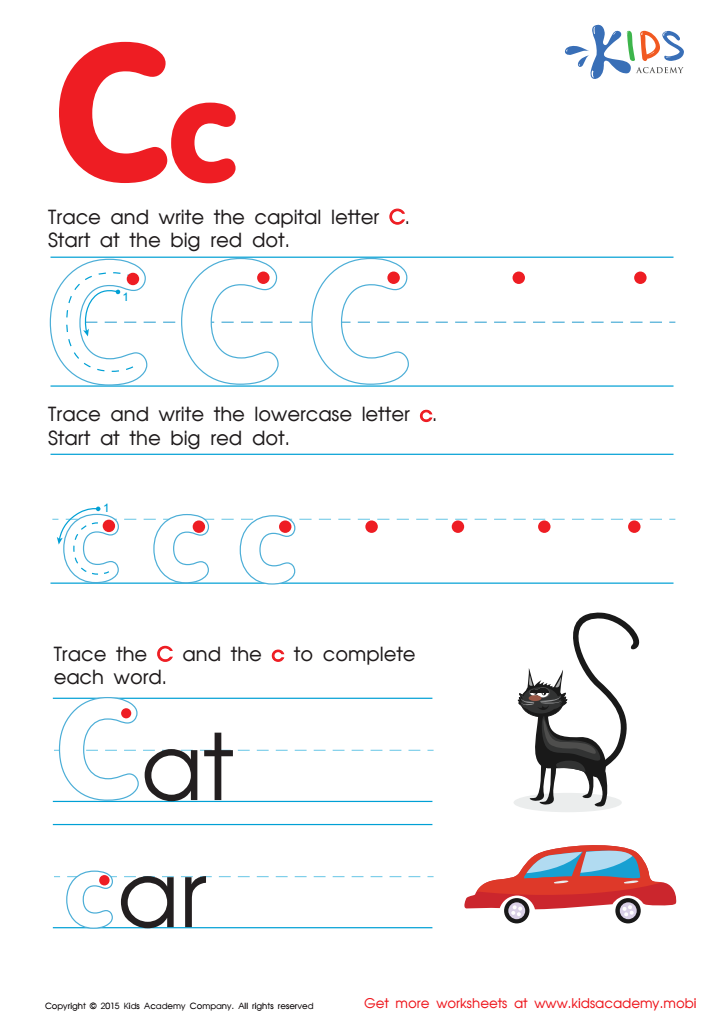
Letter C Tracing Page
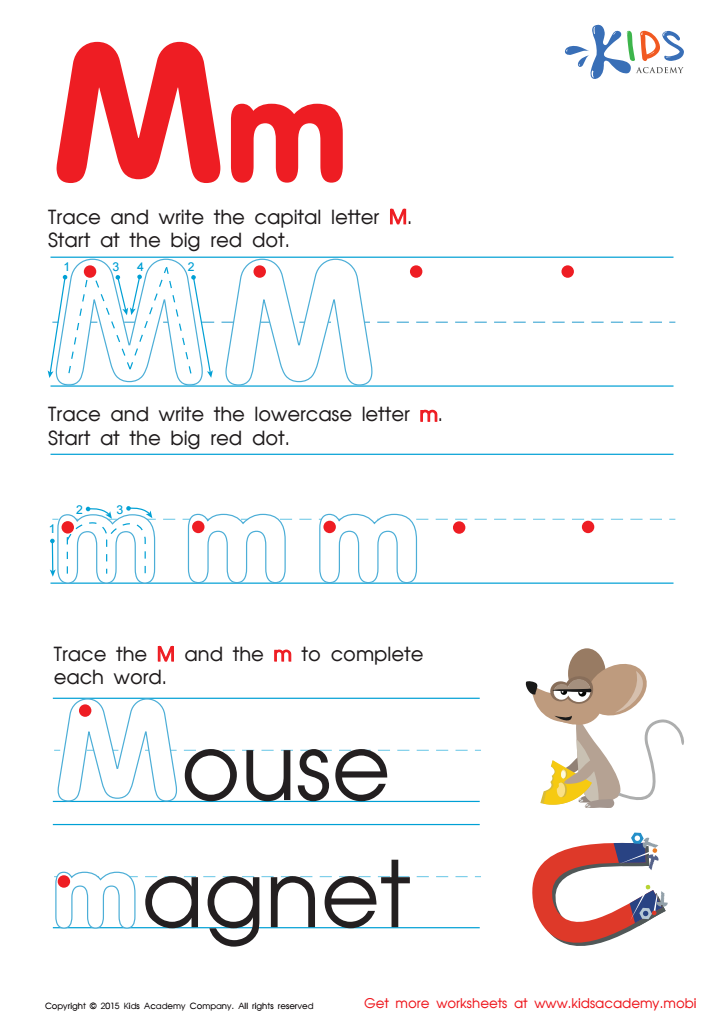
Letter M Tracing Page
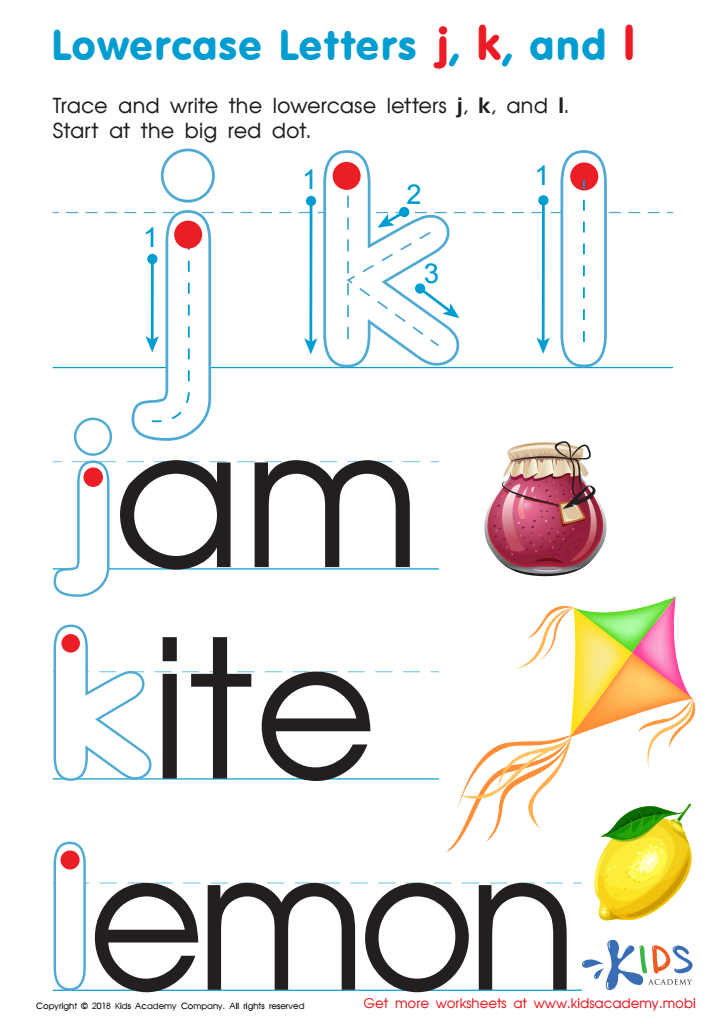
Lowercase Letters j k l Worksheet
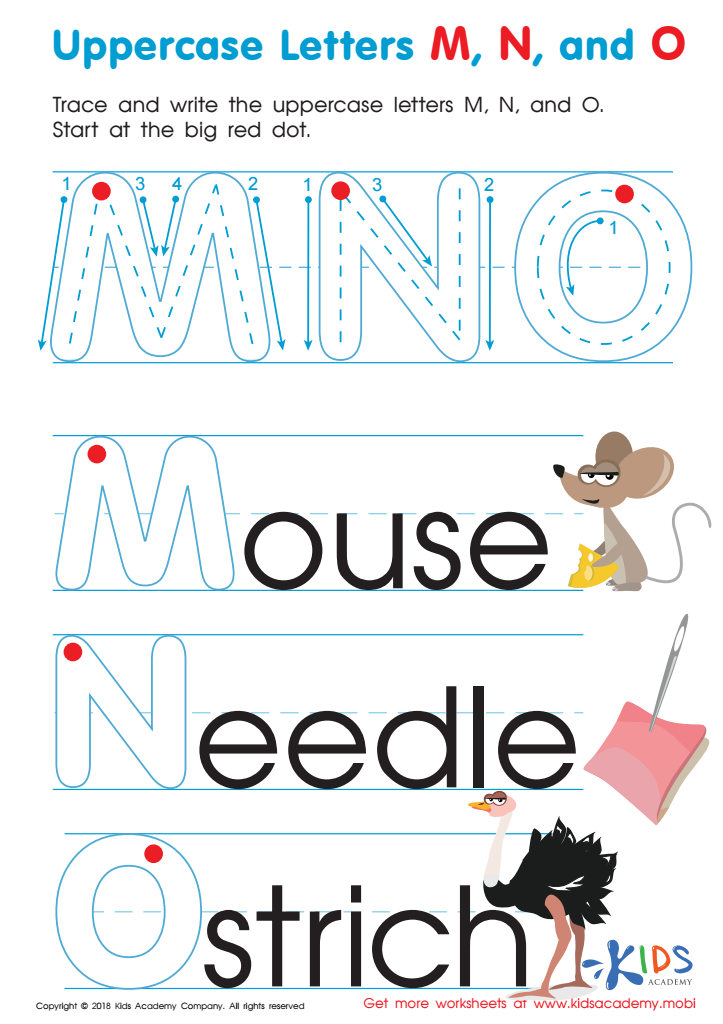
Uppercase Letters M, N, and O Worksheet
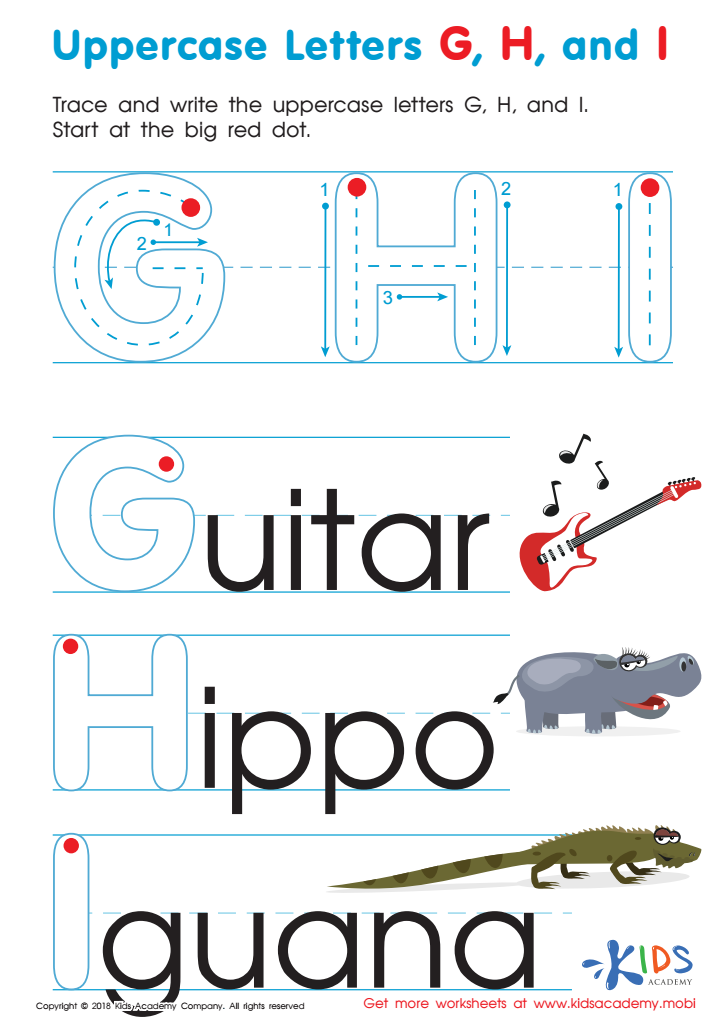
Uppercase Letters G, H, and I Worksheet
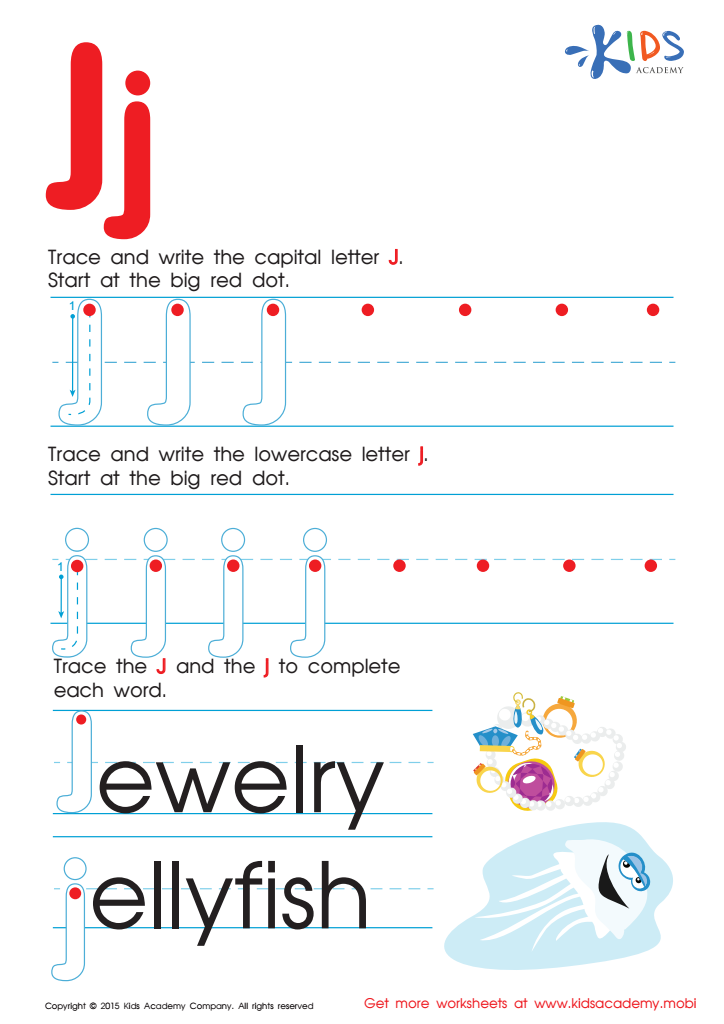
Letter J Tracing Page

Letter E Tracing Worksheet

Lowercase Letters m n o Worksheet
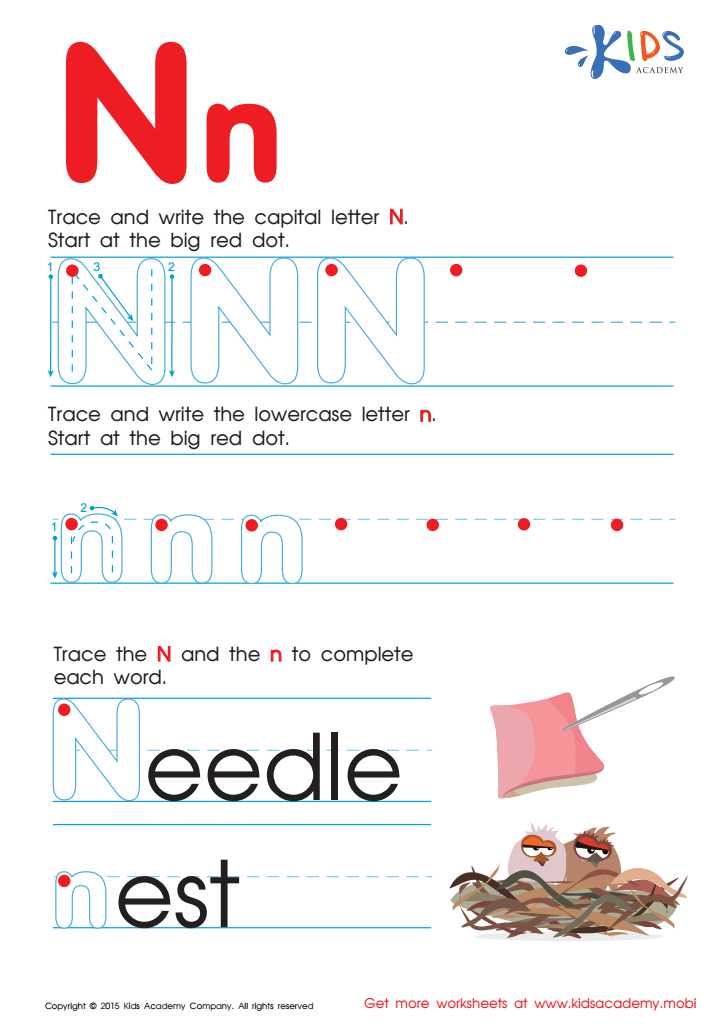
Letter N Tracing Page
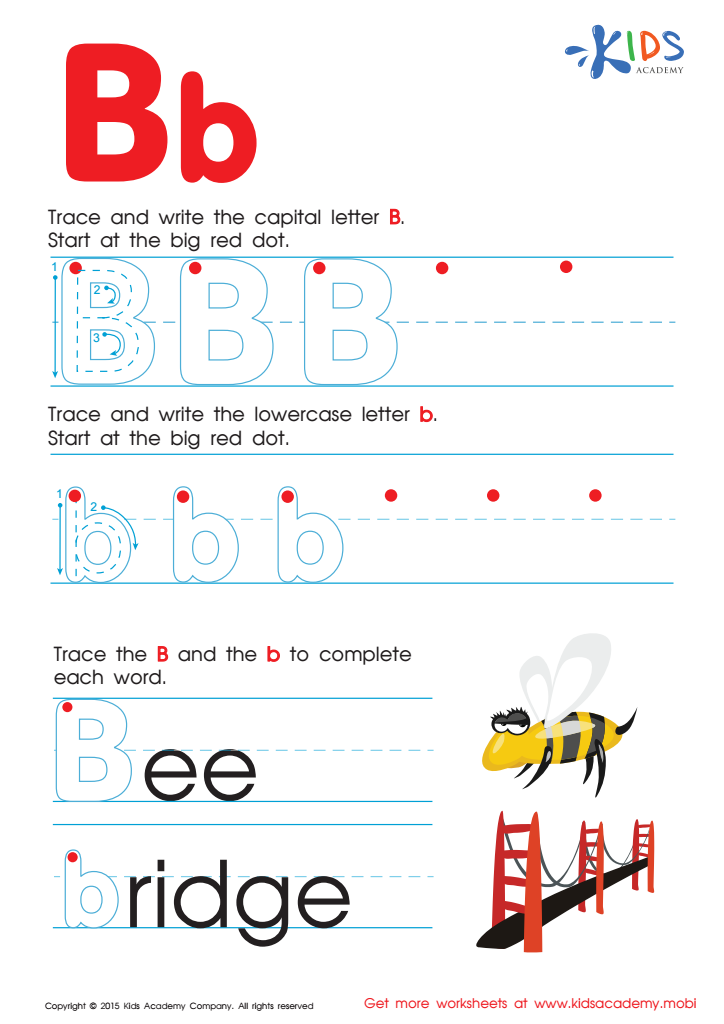
Letter B Tracing Page
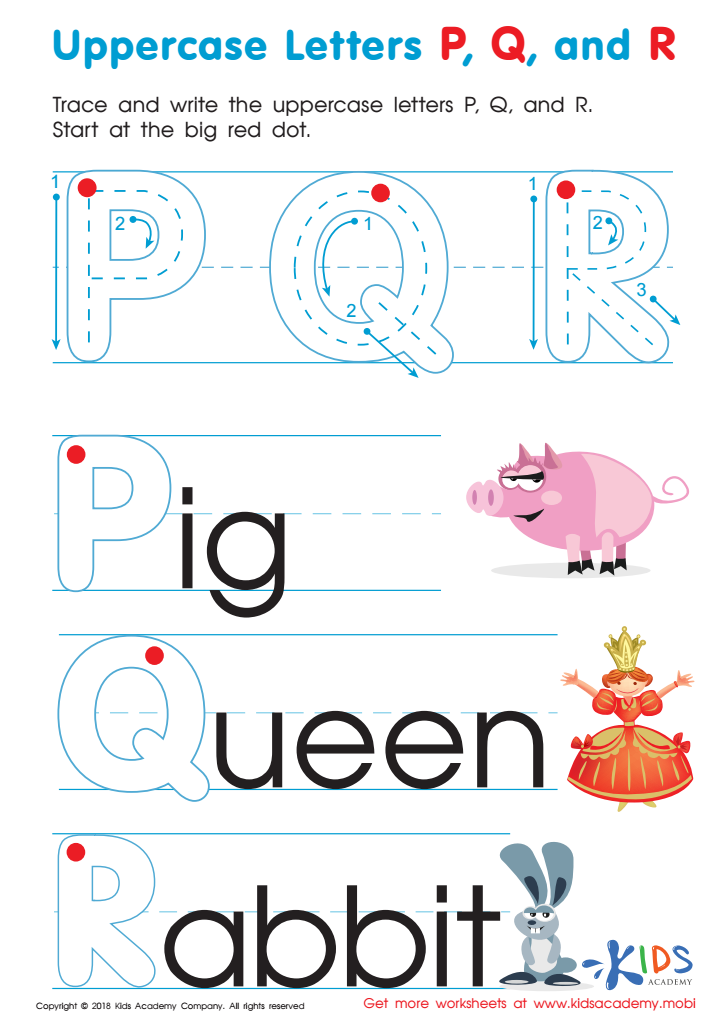
Uppercase Letters P, Q, and R Worksheet
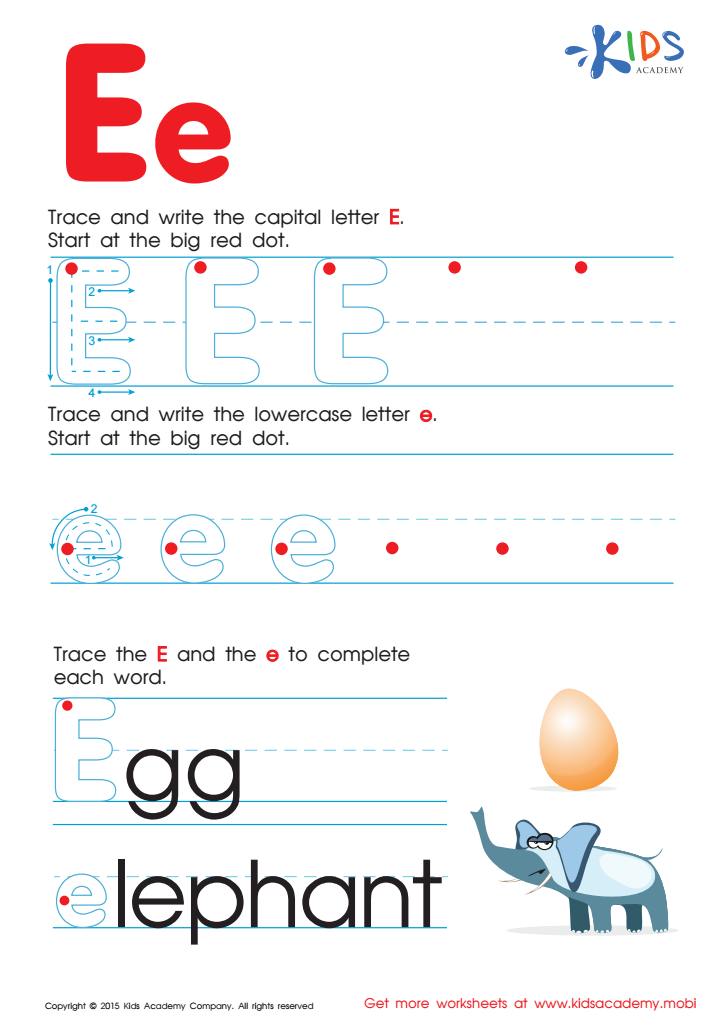
Letter E Tracing Page
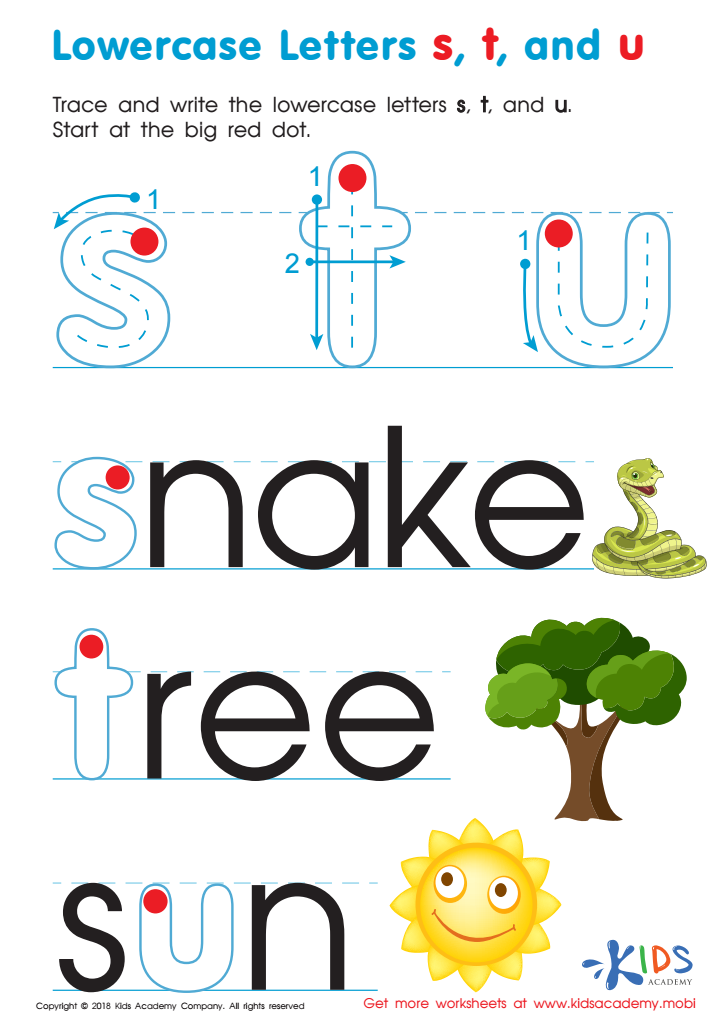
Lowercase Letters s t u Worksheet
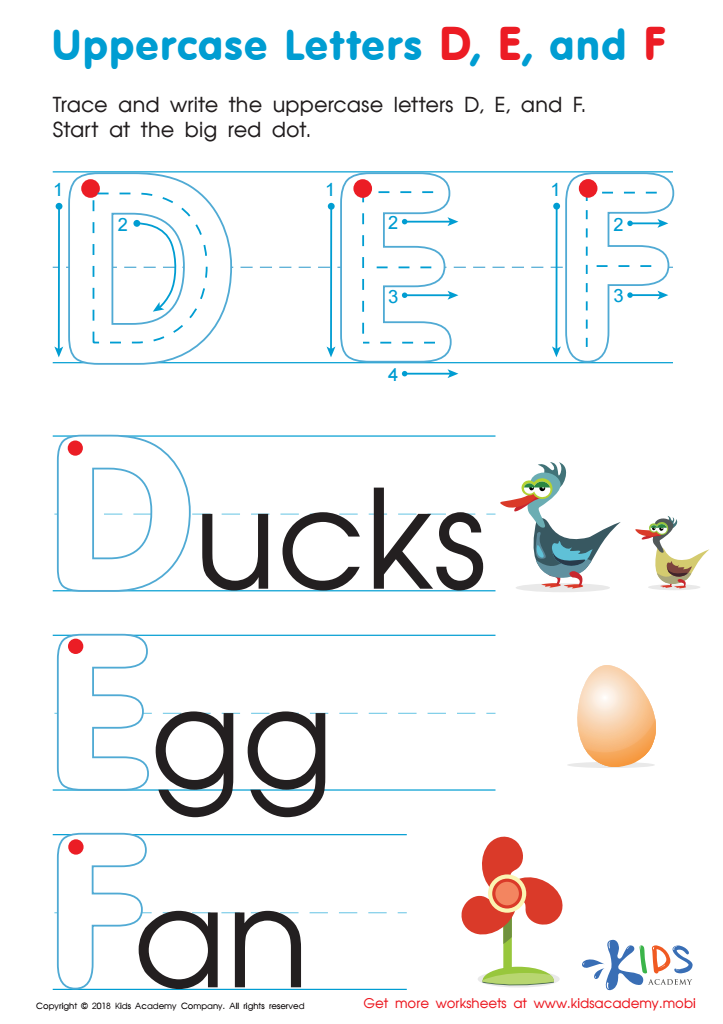
Uppercase Letters D, E, and F Worksheet
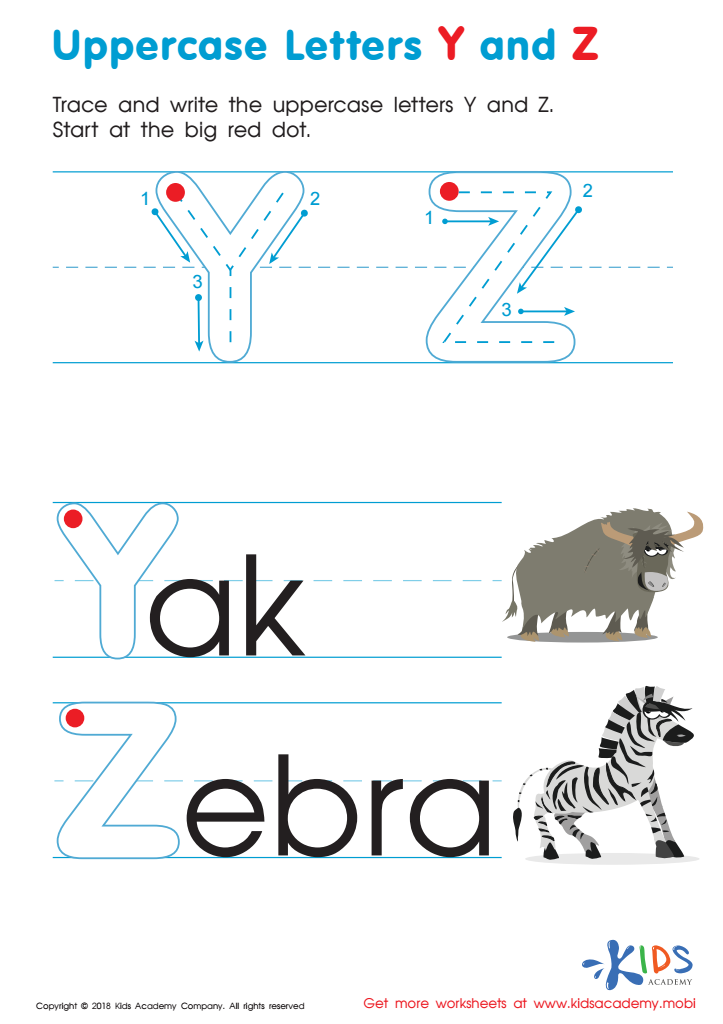
Uppercase Letters Y Z Worksheet
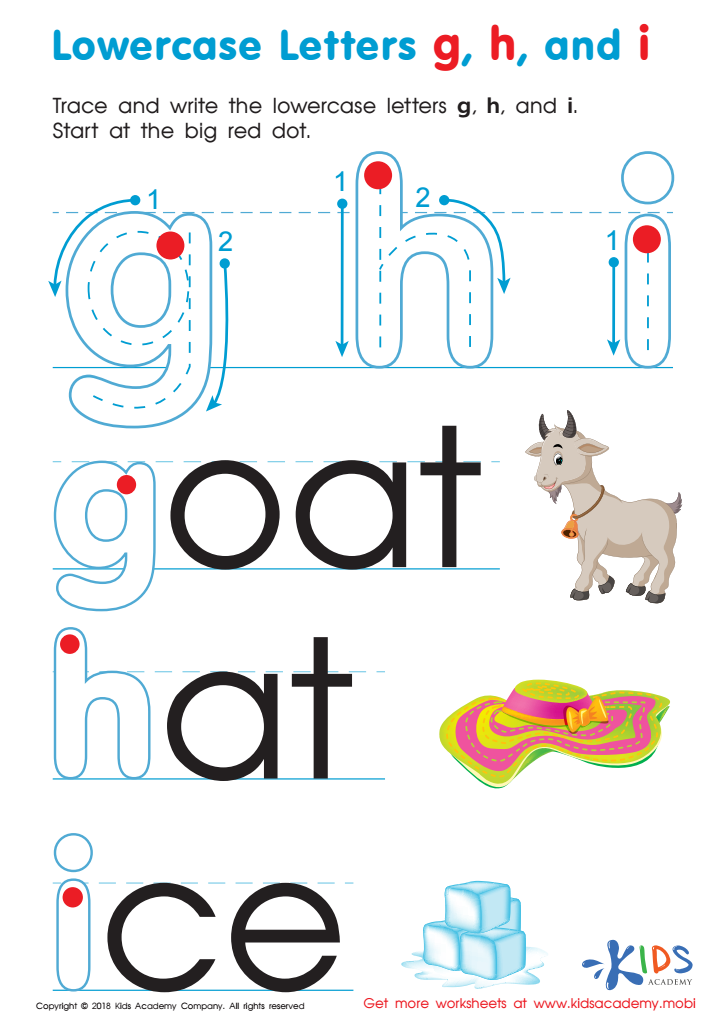
Lowercase Letters g h i Worksheet
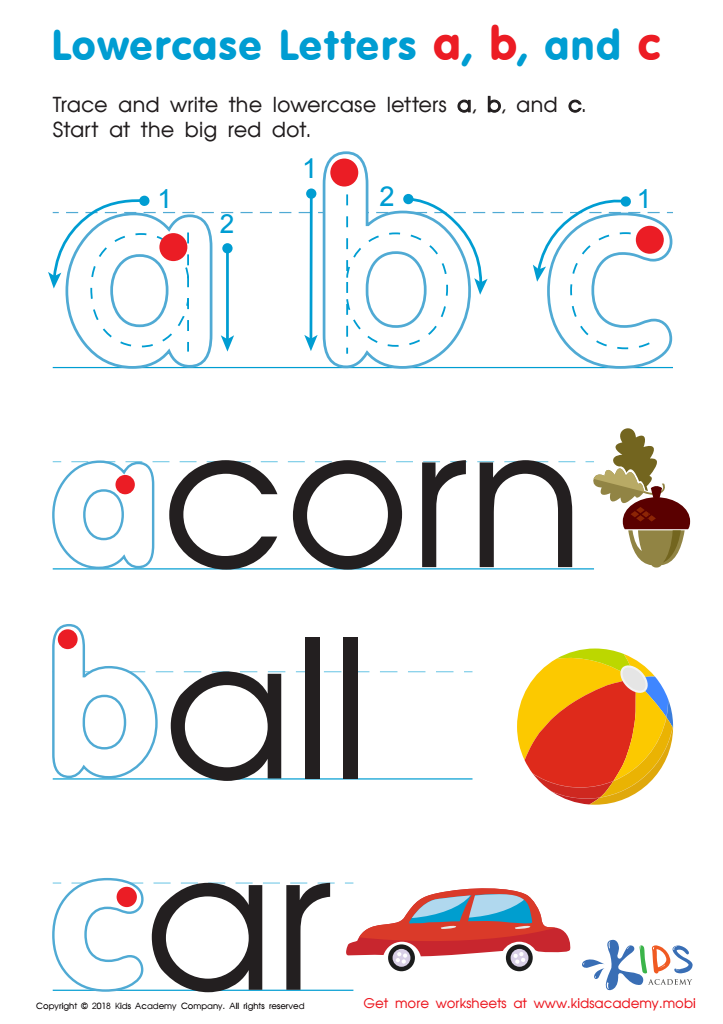
Lowercase Letters a b c Worksheet








Parents and teachers should care about Alphabet Recognition and Normal Tracing Letters for 5-year-olds because these foundational skills are critical stepping stones for literacy and overall academic success. At this formative age, children are in the early stages of cognitive development, making it the optimal time to introduce letter recognition and proper handwriting techniques.
Alphabet recognition is a fundamental aspect of reading readiness. Recognizing and distinguishing between letters enables children to begin making sound-letter connections, which are essential for decoding words and developing phonemic awareness. This lays the groundwork for successful reading skills, which are crucial for learning across all subjects.
Normal tracing letters help in refining fine motor skills and hand-eye coordination. By practicing tracing, children gain control over their handwriting, which contributes to clearer and more efficient writing. This skill is essential not only for academic tasks like taking notes and writing assignments but also for everyday activities.
Moreover, these skills build confidence and encourage a positive attitude towards learning. When children recognize letters and trace them accurately, they feel a sense of accomplishment. This boosts their self-esteem and motivates them to tackle more complex tasks. Therefore, early attention to these skills can foster lifelong learning habits and academic achievement.








