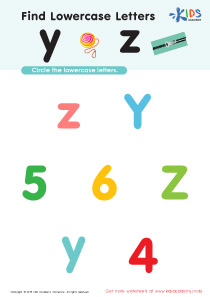
Handwriting practice Normal Uppercase Letters Worksheets for 5-Year-Olds
6 filtered results
-
From - To
Help your 5-year-old master their writing skills with our Handwriting Practice Normal Uppercase Letters Worksheets. These engaging and colorful worksheets are designed specifically for young learners, allowing them to familiarize themselves with each uppercase letter in a fun and interactive way. Each worksheet features traceable letters to promote correct letter formation, along with ample practice space for children to reinforce their learning. Perfect for at-home practice or classroom activities, these worksheets not only enhance handwriting skills but also boost confidence in writing. Encourage your child’s love for learning while they develop essential skills that serve as the foundation for future literacy!
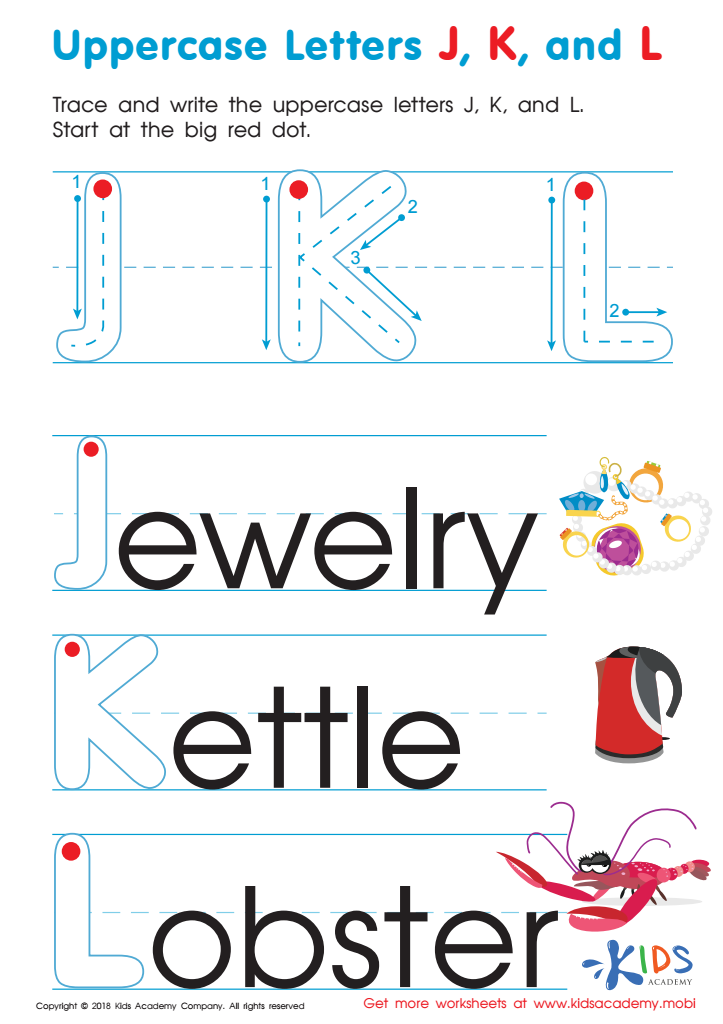
Uppercase Letters J, K, and L Worksheet
 Assign to My Students
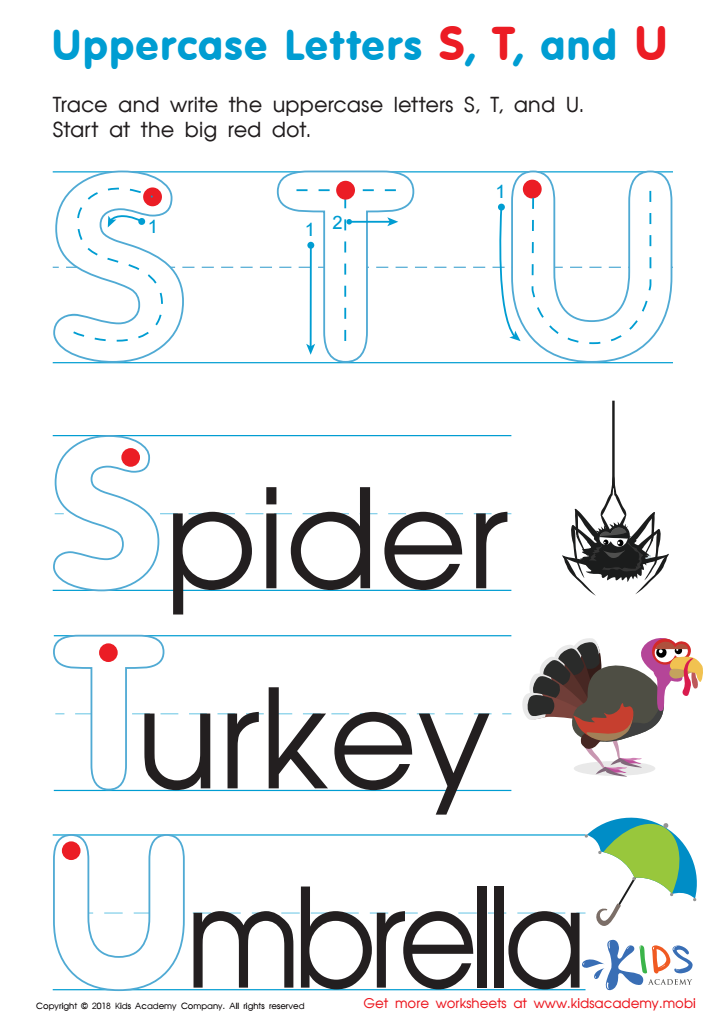
Uppercase Letters S, T, and U Worksheet
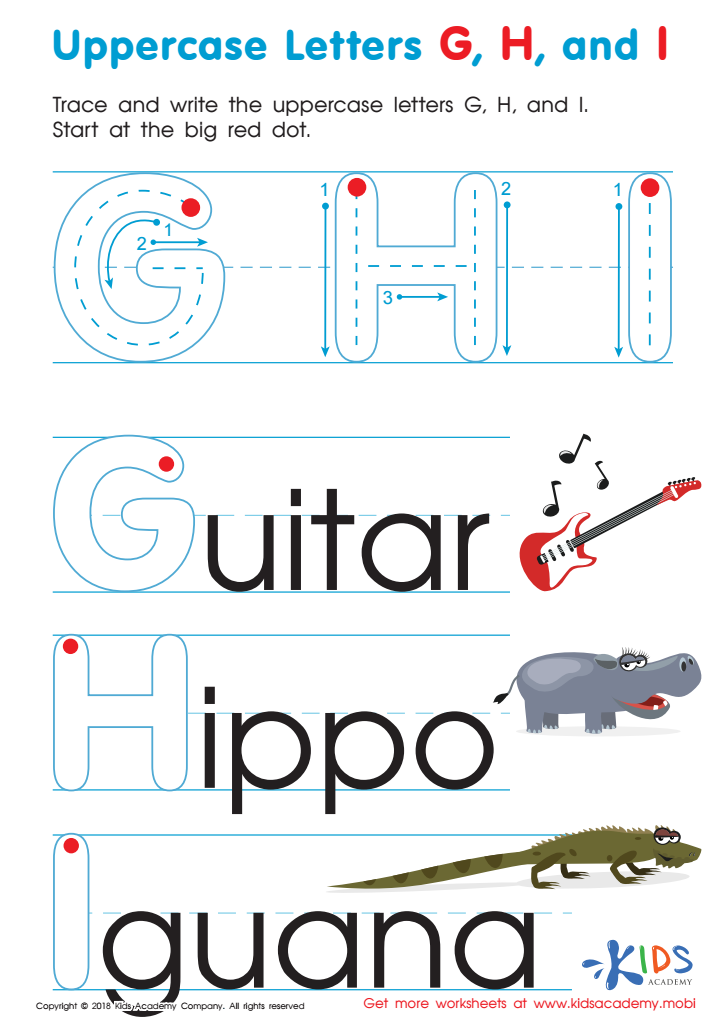
Uppercase Letters G, H, and I Worksheet
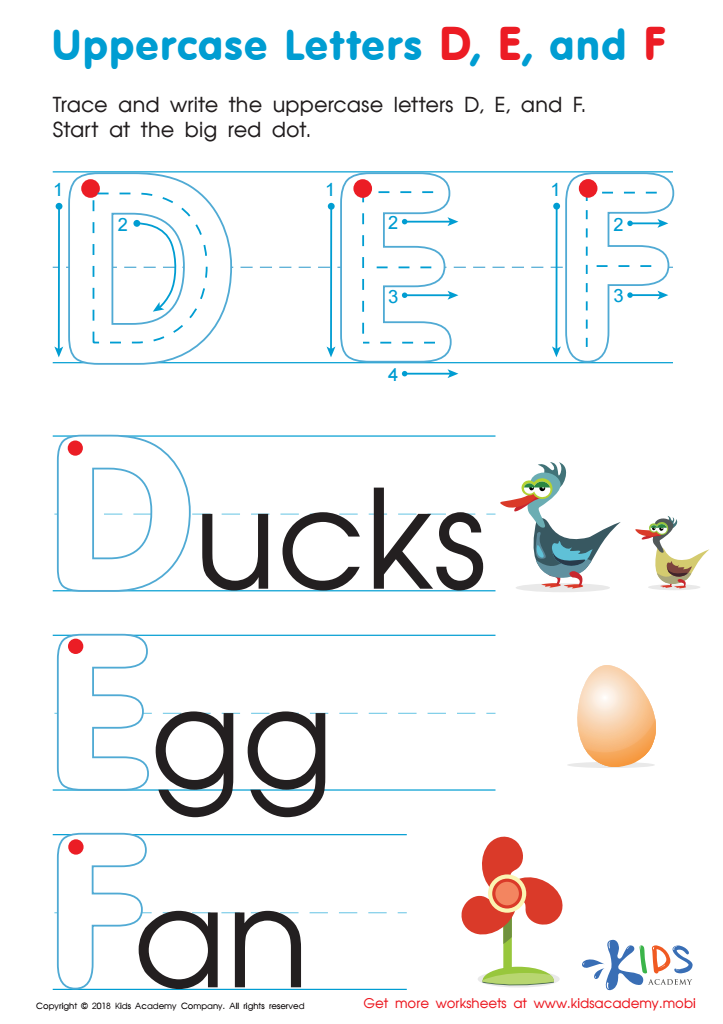
Uppercase Letters D, E, and F Worksheet
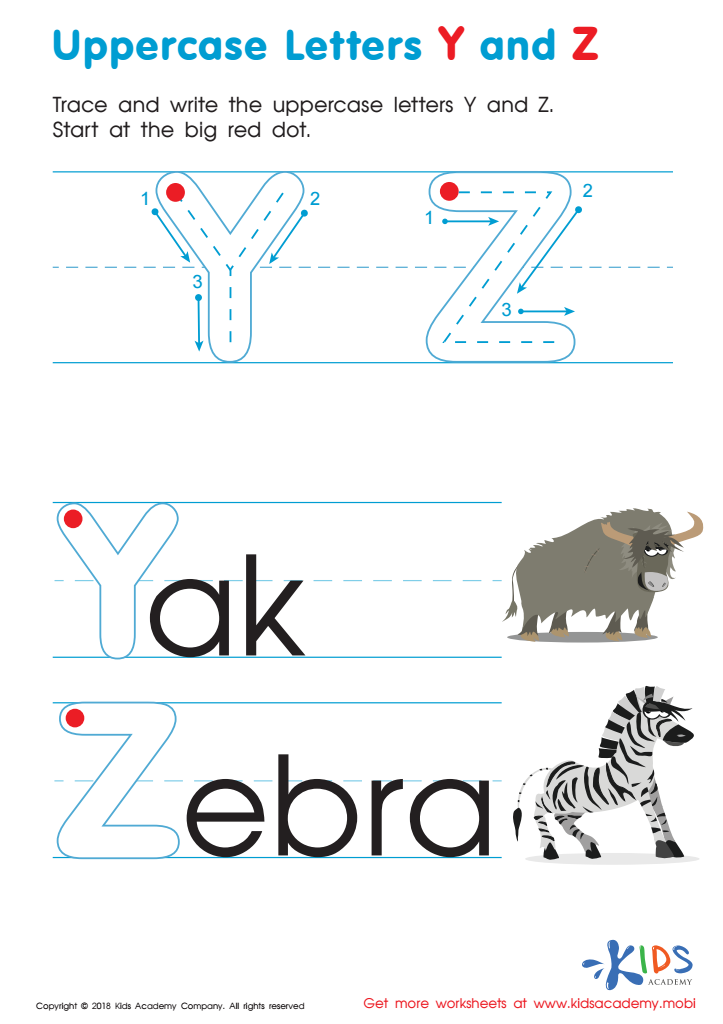
Uppercase Letters Y Z Worksheet
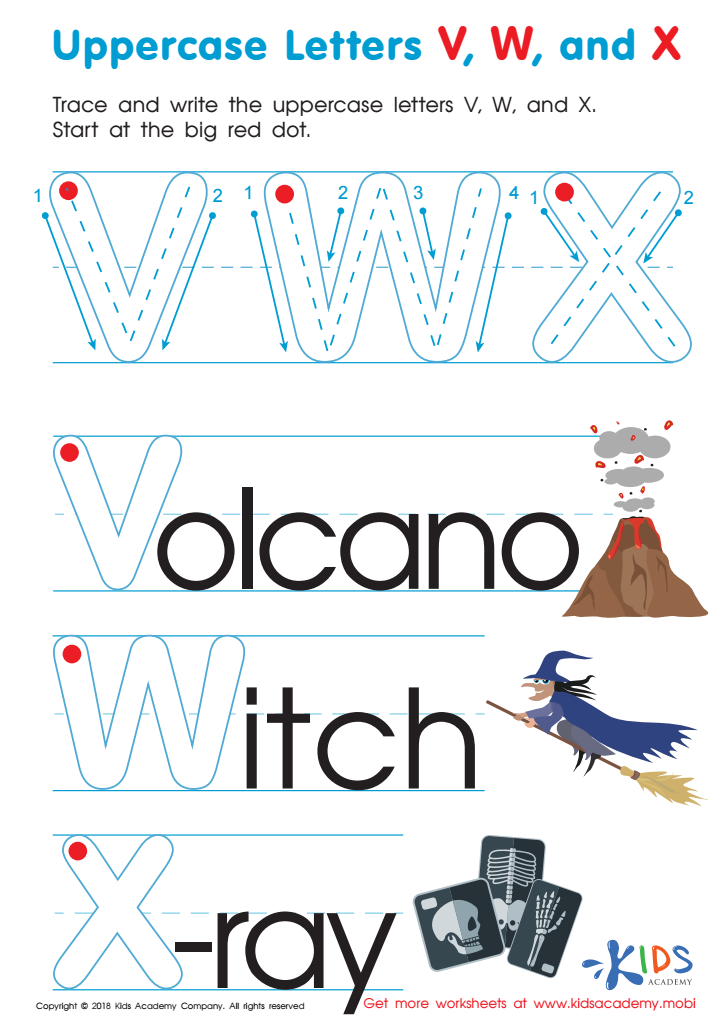
Uppercase Letters V, W, and X Worksheet








Handwriting practice for 5-year-olds, particularly normal uppercase letters, is crucial for several reasons. Firstly, developing fine motor skills is essential at this age, as these skills lay the foundation for many activities, including writing, drawing, and using tools. Practicing uppercase letters requires children to refine their grip and control over writing instruments, enhancing dexterity and coordination.
Additionally, mastering uppercase letters can boost a child's confidence in their writing abilities. Uppercase letters are often the first letters introduced to children, and successfully recognizing and forming them can foster a sense of accomplishment. This positive experience encourages children to embrace writing, making them more likely to engage in literacy activities willingly.
Furthermore, good handwriting is essential for effective communication. Clear, legible writing impacts how well ideas are conveyed and understood by others. Establishing proper handwriting habits at an early age can carry over into later grades, significantly affecting a child's academic performance.
Lastly, handwriting practice can also enhance cognitive development. The process of forming letters reinforces letter recognition, phonetics, and memory, critical components of early literacy skills. By supporting handwriting practice, parents and teachers actively contribute to a child's comprehensive developmental journey.