Fine motor skills development Normal Worksheets for 5-Year-Olds
6 filtered results
-
From - To
Our "Fine Motor Skills Development Normal Worksheets for 5-Year-Olds" are expertly designed to enhance your child's dexterity and precision. Through engaging and fun activities, our worksheets help young learners improve their hand-eye coordination, grip strength, and control. These exercises are tailored for preschoolers, making learning an enjoyable experience. From tracing lines to cutting and pasting, each task encourages creativity while fostering essential fine motor skills. Perfect for both classroom and at-home use, these worksheets provide a solid foundation for future academic success. Explore our collection today and watch your child's motor skills flourish through play-based learning!
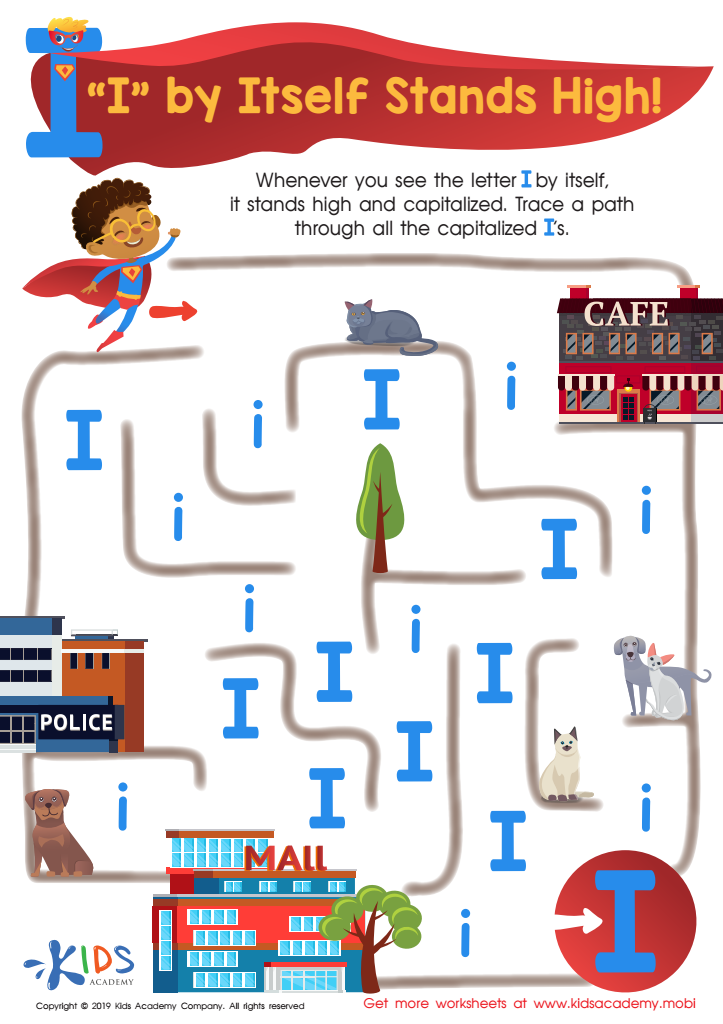
I Stands High Worksheet
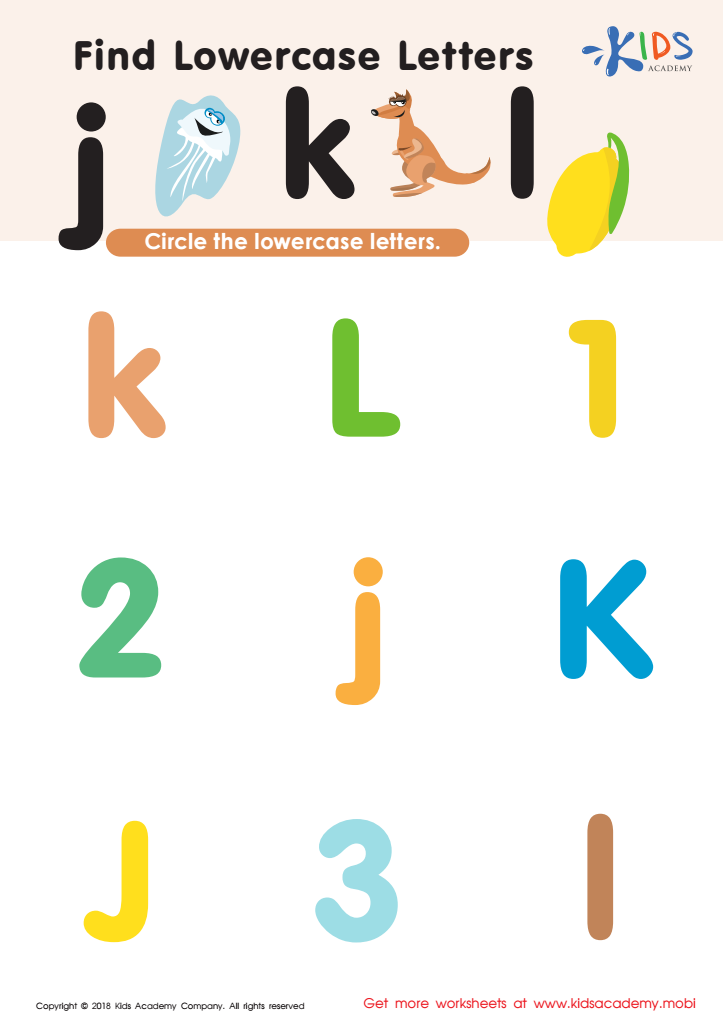
Find Lowercase Letters j k l Worksheet
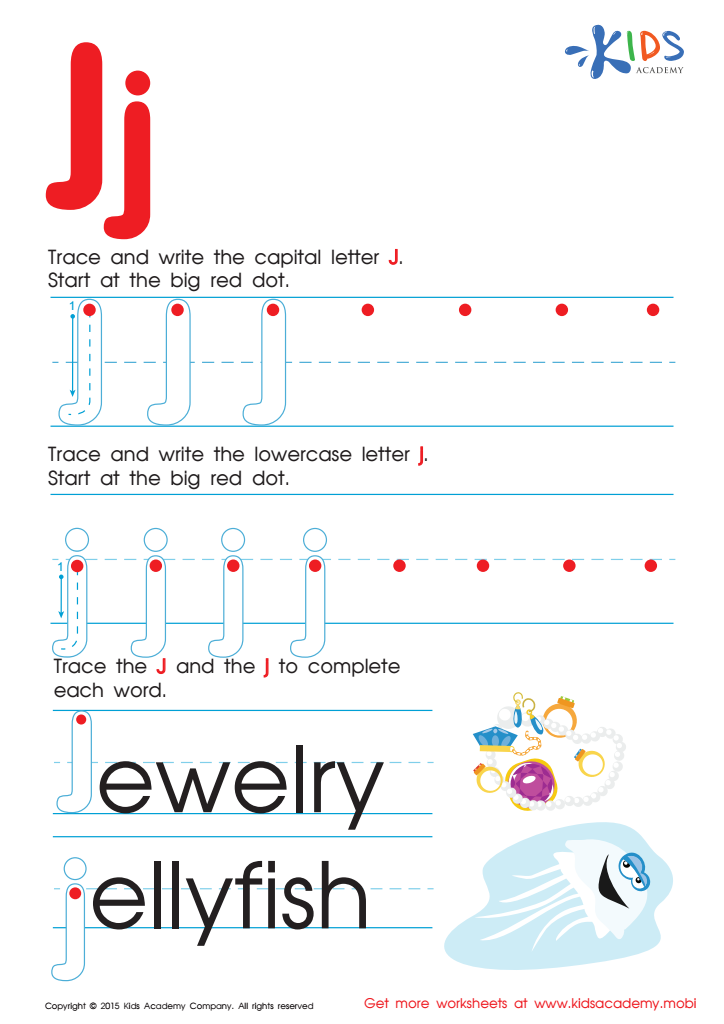
Letter J Tracing Page
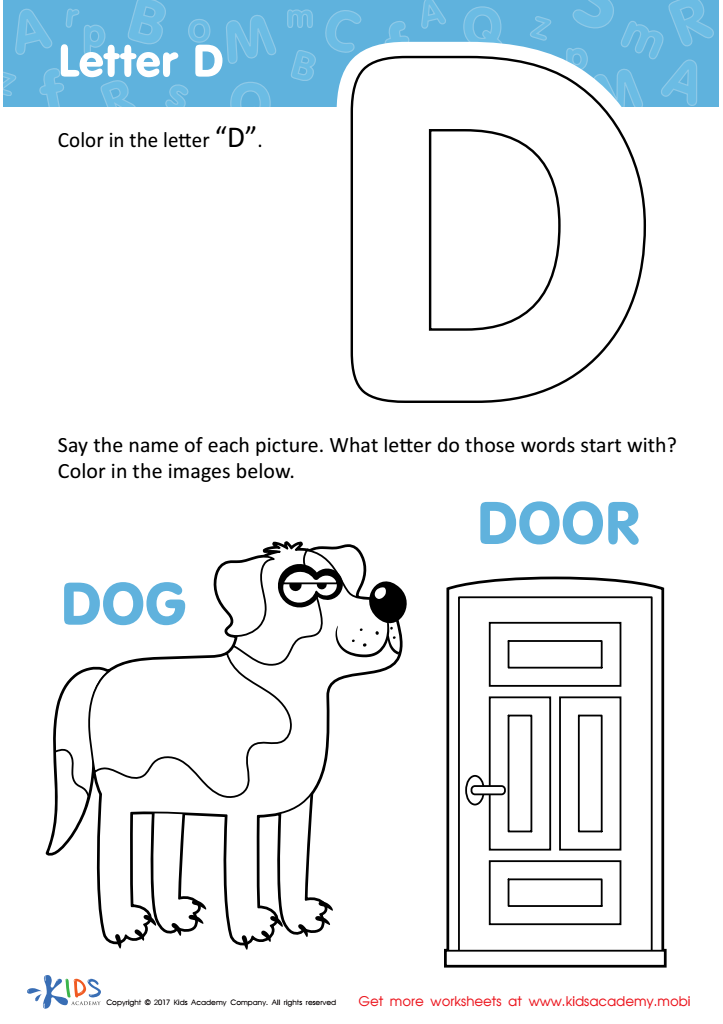
Letter D Coloring Sheet
 Assign to My Students
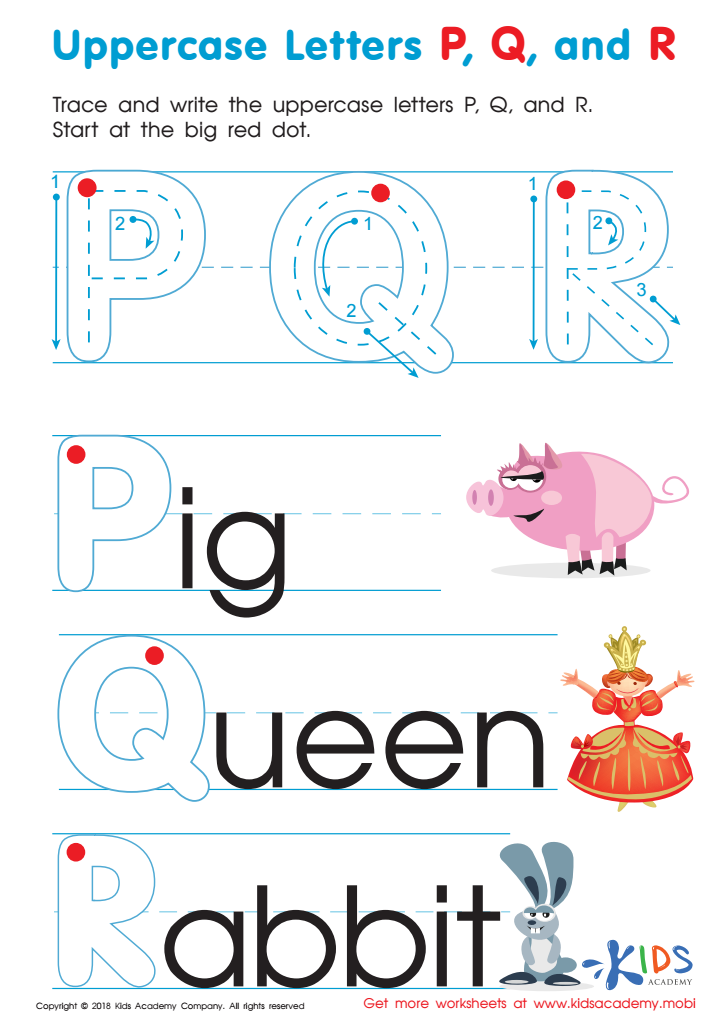
Uppercase Letters P, Q, and R Worksheet
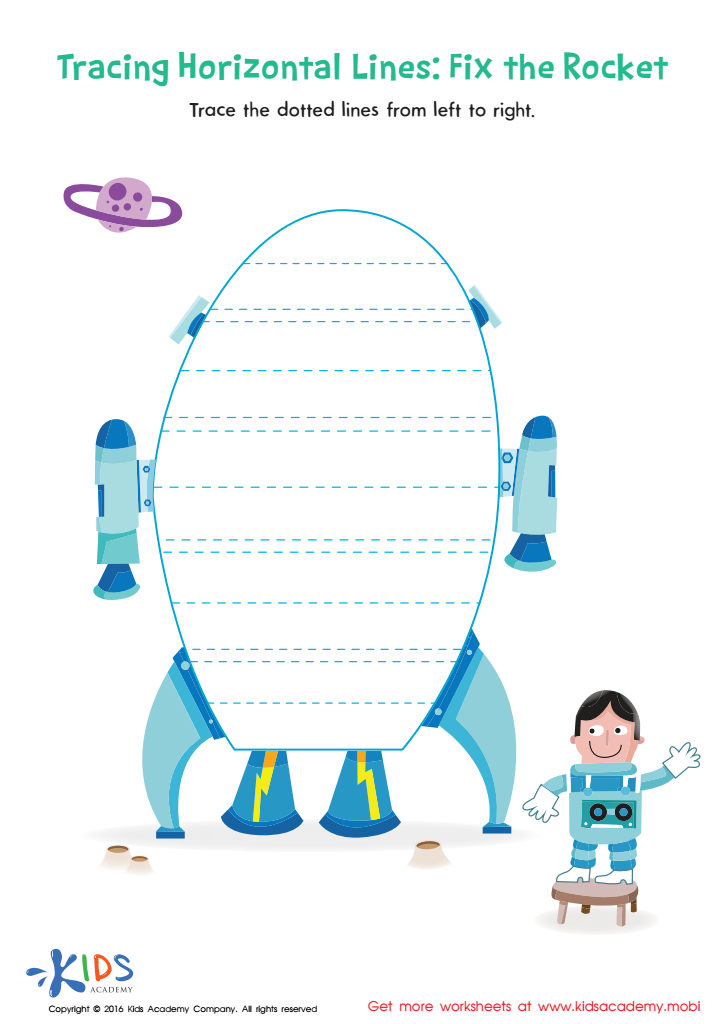
Tracing Horizontal Lines Worksheet







Fine motor skills development is crucial for 5-year-olds because it lays the foundation for numerous essential tasks they need as they grow older. Fine motor skills involve the small muscles of the hands and fingers, enabling children to perform tasks like holding a pencil, cutting with scissors, buttoning clothes, and tying shoelaces. Perfecting these skills directly influences a child's independence and self-confidence, especially as they start school, where they will be required to write, color, and handle books and tools.
Strong fine motor skills contribute significantly to academic achievement. For example, being able to write legibly helps children express their ideas more clearly in schoolwork. Moreover, fine motor skills are closely linked with cognitive development. Tasks that require hand-eye coordination, such as puzzles and building blocks, enhance problem-solving abilities and spatial awareness.
Early development of these skills can also have long-term benefits, including better preparedness for more complex tasks in the future, such as typing and using technology. Neglecting fine motor skills development can lead to frustration and learning difficulties, so it's vital for parents and teachers to encourage and provide activities that develop these skills, such as crafts, manipulative toys, and interactive games. This proactive approach can result in well-rounded growth and a smoother educational journey for children.








