Number Sequencing Normal Worksheets for 5-Year-Olds
6 filtered results
-
From - To
Introduce your 5-year-old to the exciting world of numbers with our Number Sequencing Normal Worksheets. Designed to develop essential math skills, these engaging activities help young learners understand numerical order effortlessly. Each worksheet features colorful illustrations and simple exercises tailored for preschoolers, ensuring they stay focused and entertained. By practicing with our worksheets, children enhance their number recognition, counting abilities, and logical thinking. Perfect for homeschool or additional practice, these resources support a strong mathematical foundation in a fun and interactive way. Unlock your child’s potential today with our expert-crafted sequencing worksheets available at Kids Academy!
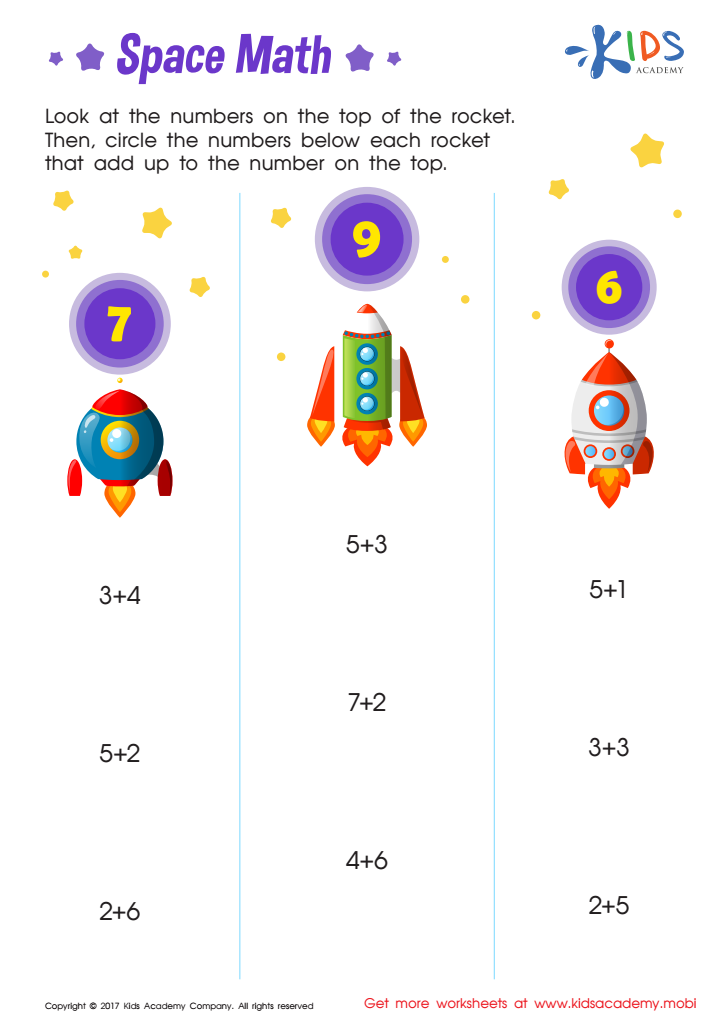
Addition: Space Math Worksheet
 Assign to My Students
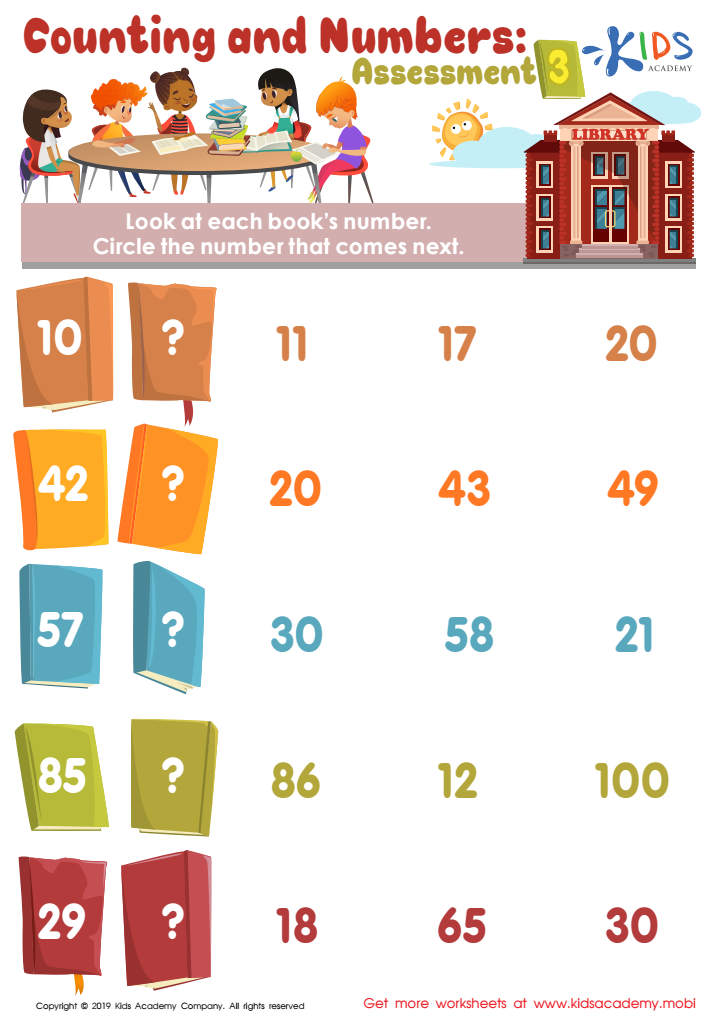
Counting and Numbers: Assessment Worksheet
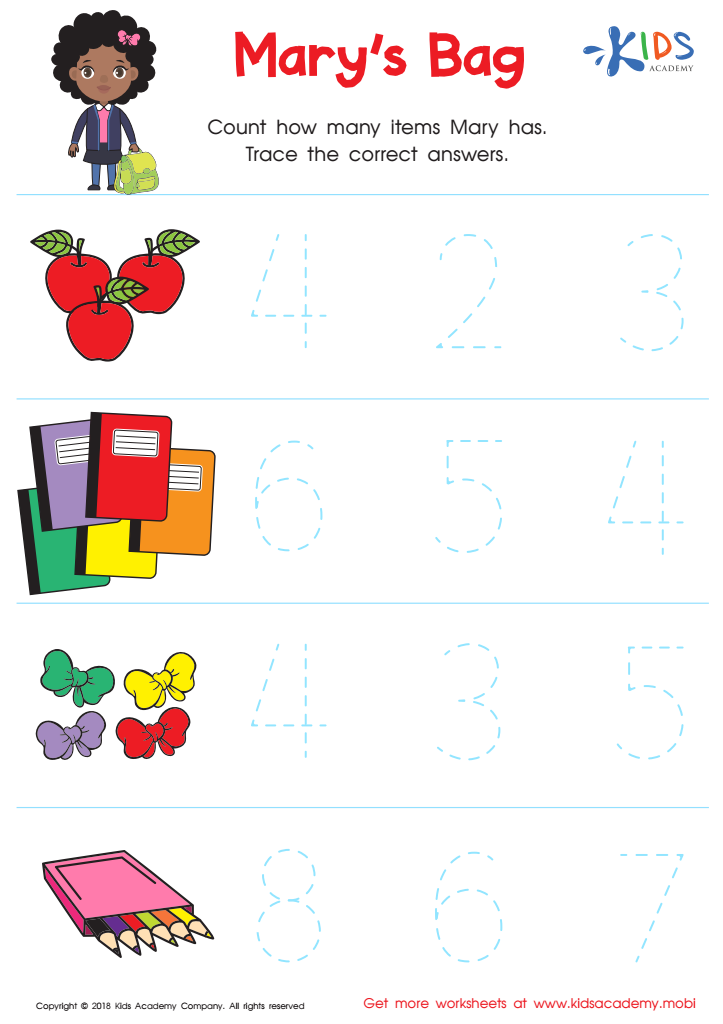
Kindergarten Number Tracing: Mary's Bag Worksheet
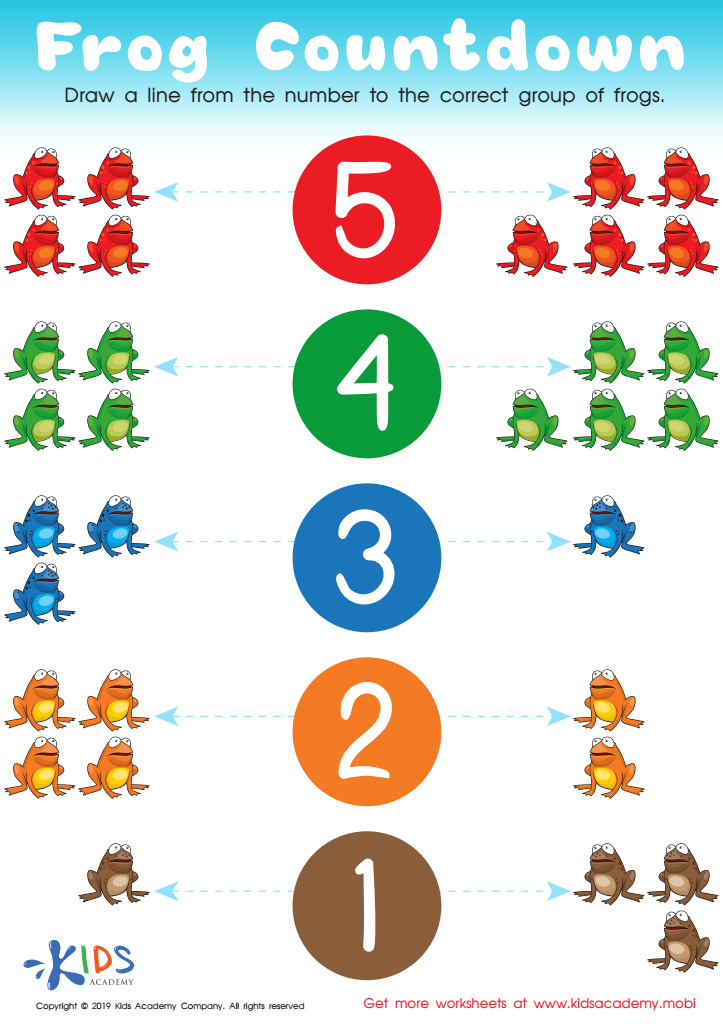
Frog Countdown Worksheet
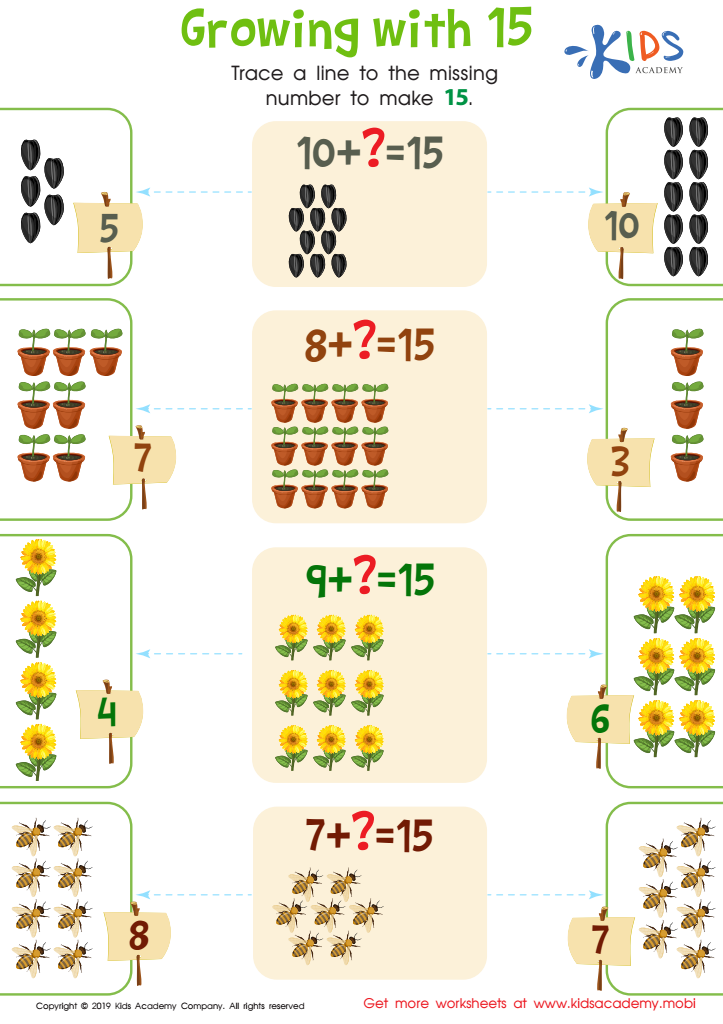
Growing with 15 Worksheet
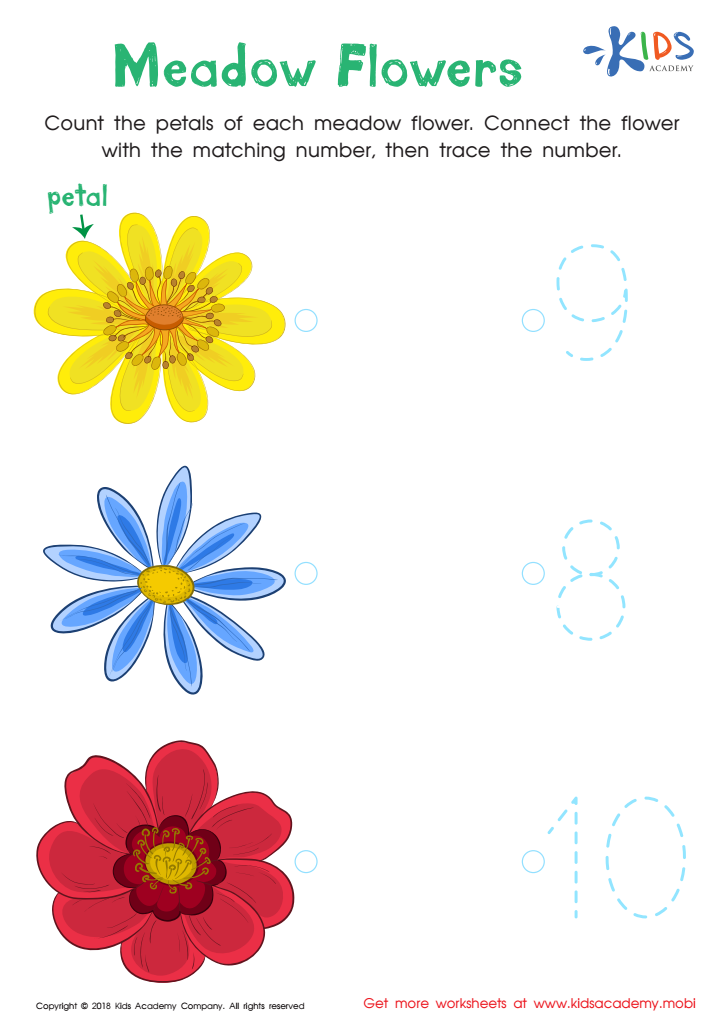
Kindergarten Number Tracing: Medow Flowers Worksheet








Number sequencing is fundamental for 5-year-olds as it forms the basis for their mathematical development and everyday functioning. When parents and teachers prioritize number sequencing, they’re fostering essential cognitive skills, such as logical thinking and problem-solving. Understanding how numbers follow a specific order helps children grasp concepts of time, measurement, and patterns, which are pervasive in daily life. For example, knowing that 1 comes before 2 or after 0 helps them comprehend the sequence of days, weeks, or follow instructions accurately.
Moreover, mastering number sequencing enhances a child's confidence in their abilities, paving the way for advanced math skills such as addition, subtraction, and eventually, multiplication and division. This readiness is important as children transition into more structured academic environments, like first grade, where math becomes more complex.
When teachers and parents actively engage children in sequencing activities—such as counting games, puzzles, or everyday tasks like setting the table—they make learning fun and interactive. This integration can also support language development, motor coordination, and attention to detail. Hence, encouraging number sequencing in 5-year-olds is crucial for building a strong foundation that supports all areas of their growth and future academic success.








