Color recognition Normal Math Worksheets for 5-Year-Olds
6 filtered results
-
From - To
Enhance your 5-year-old's learning journey with our Color Recognition Normal Math Worksheets! Designed to make learning fun and engaging, these worksheets introduce young learners to essential math concepts through vibrant colors. Children will explore color identification while practicing counting, sorting, and basic addition. Each worksheet offers interactive activities that promote critical thinking and enhance hand-eye coordination. Perfect for homeschooling or classroom use, these worksheets are a wonderful resource for reinforcing color recognition alongside foundational math skills. Download our Color Recognition Normal Math Worksheets today and watch your child develop important skills while enjoying the colorful world around them!
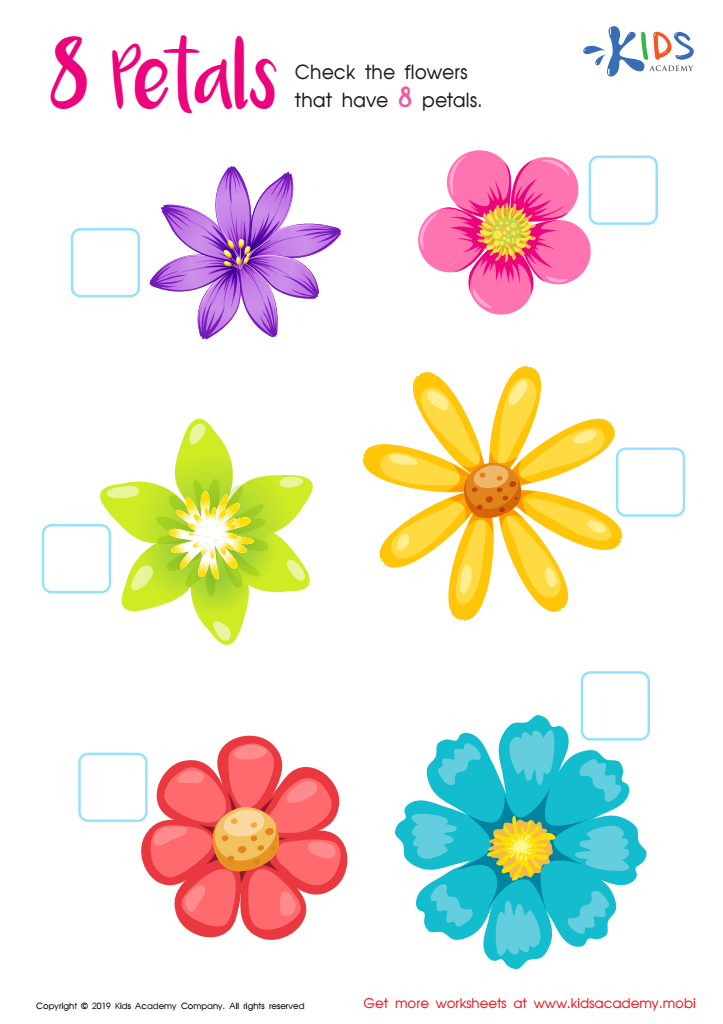
8 Petals Worksheet
 Assign to My Students
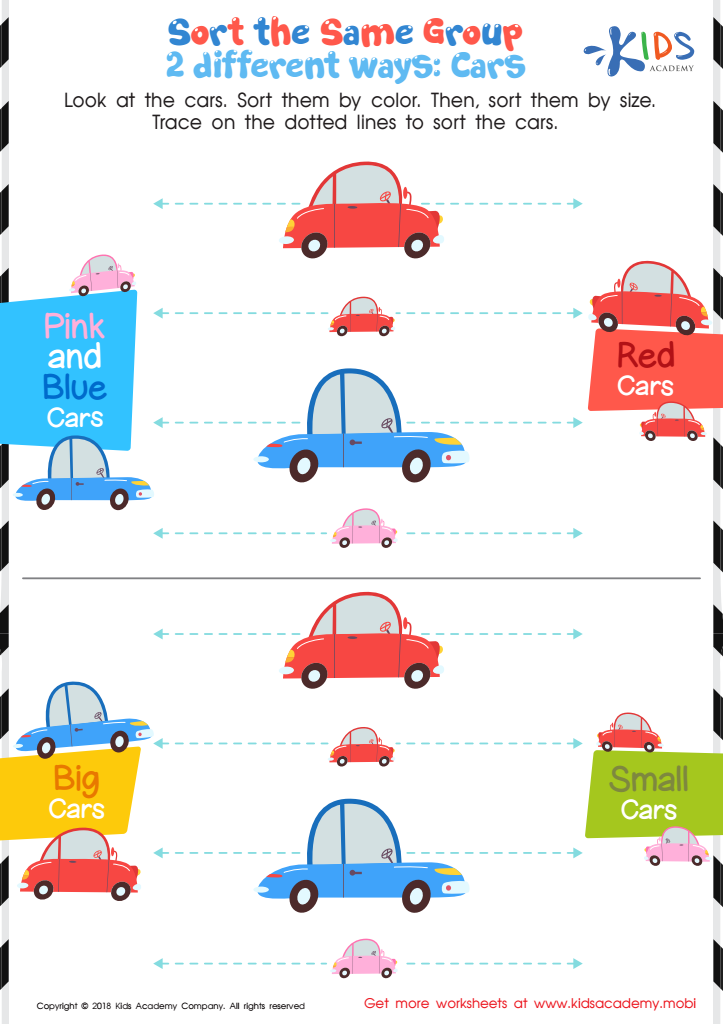
Sort the Same Group 2 Different Ways: Cars Worksheet
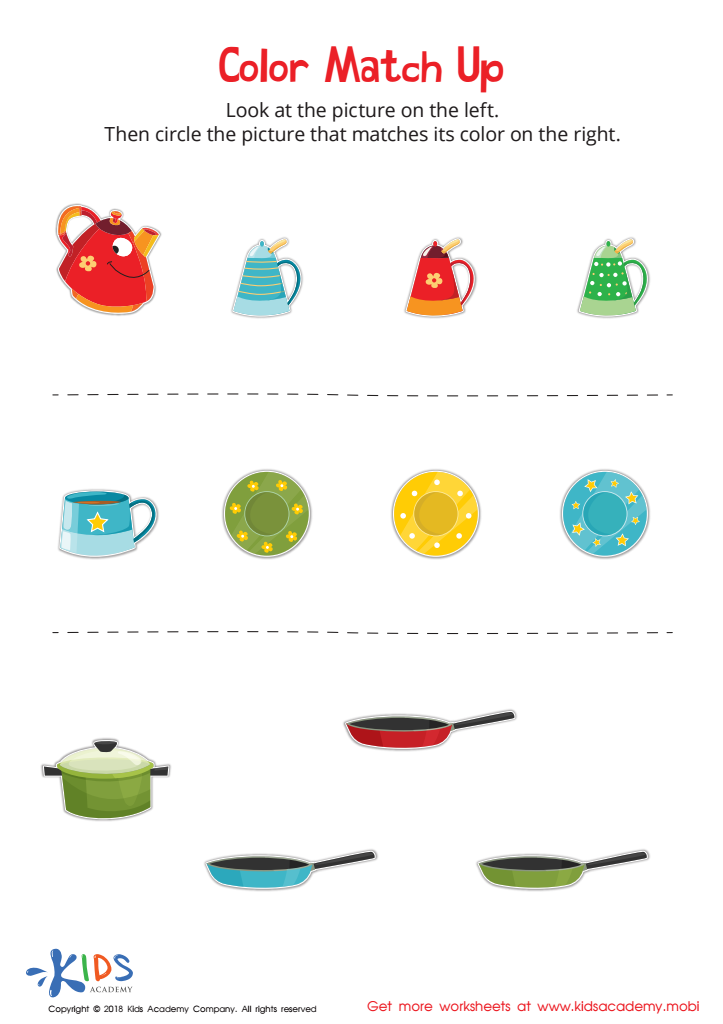
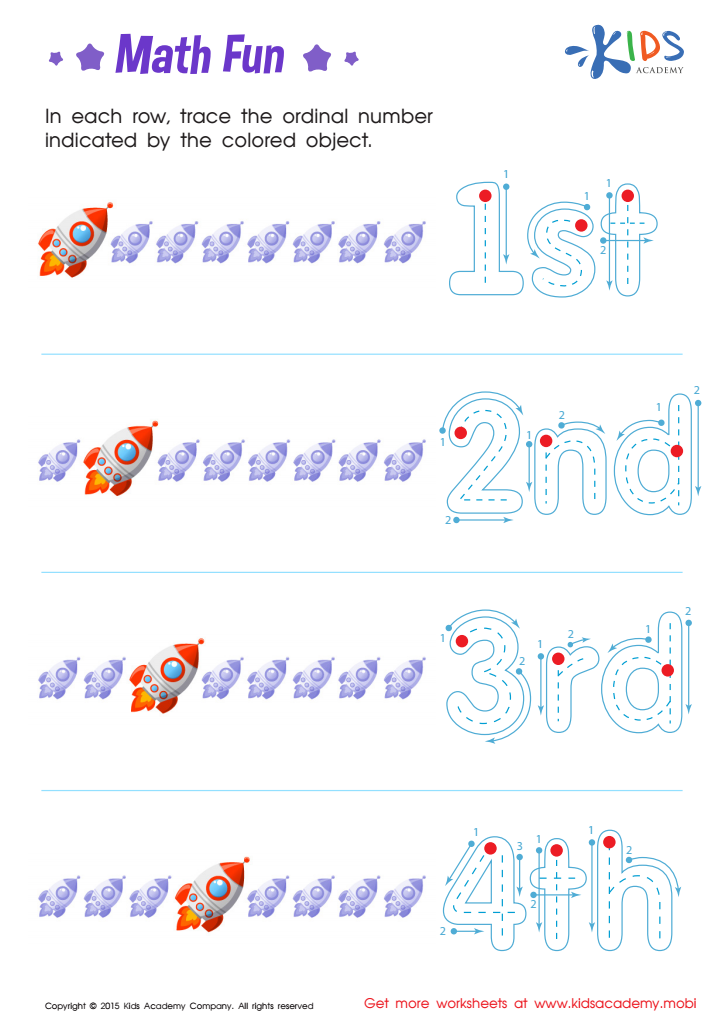
Ordinal Numbers: Math Fun Worksheet
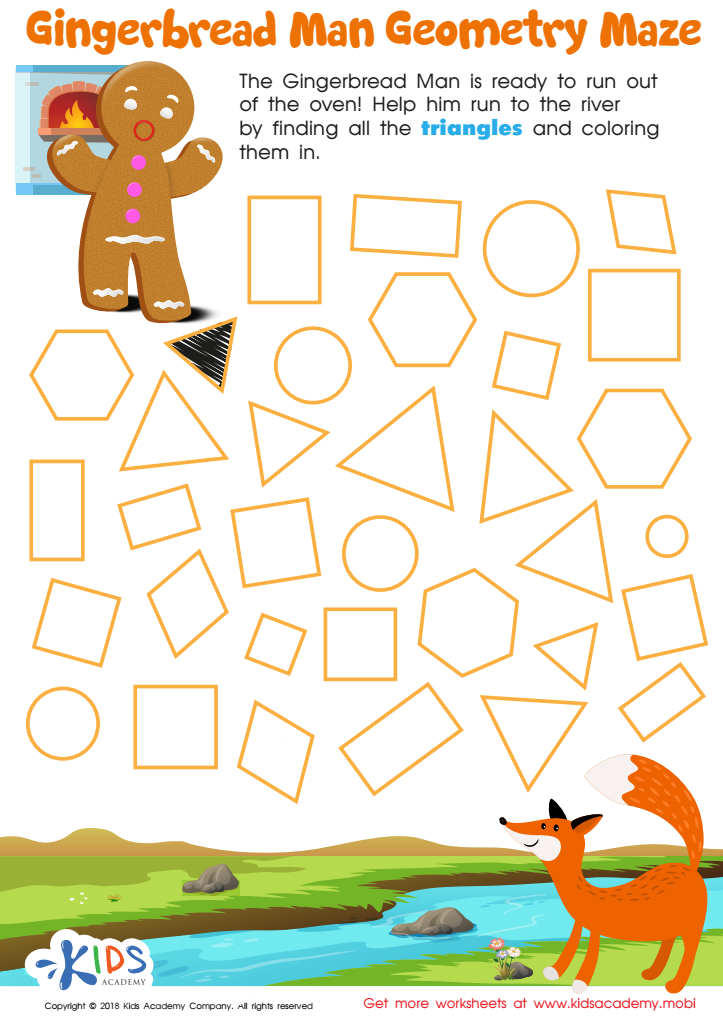
Gingerbread Man Geometry Maze Worksheet
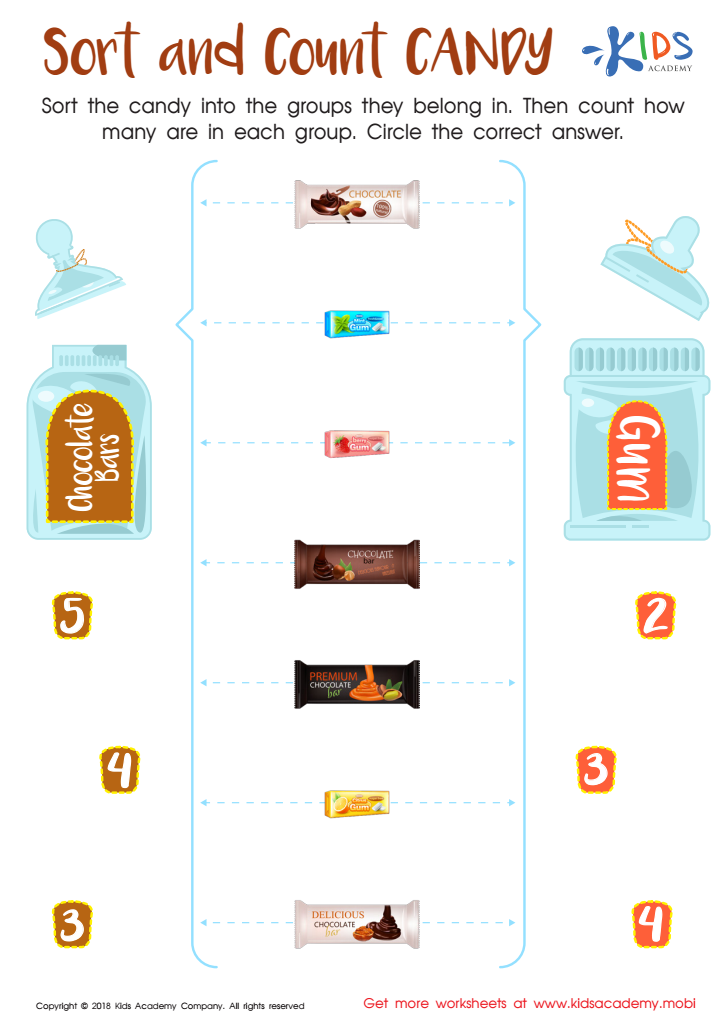
Sort and Count Candy Worksheet








Color recognition is a fundamental skill that significantly impacts a child's overall cognitive development and learning experience. For 5-year-olds, the ability to identify and name colors lays the groundwork for more complex concepts in mathematics and other areas. Understanding colors helps children develop observational skills, enhance their vocabulary, and make connections between the world around them and mathematical concepts.
Color recognition plays a role in the development of early math skills, such as sorting and classifying objects, patterns, and one-to-one correspondence. For instance, children can group items by color, fostering their ability to discern similarities and differences—critical thinking skills that are foundational in math problem-solving. Additionally, integrating color activities into learning can make math fun and engaging, promoting a positive attitude towards the subject.
Parents and teachers should prioritize color recognition activities, such as using colorful blocks or engaging in arts and crafts, since these not only enhance children's mathematical abilities but also boost their creative development. Thus, fostering color recognition skills is essential not only for early math learning but for preparing children for a broad range of educational experiences as they grow. By encouraging this skill, adults ensure comprehensive early learning and set the stage for future academic success.








