Vocabulary expansion Normal Building Vocabulary Worksheets for 5-Year-Olds
9 filtered results
-
From - To
Welcome to our Vocabulary Expansion Worksheets designed specifically for 5-year-olds! These engaging resources aim to enhance your child’s vocabulary through fun activities that promote learning and retention. Our Normal Building Vocabulary Worksheets encourage young learners to explore new words, understand their meanings, and use them in context. Each worksheet is crafted to suit the developmental level of preschoolers, incorporating colorful visuals and interactive challenges. Your child will build essential language skills needed for reading success, all while having fun! Explore our collection and watch your child's vocabulary skills blossom as they embark on this exciting learning journey!
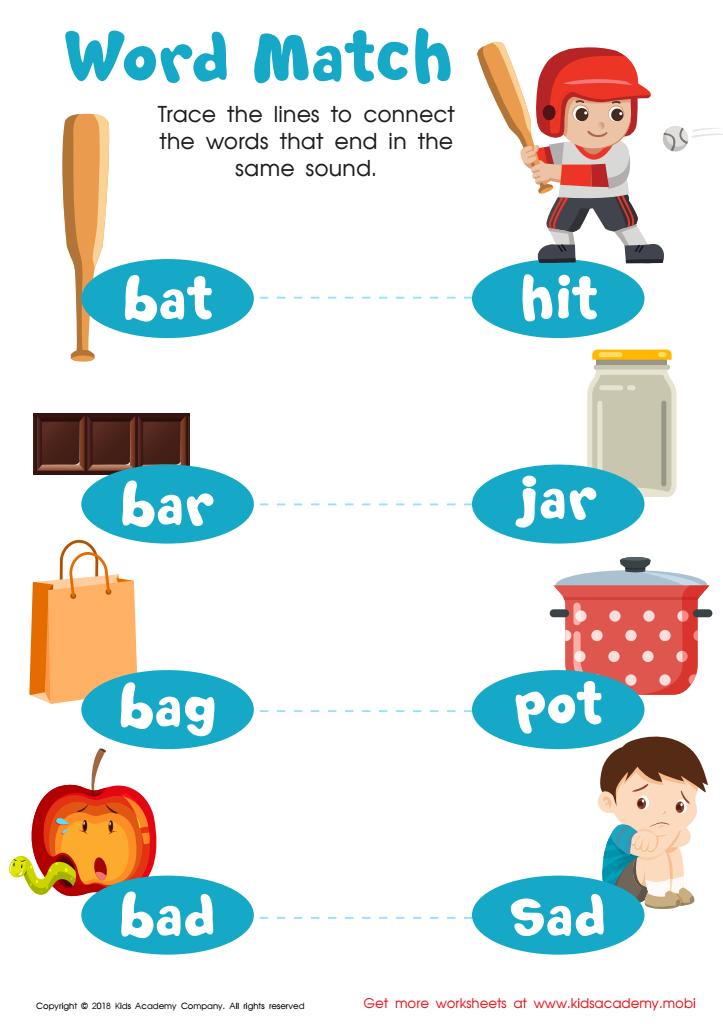
Word Match Reading Worksheet
 Assign to My Students











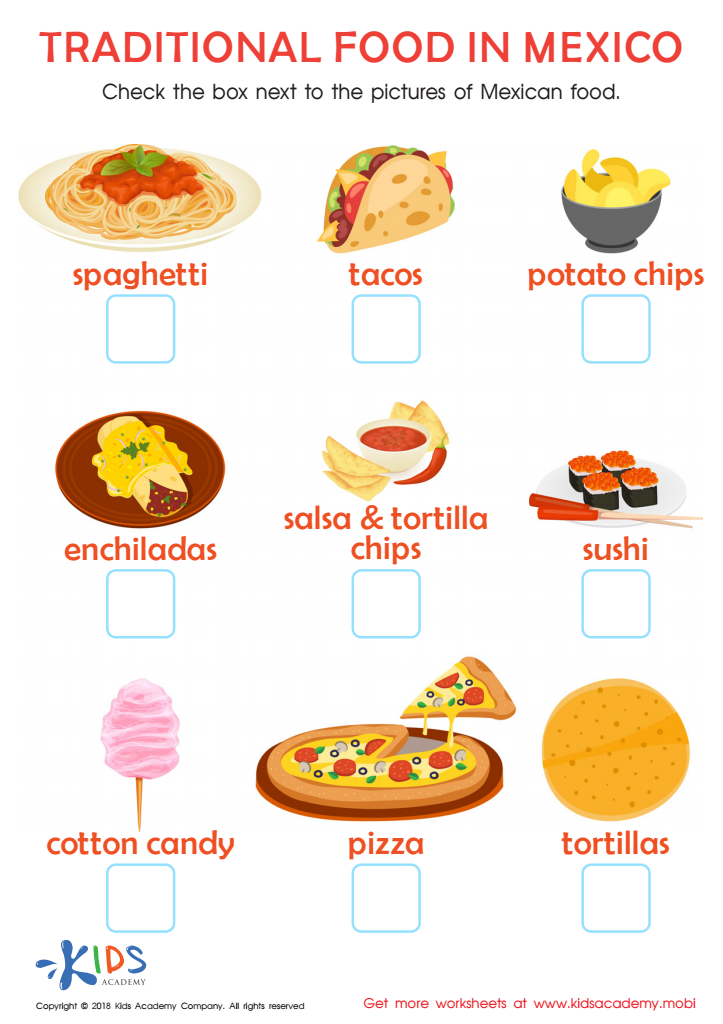
Traditional Food in Mexico Worksheet
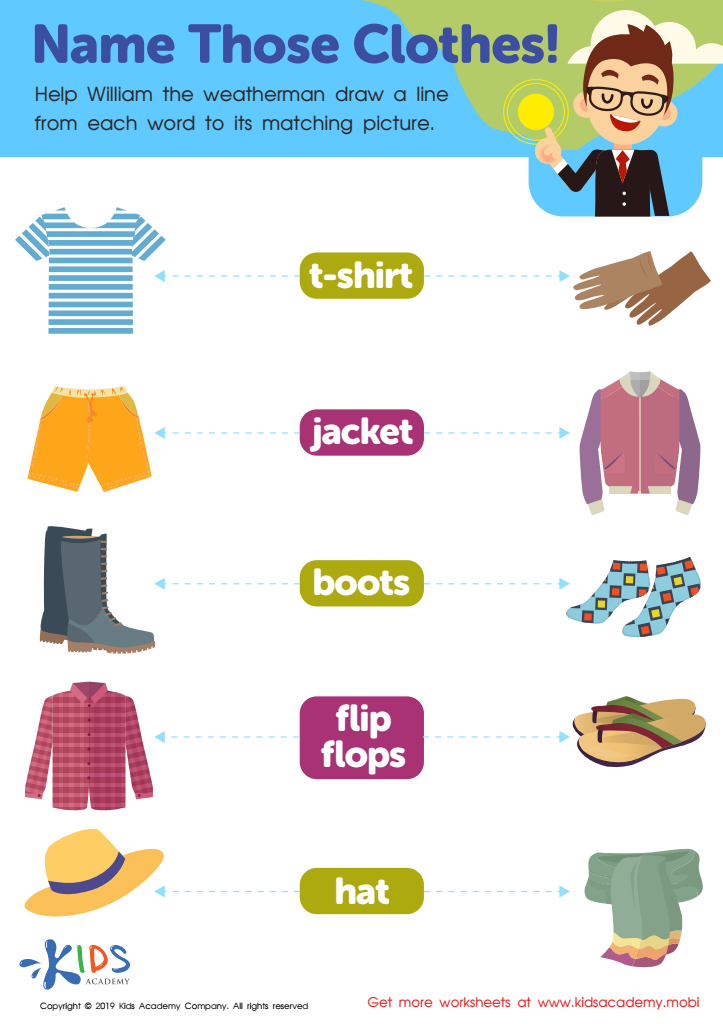
Name Those Clothes Worksheet
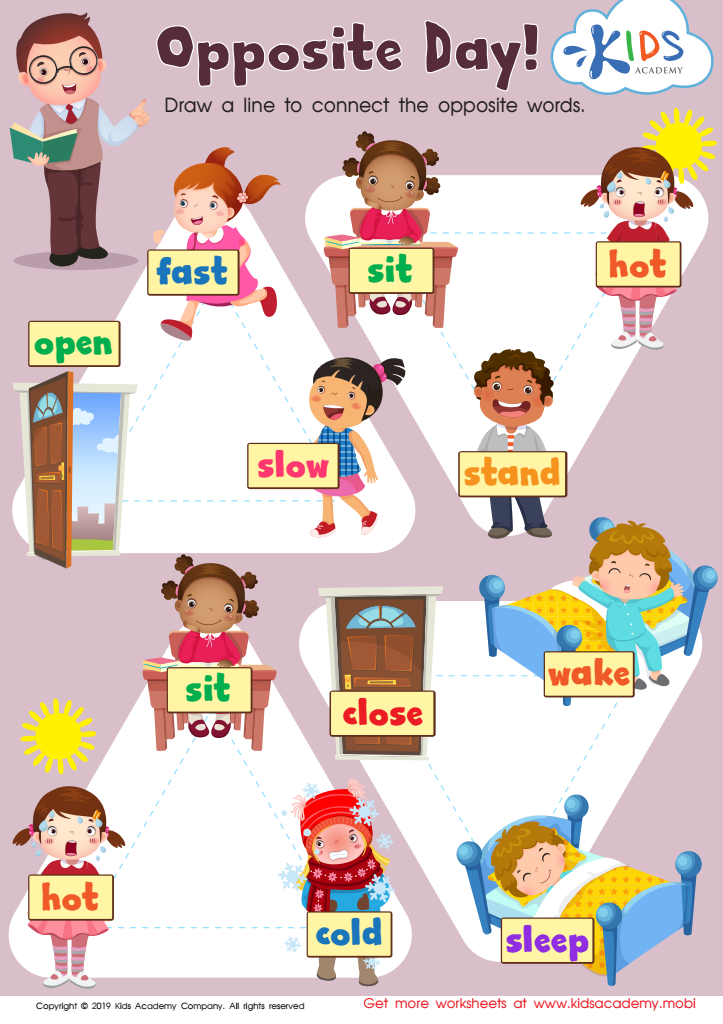
Opposite Day Worksheet
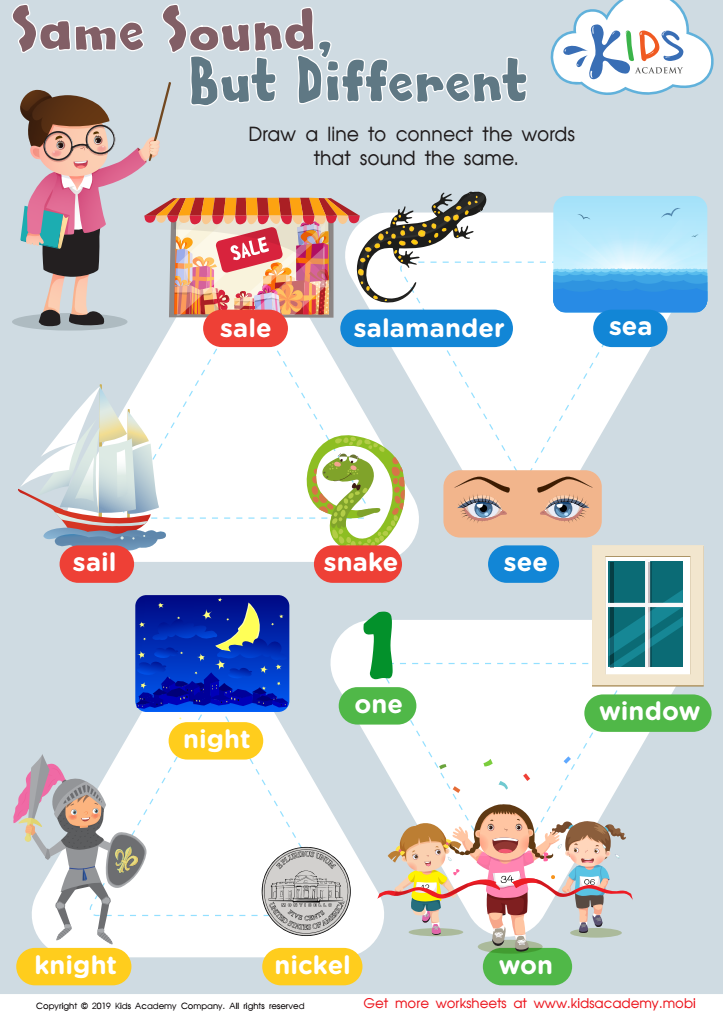
Sound Different Worksheet
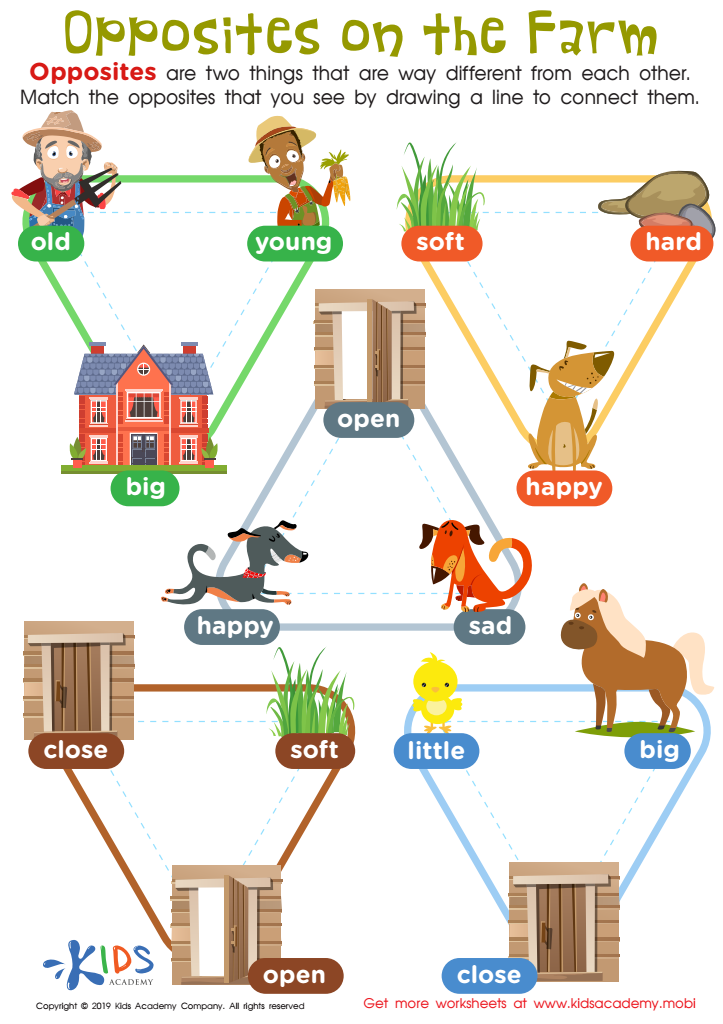
Opposites on the Farm Worksheet
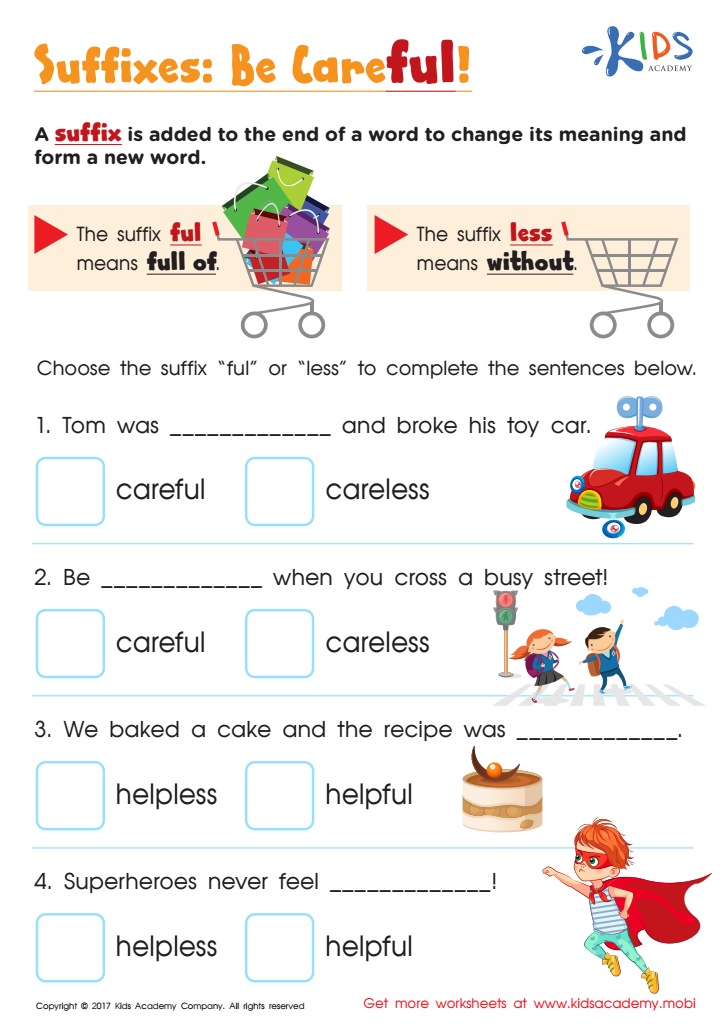
Suffixes Ful and Less Worksheet
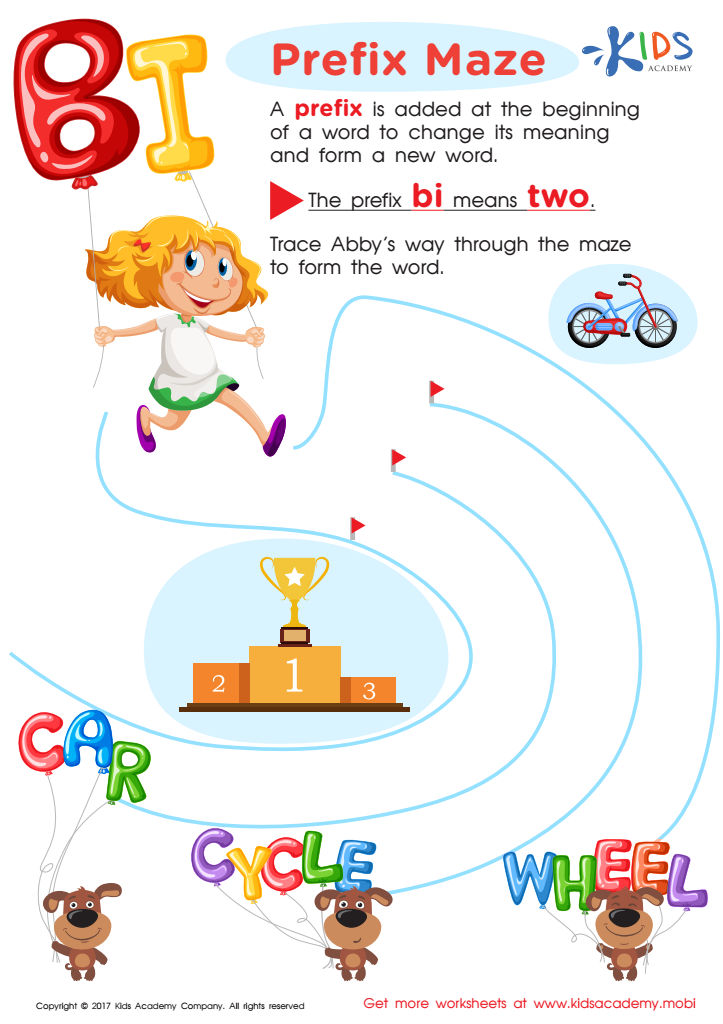
Prefix Bi Words Worksheet
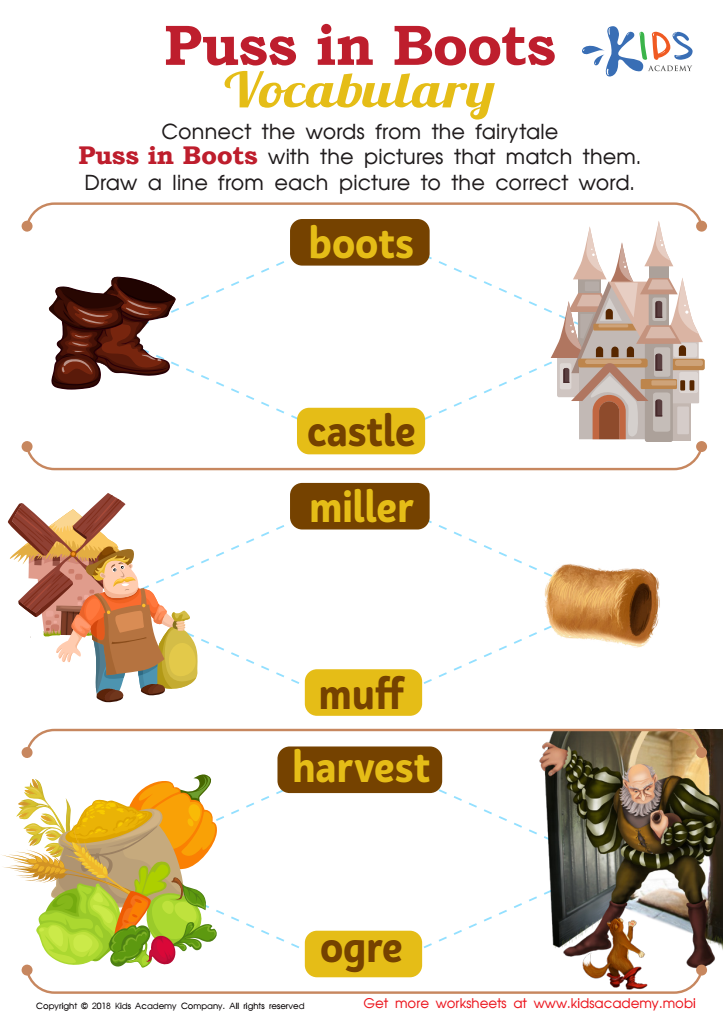
Puss in Boots Vocabulary Worksheet








Expanding vocabulary in 5-year-olds is essential for their overall development and future success. At this age, children are rapidly acquiring language skills, which serve as the foundation for reading, writing, and effective communication. A rich vocabulary enhances comprehension, enabling children to express their thoughts and feelings more clearly. It also aids in cognitive development by allowing them to understand and engage with their environment more fully.
Parents and teachers play a crucial role in vocabulary building. They can cultivate a child's language skills through interactive conversations, storytelling, and reading aloud. Engaging children with varied and age-appropriate words encourages curiosity and aids in learning new concepts. Furthermore, a well-developed vocabulary fosters self-confidence, as children feel more competent in social interactions.
Additionally, strong vocabulary skills have long-term academic benefits. Research shows that students with a robust vocabulary perform better in school and are more likely to become proficient readers, which is paramount to their literacy journey. In sum, investment in vocabulary expansion at this crucial stage positively impacts a child’s intellectual and emotional growth, paving the way for a successful future in both academic and personal contexts. Thus, the early years are a critical time for fostering language-rich environments.








