Story sequencing Normal Reading Comprehension Worksheets for 5-Year-Olds
6 filtered results
-
From - To
Unlock your child’s reading potential with our engaging Story Sequencing Normal Reading Comprehension Worksheets designed for 5-year-olds! These worksheets help young learners improve their comprehension skills by arranging events in the correct order, fostering critical thinking and narrative understanding. Each activity is crafted to captivate the attention of early readers, making learning fun and effective. With colorful illustrations and age-appropriate texts, these resources facilitate skill development while keeping your child entertained. Perfect for home or classroom use, our story sequencing worksheets encourage creativity and enhance vocabulary. Start your child's reading journey with our delightful and educational materials today!
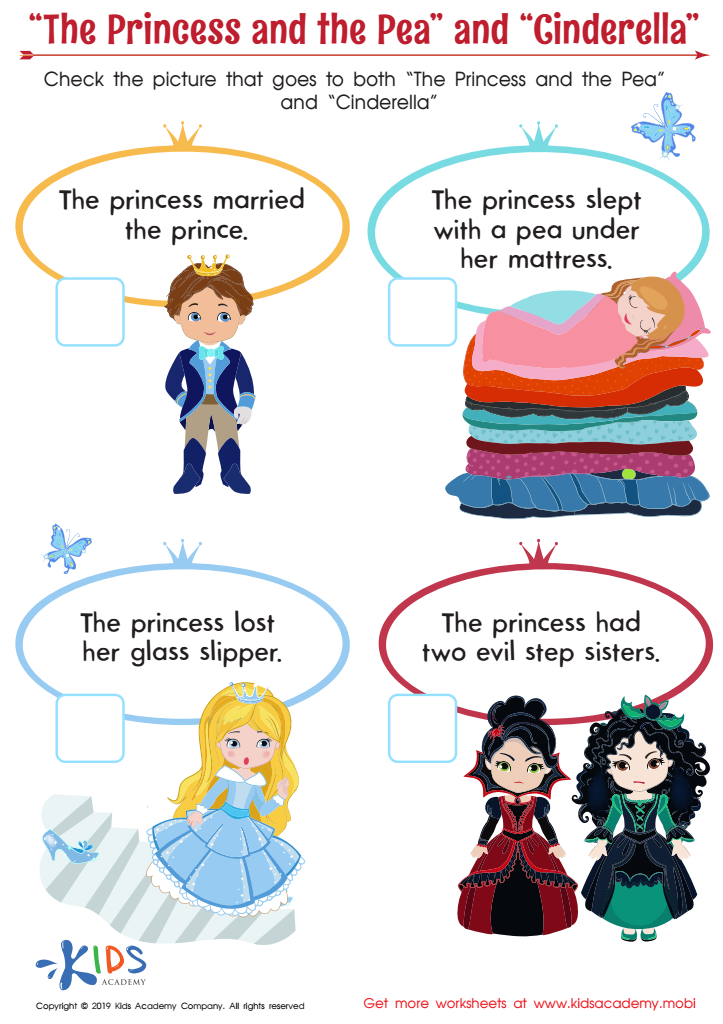
“The Princess and the Pea” and “Cinderella” Worksheet
 Assign to My Students
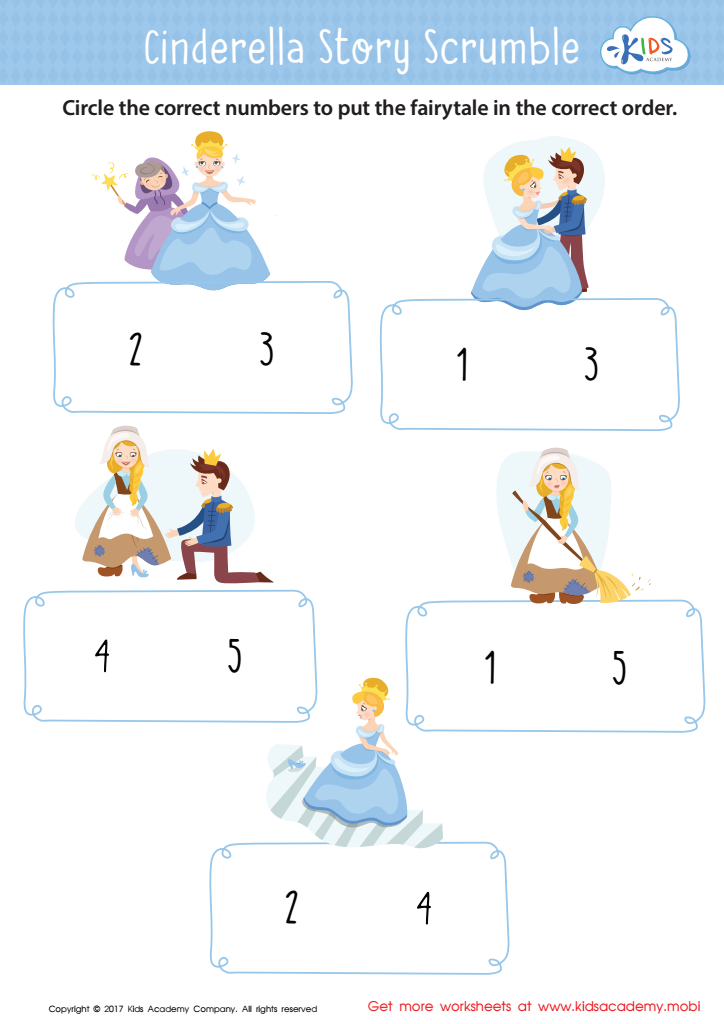
Cinderella Story Sequencing Worksheet
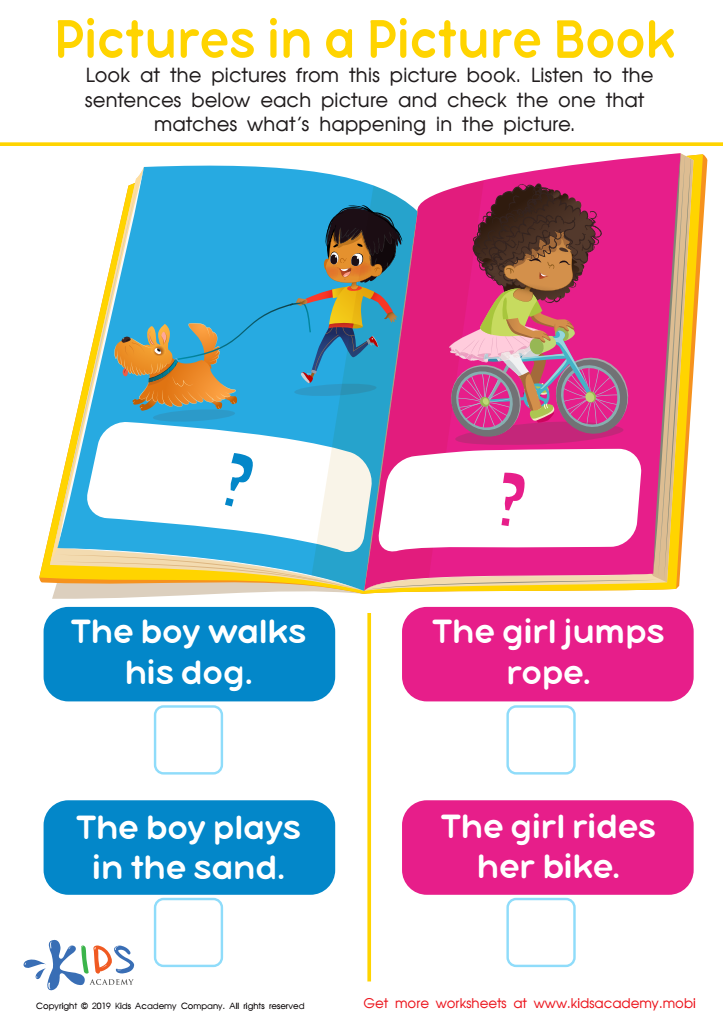
Picture in Books Worksheet
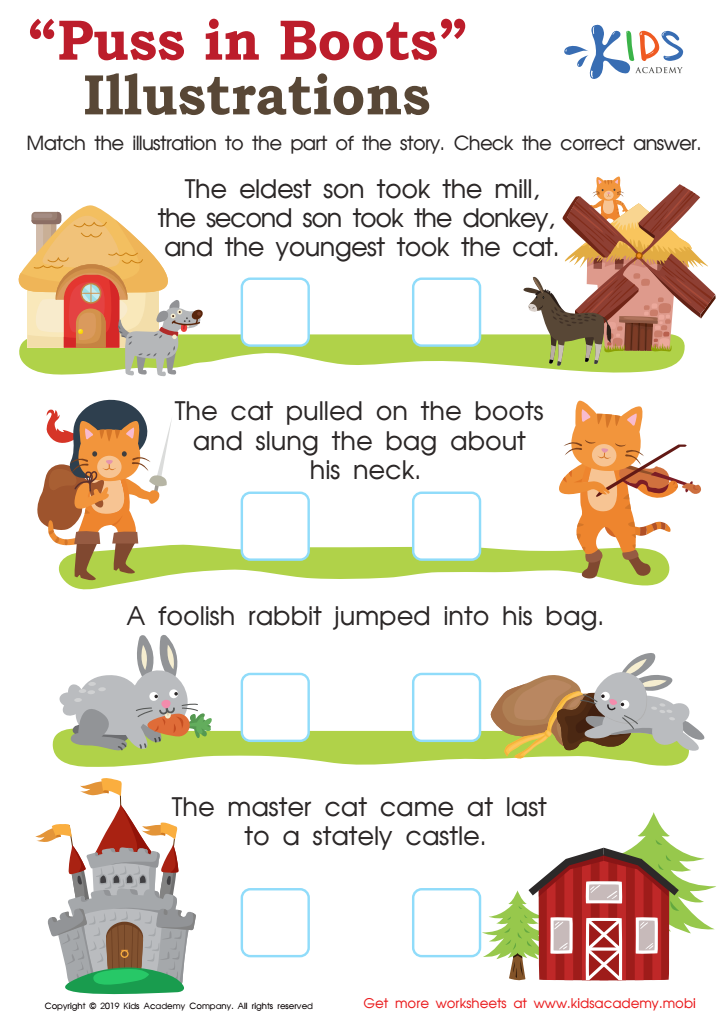
Puss in Boots Illustrations Worksheet
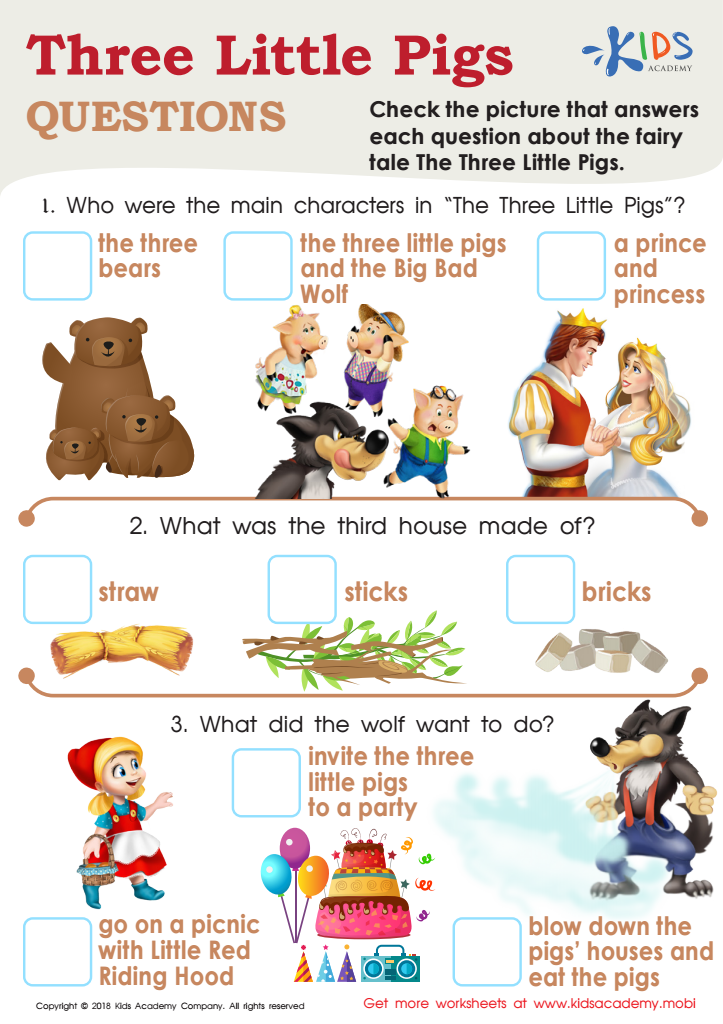
Three Little Pigs Questions Worksheet
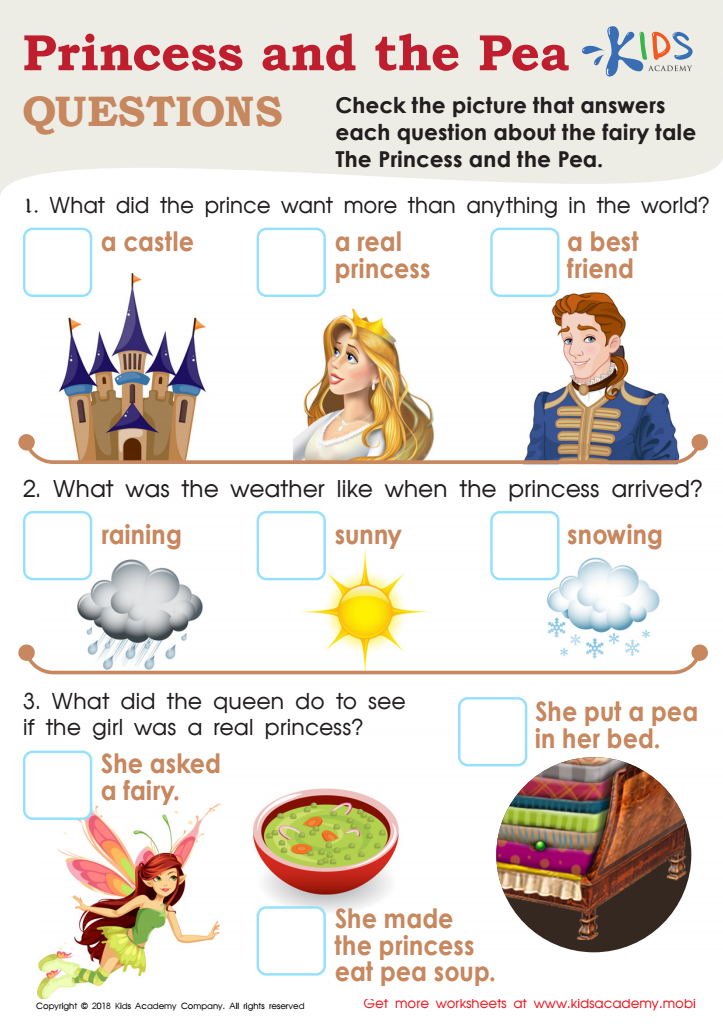
Princess and the Pea Questions Worksheet





.jpg)
.jpg)

Story sequencing is a crucial aspect of reading comprehension for 5-year-olds, and both parents and teachers should prioritize it for several reasons. First, it helps young learners understand the structure of narratives, enabling them to identify the beginning, middle, and end of a story. This skill lays the foundation for more complex reading and comprehension tasks as children progress through their education.
Additionally, story sequencing fosters critical thinking and enhances memory retention. When children learn to recall and order events, they engage in active cognitive processing, which reinforces their understanding of main ideas and supporting details. This analytical thinking not only boosts their comprehension but also prepares them for subjects that require logical reasoning in later grades.
Moreover, story sequencing activities enhance vocabulary development. As children articulate the sequence of events, they expand their linguistic capabilities and better articulate their thoughts. By collaborating with parents and teachers to promote story sequencing, children are empowered to become more proficient readers and confident communicators.
Ultimately, understanding story sequencing elevates a child's overall learning experience, encouraging a love for reading that can last a lifetime. Therefore, actively engaging in this foundational skill is vital for both educators and caregivers alike.








