Letter recognition Normal ABC Letters Worksheets for Ages 6-7
15 filtered results
-
From - To
Discover our engaging "Letter Recognition Normal ABC Letters Worksheets" designed specifically for children aged 6-7! These printable worksheets provide a fun and interactive way for young learners to master letter recognition. With vibrant illustrations and a variety of activities, kids will practice identifying uppercase and lowercase letters, enhancing their reading skills in an enjoyable manner. Each worksheet offers a platform for playful learning, ensuring that children stay motivated while developing essential literacy skills. Perfect for classroom use or at-home practice, our worksheets cater to different learning styles, making alphabet learning easier and more effective. Start your child's literacy journey today!
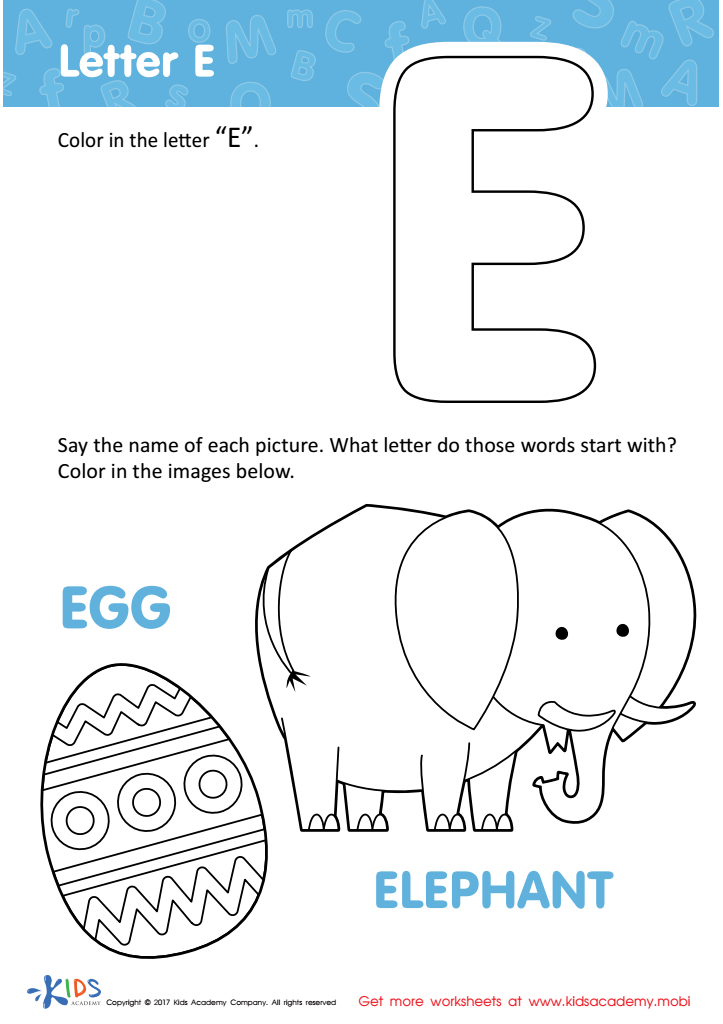
Letter E Coloring Sheet
 Assign to My Students


Letter P Tracing Page
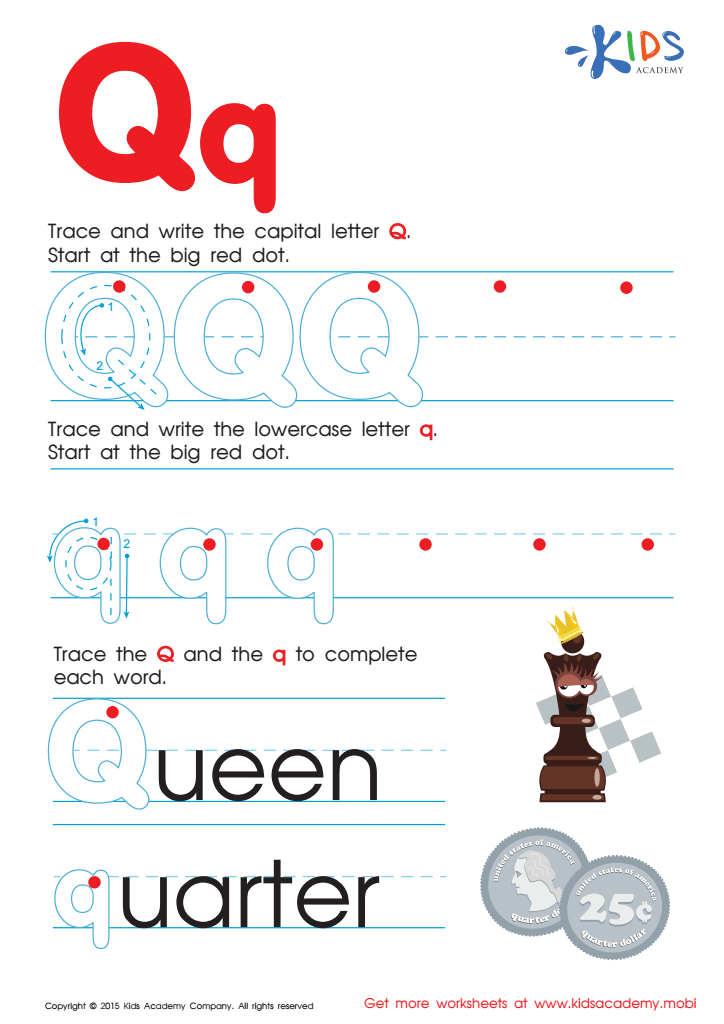
Letter Q Tracing Page

Letter H Tracing Page
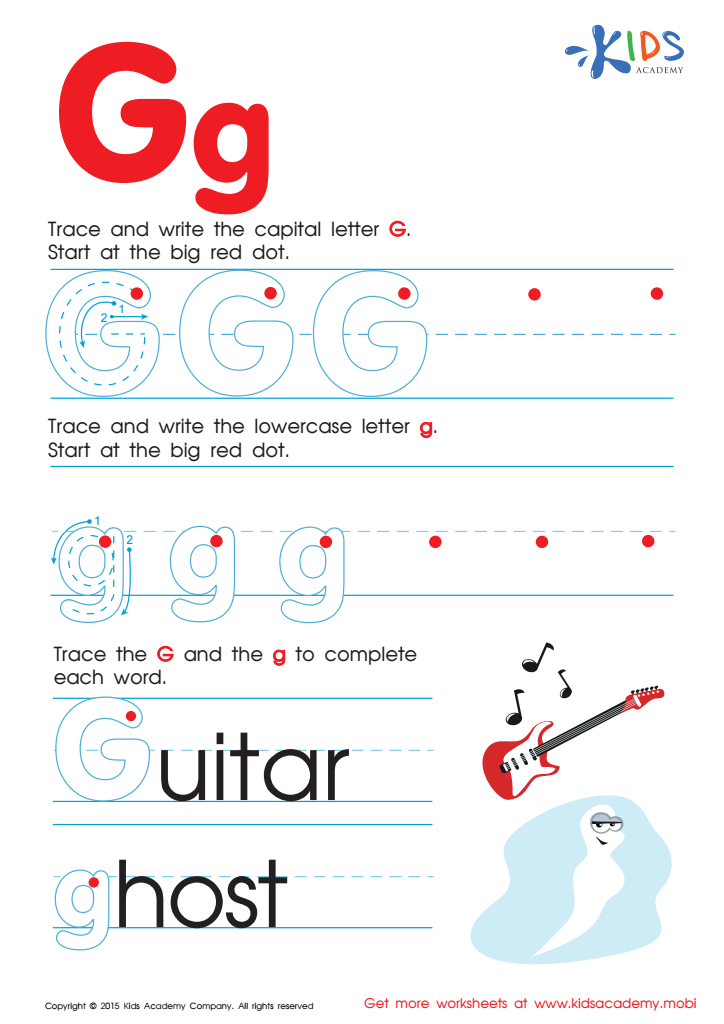
Letter G Tracing Page
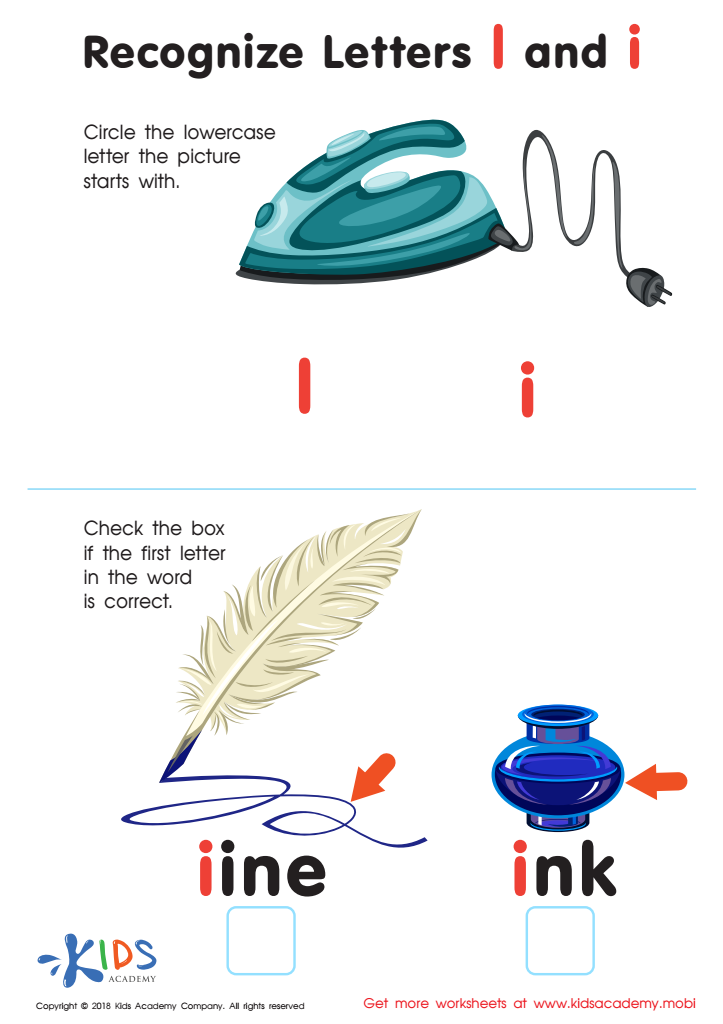
Recognize Letters l and i Worksheet
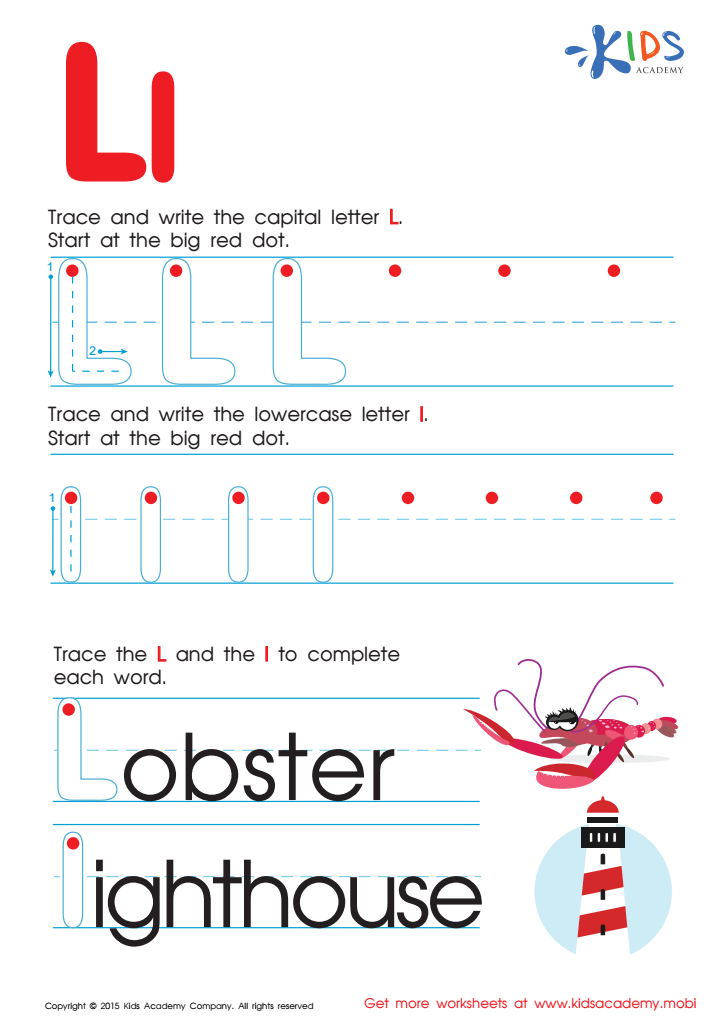
Letter L Tracing Page
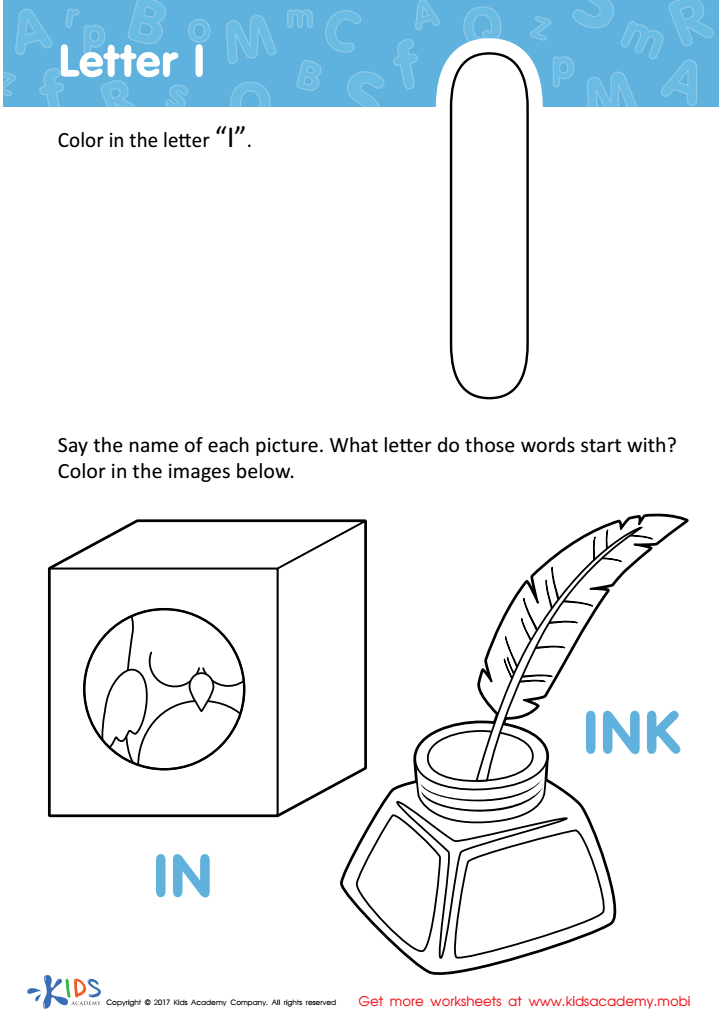
Letter I Coloring Sheet
Assign to My Students
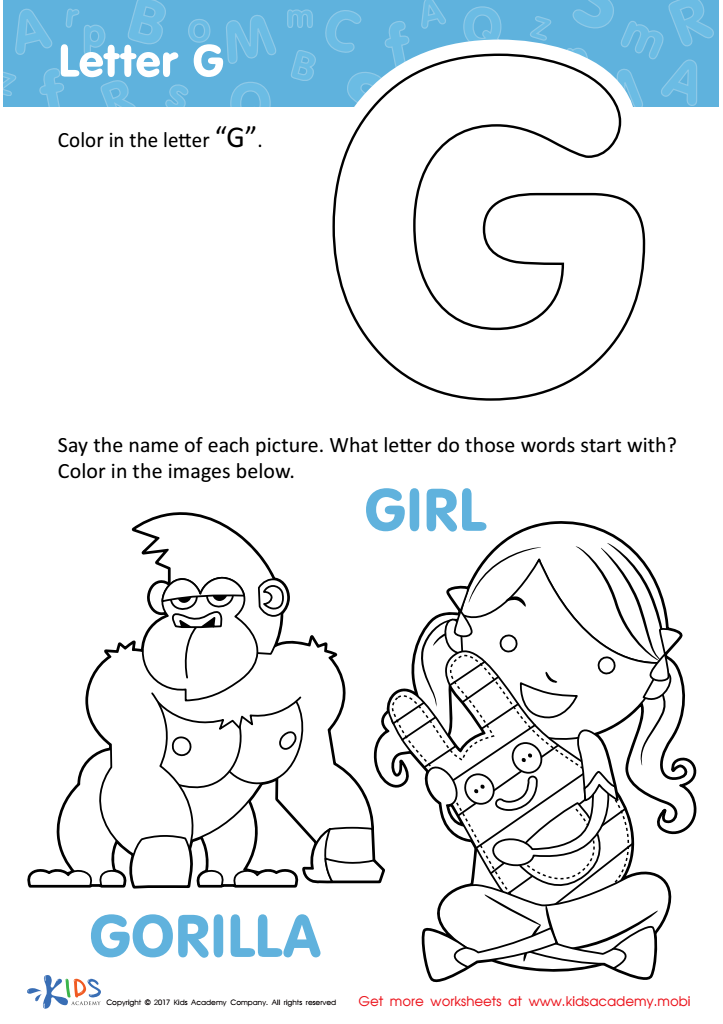
Letter G Coloring Sheet
Assign to My Students
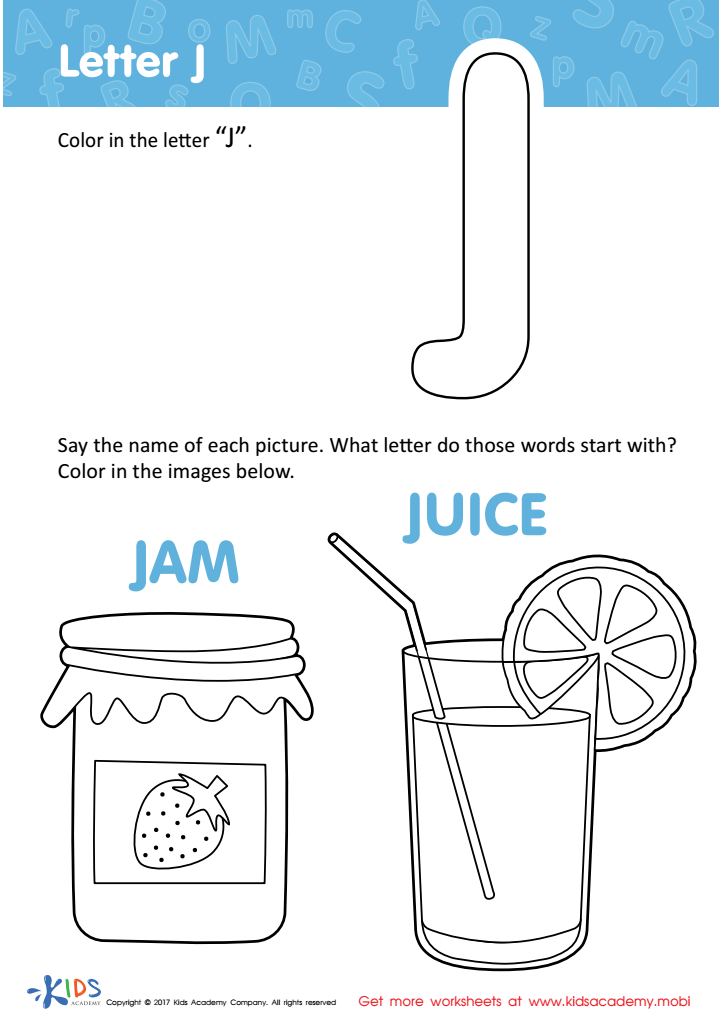
Letter J Coloring Sheet
Assign to My Students
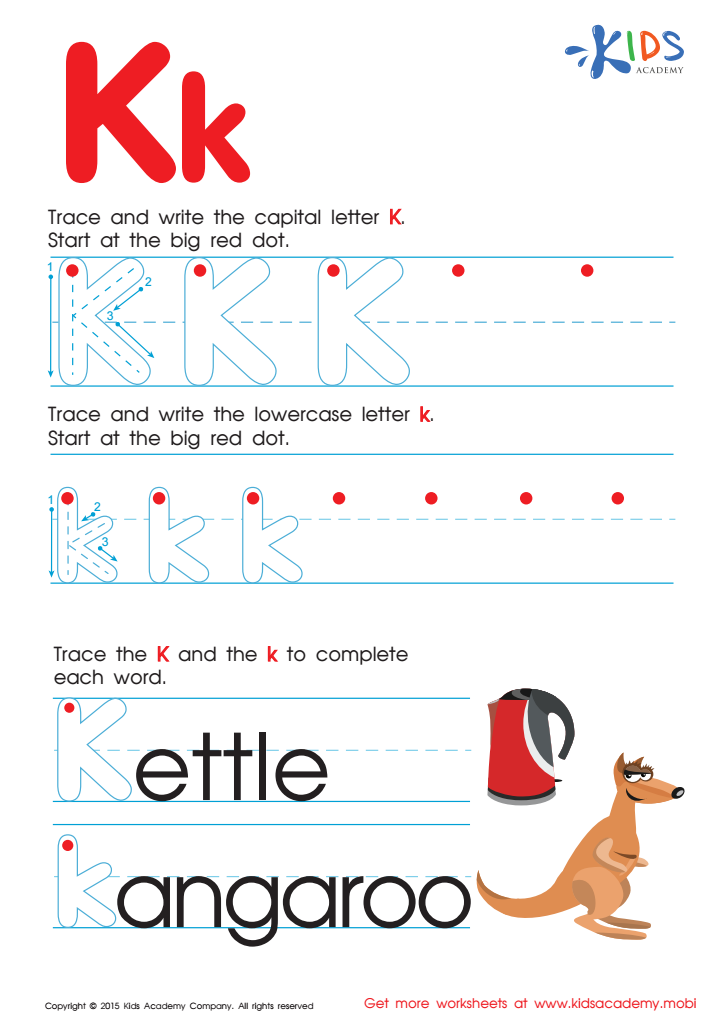
Letter K Tracing Page
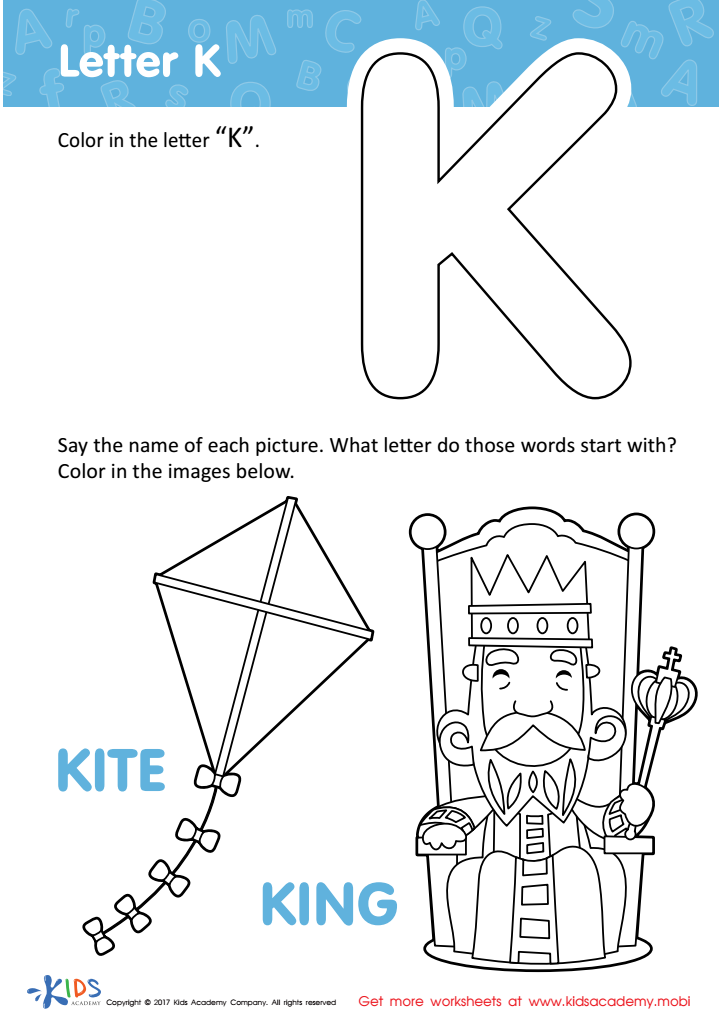
Letter K Coloring Sheet
Assign to My Students
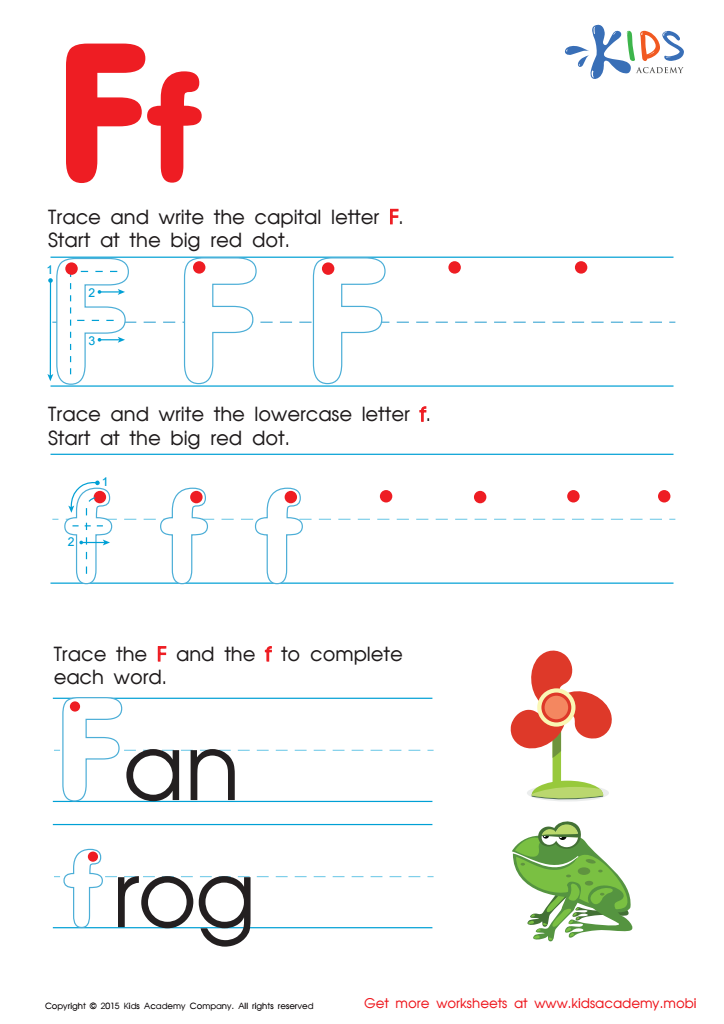
Letter F Tracing Page
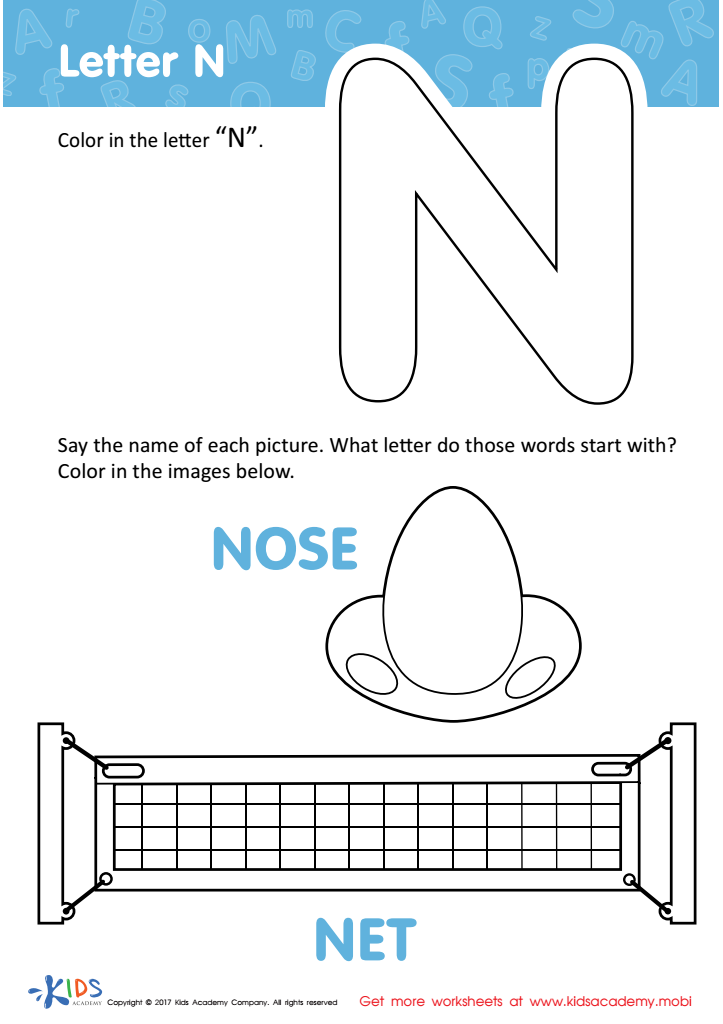
Letter N Coloring Sheet
Assign to My Students

Letter D Tracing Page






Letter recognition is a foundational skill vital for children's literacy development, particularly for ages 6-7. At this stage, children are typically transitioning from learning letters in isolation to understanding how these letters form words and sentences. Recognizing uppercase and lowercase letters enhances their reading fluency and comprehension, allowing them to decode text easily and build confidence in their reading abilities.
When parents and teachers prioritize letter recognition, they set the stage for a child's success in reading and writing. Children who can effortlessly recognize letters are more likely to focus on understanding meaning rather than struggling with basic identification. This cognitive ease enables them to enjoy reading, fostering a lifelong love of literature.
Moreover, letter recognition is closely linked to overall academic performance. It serves as a stepping stone for grasping more complex language skills, such as phonics, vocabulary, and ultimately spelling. Furthermore, engaging activities centered around letter recognition can be both fun and educational, promoting positive interactions between children, parents, and teachers.
In conclusion, caring about letter recognition ensures children are well-equipped for future academic challenges and helps them develop the essential skills needed for effective communication and literacy in an increasingly text-rich world.







