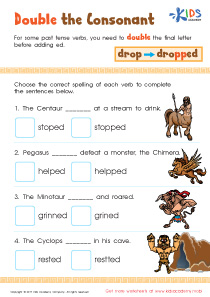
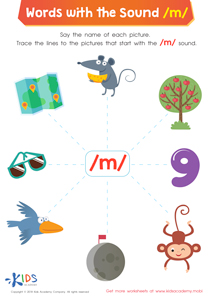
Spelling practice Normal Consonant Digraphs Worksheets for Ages 6-7
4 filtered results
-
From - To
Enhance your child's literacy skills with our engaging Spelling Practice Normal Consonant Digraphs Worksheets, designed specifically for ages 6-7. These printable worksheets from Kids Academy focus on blending common consonant pairs like "ch," "sh," "th," and "wh," helping young learners improve their word formation and pronunciation. Each activity aims to reinforce spelling rules, phonemic awareness, and vocabulary development in fun and interactive ways. Ideal for classroom use or at-home learning, our expertly crafted worksheets support early education standards, ensuring your child’s academic success and a bright future in reading and writing.
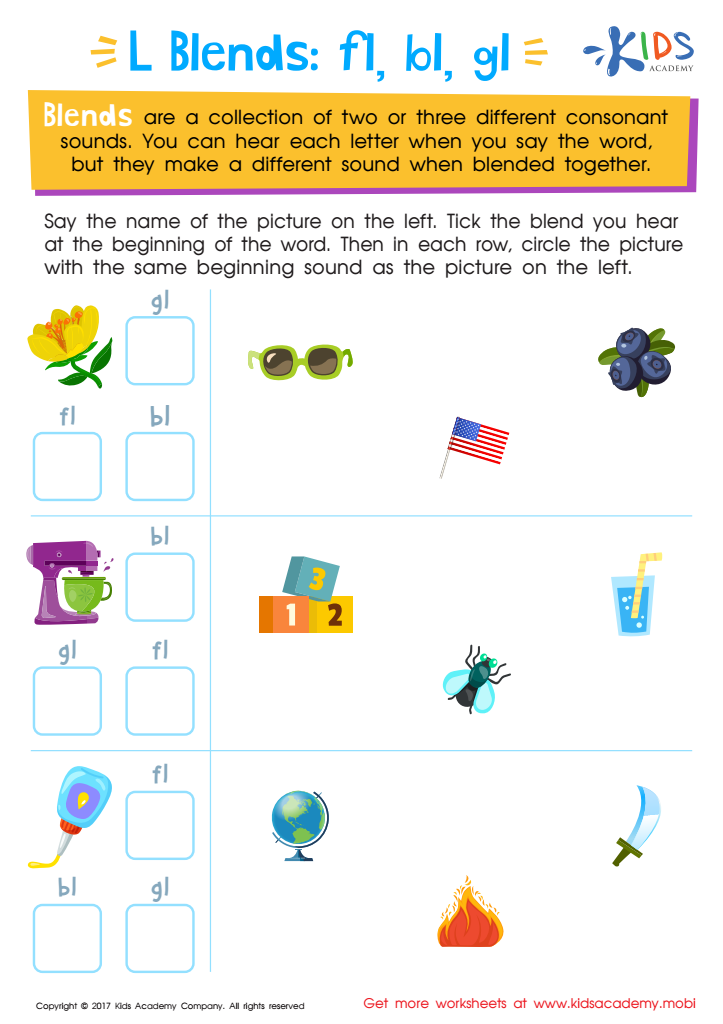
Blending Consonants: "Fl", "Bl" and "Gl" Printable
 Assign to My Students
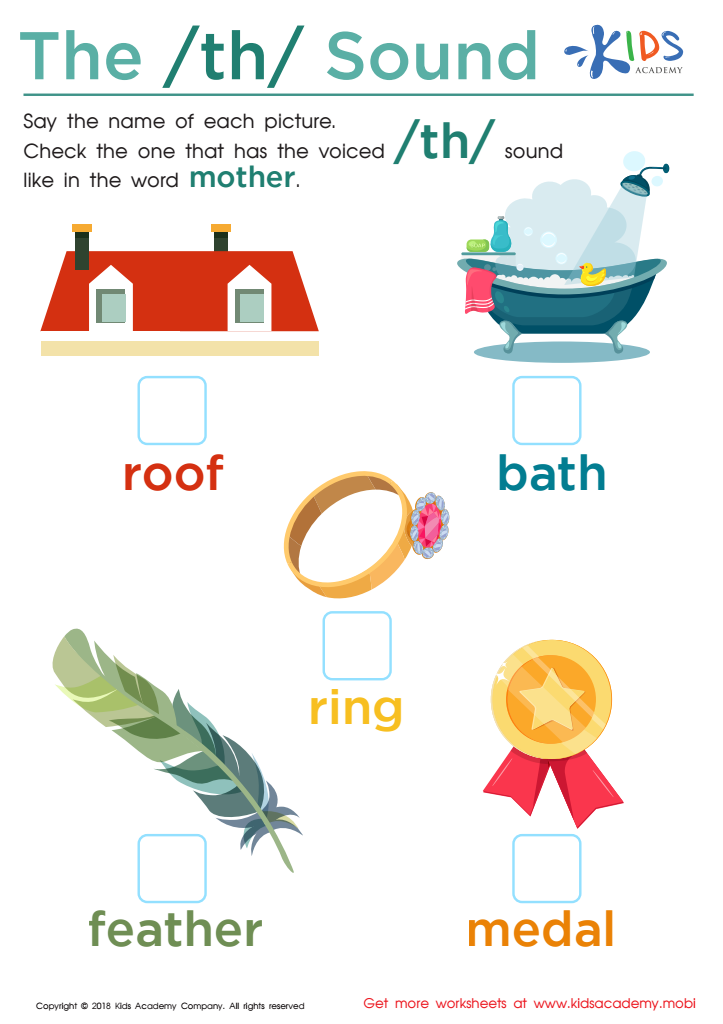
The /th/ Sound Worksheet
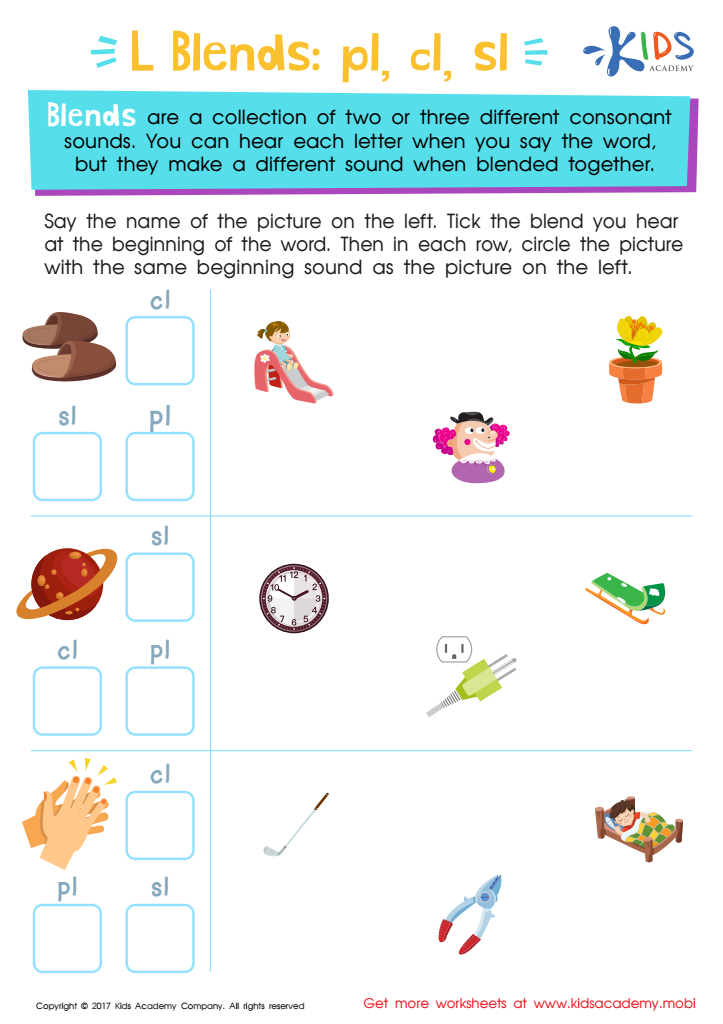
L Blends: "Pl", "Cl" and "Sl" Printable
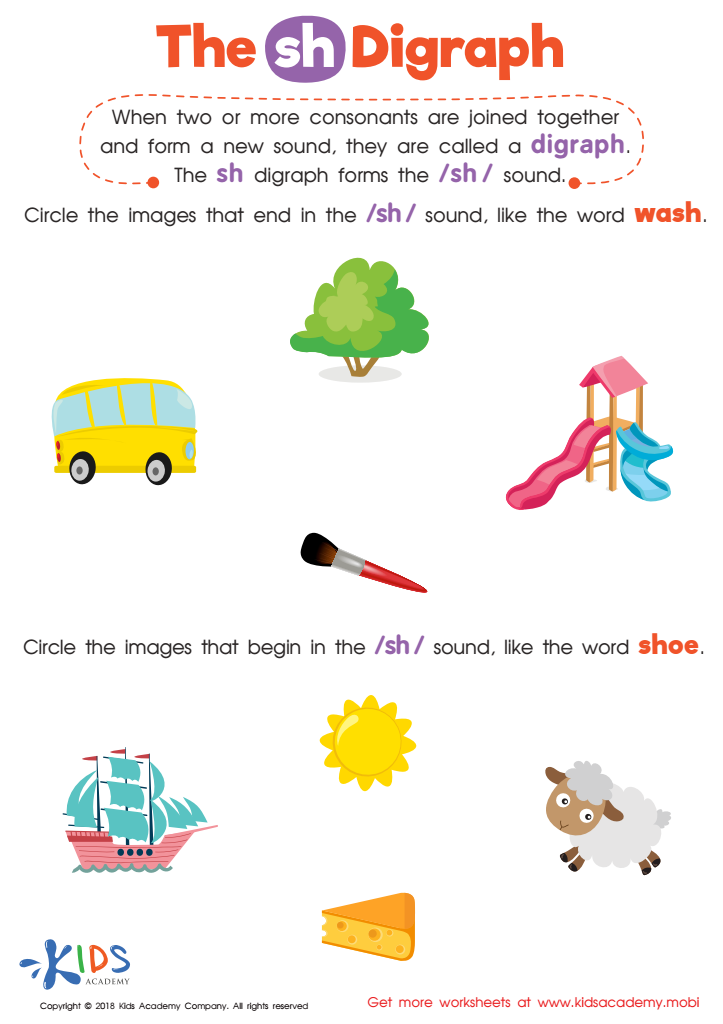
The SH Digraph Worksheet


Parents and teachers play a crucial role in fostering the foundational language skills necessary for children aged 6-7. Focusing on spelling practice centered around common consonant digraphs—combinations of two letters that produce one sound, like "ch," "sh," "th," and "wh"—is vital for several reasons.
First, learning these digraphs helps children decode words more accurately and quickly, boosting their reading fluency. Improved fluency, in turn, enhances comprehension, as children can focus more on the meaning of the text rather than struggling with individual words.
Second, effective spelling practice aids in vocabulary expansion. As learners recognize and remember the patterns, they can more easily grasp new words that contain these digraphs. This builds their word recognition and, by extension, their confidence in both reading and writing.
Furthermore, mastering digraphs supports phonological awareness—a key precursor to phonics. As children understand how different letter combinations produce different sounds, they develop stronger phonemic awareness, helping them both sound out unfamiliar words and spell more complex words correctly.
Lastly, positive experiences with spelling practice build literacy confidence, which encourages a lifelong love of reading and learning. For these reasons, diligent focus on spelling practice of normal consonant digraphs sets the stage for future academic success, making it an essential aspect of early education.