Alphabet Recognition Normal Alphabet Worksheets for Ages 6-7 - Page 2
41 filtered results
-
From - To
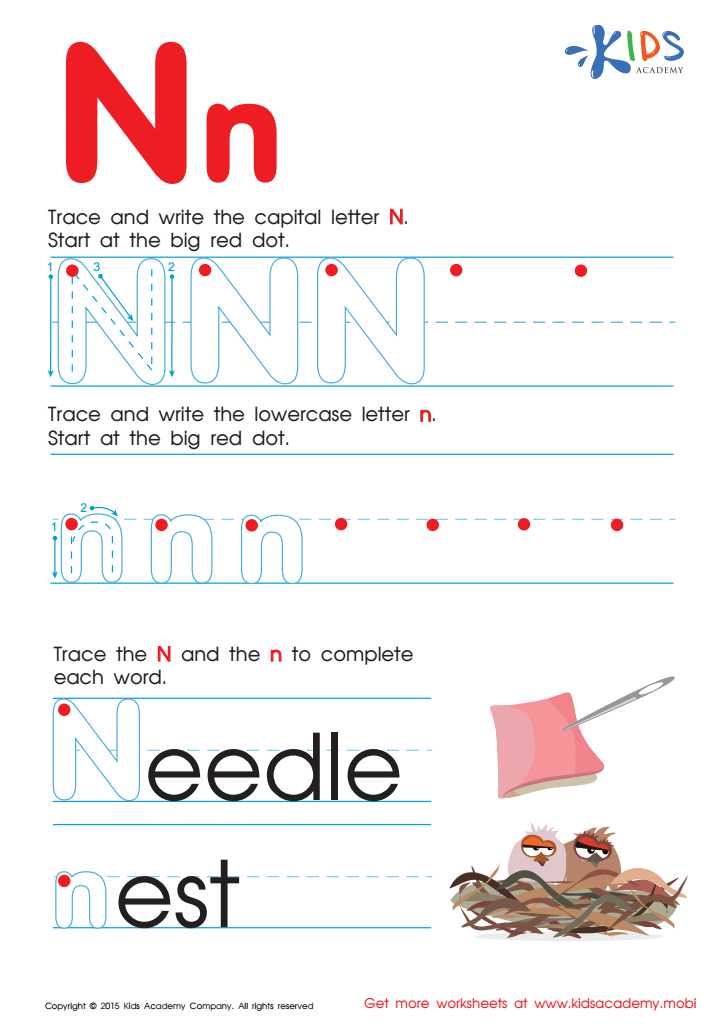
Letter N Tracing Page
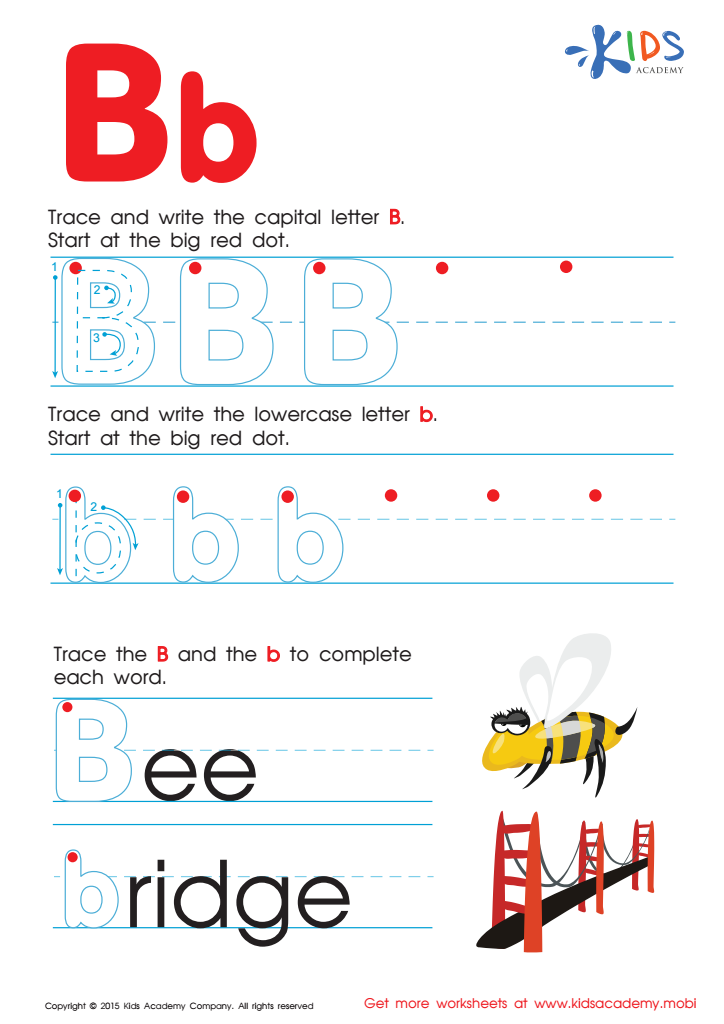
Letter B Tracing Page
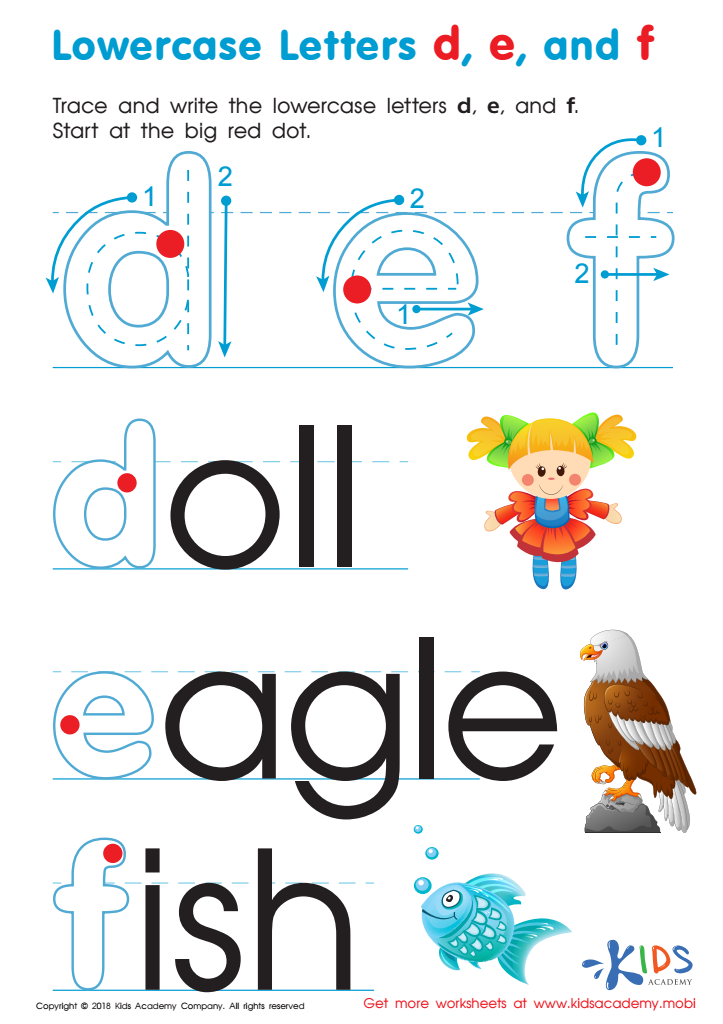
Lowercase Letters d e f Worksheet
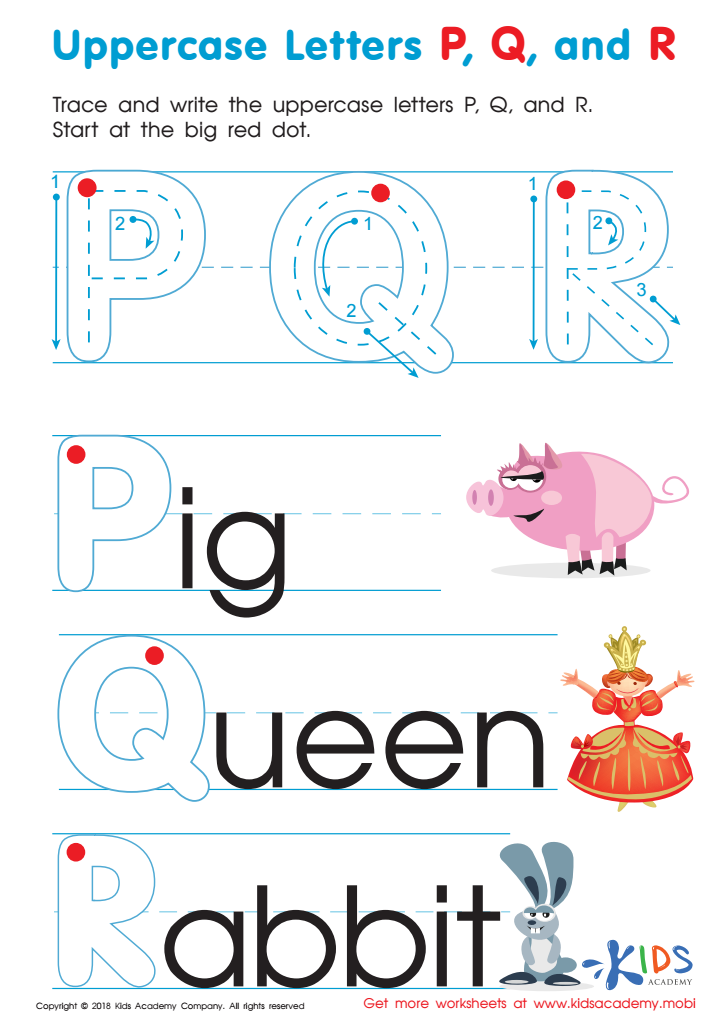
Uppercase Letters P, Q, and R Worksheet
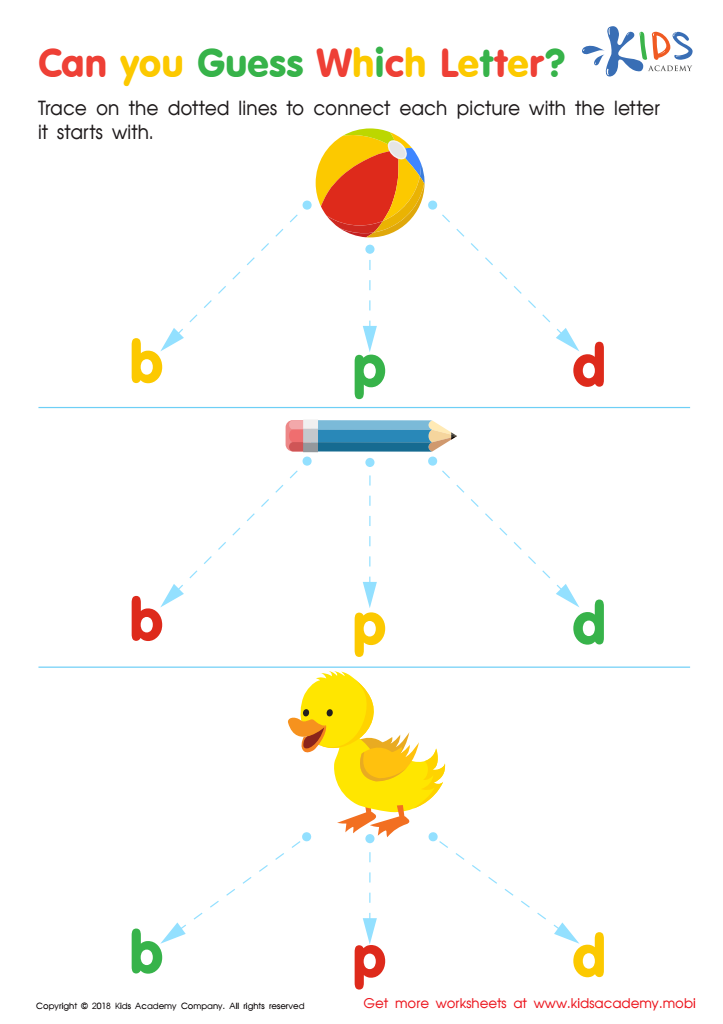
Can you Guess Which Letter? Worksheet
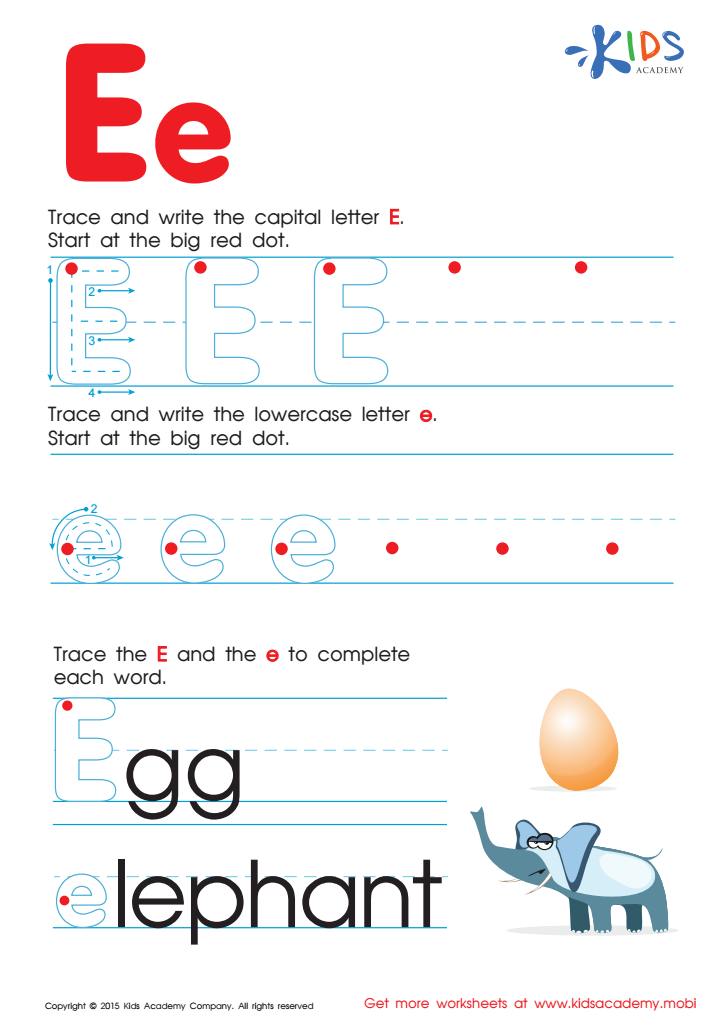
Letter E Tracing Page
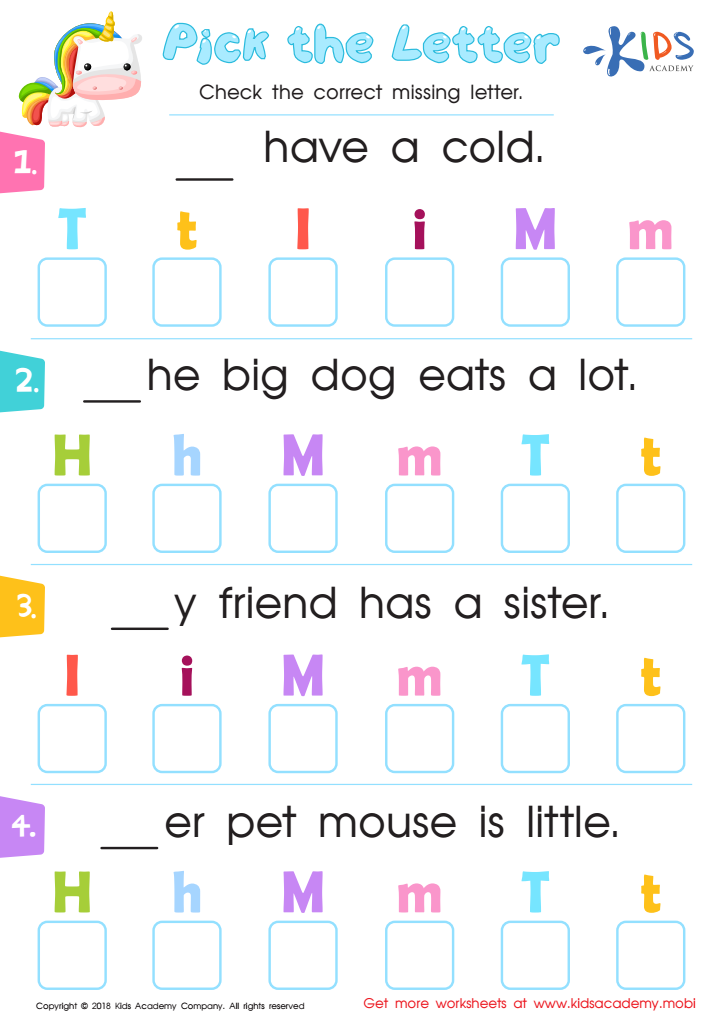
Pick the Letter Worksheet
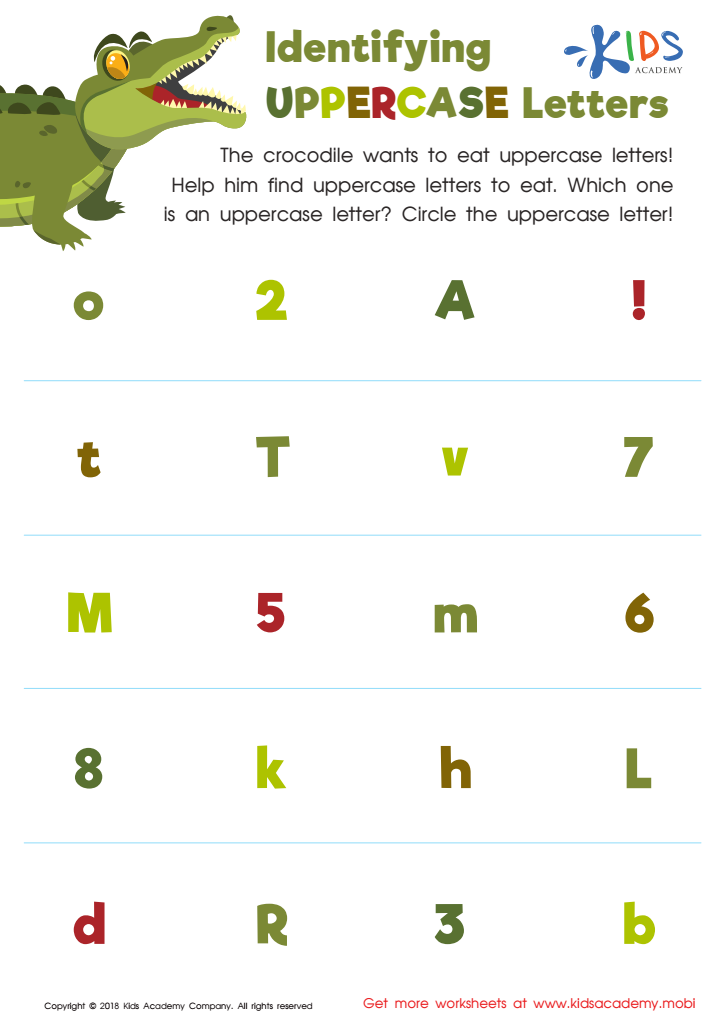
Identifying Uppercase Letters Worksheet
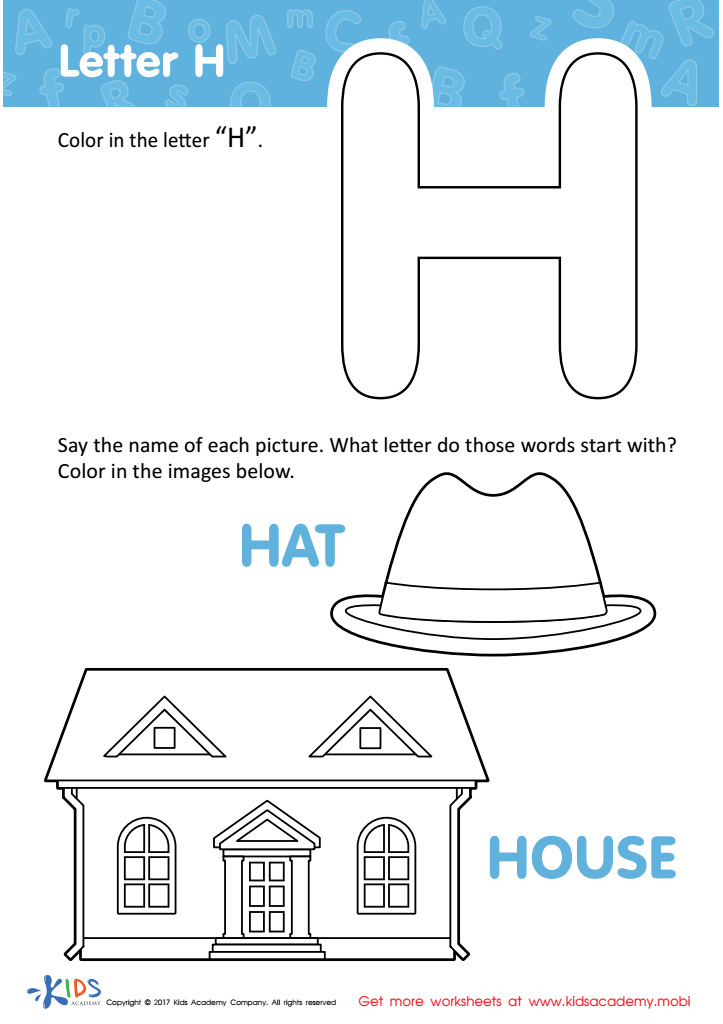
Letter H Coloring Sheet
 Assign to My Students
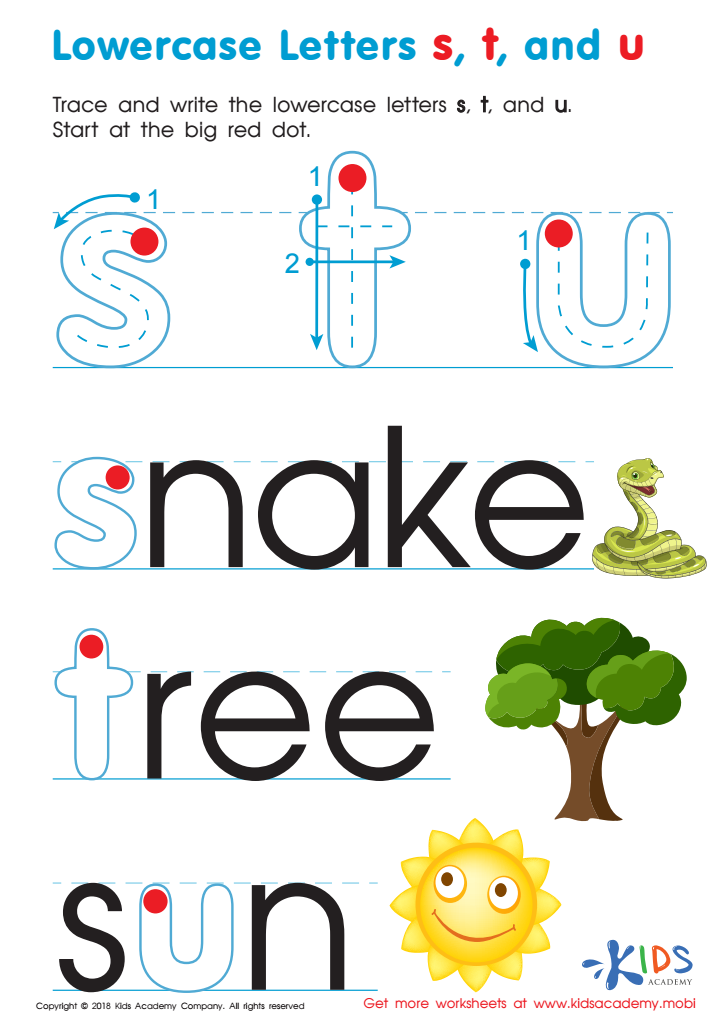
Lowercase Letters s t u Worksheet
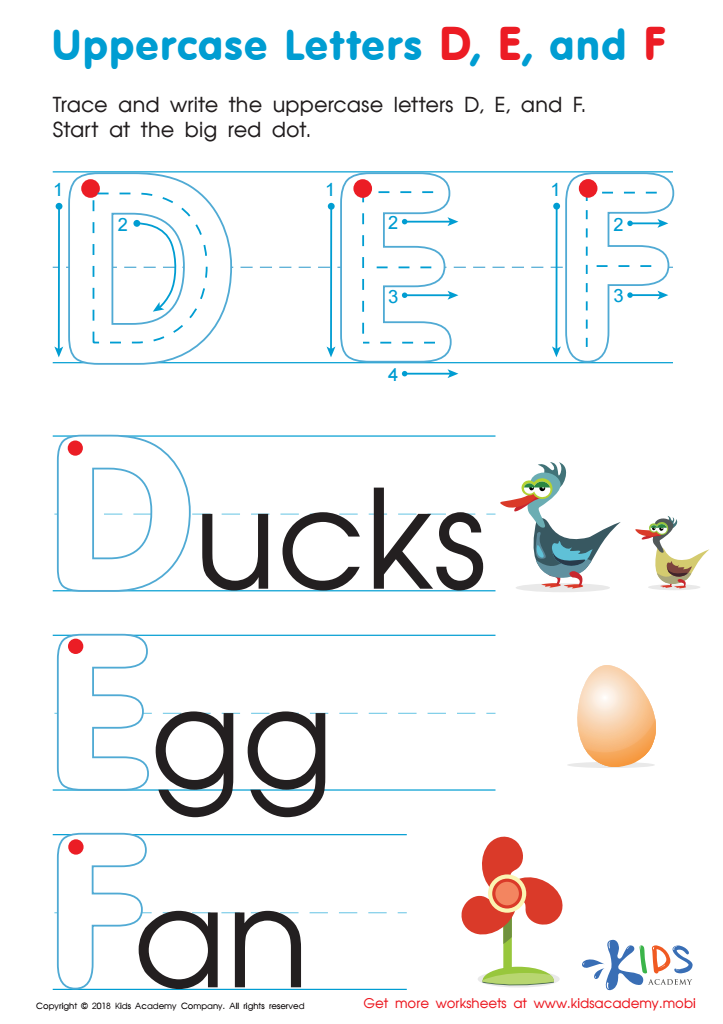
Uppercase Letters D, E, and F Worksheet
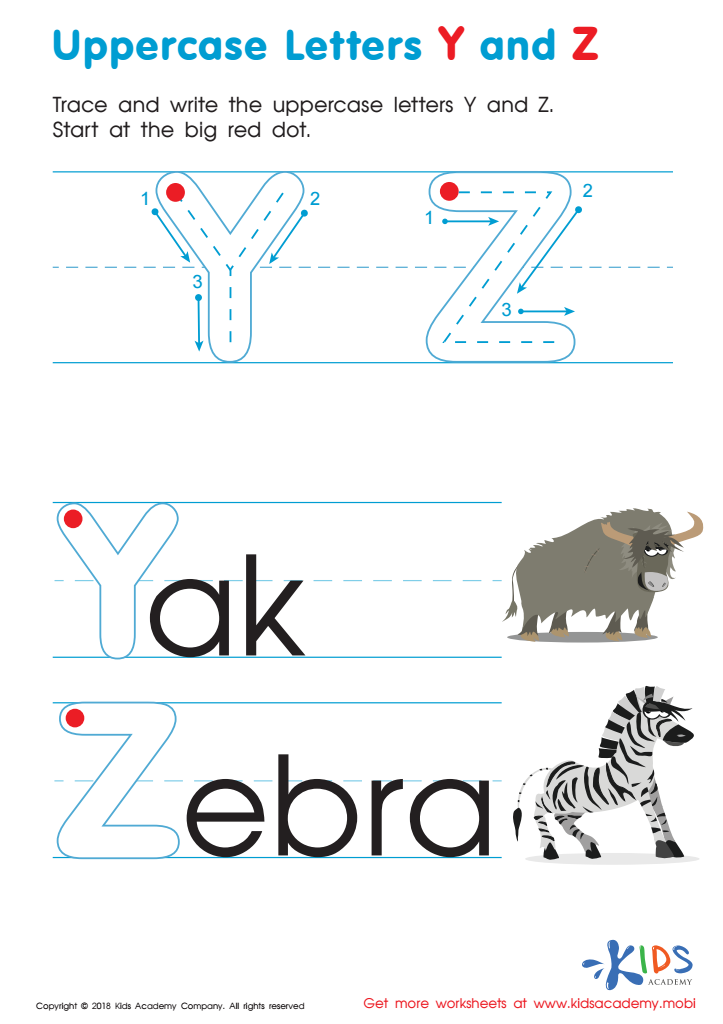
Uppercase Letters Y Z Worksheet
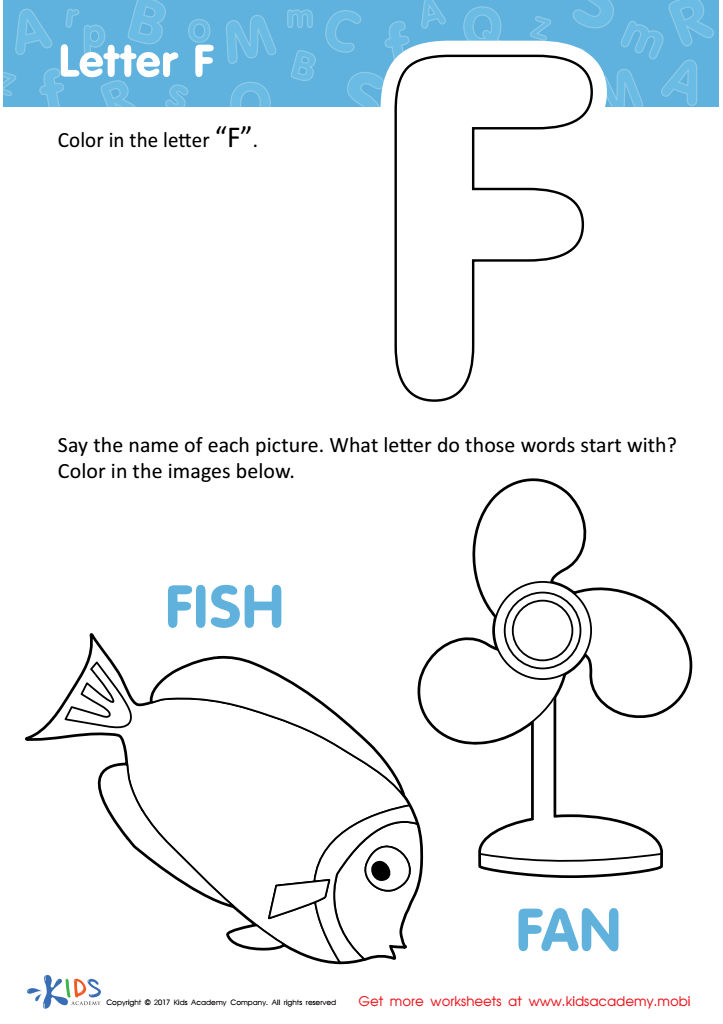
Letter F Coloring Sheet
Assign to My Students
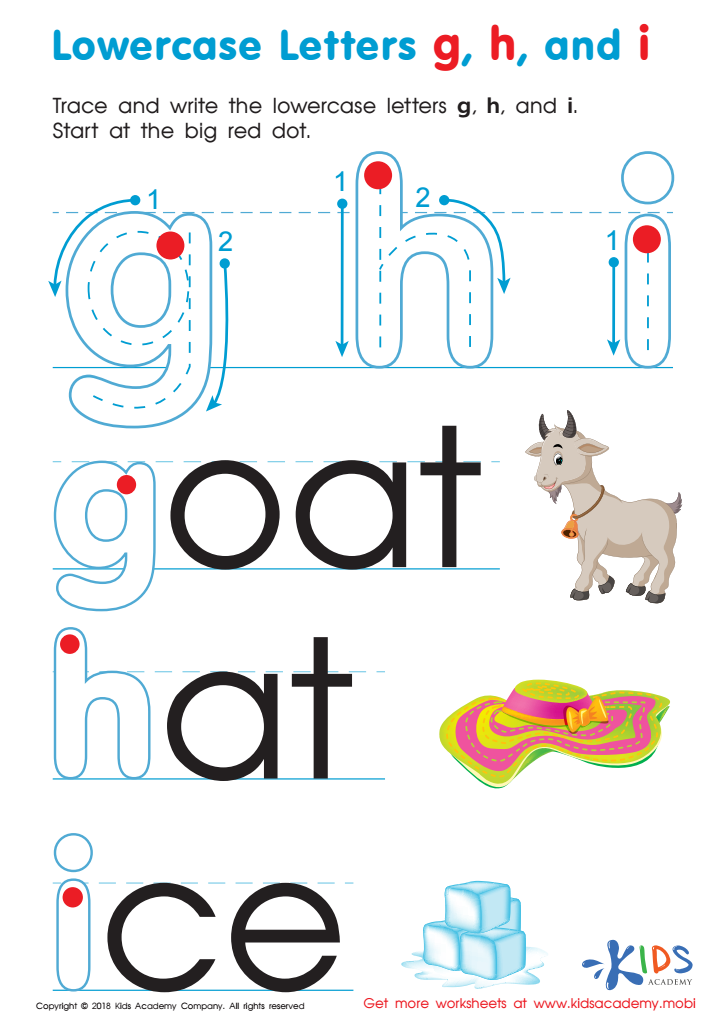
Lowercase Letters g h i Worksheet
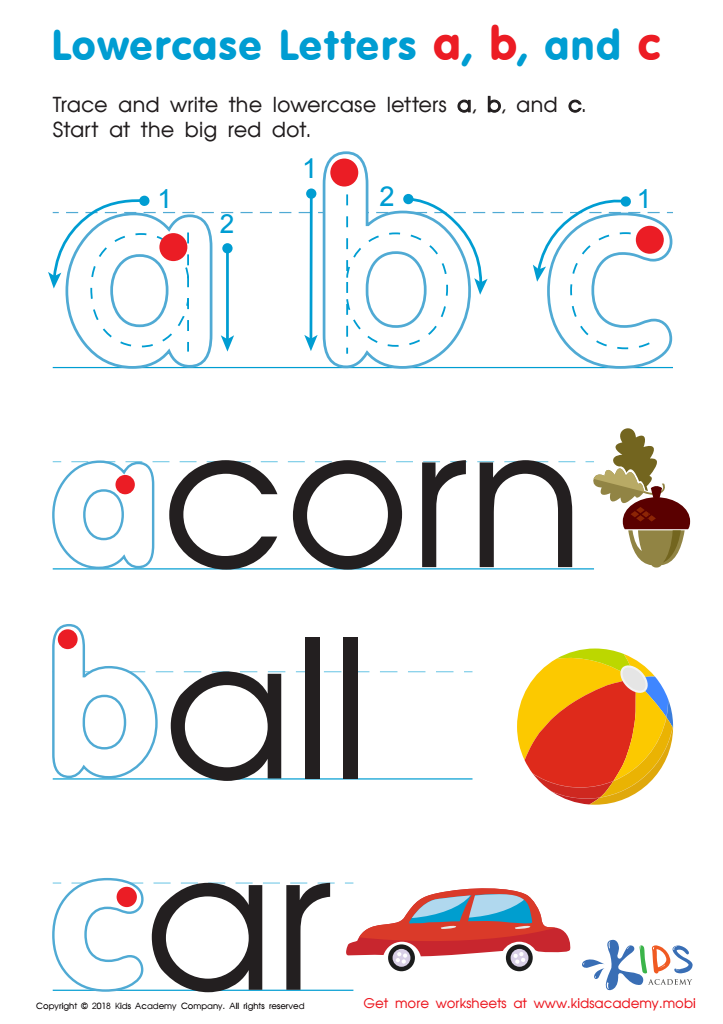
Lowercase Letters a b c Worksheet
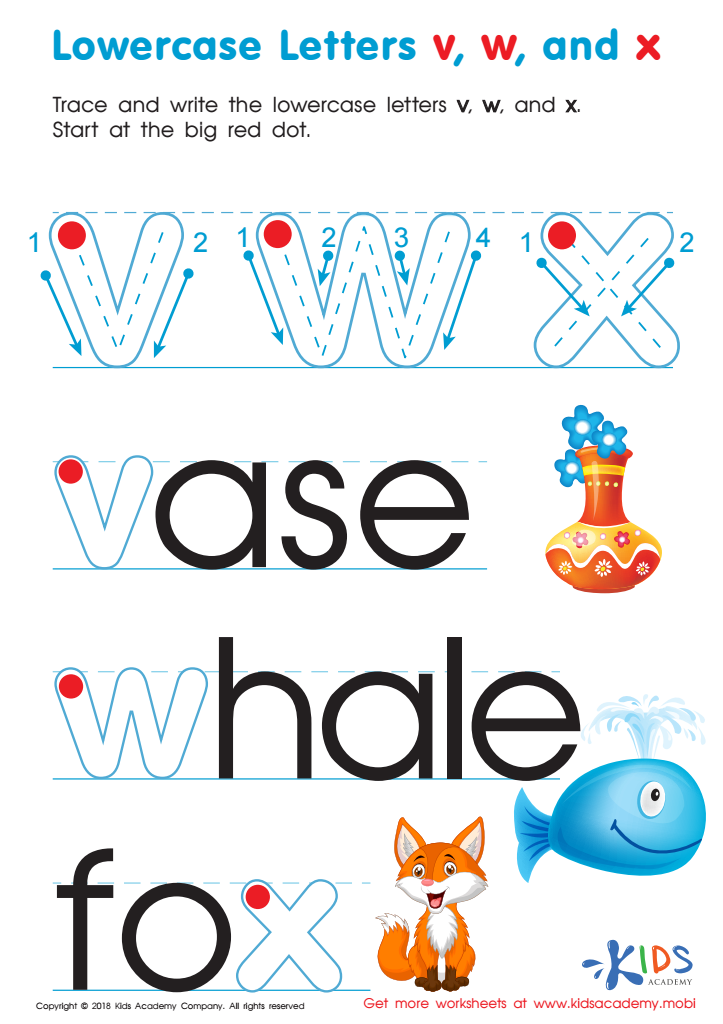
Lowercase Letters v w x Worksheet
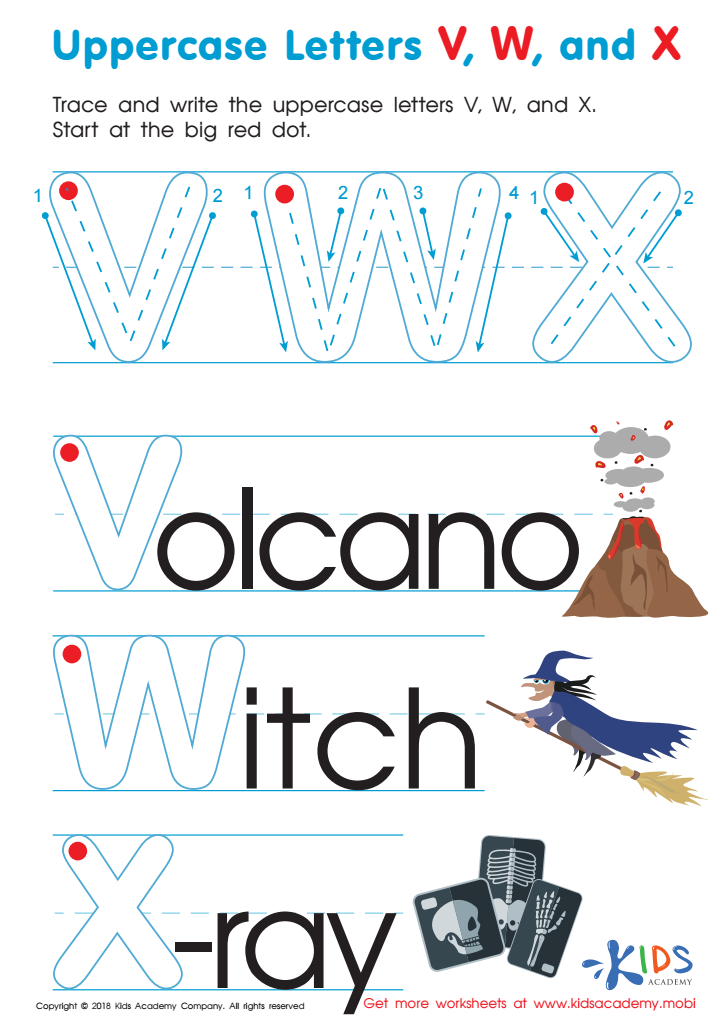
Uppercase Letters V, W, and X Worksheet








Alphabet recognition is crucial for children aged 6-7 as it forms the foundational block for literacy and further academic skills. In this developmental stage, children transition from learning sounds and letters to reading fluently and comprehending texts. Parents and teachers should care deeply about this aspect of learning because mastery of the alphabet enables children to decode words, recognize sight words, and eventually develop writing skills.
At this age, children are often making vital connections between letters and sounds, which is essential for phonemic awareness—a skill directly linked to reading proficiency. When children can recognize the entire alphabet, including uppercase and lowercase versions, they are better equipped to understand the significance of letter formation and language structure.
Additionally, strong alphabet recognition supports vocabulary expansion and fosters confidence in reading aloud. This can influence their overall academic performance and enjoyment of literature as they develop a love for reading. Furthermore, parental involvement in reinforcing these skills through everyday activities—like reading together, playing word games, or using educational apps—can significantly enhance a child's literacy journey. Ultimately, fostering a strong foundation in alphabet recognition will provide children with the tools they need for lifelong learning and communication.







