Handwriting practice Normal Alphabet Worksheets for Ages 6-7 - Page 2
32 filtered results
-
From - To
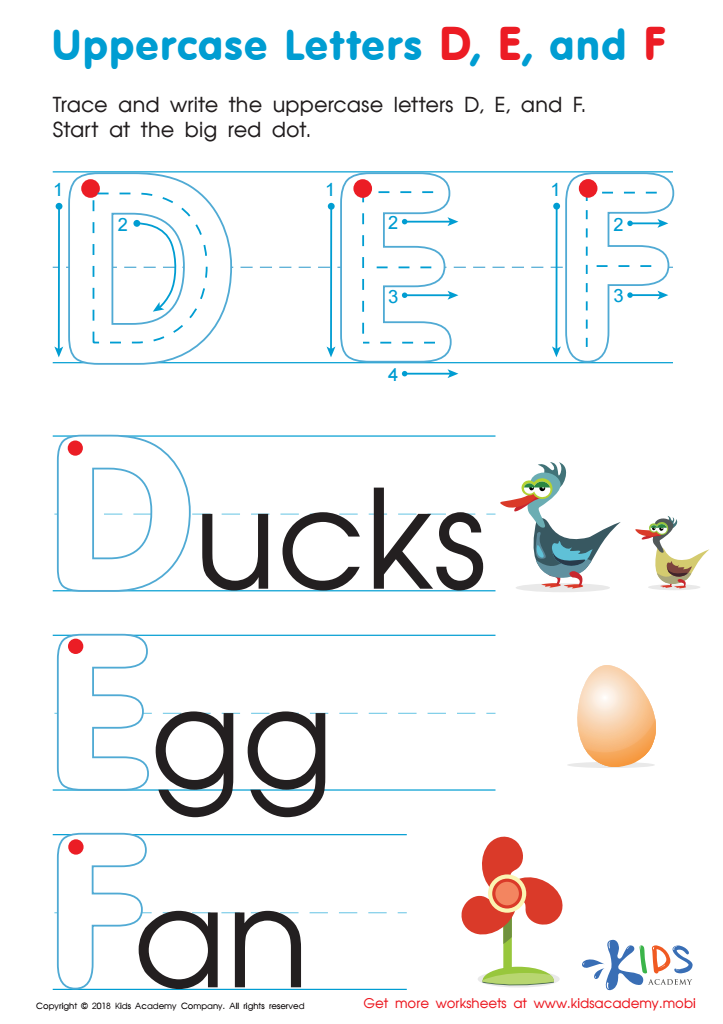
Uppercase Letters D, E, and F Worksheet
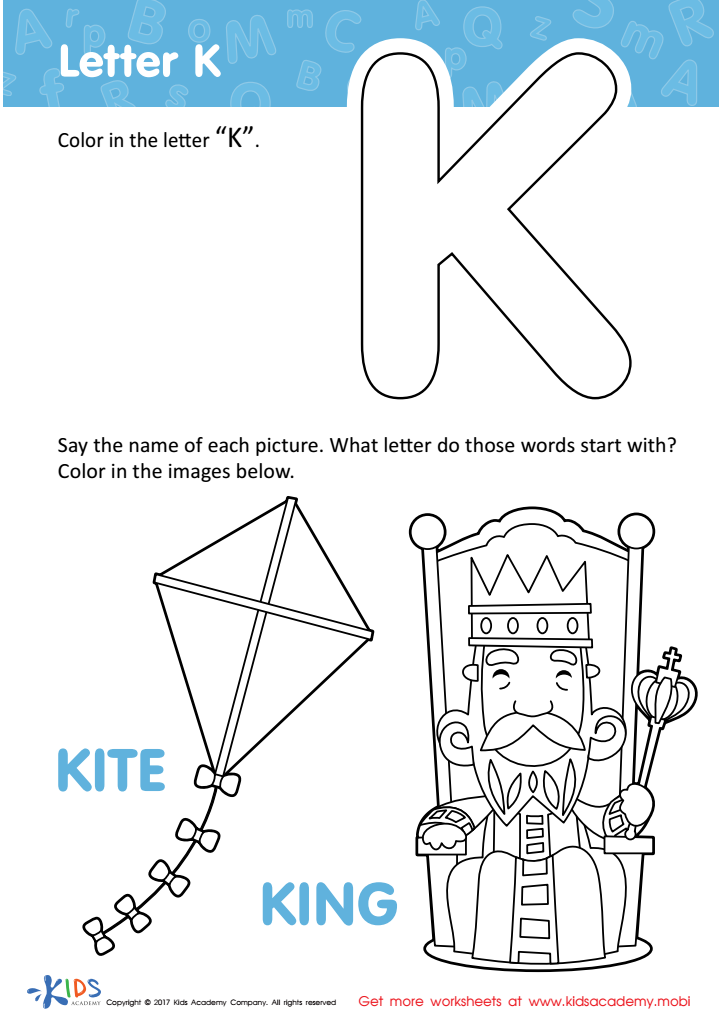
Letter K Coloring Sheet
 Assign to My Students
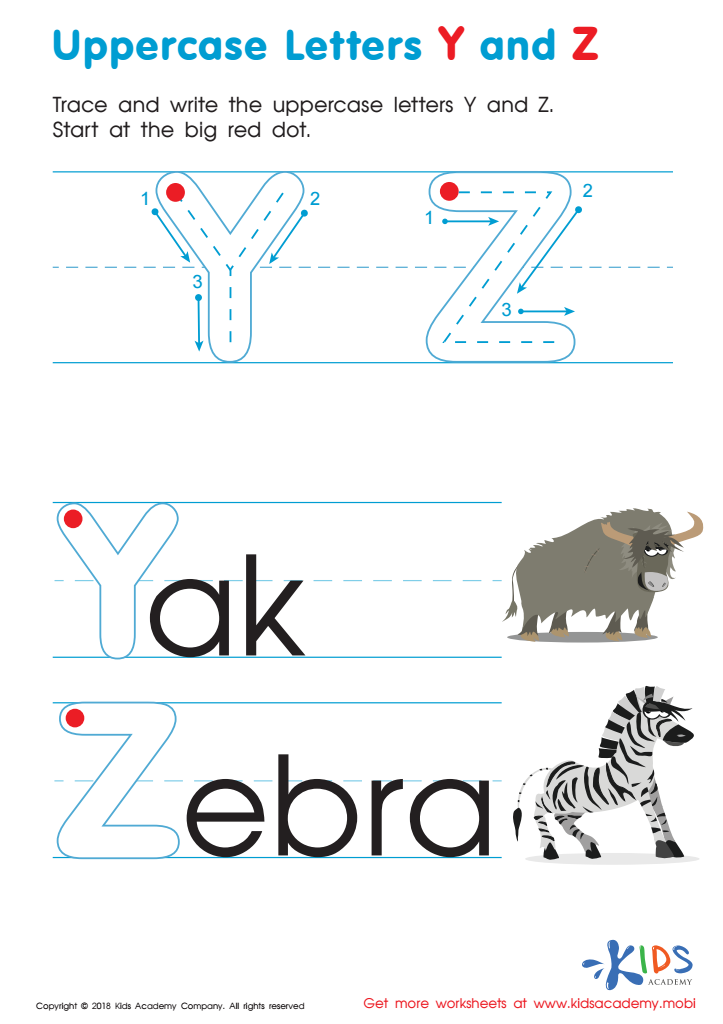
Uppercase Letters Y Z Worksheet
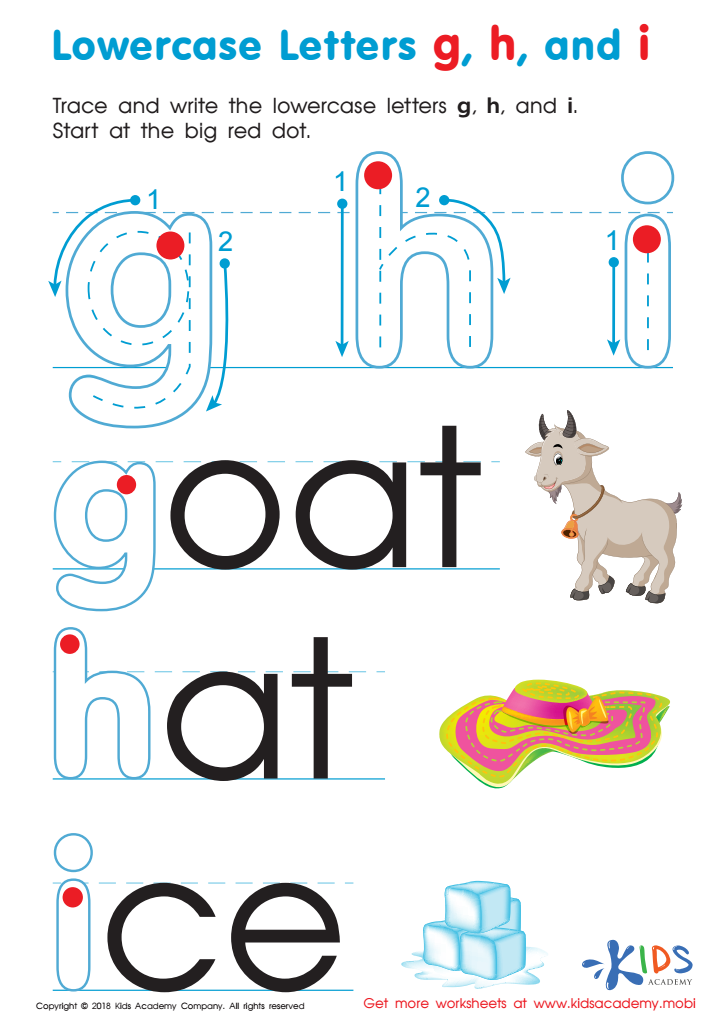
Lowercase Letters g h i Worksheet
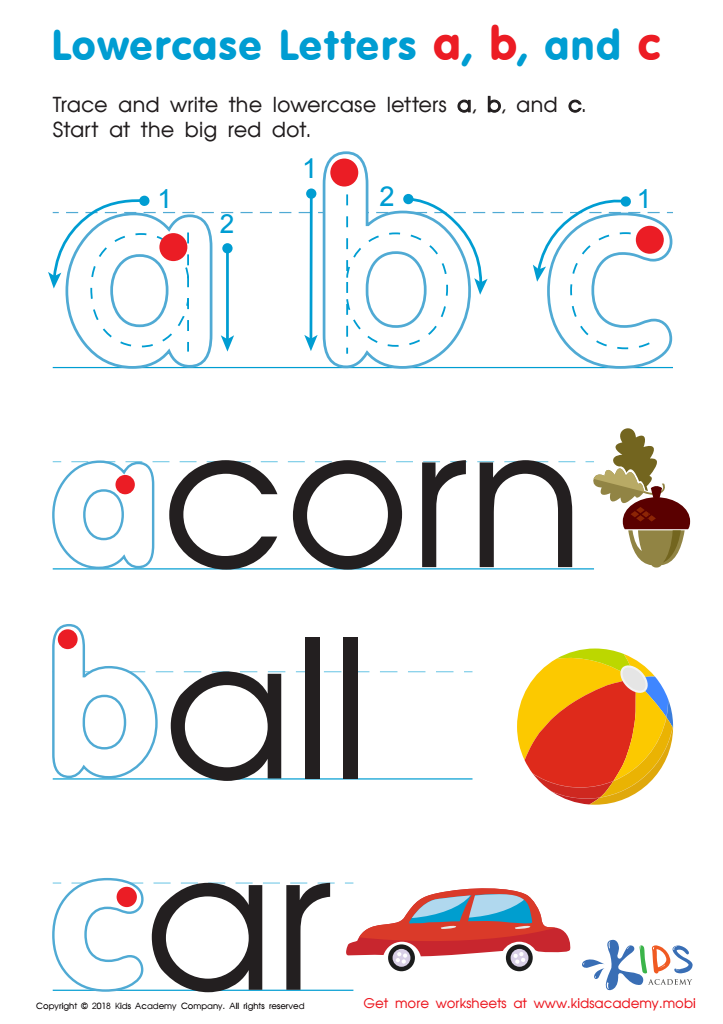
Lowercase Letters a b c Worksheet
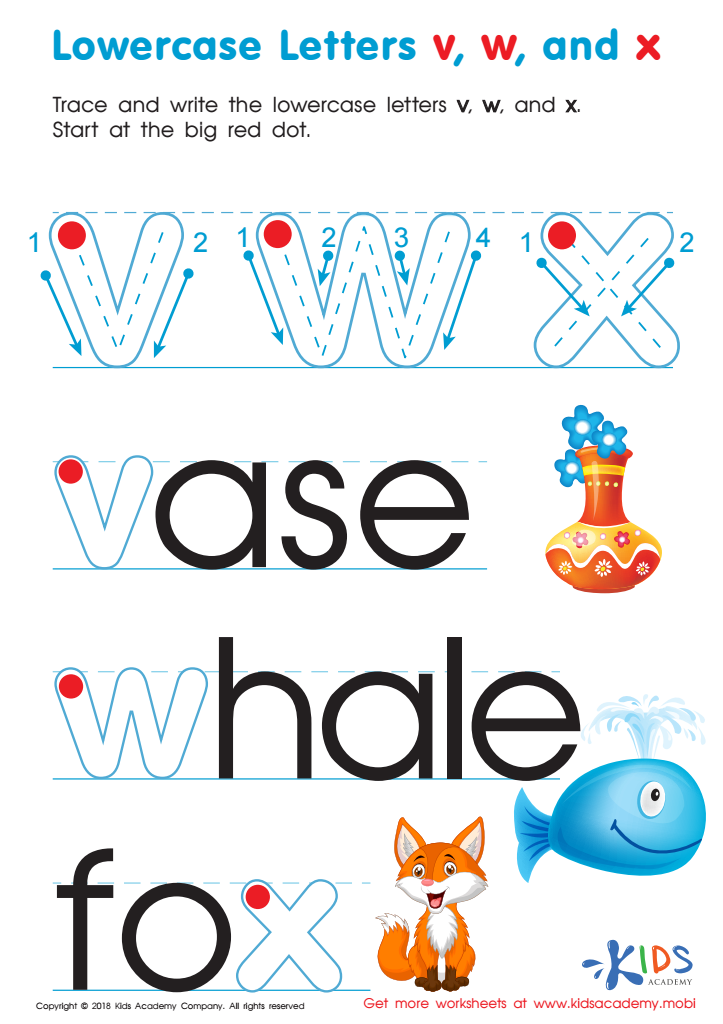
Lowercase Letters v w x Worksheet
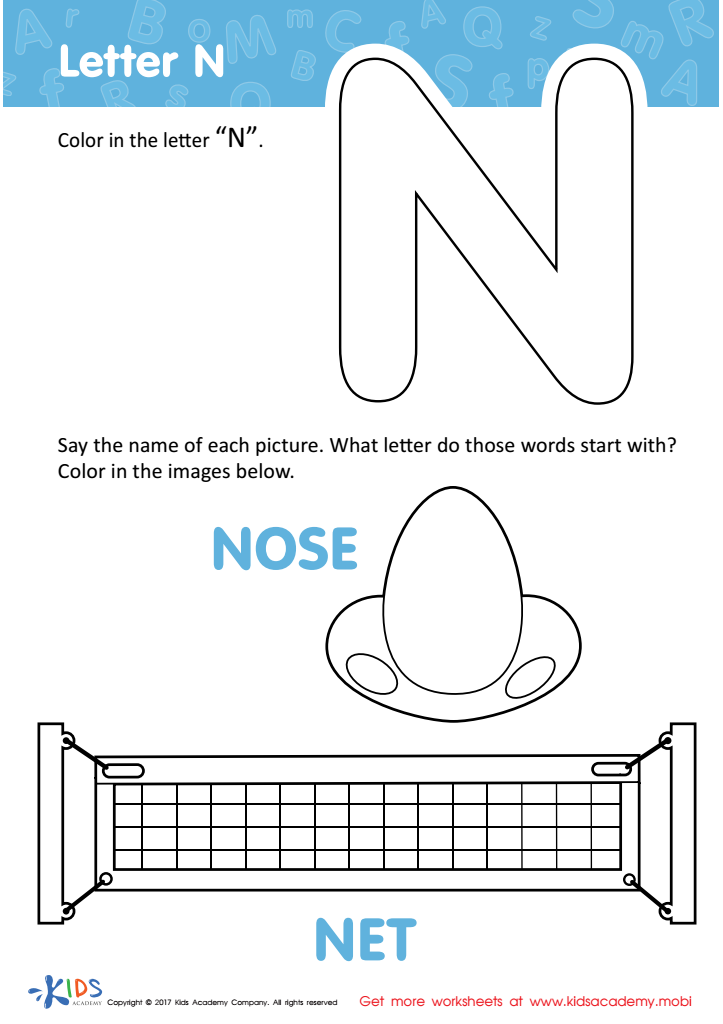
Letter N Coloring Sheet
Assign to My Students
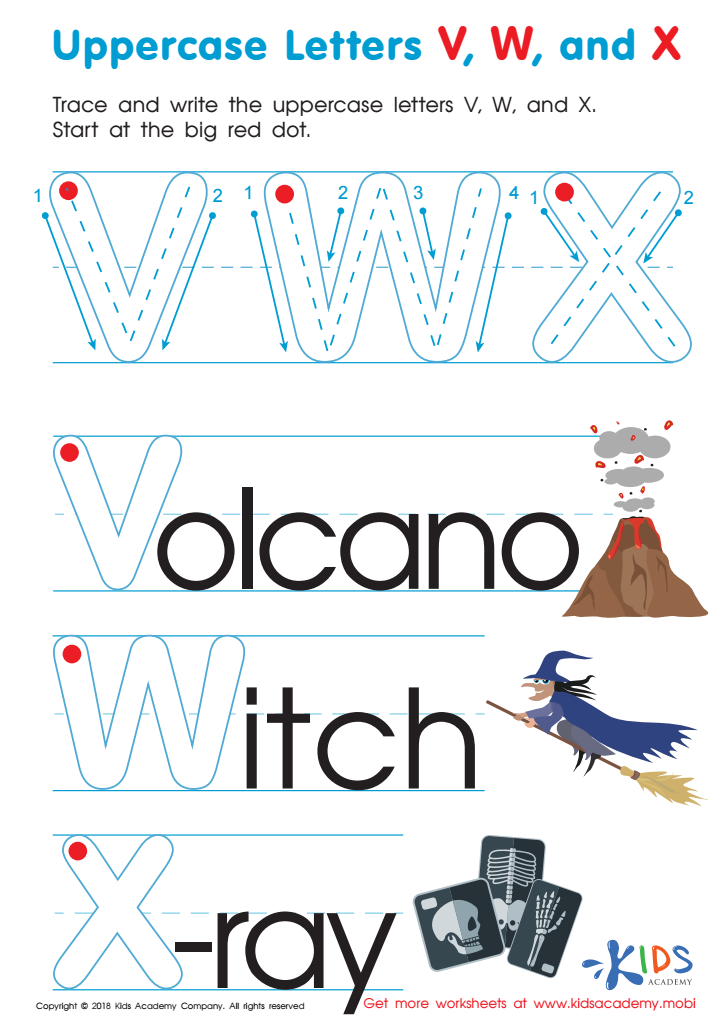
Uppercase Letters V, W, and X Worksheet







Handwriting practice is crucial for children aged 6-7, as it plays a significant role in their overall development. During this developmental stage, children are building foundational skills in literacy and communication. Practicing handwriting helps reinforce letter recognition and the connection between sounds and symbols, which are essential for reading and writing fluency.
Additionally, handwriting improves fine motor skills, enhancing hand-eye coordination and muscle control. These skills are not only important for writing but also support other activities such as art and everyday tasks. As children engage in forming letters and practicing proper grip, they gain a sense of accomplishment and confidence in their abilities.
Moreover, clear and legible handwriting is often linked to better academic performance. Well-developed handwriting skills can boost learning outcomes by allowing children to express their thoughts more effectively in writing, contributing to improved focus and retention of knowledge.
Caring about handwriting practice sends a message to children about the value of effort and persistence. By providing consistent support, parents and teachers can help foster a love for learning and encourage the development of lifelong skills that extend beyond the classroom. Investing time in handwriting now sets the stage for future academic success and personal expression.







