Letter-sound recognition Normal Alphabet Worksheets for Ages 6-7
3 filtered results
-
From - To
Our "Letter-Sound Recognition Normal Alphabet Worksheets for Ages 6-7" are a fantastic educational tool designed to help young learners master the fundamentals of reading. These engaging and interactive worksheets focus on identifying both uppercase and lowercase letters while connecting them with their corresponding sounds. Each activity is thoughtfully crafted to make learning fun and effective, ensuring that children build a solid foundation in phonics. Ideal for classroom or home use, these worksheets support early literacy skills, boost confidence, and make the journey to reading success enjoyable for kids. Explore and download our worksheets today to enhance your child’s learning experience!
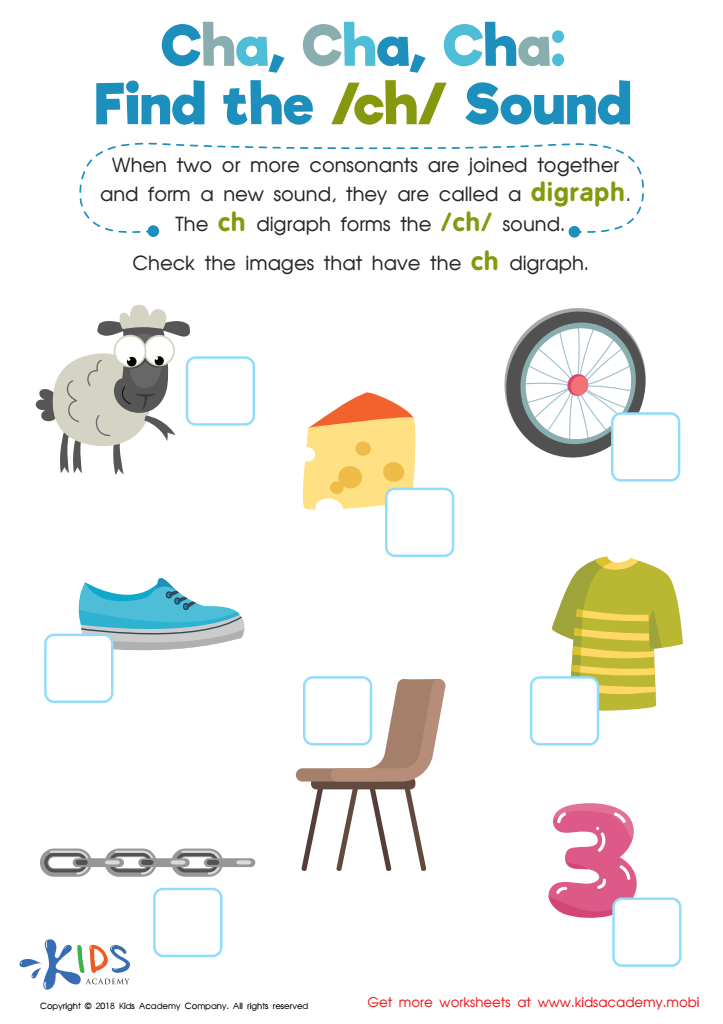
Cha, Cha, Cha: Find the /Ch/ Sound Worksheet
 Assign to My Students
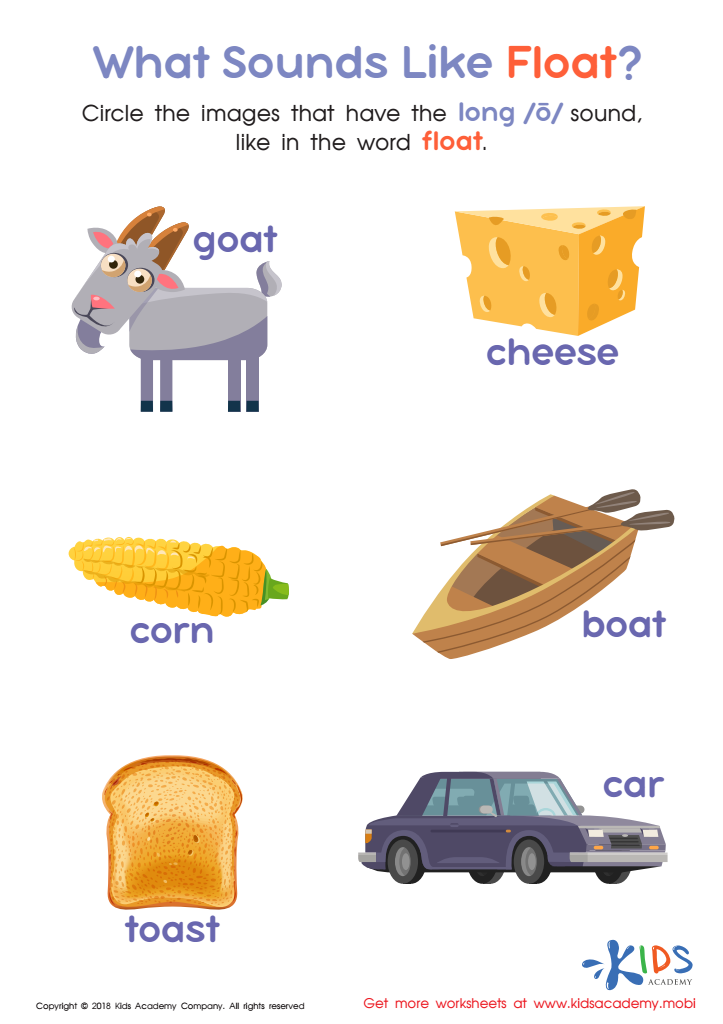
What Sounds Like Float? Worksheet
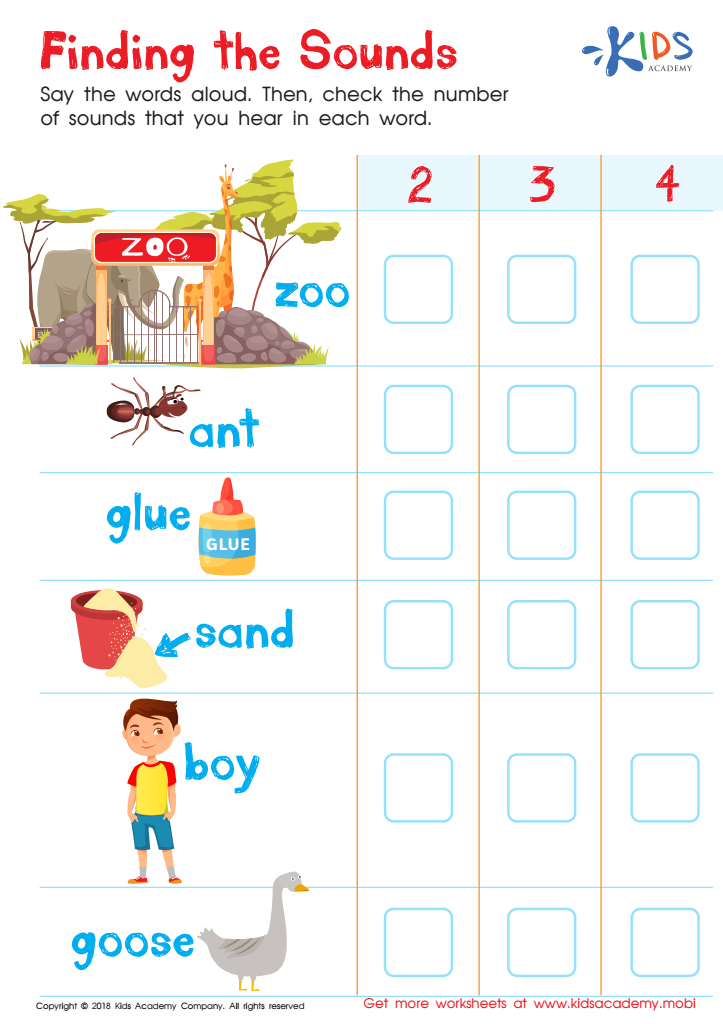
Finding the Sounds Worksheet







Letter-sound recognition is a crucial component of early literacy that parents and teachers must prioritize for children aged 6-7. This skill serves as the foundation for reading proficiency, impacting a child's ability to decode new words, comprehend text, and ultimately foster a lifetime love of learning. By understanding the relationship between letters and their corresponding sounds, children can begin to blend these sounds to form words, making reading less frustrating and more enjoyable.
During ages 6-7, children's brains are especially receptive to language acquisition. Introducing letter-sound recognition at this stage paves the way for fluent reading and spelling. Without this knowledge, children can fall behind in their literacy development, leading to difficulties in other academic areas and diminished self-confidence. Additionally, strong early literacy skills have been linked to better academic outcomes in later years, including higher reading comprehension and overall academic achievement.
For teachers, incorporating structured and engaging activities such as phonics games, read-aloud sessions, and interactive writing exercises can make learning letter sounds both effective and enjoyable. For parents, reading regularly with their children and practicing letter sounds can reinforce what is learned in school, providing a supportive home literacy environment. Together, they can ensure that children develop imperative early literacy skills crucial for long-term academic success.







