Problem-Solving Skills Normal Alphabet Worksheets for Ages 6-7
6 filtered results
-
From - To
Enhance your child's learning experience with our Problem-Solving Skills Normal Alphabet Worksheets, specifically designed for children aged 6-7! These engaging worksheets encourage critical thinking while supporting foundational literacy skills. Each fun-filled activity incorporates the alphabet, helping your young learner develop essential problem-solving abilities through interactive exercises. Perfect for home or classroom use, these worksheets provide a balanced approach to education, combining letter recognition, phonics practice, and logical reasoning. Let your child embark on an exciting learning journey that fosters both creativity and intellect. Download and print today to encourage a lifelong love of learning in your little one!
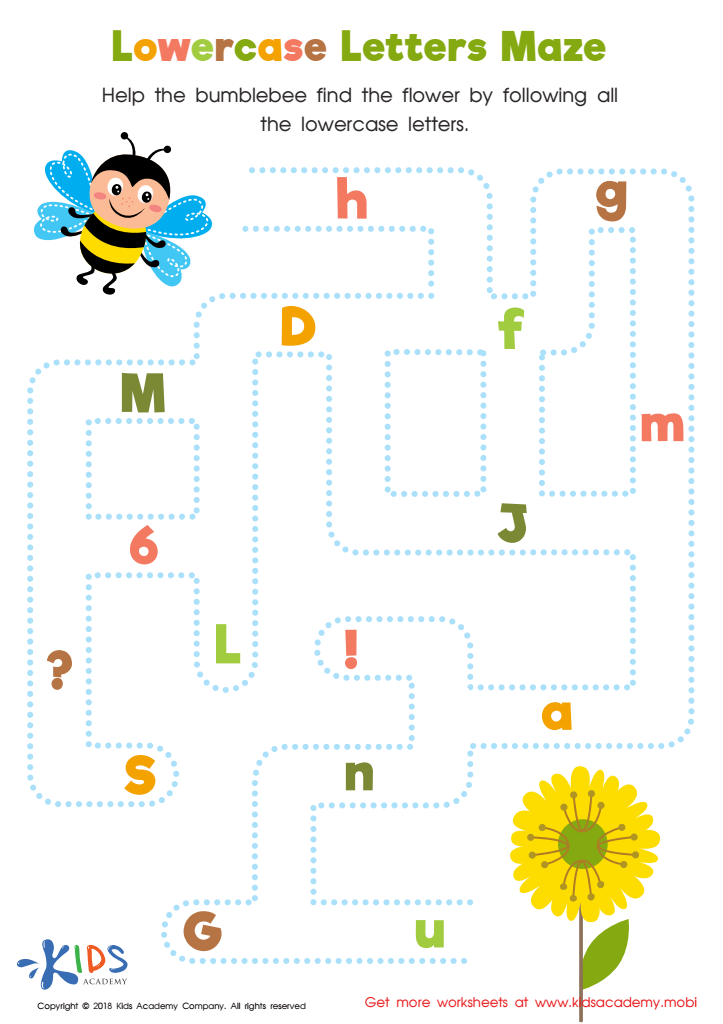
Lowercase Letters Maze Worksheet
 Assign to My Students
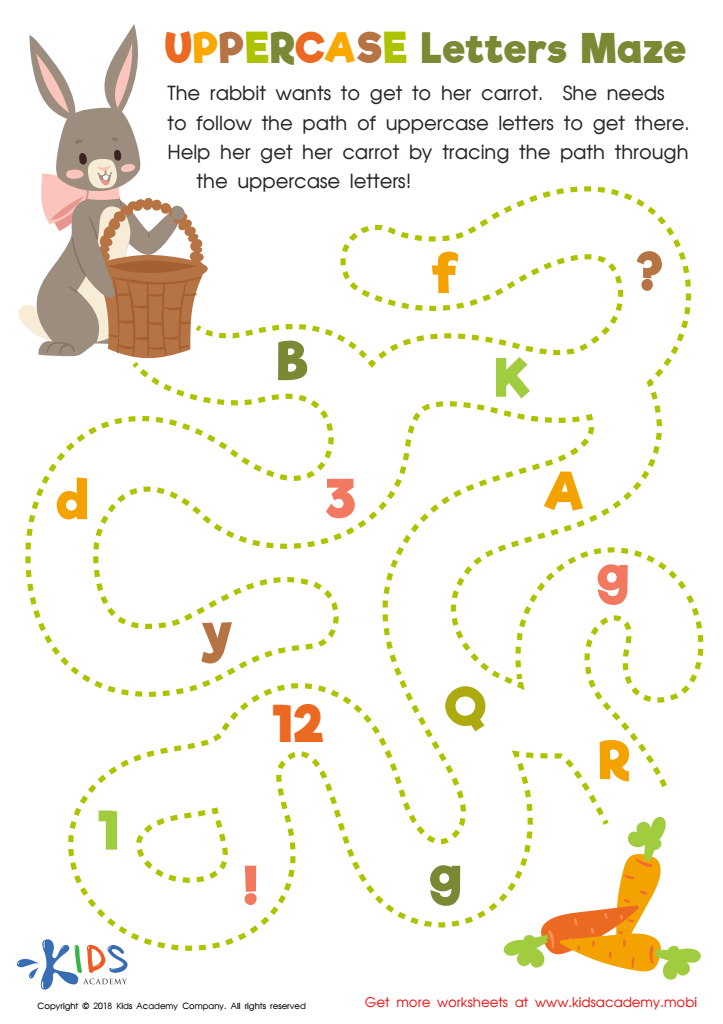
Uppercase Letters Maze Worksheet
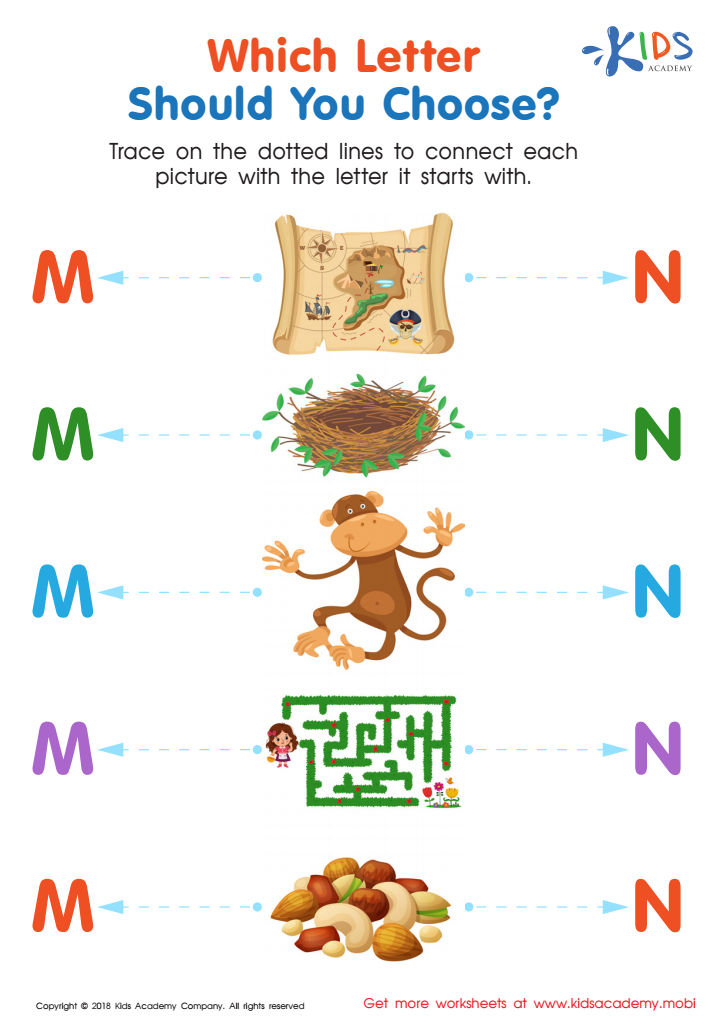
Which Letter Should you Choose? Worksheet
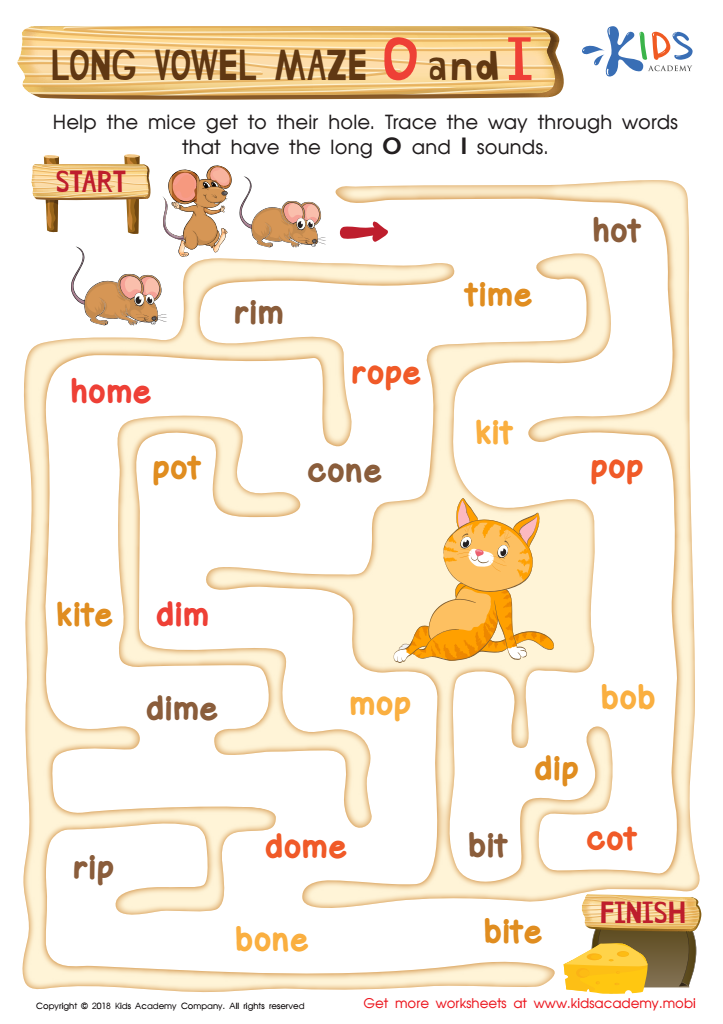
Long Vowel Maze /o/ and /i/ Worksheet
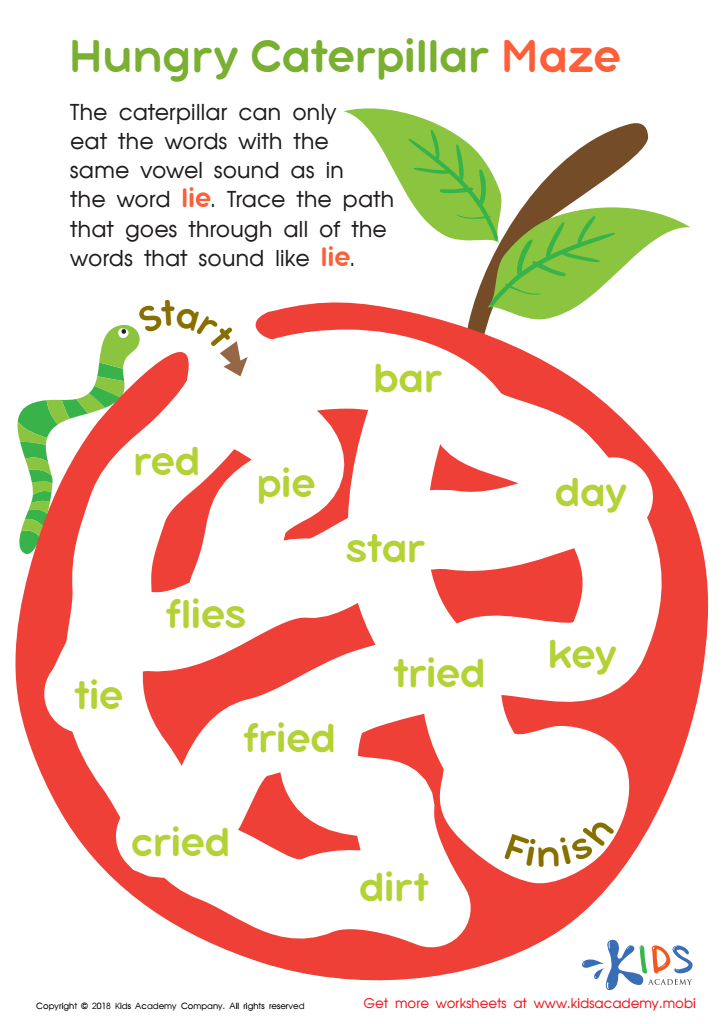
Hungry Caterpillar Maze Worksheet
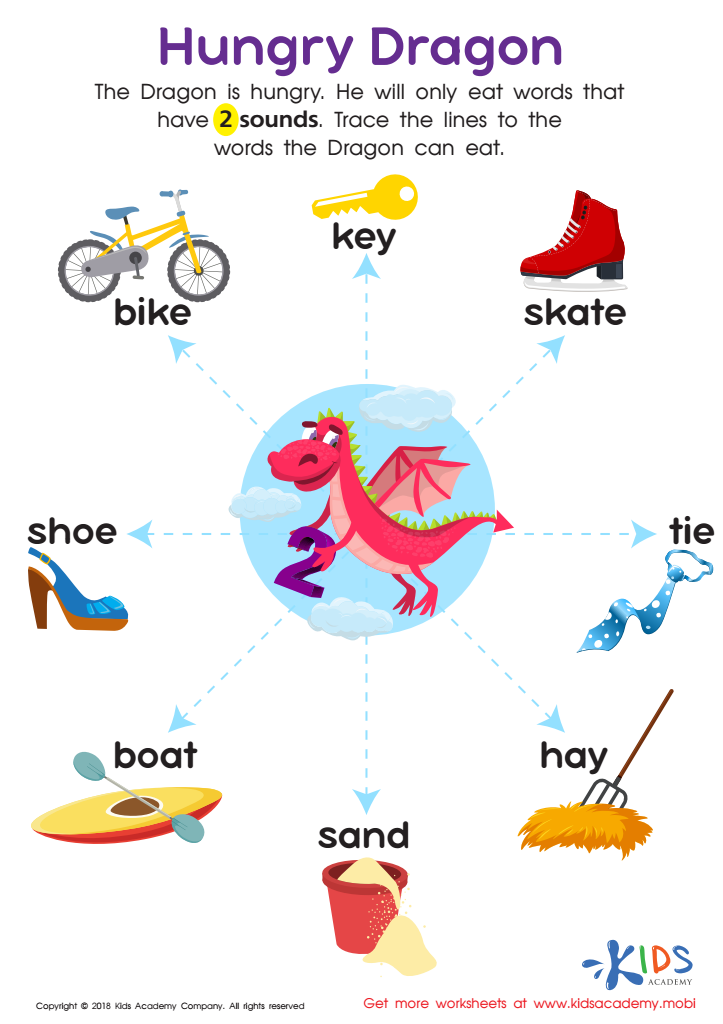
Hungry Dragon Worksheet







Problem-solving skills are crucial for children aged 6-7, as they lay the foundation for academic success and daily life challenges. At this age, children are developing cognitive abilities, and fostering these skills enhances their critical thinking, creativity, and decision-making. Parents and teachers play a significant role in nurturing these capabilities.
Firstly, problem-solving promotes independent thinking. When children learn to navigate challenges on their own, they become more confident in their abilities, leading to improved self-esteem and resilience. These skills can also translate into better academic performance, as children who think critically are more adept at understanding concepts, analyzing information, and tackling complex tasks.
Additionally, problem-solving skills are essential for social development. Collaborative activities teach children how to work with peers, communicate effectively, and resolve conflicts, which are vital in building healthy relationships.
Lastly, instilling strong problem-solving abilities early on prepares children for future challenges, both academically and personally. As they grow, these foundational skills will aid them in numerous real-life situations, from making decisions to overcoming obstacles. Therefore, prioritizing problem-solving skills in early education is an investment in children’s overall development and future success.







