Vowel Recognition Normal Alphabet Worksheets for Ages 6-7
12 filtered results
-
From - To
Enhance your child’s reading skills with our Vowel Recognition Normal Alphabet Worksheets designed for ages 6-7. Our engaging and educational worksheets help young learners identify and differentiate vowels within the alphabet. Each activity promotes phonemic awareness through fun, relatable exercises tailored to their developing skills. Perfect for at-home practice or classroom use, these worksheets build a solid foundation for reading fluency. Join thousands of educators and parents who trust our expertly crafted resources to make learning both enjoyable and effective. Dive into vowel recognition and boost your child’s early literacy journey with Kids Academy today!
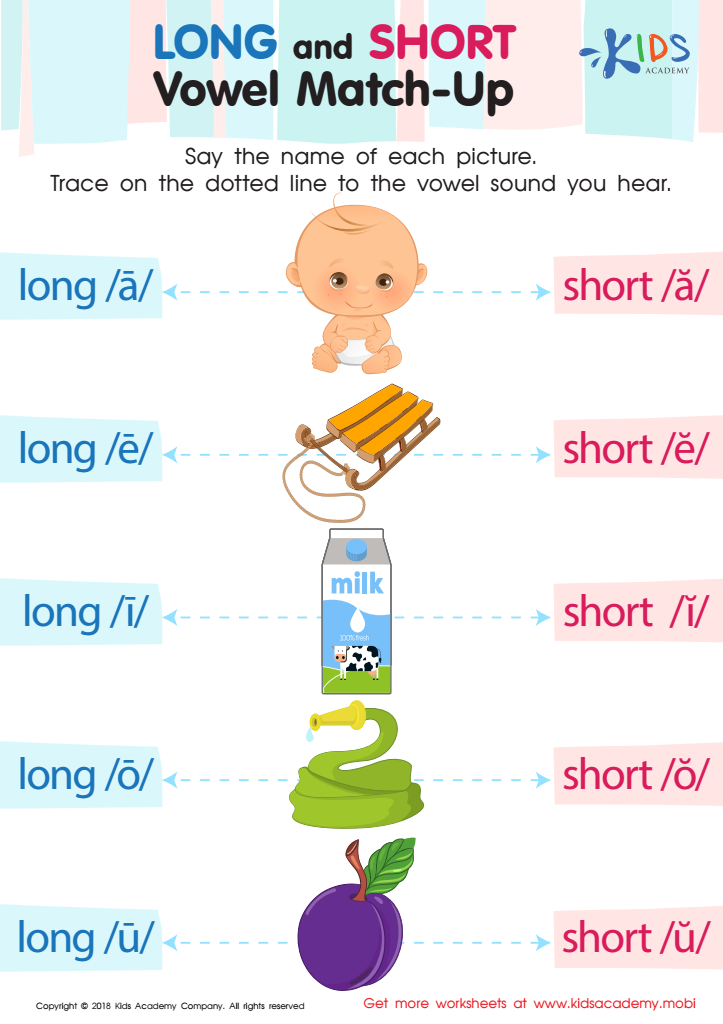
Long and Short Vowel Match up Reading Worksheet
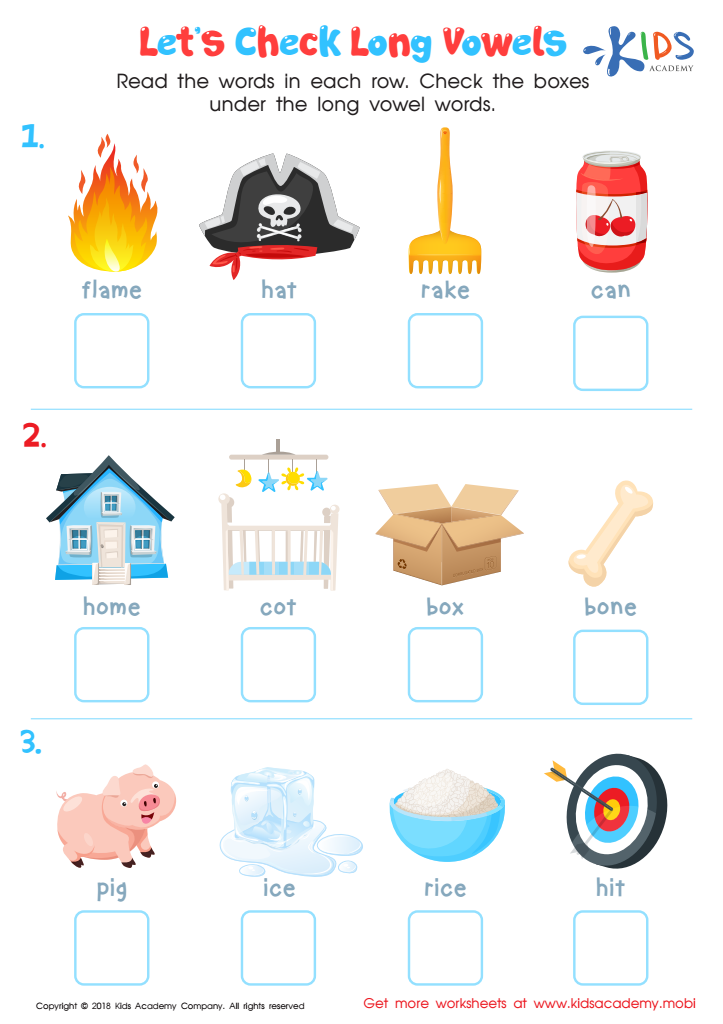
Let's Check Long Vowels: Assessment Worksheet
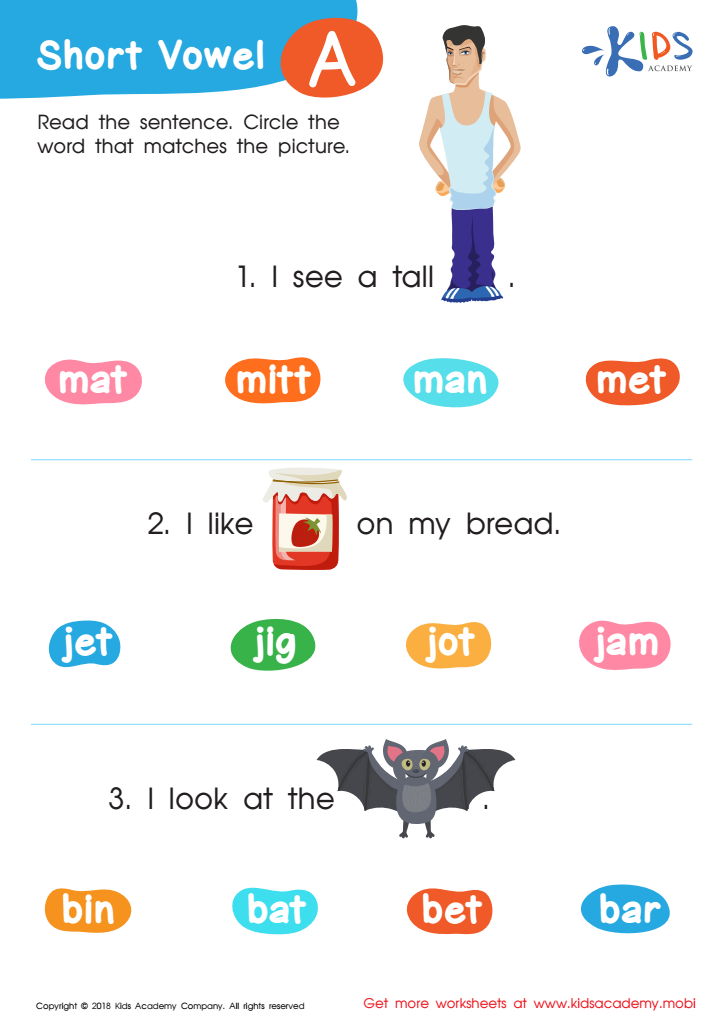
Short Vowel /a/ Worksheet
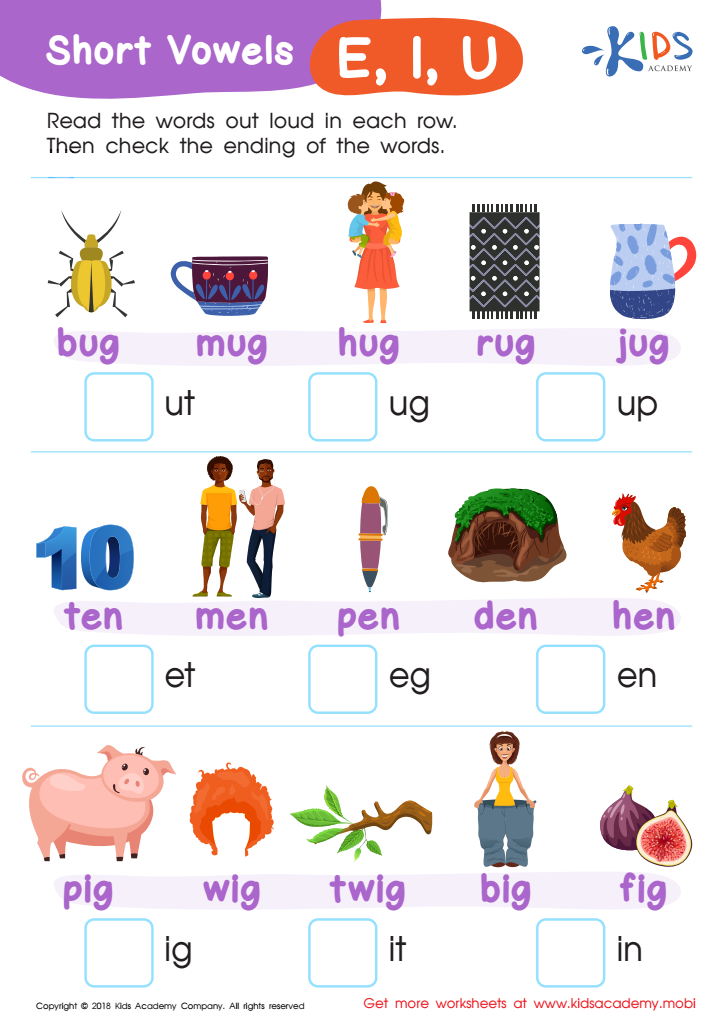
Short Vowels /e/, /i/, and /u/ Worksheet
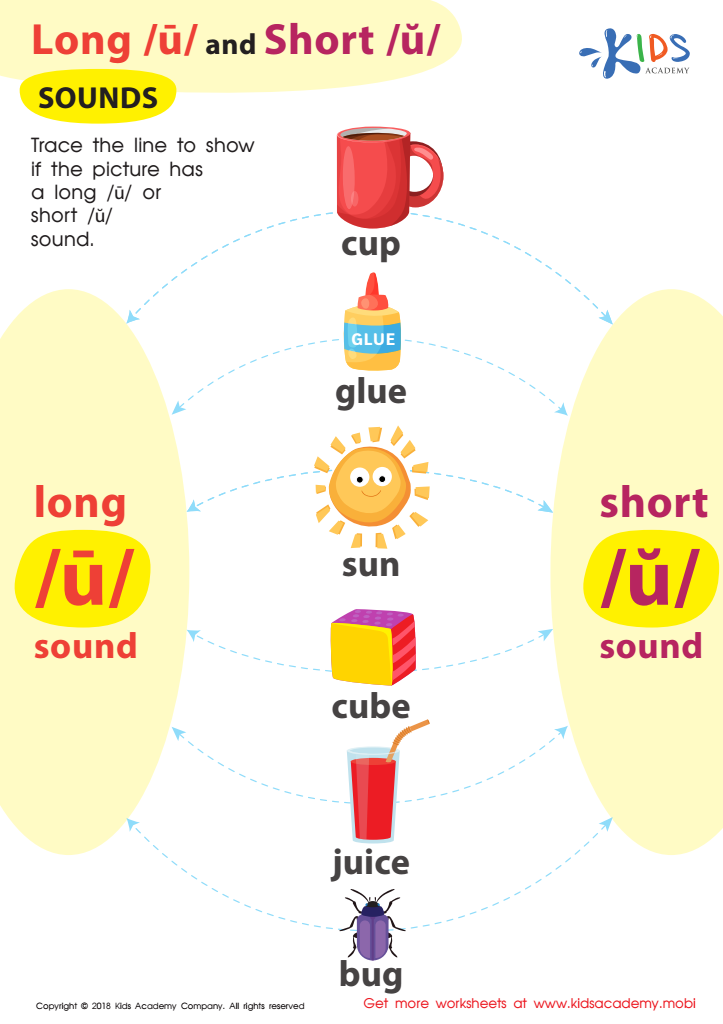
Reading: Long U and Short U Sounds Worksheet
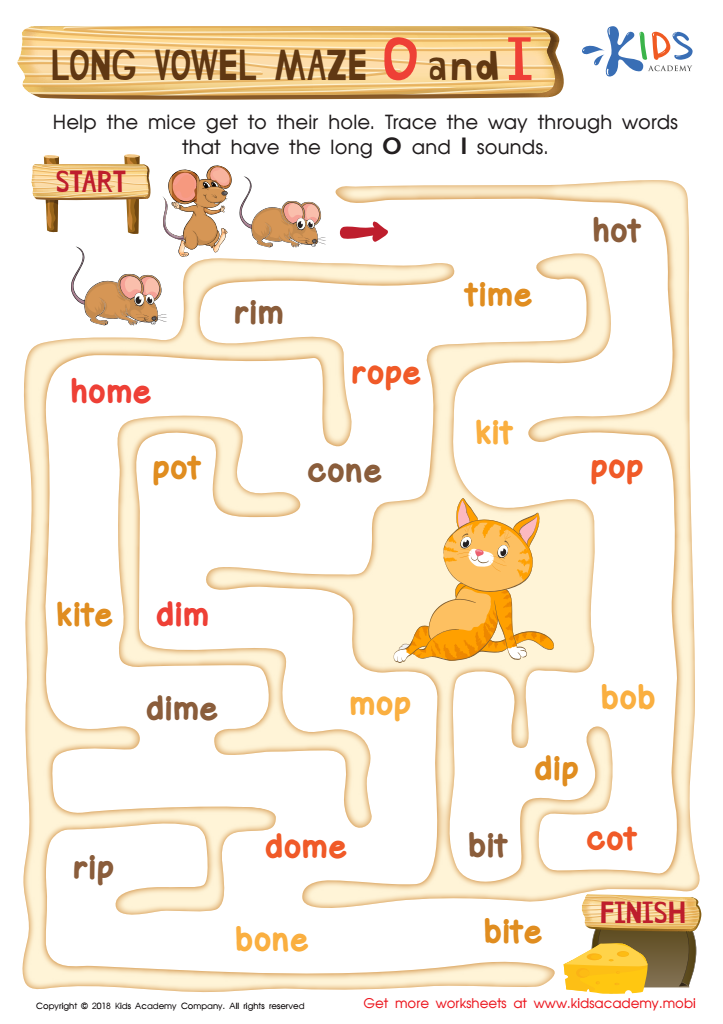
Long Vowel Maze /o/ and /i/ Worksheet
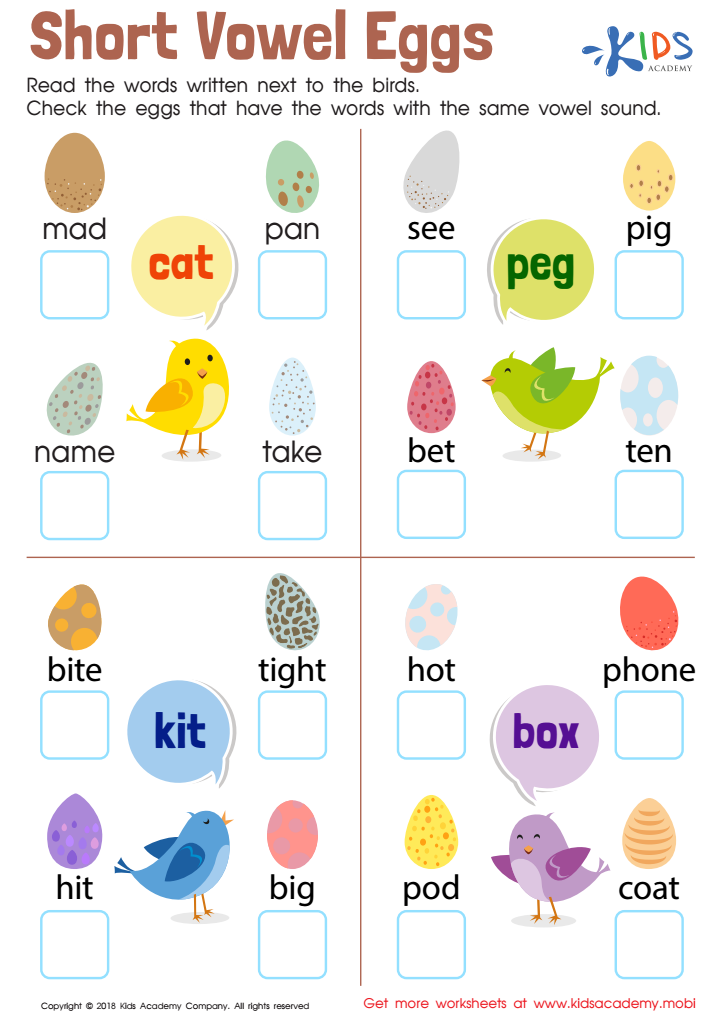
Short Vowel Eggs Worksheet
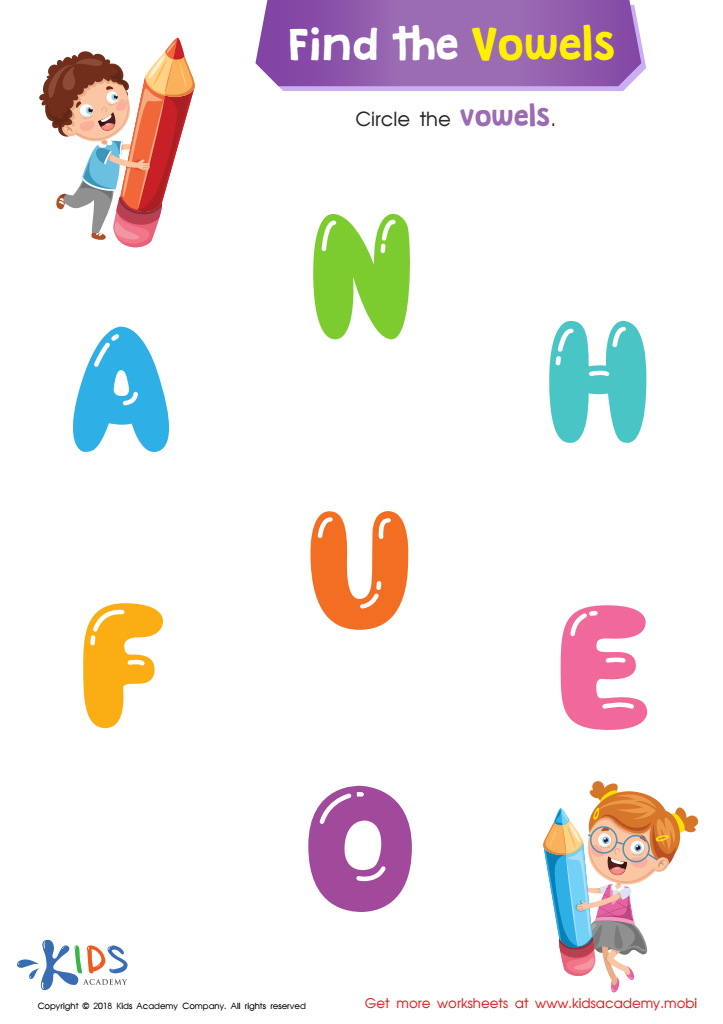
Find the Vowels Reading Worksheet
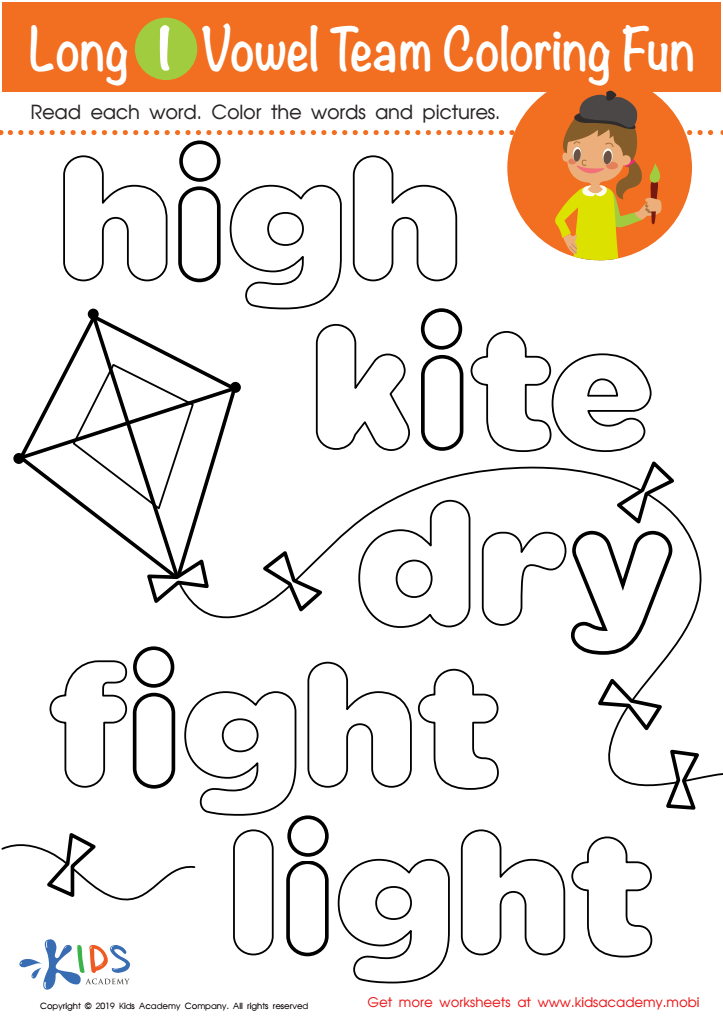
Long I Vowel Team Coloring Worksheet
 Assign to My Students
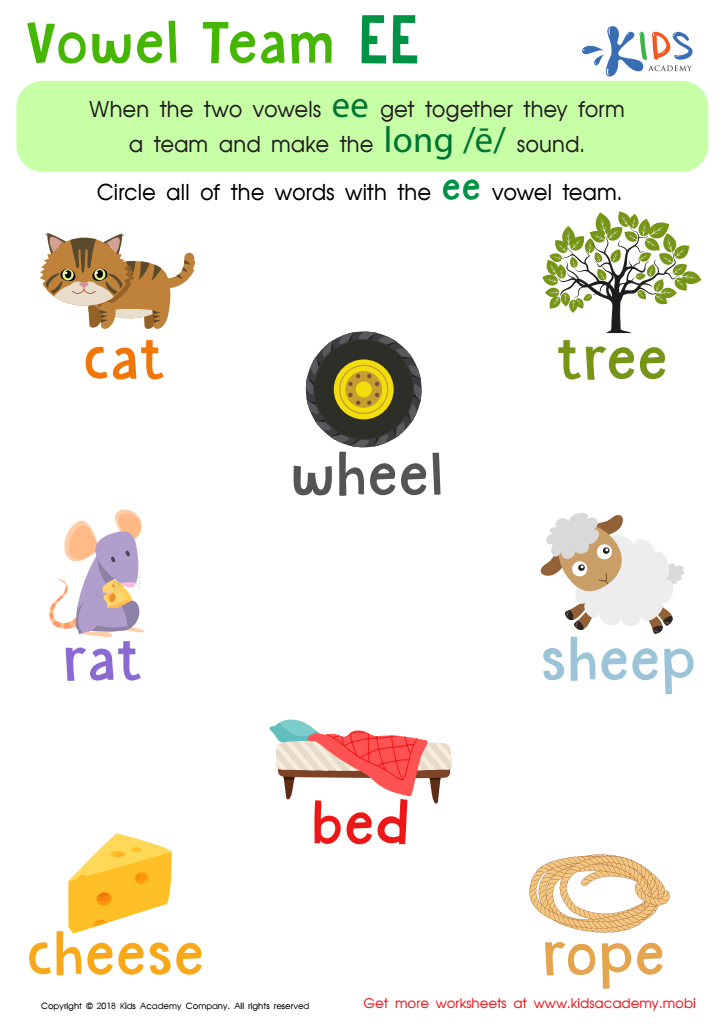
Reading: Vowel Team EE Worksheet
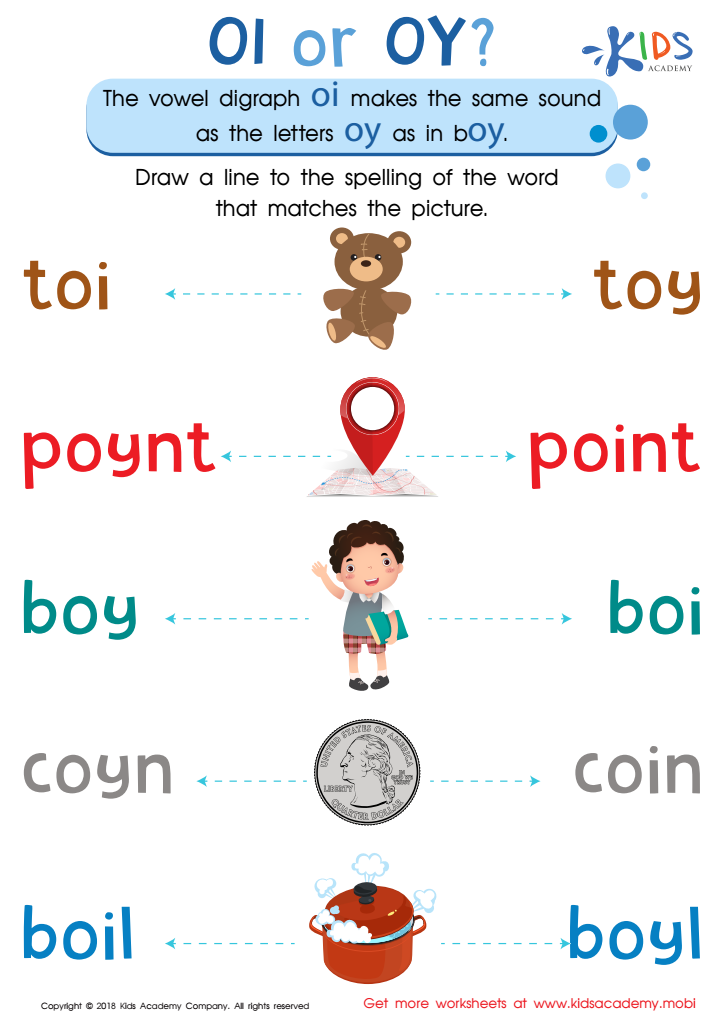
Reading: OI and OY Worksheet
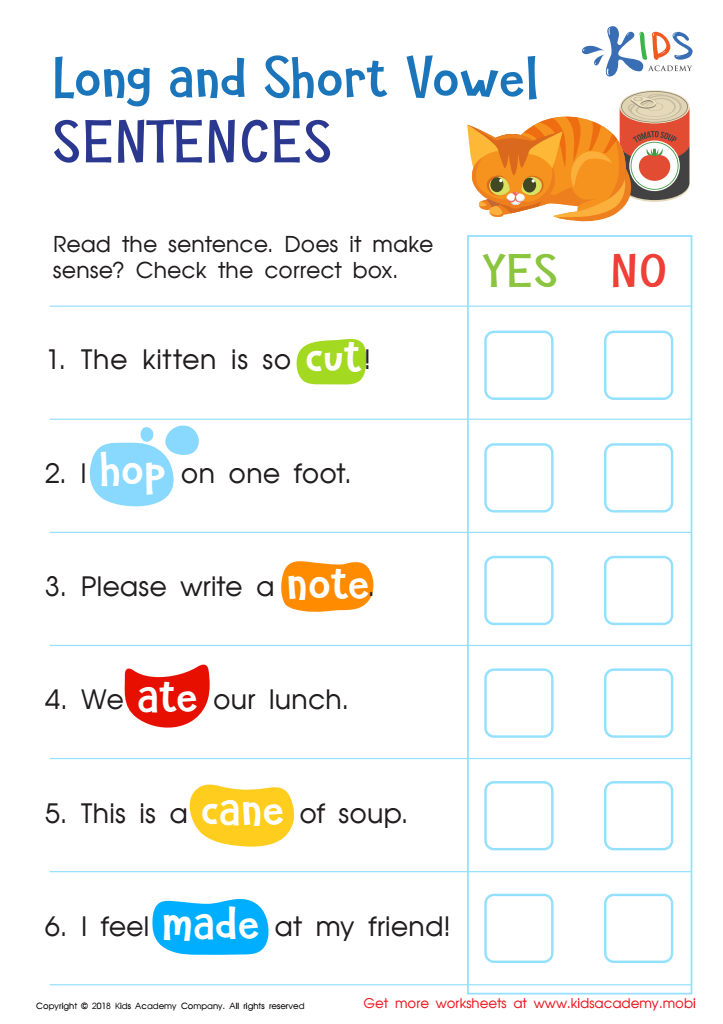
Long and Short Vowel Sentences: Assessment Worksheet








Vowel recognition is a cornerstone in early literacy development and is particularly crucial for children ages 6-7. Both parents and teachers should care about it because vowels form the core of phonics, which is instrumental for reading proficiency. Understanding vowels helps children decode words, improving their ability to read accurately and fluently. It lays the groundwork for recognizing word patterns, spelling, and pronunciation.
At this age, children are also expected to transition from learning to read to reading to learn. If they struggle with vowels, which are embedded in nearly every word, they may face difficulties in reading comprehension, slowing their overall academic progress. Recognizing each of the normal alphabet vowels (a, e, i, o, u) ensures children can progress from simple to complex reading tasks.
Furthermore, vowel recognition engages various learning styles. Activities such as sounding out vowels, associating sounds with symbols, and practicing through reading and writing games help cater to auditory, visual, and kinesthetic learners.
Lastly, developing a firm foundation in vowel recognition fosters a love of reading and learning, creating a positive attitude towards education from an early age. This attention to foundational literacy skills can lead to improved academic confidence and success across all subjects.







