Vocabulary enhancement Normal Long And Short Vowel Worksheets for Ages 6-7
8 filtered results
-
From - To
Boost your child's vocabulary with our engaging Normal Long and Short Vowel Worksheets for ages 6-7. Designed specifically for early learners, these worksheets help children master the nuances of long and short vowel sounds while expanding their vocabulary. Through fun activities and illustrations, kids will practice identifying and using vowel sounds in various words, enhancing their reading and writing skills. Ideal for home or classroom use, our printable worksheets encourage interactive learning, making vocabulary building enjoyable and effective. Help your young learner develop a strong foundation in language with these thoughtfully crafted resources targeted at their developmental stage. Explore and improve today!
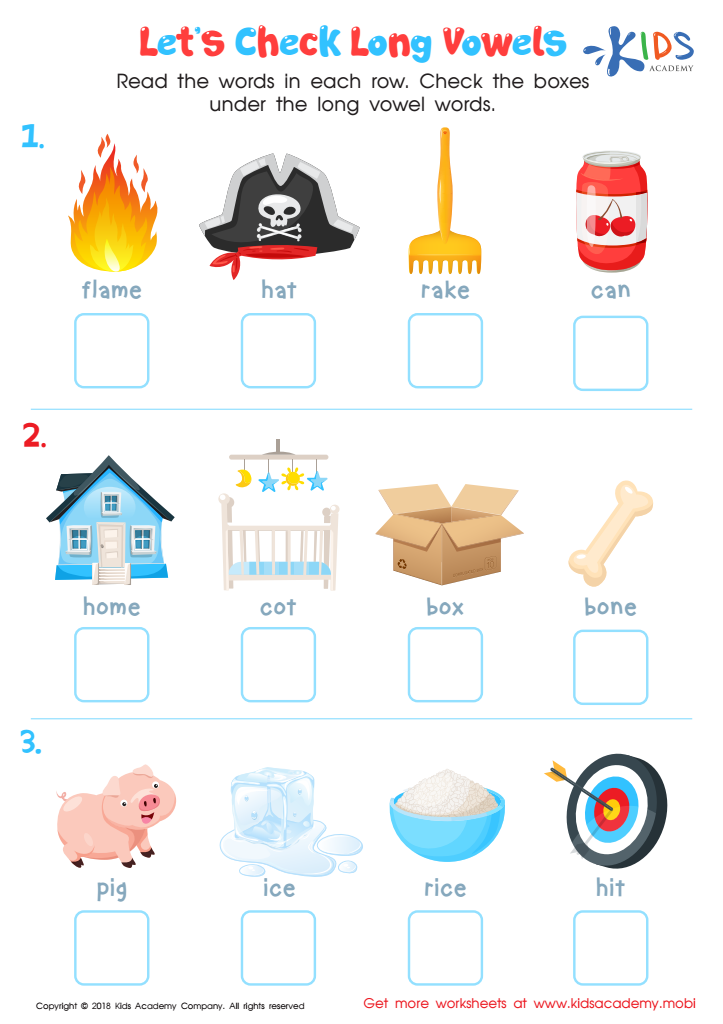
Let's Check Long Vowels: Assessment Worksheet
 Assign to My Students
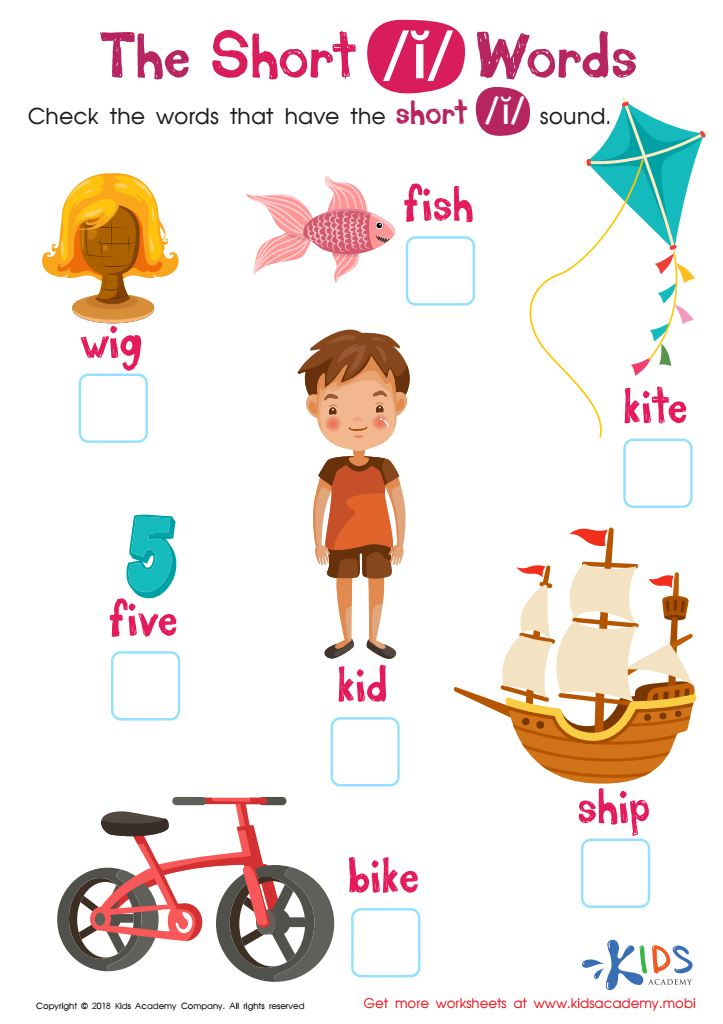
The Short I Words Reading Worksheet
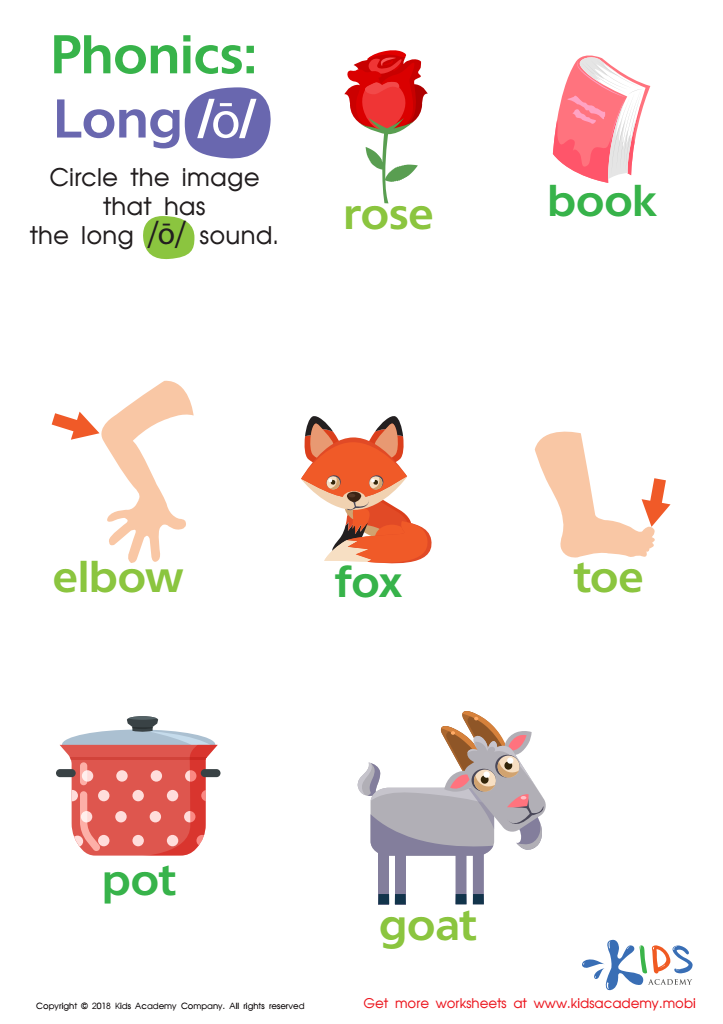
Phonics Long O Reading Worksheet
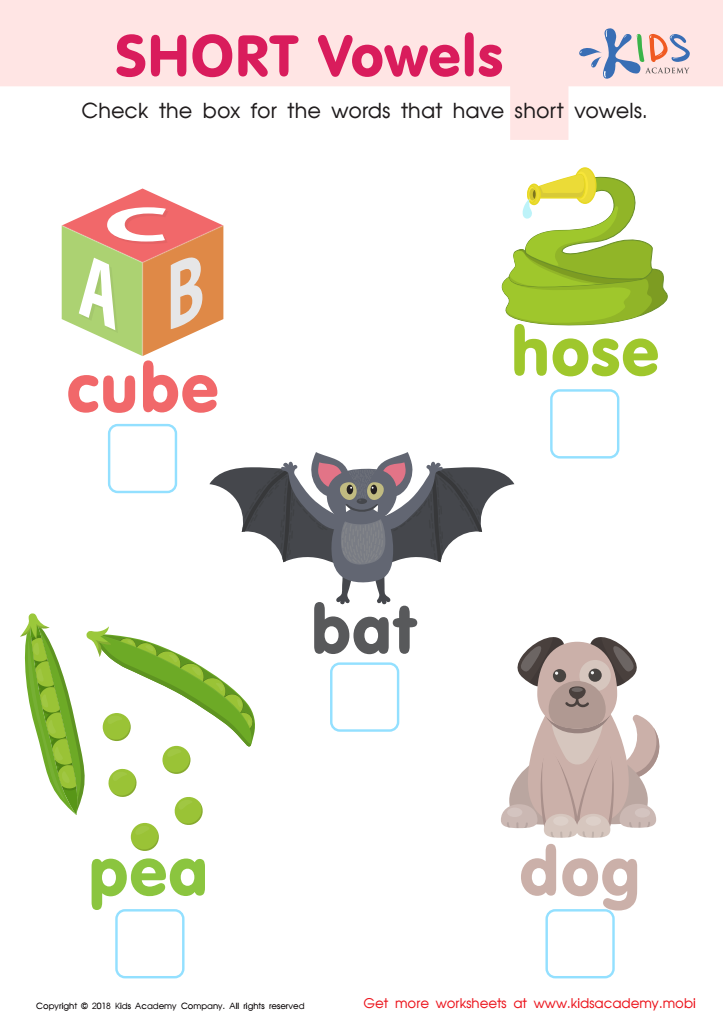
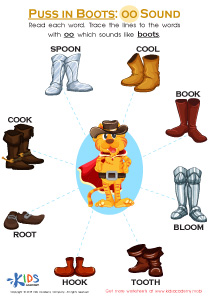
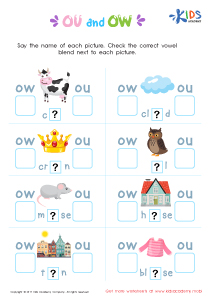
short vowels Worksheet
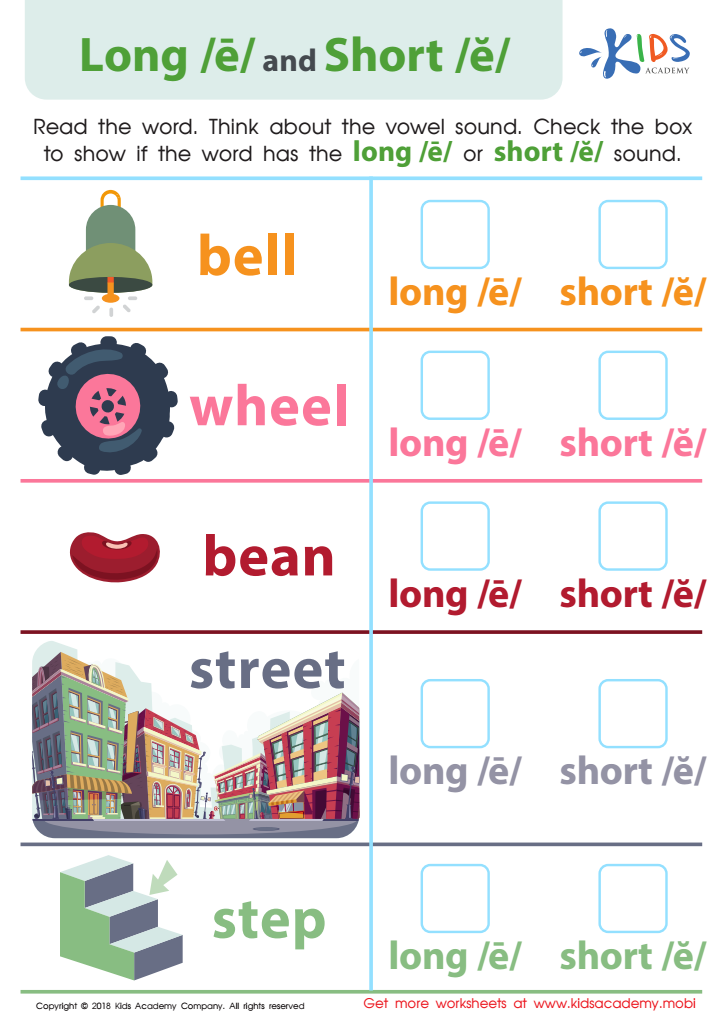
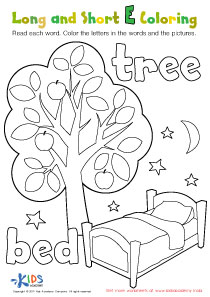
Reading: Long E and Short E Worksheet
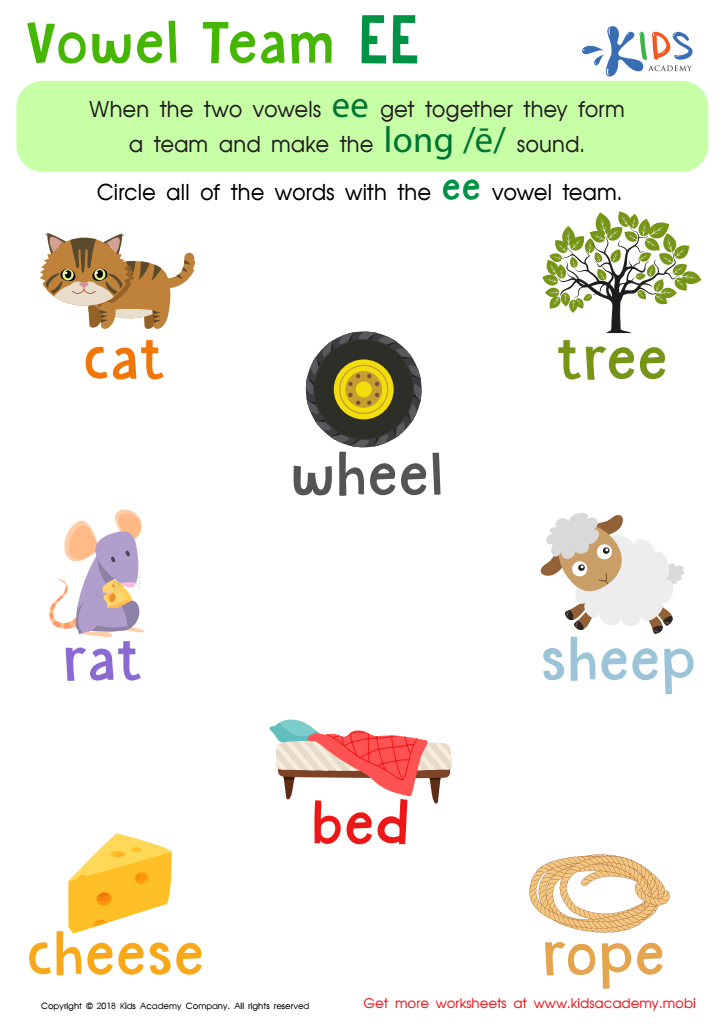
Reading: Vowel Team EE Worksheet
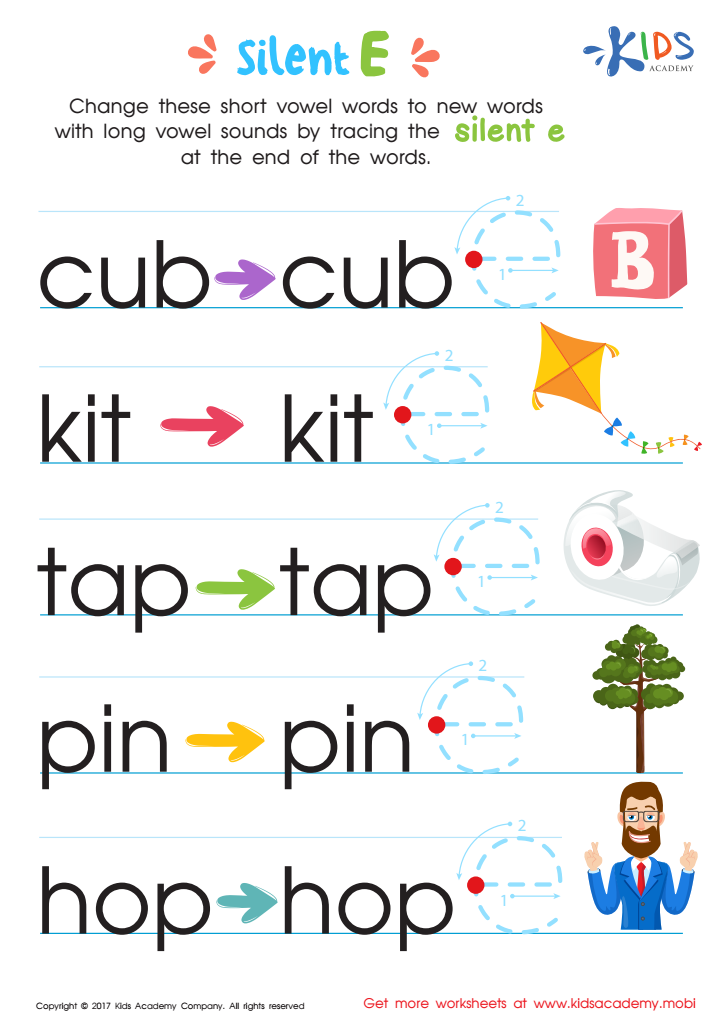
Silent E Words Worksheet
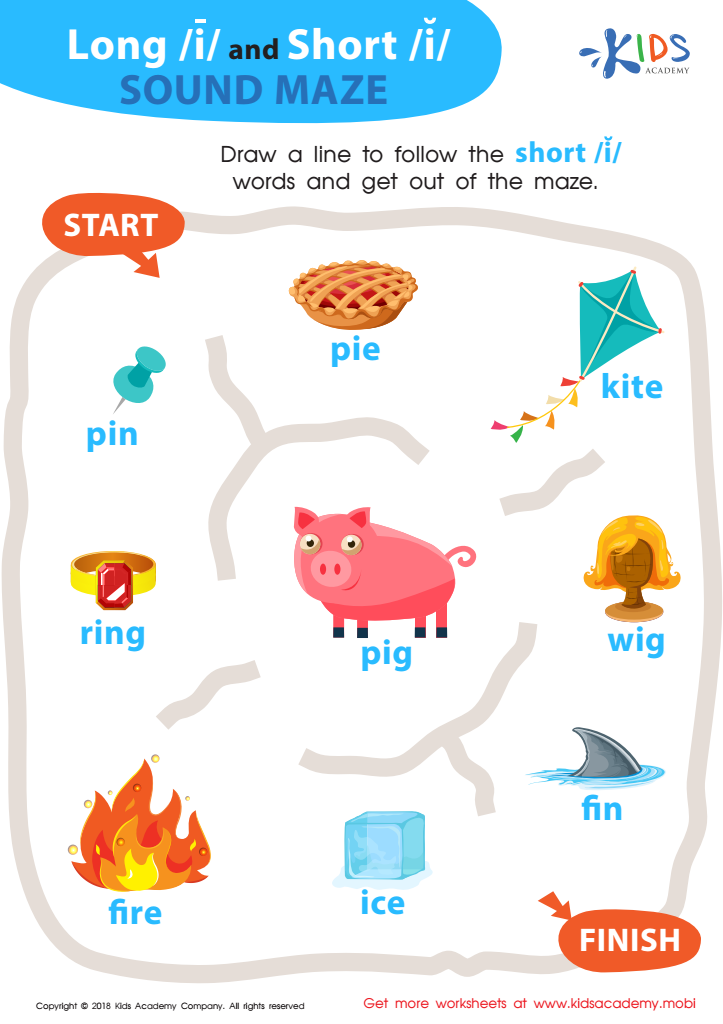
Reading: Long I and Short I Sound Maze Worksheet




Vocabulary enhancement focusing on normal long and short vowels is crucial for children aged 6-7, as it lays the foundation for their literacy development. At this age, children are not only learning to read but also to understand and use words in context. Mastering long and short vowel sounds helps them decode words more effectively and can significantly improve their reading fluency.
When children understand vowel sounds, they gain confidence in their reading and writing abilities. This enhancement fosters critical thinking and comprehension skills, empowering kids to engage more fully with texts. Additionally, a rich vocabulary directly correlates with academic success across subjects; it aids in oral communication and lays the groundwork for understanding more complex concepts in the future.
Parents and teachers should also recognize that vocabulary development at this stage can spark a love for language and storytelling. Interactive activities that focus on vowel sounds can make learning enjoyable, further encouraging children to explore literature independently. Ultimately, nurturing vocabulary and phonetic skills during this pivotal age can cultivate lifelong learners, equipping them with the tools needed to excel in their educational journeys. Thus, such engagement is essential not only for academic growth but also for building overall confidence in young learners.