Letter recognition Normal Tracing Letters Worksheets for Ages 6-7
9 filtered results
-
From - To
Introduce your young learners to the exciting world of letters with our "Letter Recognition Normal Tracing Letters Worksheets for Ages 6-7." These engaging worksheets are specially designed to enhance your child's letter recognition skills through fun and interactive tracing activities. Each worksheet provides ample practice with both uppercase and lowercase letters, aiding the development of fine motor skills and handwriting. Perfect for use in the classroom or at home, our tracing letters worksheets will help ensure your children confidently recognize and write each letter of the alphabet. Empower their learning journey with Kids Academy’s expertly crafted resources.
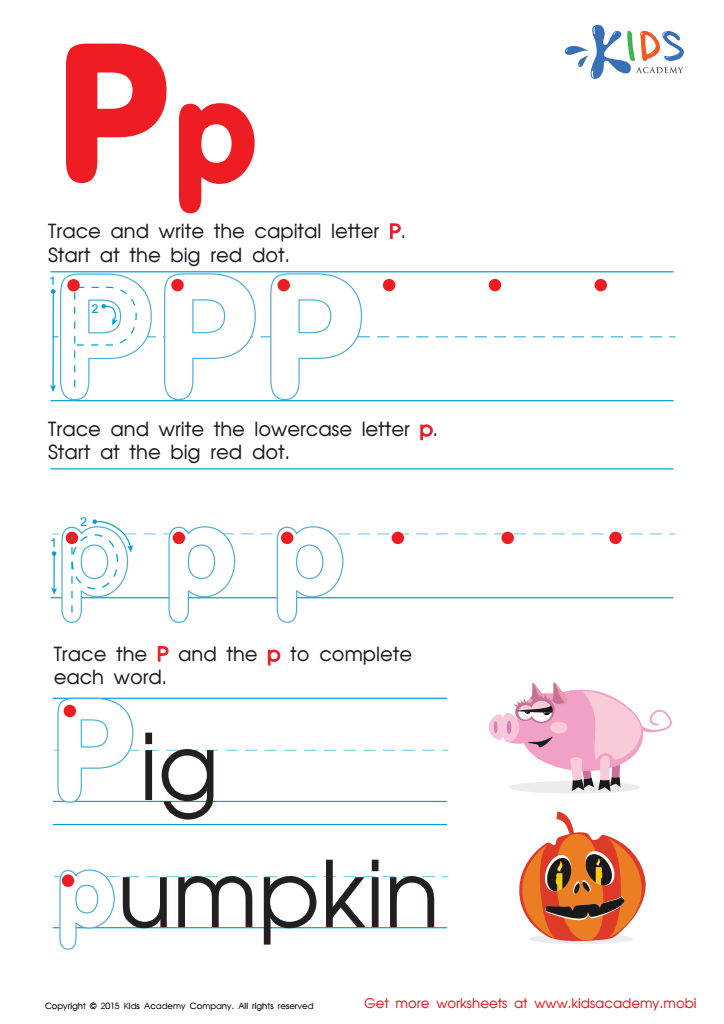
Letter P Tracing Page
 Assign to My Students
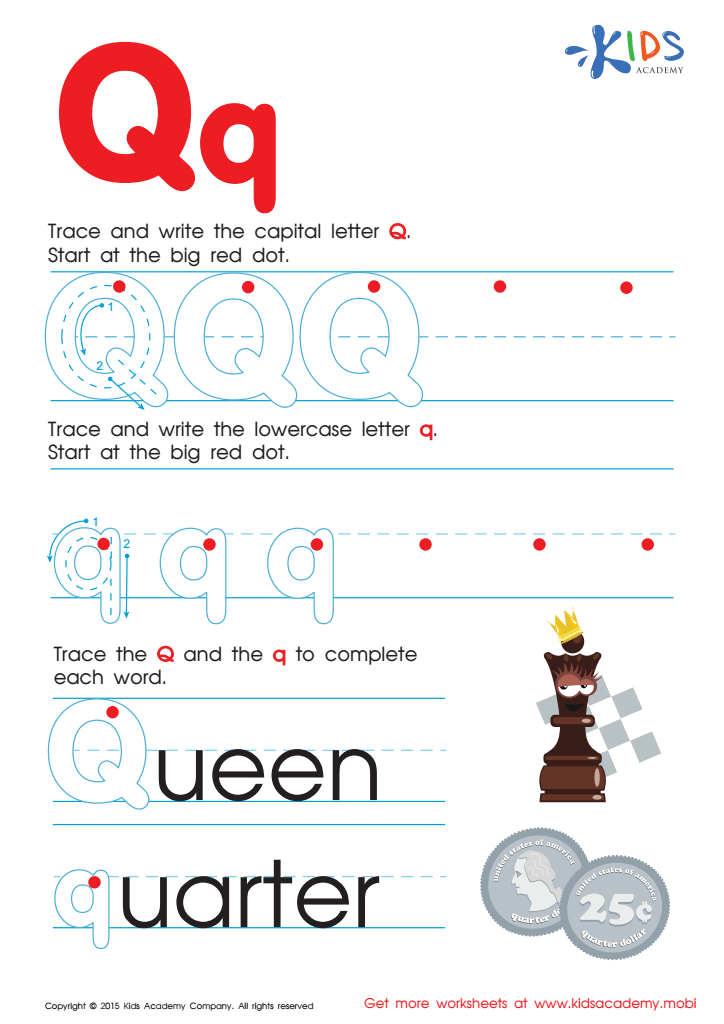
Letter Q Tracing Page

Letter H Tracing Page
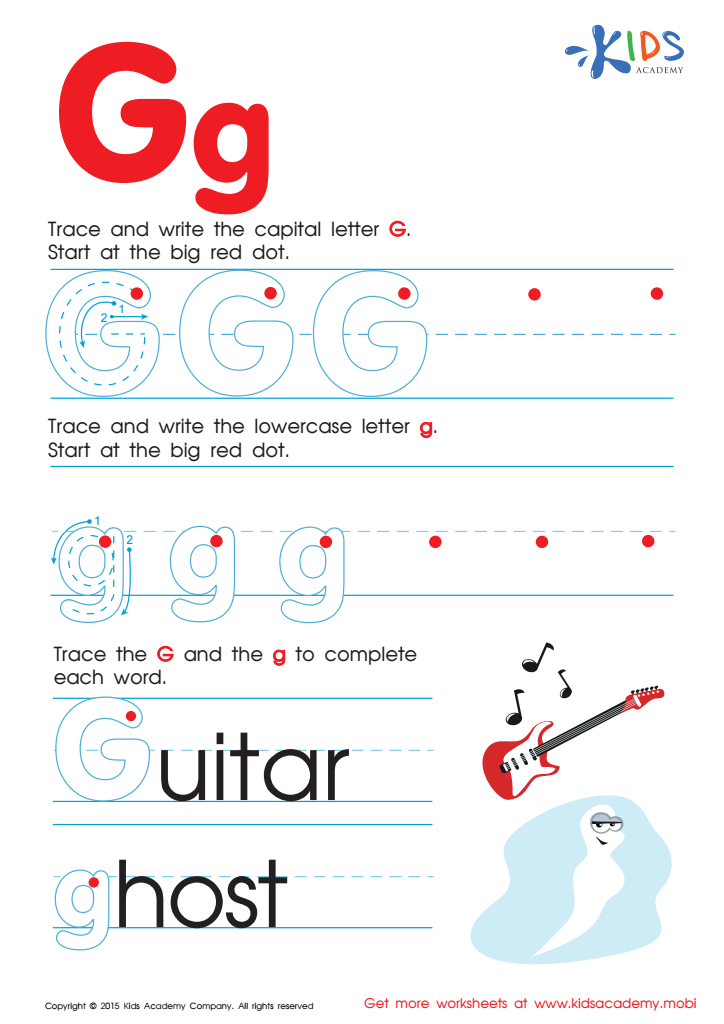
Letter G Tracing Page
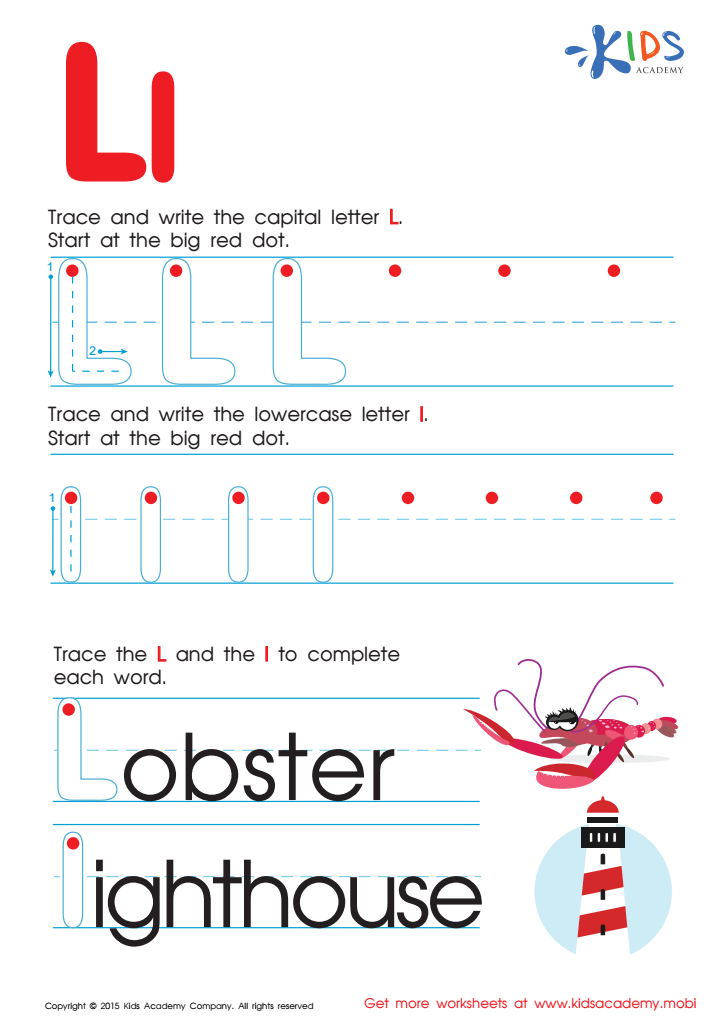
Letter L Tracing Page

Letter A Tracing Worksheet
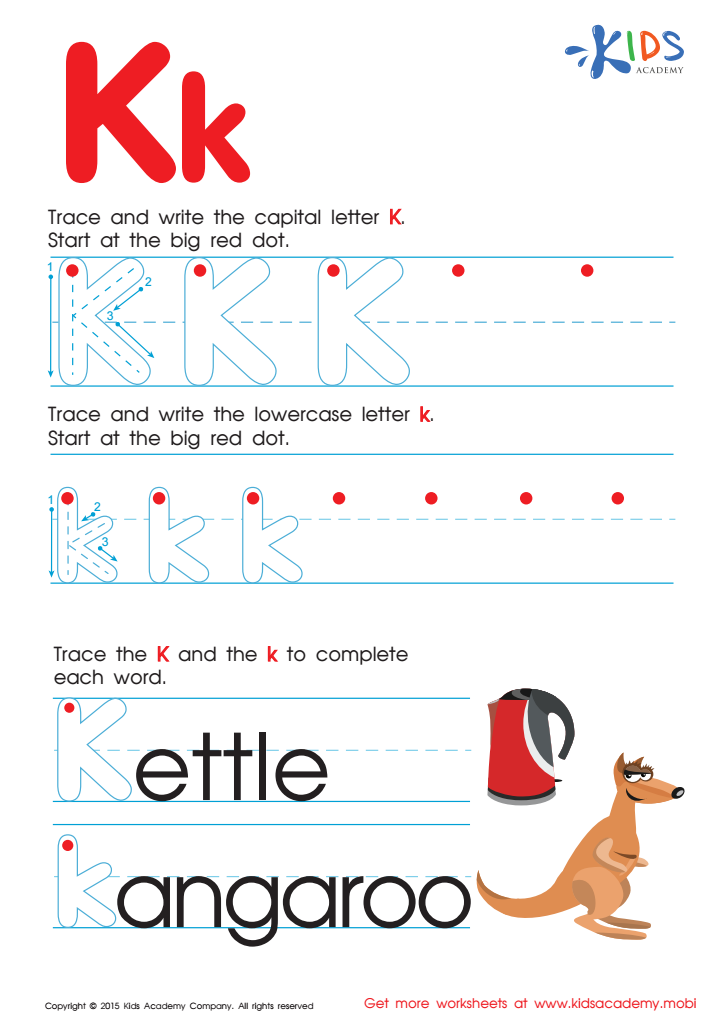
Letter K Tracing Page
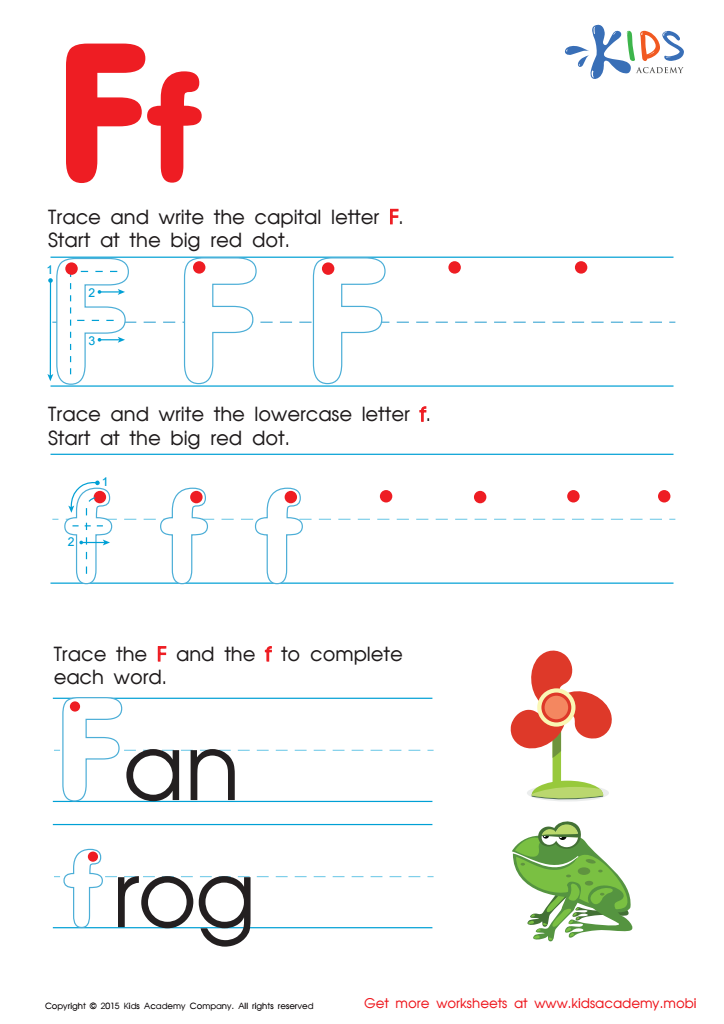
Letter F Tracing Page

Letter D Tracing Page








Letter recognition and normal tracing for ages 6-7 hold critical importance in the developmental journey of young children, both for parents and teachers to engage in.
At this stage, children transition from recognizing individual letters to understanding how they fit into literacy skills such as reading and writing. Early competency in letter recognition allows children to decode words more easily, fostering a smoother and more confident reading experience. Normal tracing letters help reinforce this through muscle memory, enabling children to form each letter correctly and consistently in writing tasks.
Parents and teachers need to be attuned to this because mastery promotes better educational outcomes and strengthens a child’s confidence in academic abilities. When children can read and write fluently, they participate more actively in class, contribute to discussions, and express themselves better.
Moreover, early, consistent practice sets a strong foundation for more complex literacy skills, influencing their entire educational trajectory. It also helps identify learning difficulties early on, allowing for timely interventions. Incorporating fun, interactive activities around letter recognition and tracing enhances engagement and sustains interest, laying the groundwork for lifelong literacy skills.
In sum, parents and teachers should prioritize these activities to facilitate essential cognitive development, enabling success not only in first grade but also in future educational endeavors.








