Phonics Skills Normal Vowel Team Worksheets for Ages 6-7
9 filtered results
-
From - To
Unlock the world of reading for your 6-7-year-old with our Phonics Skills Normal Vowel Team Worksheets. Specifically designed to enhance young learners' understanding of vowel teams, these engaging activities effortlessly blend fun and education. Each worksheet focuses on common vowel team combinations, aiding in the pronunciation and spelling of new words. With vibrant illustrations and interactive exercises, children will build critical reading skills while remaining immersed in a playful learning environment. Ideal for classroom or at-home practice, these worksheets support continued phonics development, setting the foundation for a lifetime of literacy success. Explore today and ignite your child's reading journey!
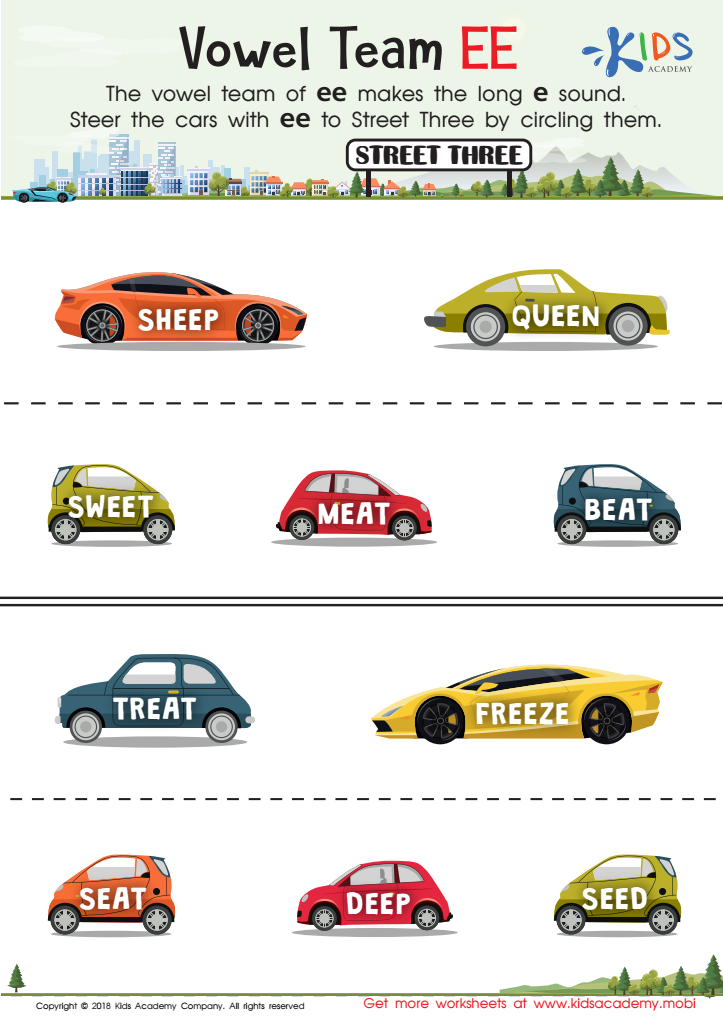
Vowel team ee Worksheet
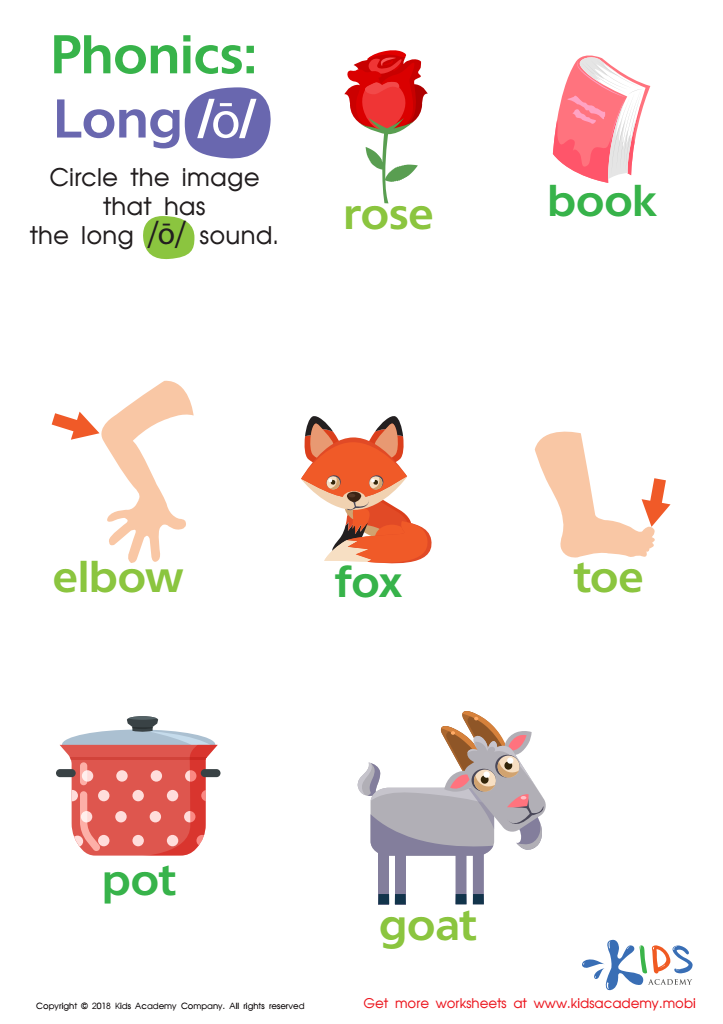
Phonics Long O Reading Worksheet
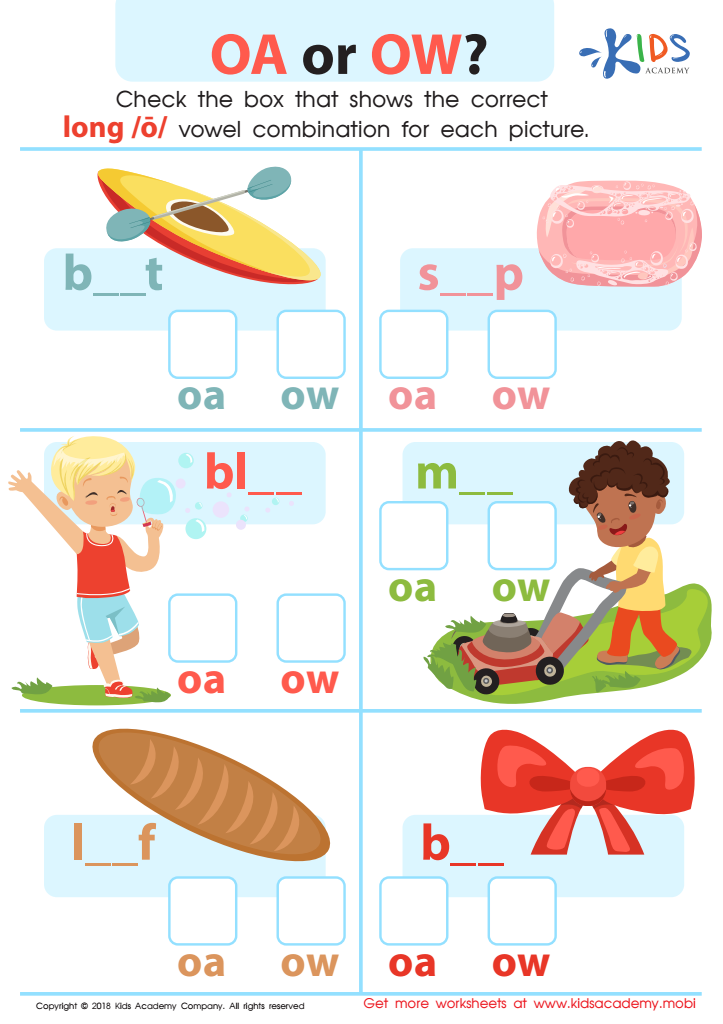
Reading: OA or OW Worksheet
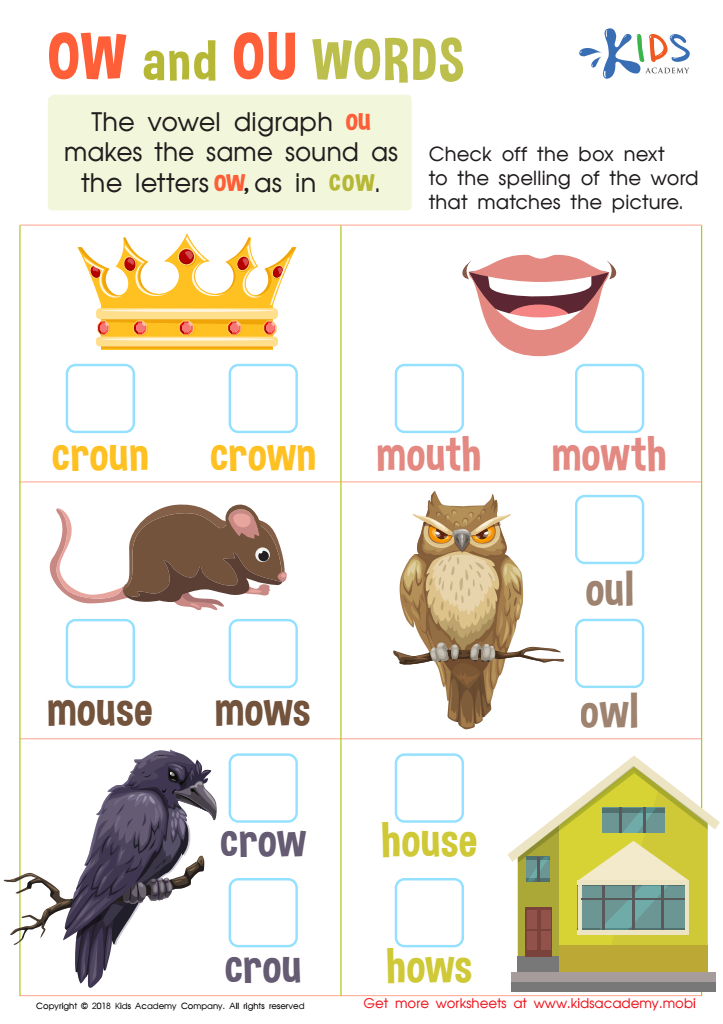
Reading: OW and OU Words Worksheet
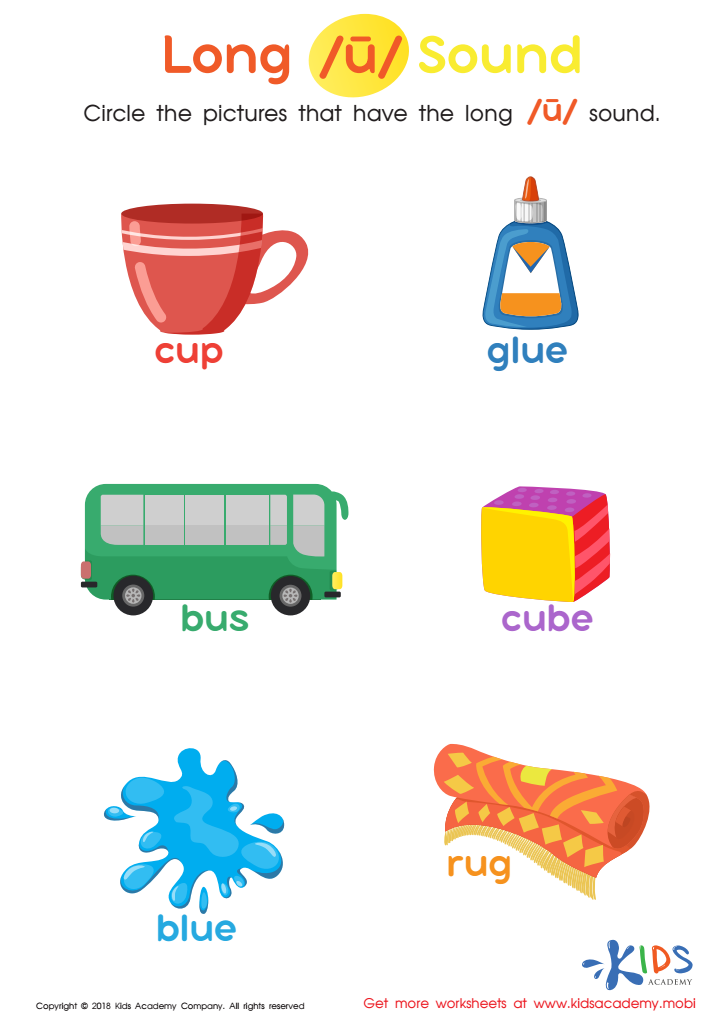
Long «u» Sound Worksheet
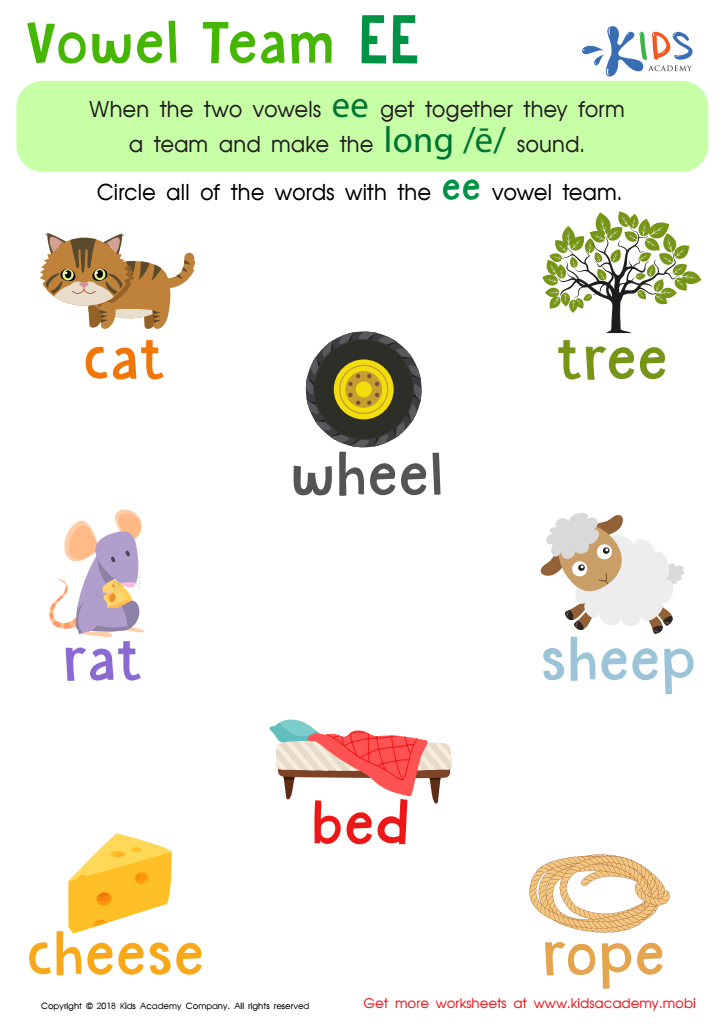
Reading: Vowel Team EE Worksheet
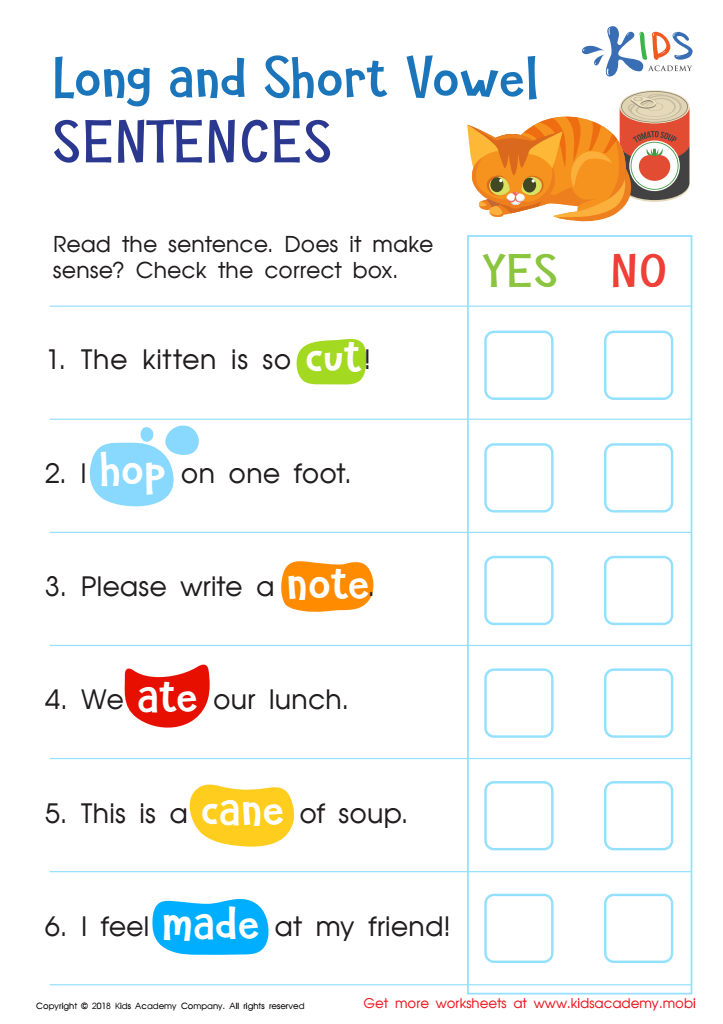
Long and Short Vowel Sentences: Assessment Worksheet
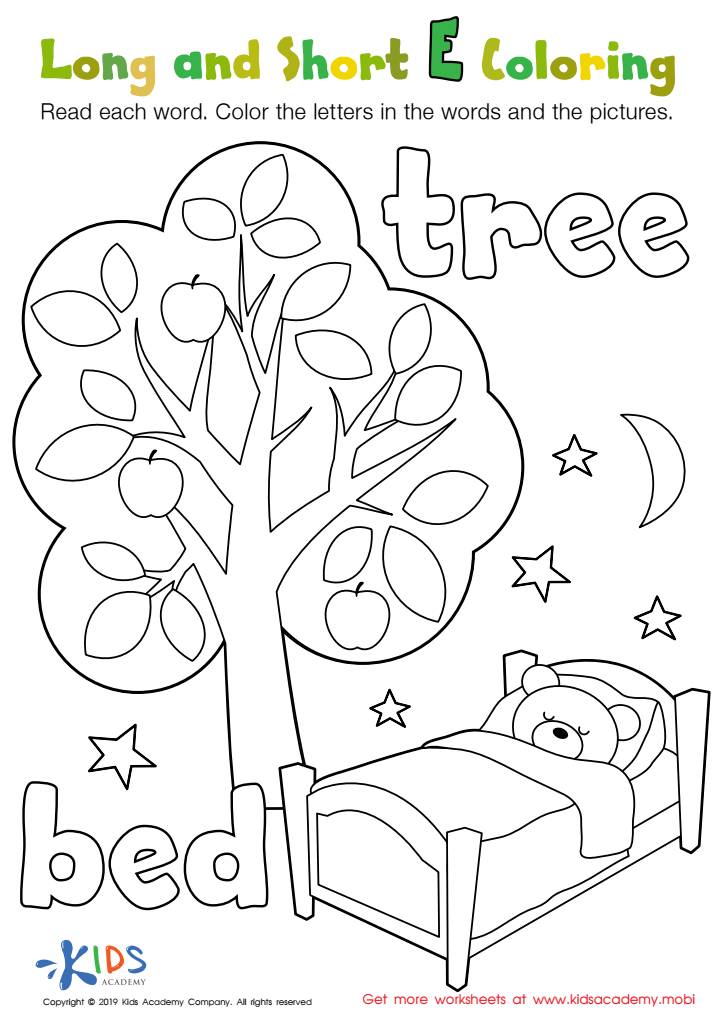
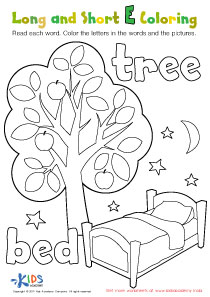
Long and Short E Worksheet
 Assign to My Students
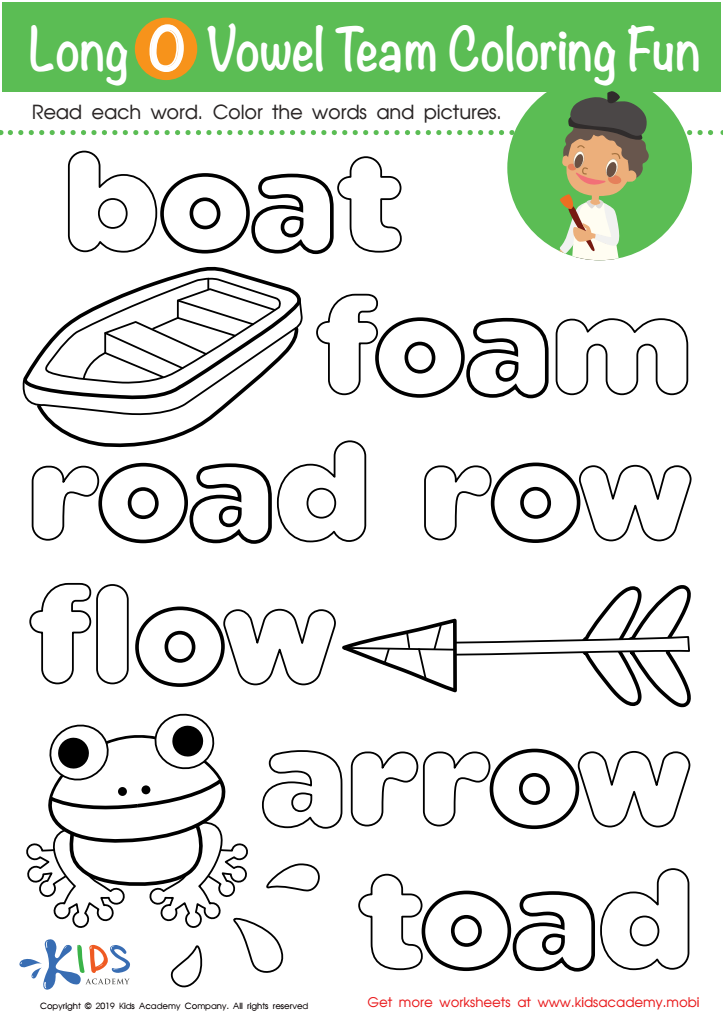
Long O Vowel Team Coloring Worksheet
Assign to My Students



Phonics skills, especially the understanding of normal vowel teams (combinations like "ai" in rain, "ea" in bead, or "oa" in boat), are crucial for children aged 6-7 because they're foundational to reading and writing proficiency. At this developmental stage, children are transitioning from recognizing simple letter sounds to decoding more complex words. Mastering vowel teams helps them understand that multiple letters can work together to produce a distinct vowel sound, which is a stride toward fluent reading.
Proficient phonics skills aid in decoding unfamiliar words more easily, fostering reading confidence and a love for literature. This, in turn, significantly contributes to vocabulary expansion and comprehension skills, enriching overall language ability. As children grasp these vowel combinations, they also improve their spelling, which enhances their overall written communication.
Teachers and parents should prioritize these skills because early reading success is a predictor of future academic achievement. Children who struggle with phonics often face reading difficulties that can extend into later grades, hampering their confidence and academic progress. Fostering strong phonics skills ensures children have the critical tools required for lifelong learning and academic success, making it a fundamental aspect of early education.