Color recognition Normal English for Beginners Worksheets for Ages 6-7
9 filtered results
-
From - To
Unlock your child's creativity and understanding with our "Color Recognition Normal English for Beginners Worksheets" designed specifically for ages 6-7. These engaging worksheets offer fun and interactive activities to help young learners identify and name colors in everyday contexts. With vibrant illustrations and age-appropriate exercises, kids will develop essential language skills while enhancing their ability to recognize colors. From coloring pages to matching games, our resources are perfect for both classroom settings and at-home learning. Foster a love for learning and boost your child's confidence in English with our thoughtfully crafted worksheets. Explore and make learning colors an enjoyable experience today!
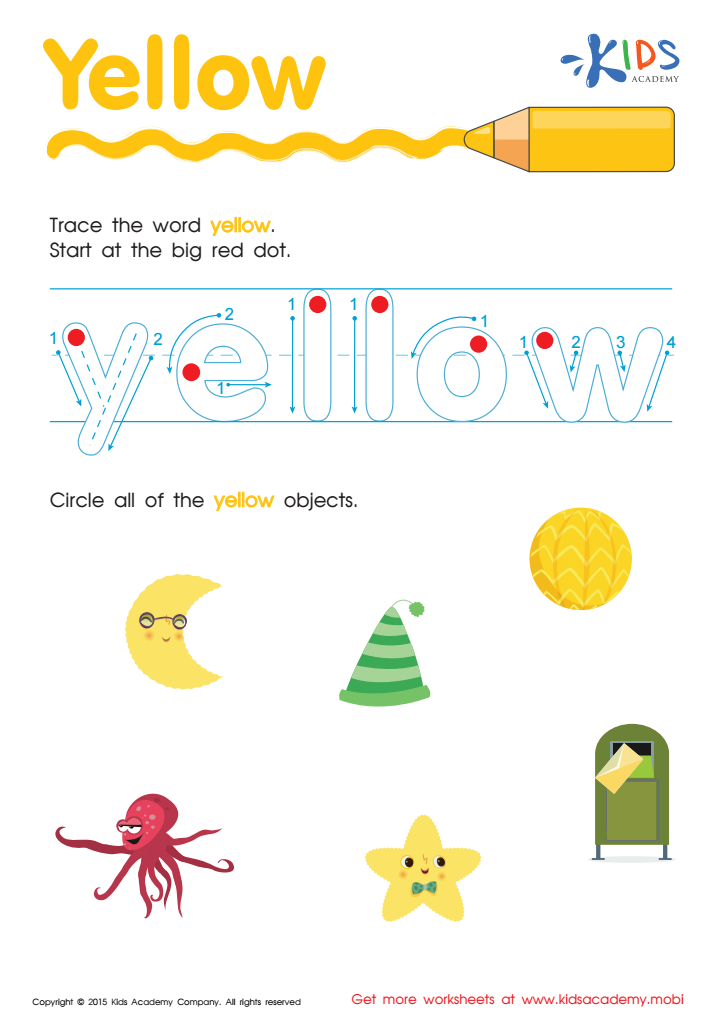
Yellow Tracing Color Words Worksheet
 Assign to My Students
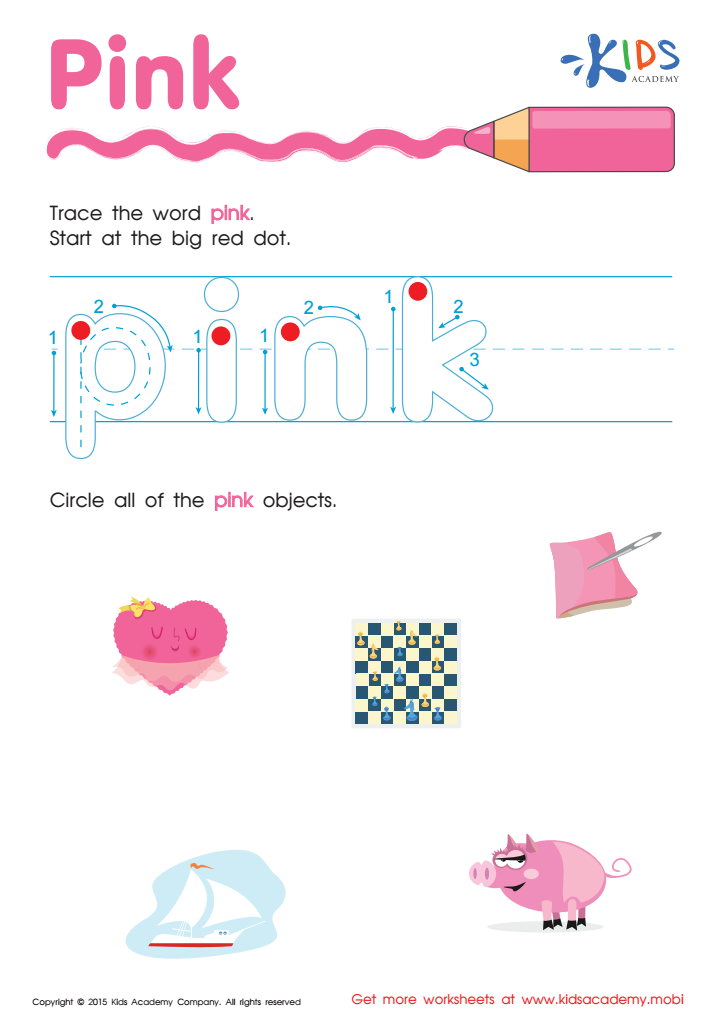
Pink Tracing Color Words Worksheet
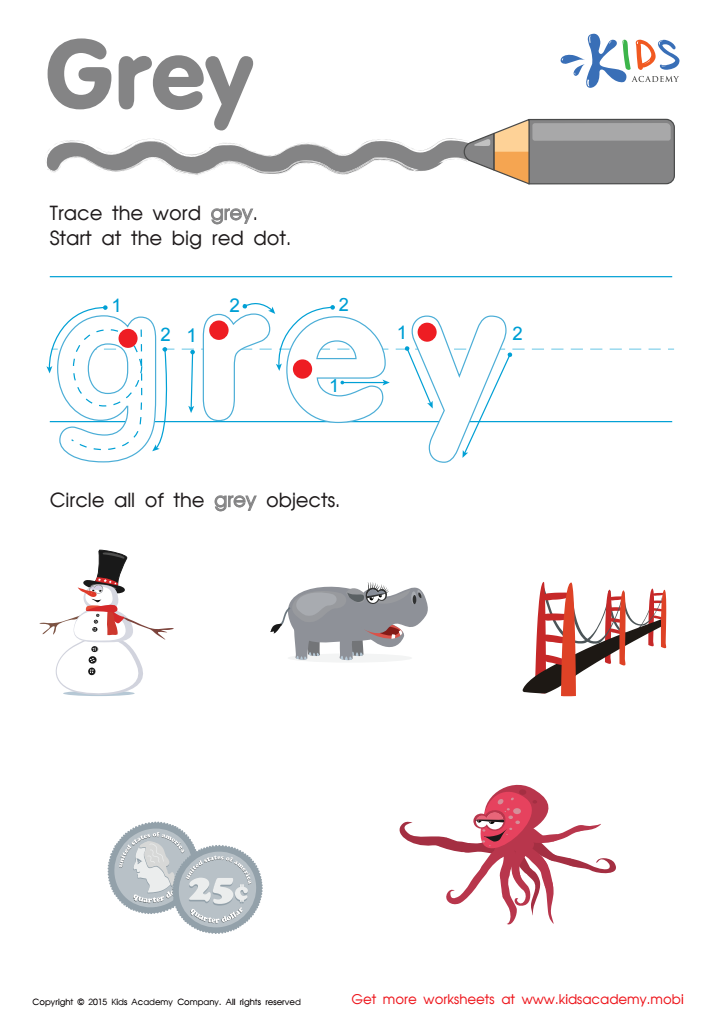
Grey Tracing Color Words Worksheet
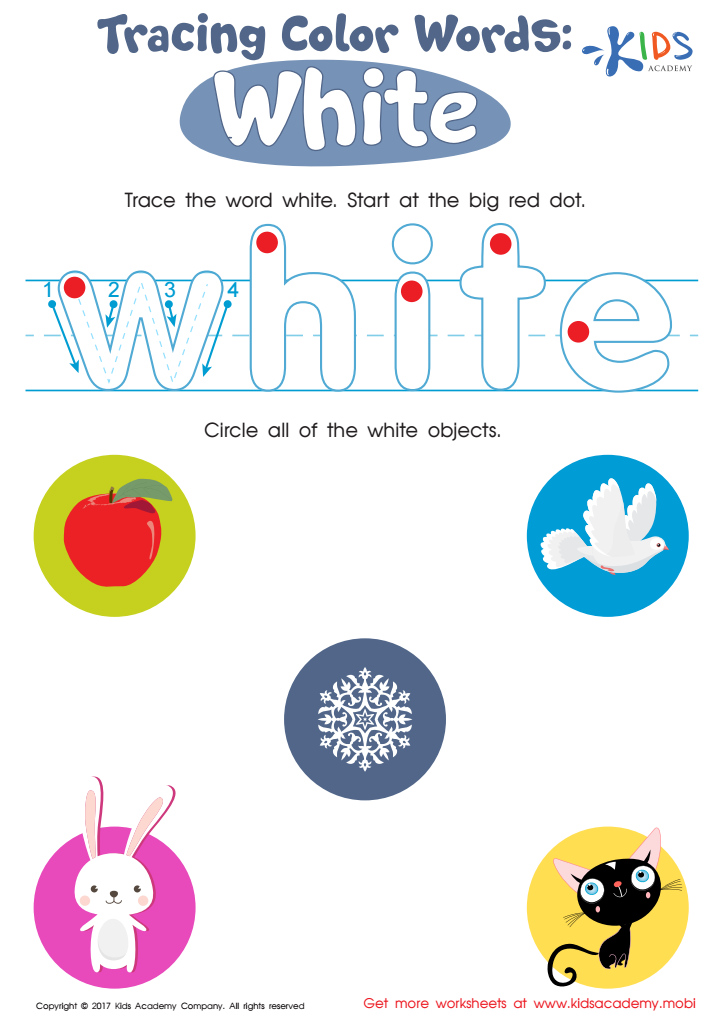
White Tracing Color Words Worksheet
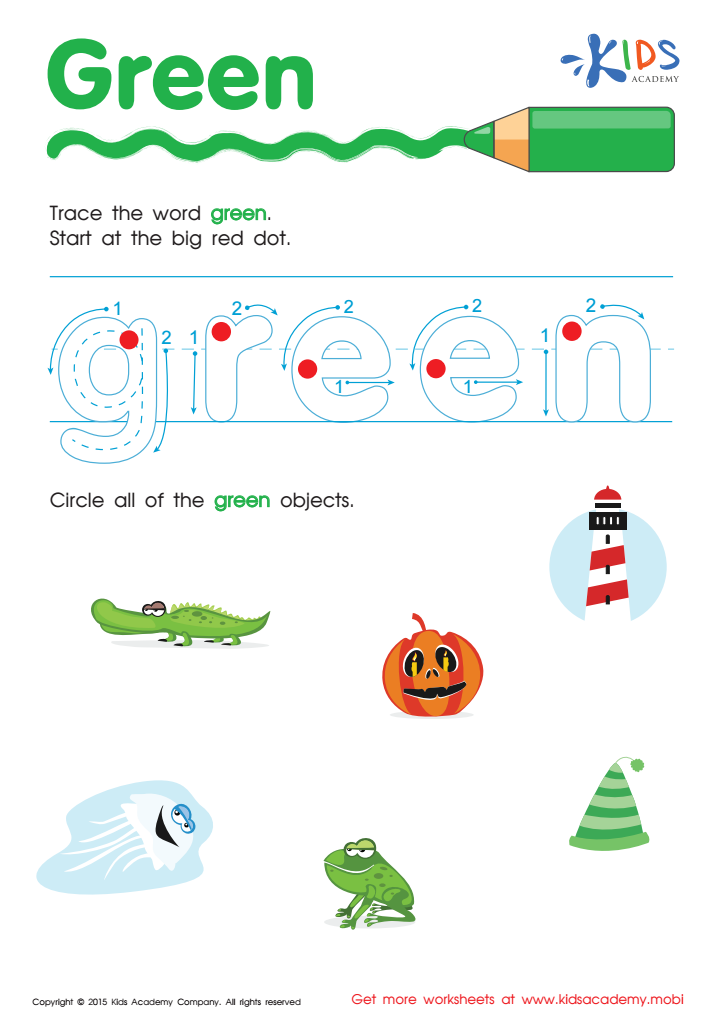
Green Tracing Color Words Worksheet
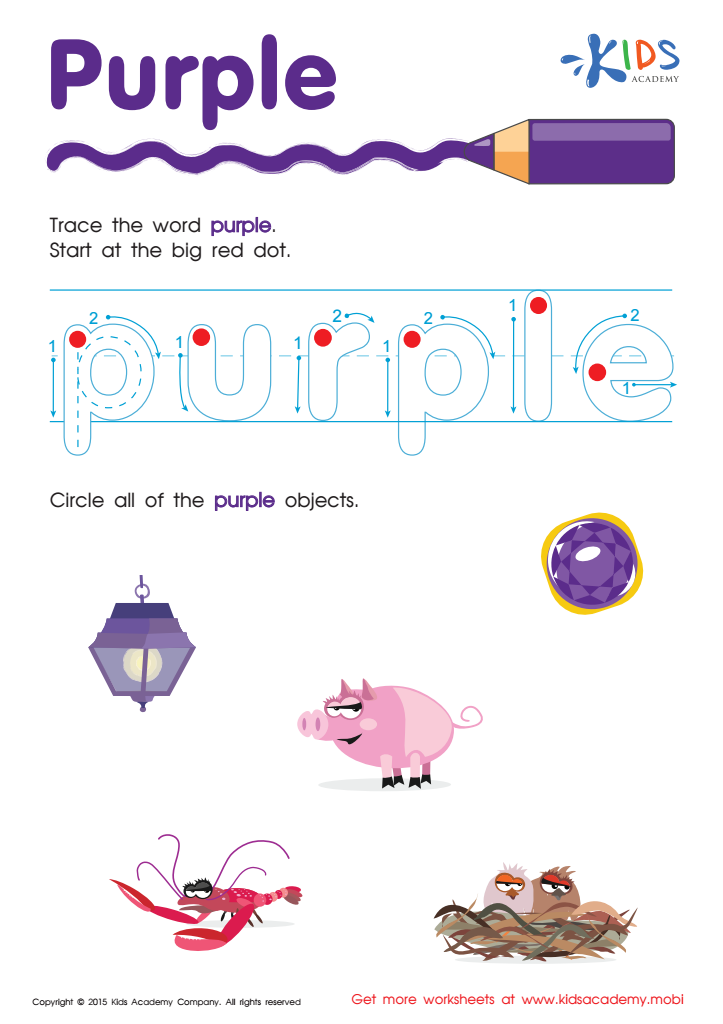
Purple Tracing Color Words Worksheet
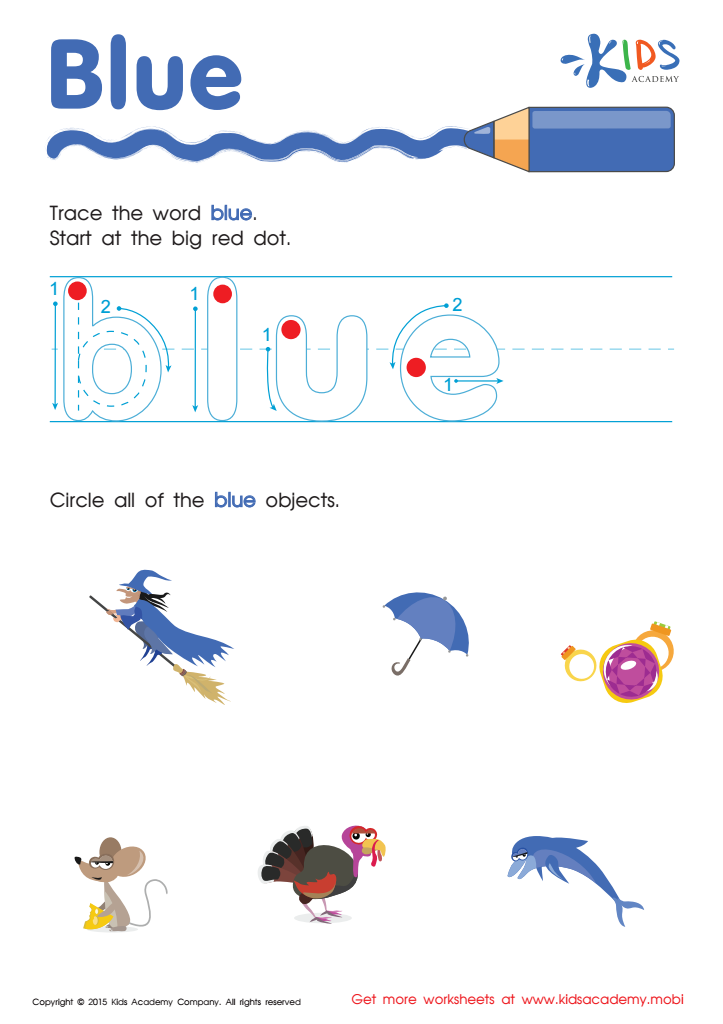
Blue Tracing Color Words Printable
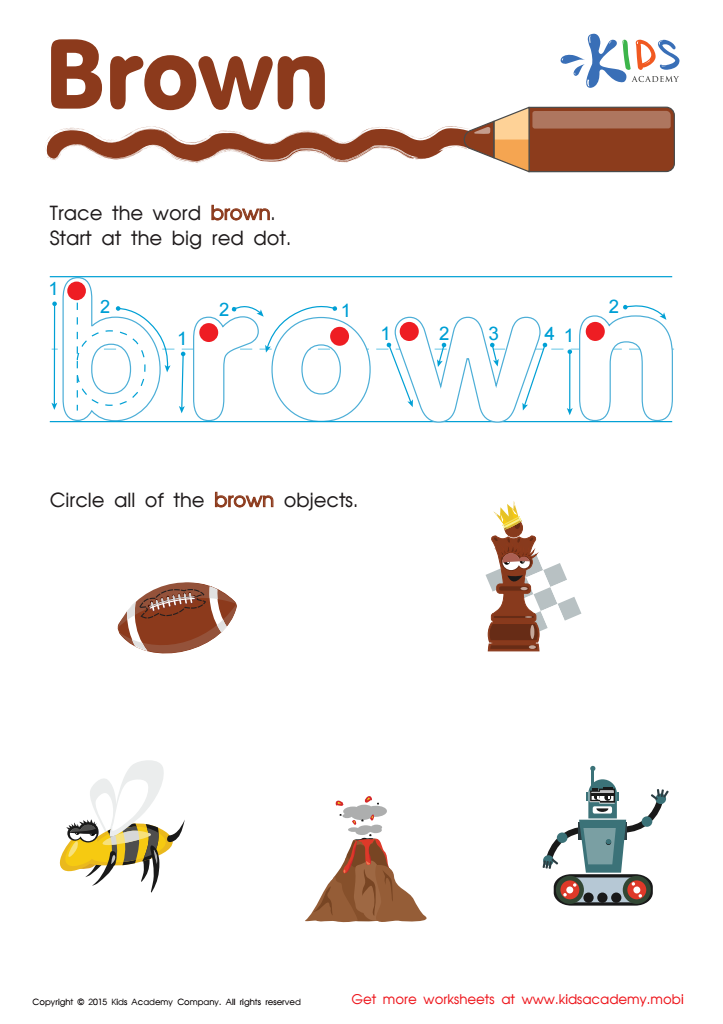
Brown Tracing Color Words Worksheet
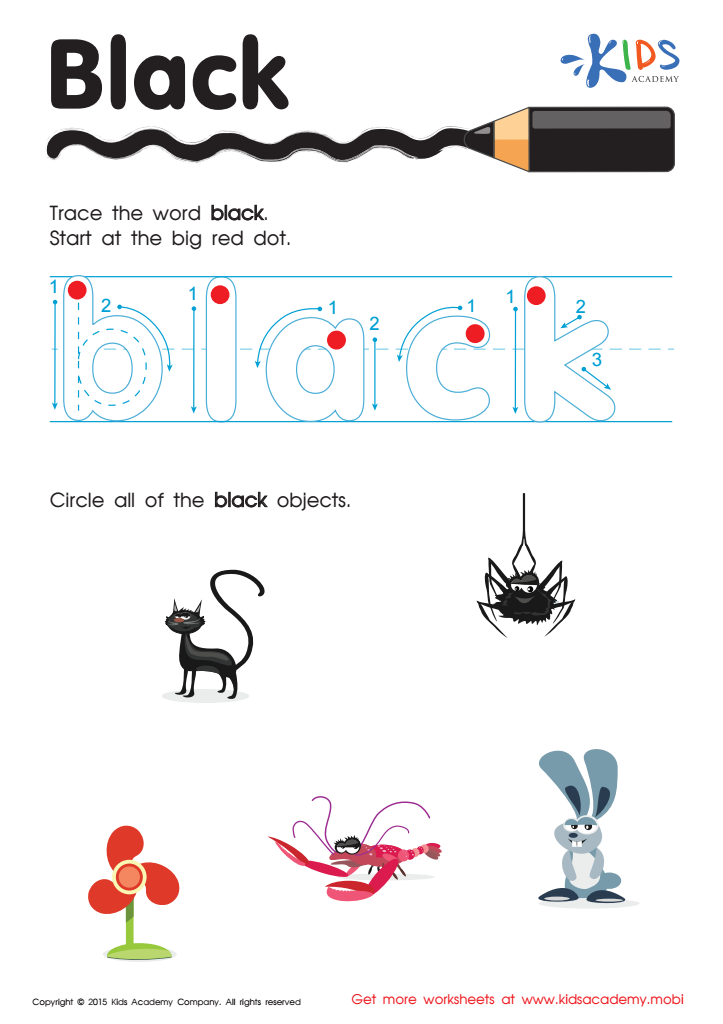
Black Tracing Color Words Printable





Color recognition is an essential skill for children aged 6-7 that can significantly impact their learning and development. Firstly, understanding colors helps children describe the world around them, enhancing their communication skills. When kids can identify and name different colors, they become more confident in expressing their thoughts and feelings.
Furthermore, colors play a crucial role in early literacy. Many educational materials, like storybooks and worksheets, use colors to capture children's attention and convey meaning. Recognizing colors can also help kids sort and categorize objects, which is fundamental in developing organizational skills and logical thinking.
From a social perspective, color recognition facilitates interaction with peers. Children often use colors to describe their favorite things, like toys or clothing, helping them to bond with others.
Moreover, many everyday activities involve colors, such as dressing, drawing, or playing games. If a child struggles with color recognition, it may hinder their participation in these enjoyable tasks, potentially leading to frustration.
By actively engaging in color recognition activities, parents and teachers can create a fun and supportive learning environment, fostering children's confidence and curiosity—a critical foundation for lifelong learning.