Alphabetical order understanding Normal Worksheets for Ages 6-7
3 filtered results
-
From - To
Explore our engaging "Alphabetical Order Understanding Worksheets" specially crafted for children aged 6-7. These interactive and easy-to-follow worksheets help young learners grasp the concept of alphabetical order through fun activities and exercises. Designed to enhance letter recognition and sorting skills, our resources provide ample practice in arranging words and names in sequence. Each worksheet encourages critical thinking and fosters a love for reading and writing. Ideal for home or classroom use, these worksheets also support the development of vocabulary and dictionary skills. Get started today and let your child build a strong foundation in literacy through our educational materials!
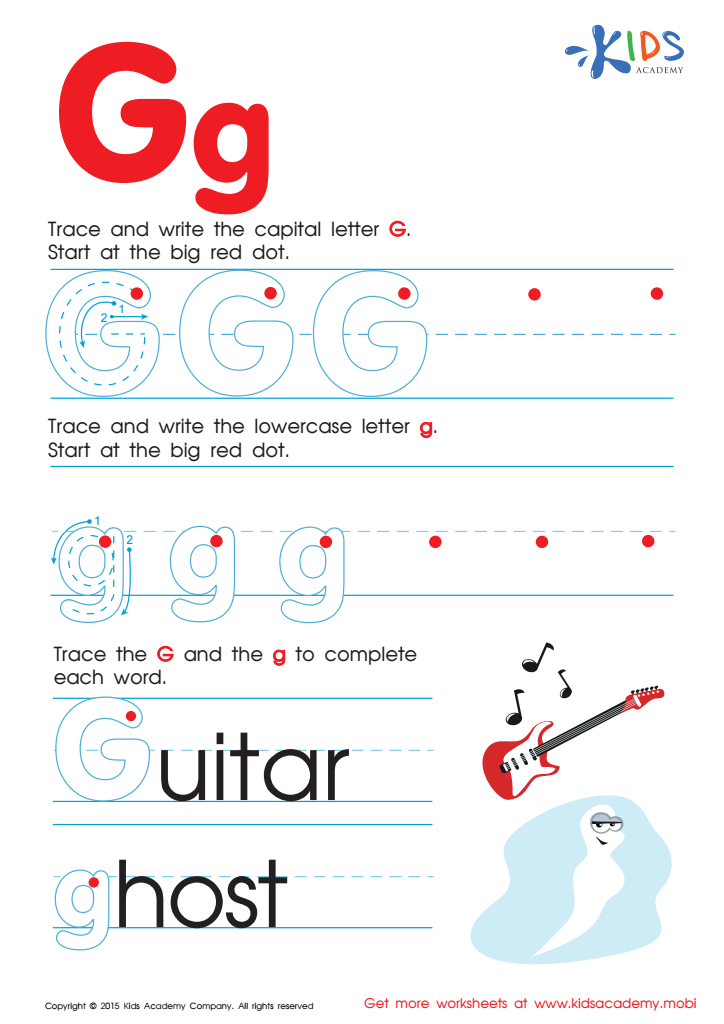
Letter G Tracing Page
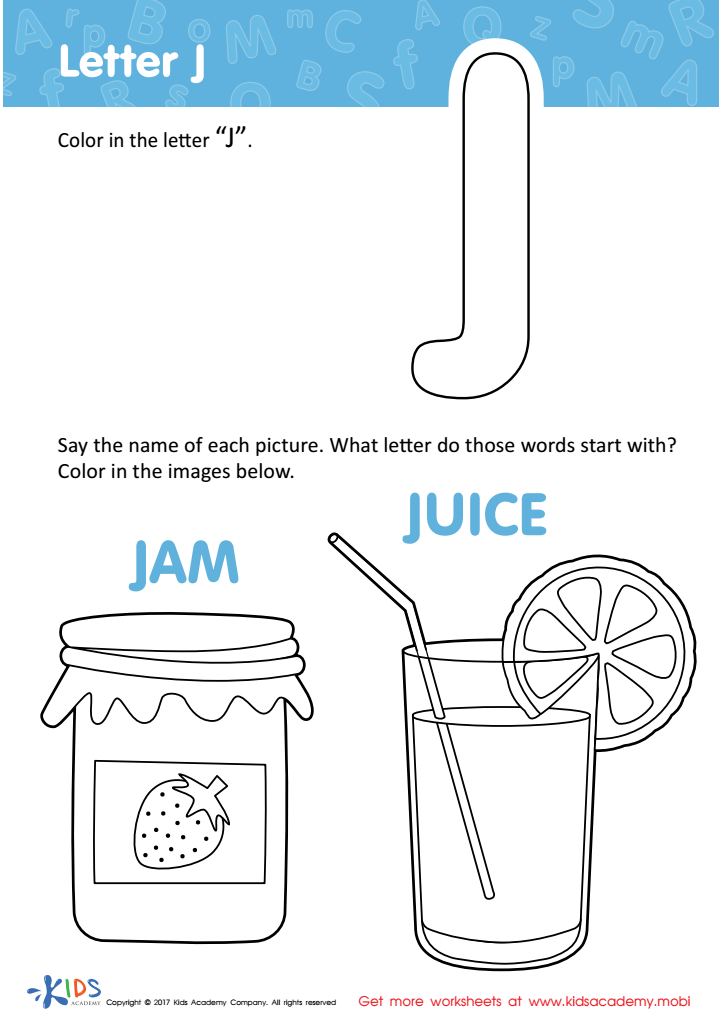
Letter J Coloring Sheet
 Assign to My Students
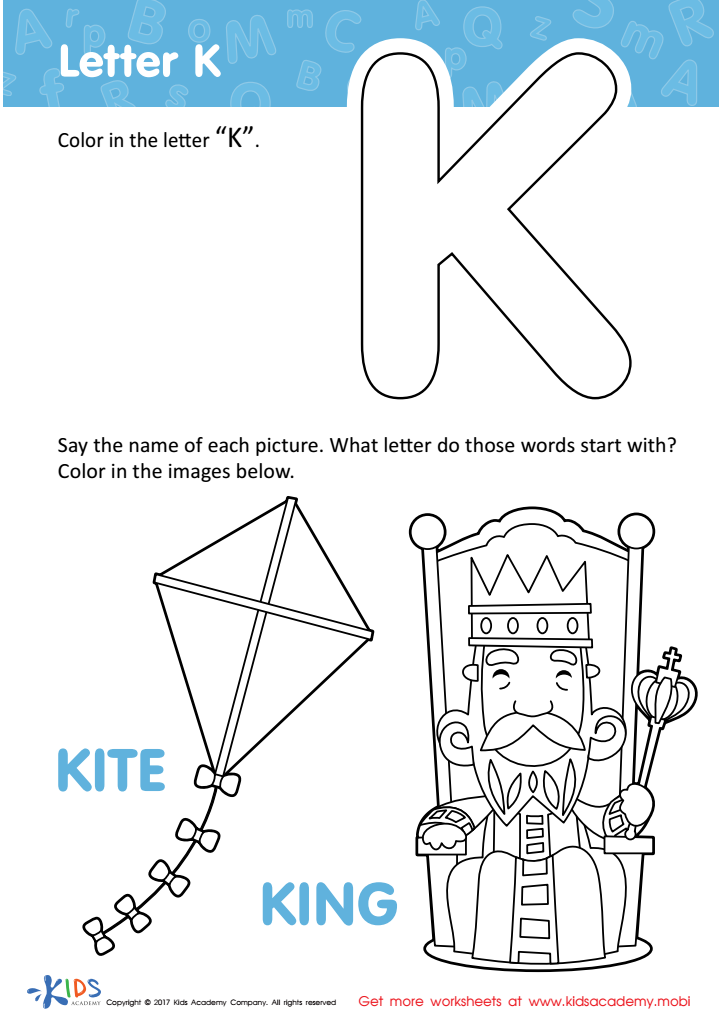
Letter K Coloring Sheet
Assign to My Students







Understanding alphabetical order is a crucial aspect of literacy development for children aged 6-7. Parents and teachers should prioritize this skill because it lays the foundation for sorting, categorizing, and organizing information, which are essential cognitive skills.
When children learn to arrange words in alphabetical order, they enhance their vocabulary and reading comprehension. It makes it easier for them to find words in dictionaries or encyclopedias, fostering independent learning. Additionally, being able to sort objects or concepts alphabetically boosts critical thinking and problem-solving skills.
Moreover, this skill helps children in their academic journeys. As they progress in school, the ability to manage information efficiently becomes increasingly important, particularly in activities involving research and writing. Exposure to alphabetical order also supports language arts curricula, guiding students in letter recognition and phonics by reinforcing the relationship between letters and their corresponding sounds.
Finally, cultivating this skill encourages a sense of accomplishment and confidence in children as they grasp another building block of literacy. Engaging with alphabetical order, whether through games, storytelling, or classroom activities, allows for holistic development, making it an important focus for parents and educators alike.








