Basic arithmetic practice Normal Worksheets for Ages 6-7
4 filtered results
-
From - To
Welcome to our Basic Arithmetic Practice Normal Worksheets for Ages 6-7! Designed to build a solid foundation in math, our worksheets provide engaging activities aligned with your child’s learning needs. Covering essential arithmetic skills, including addition, subtraction, counting, and more, these worksheets are perfect for at-home practice or supplemental classroom resources. Each worksheet is crafted to support the development of critical thinking and problem-solving skills in young learners. With fun and colorful designs, your child will enjoy learning math while building confidence. Download now to make learning arithmetic exciting and effective!
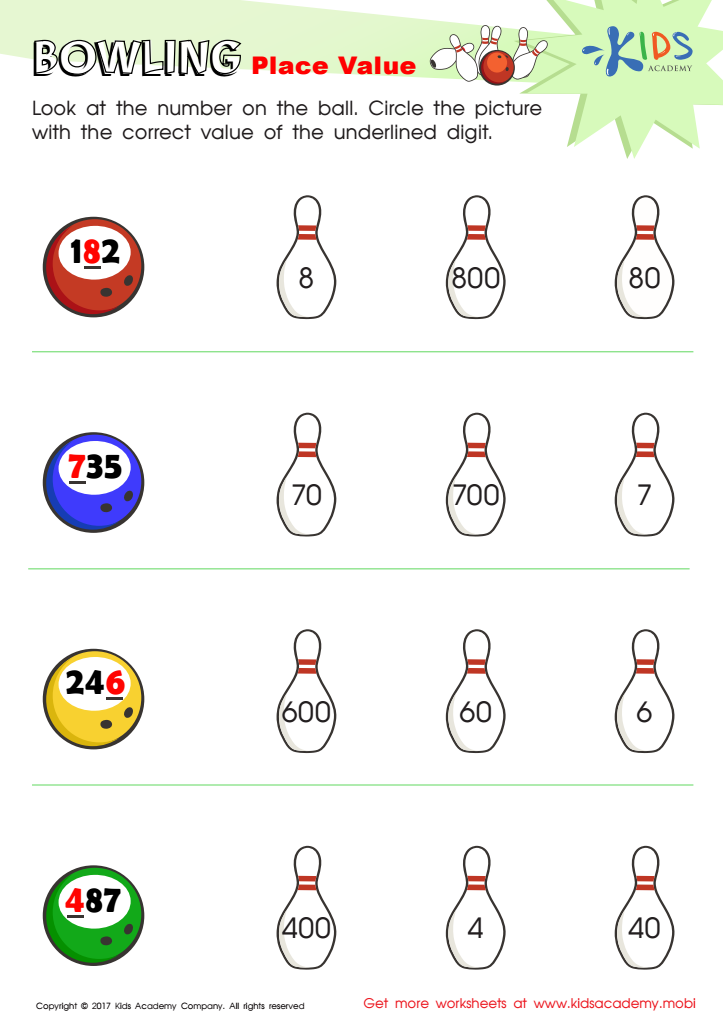
Place Value Worksheet
 Assign to My Students
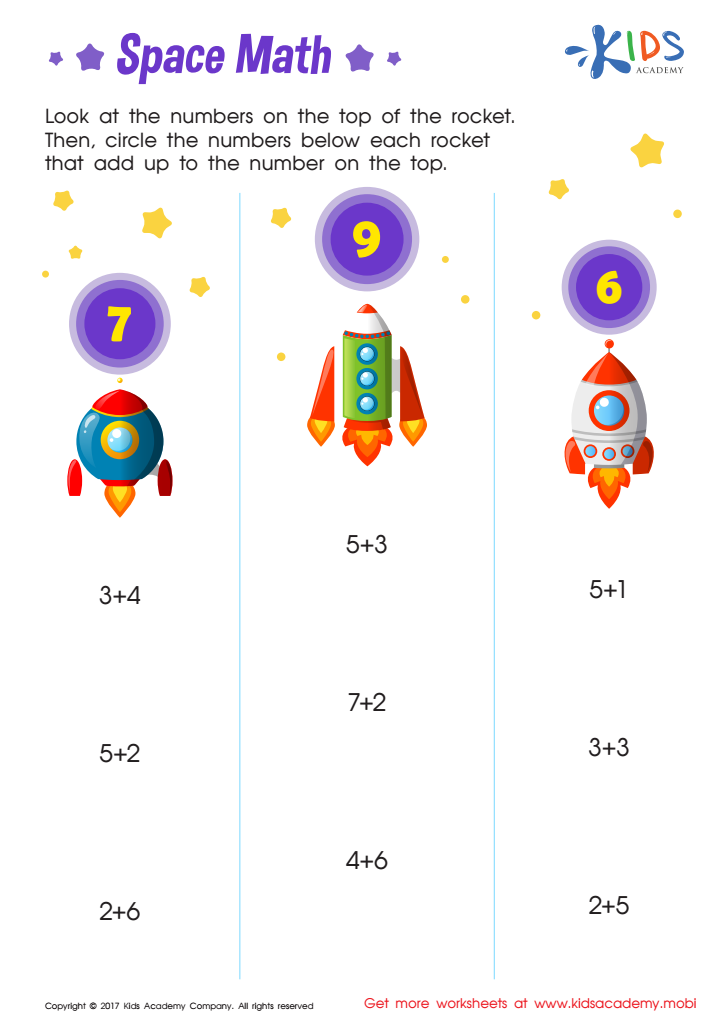
Addition: Space Math Worksheet
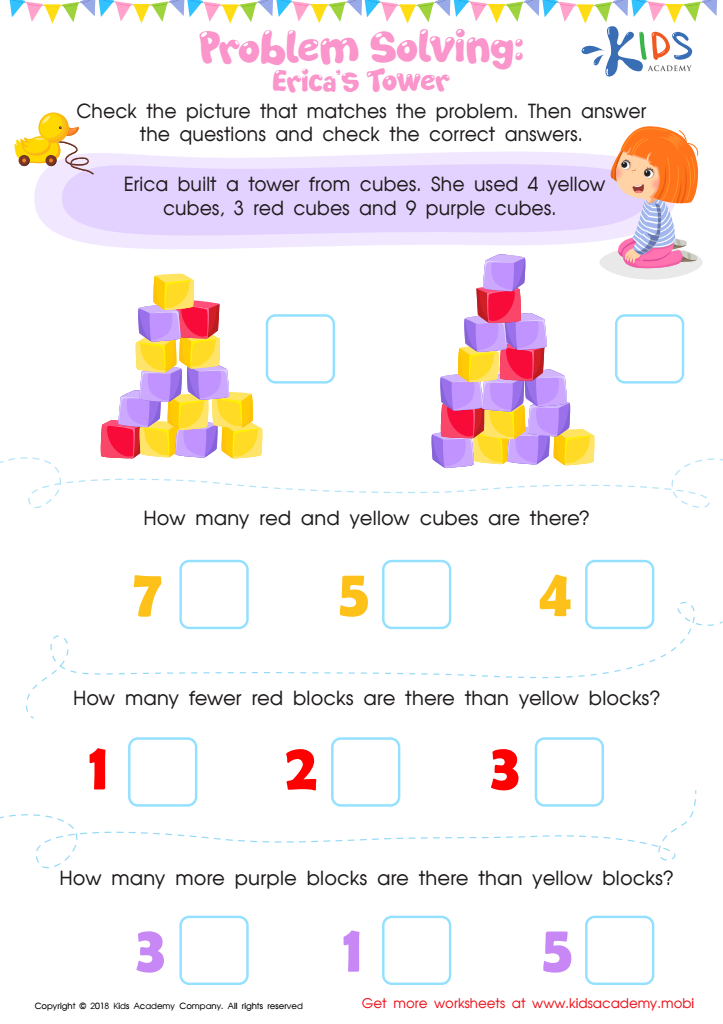
Problem Solving: Erica's Tower Worksheet
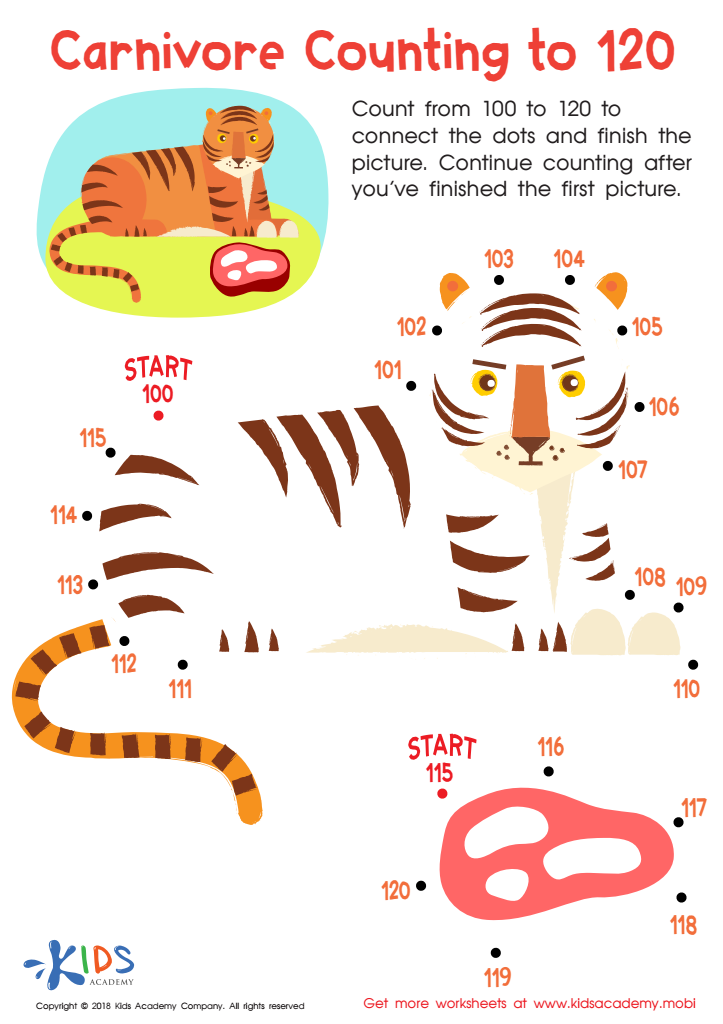
Carnivore Counting to 120 Worksheet








Parents and teachers should care about basic arithmetic practice for children aged 6-7 because this foundational skill is crucial for later academic and everyday success. At this age, children's brains are highly receptive to learning basic number concepts, making it an ideal period to instill essential arithmetic skills. Basic arithmetic, including addition and subtraction, is the building block for more complex mathematical concepts that children will encounter as they progress in their education.
Regular practice helps children gain confidence and fluency in their calculations, reducing anxiety and frustration associated with math. Mastery of these skills enables children to apply their knowledge to real-world scenarios, such as counting change or measuring ingredients in recipes, fostering practical life skills. It also aids in problem-solving abilities, logical thinking, and cognitive development.
When parents and teachers emphasize consistent arithmetic practice, they create a supportive learning environment that values mathematical proficiency. This early intervention sets a positive attitude towards math as children continue their education. Engaged practice also provides opportunities for recognizing and addressing learning difficulties early on, ensuring that no child falls behind.
Ultimately, caring about basic arithmetic practice is an investment in a child's educational development, confidence in STEM (Science, Technology, Engineering, and Mathematics) fields, and overall self-esteem when tackling academic challenges.








