Classification skills Normal Worksheets for Ages 6-7
6 filtered results
-
From - To
Enhance your child's learning experience with our "Classification Skills Normal Worksheets" designed for ages 6-7. These engaging worksheets focus on developing essential classification skills by encouraging young learners to categorize objects, shapes, colors, and more. By using fun and interactive activities, children will improve their observational abilities and critical thinking skills while mastering the art of sorting and classifying. Perfect for both classroom and home use, these worksheets offer a comprehensive approach to early education that promotes cognitive development. Spark your child's curiosity and boost their learning journey today with our carefully crafted classification worksheets!
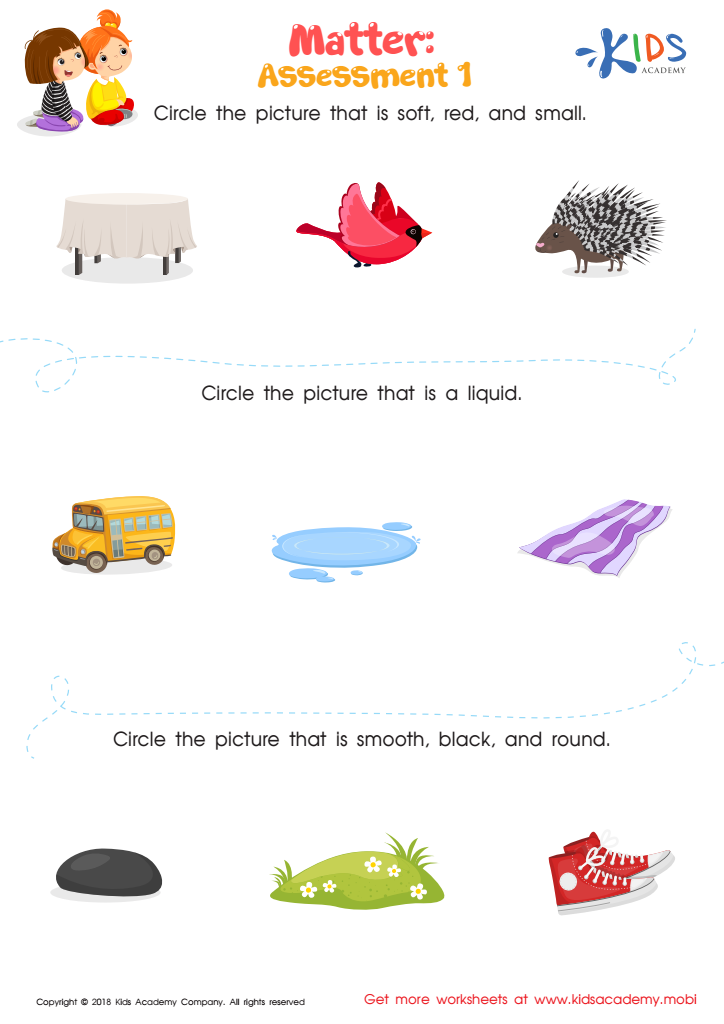
Matter: Assessment 1 Worksheet
 Assign to My Students
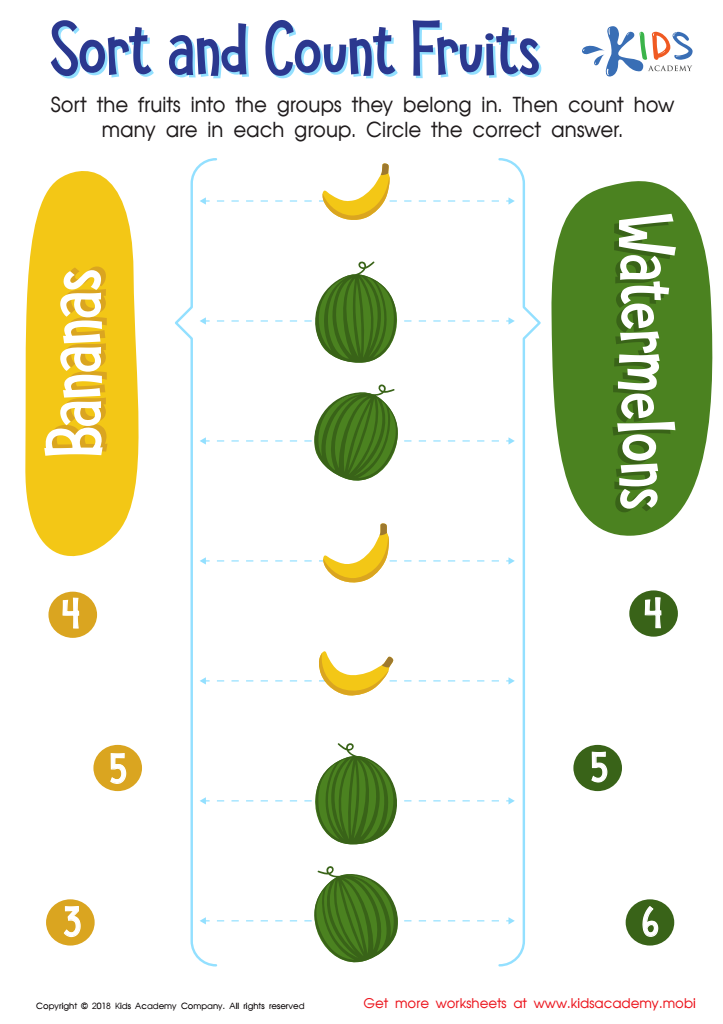
Sort and Count Fruits Worksheet
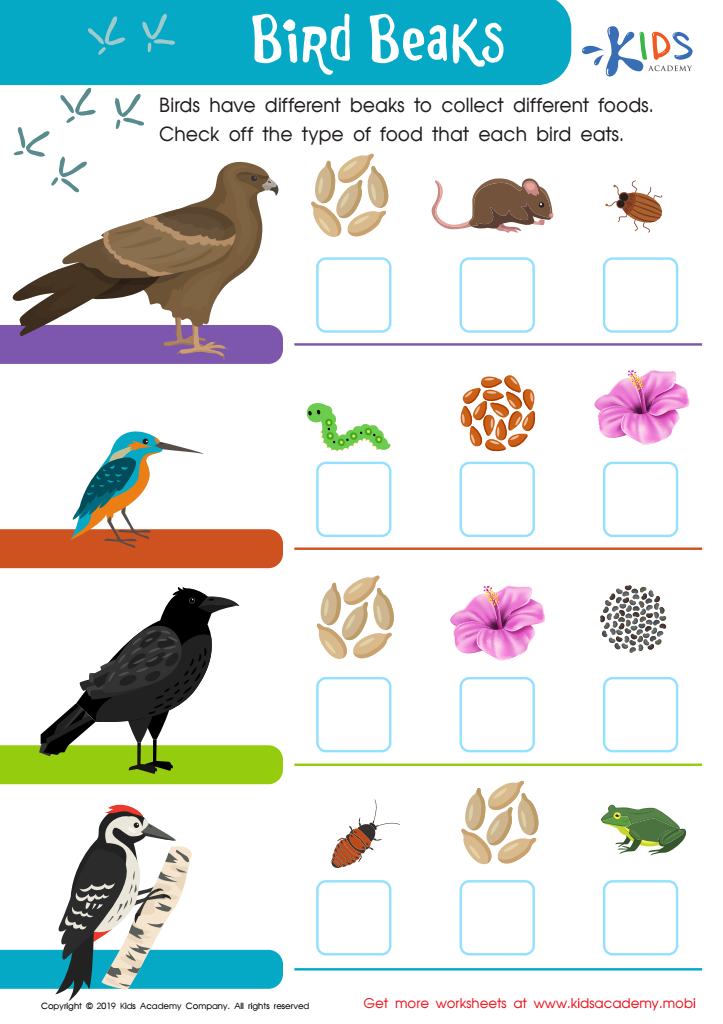
Bird Beaks Worksheet
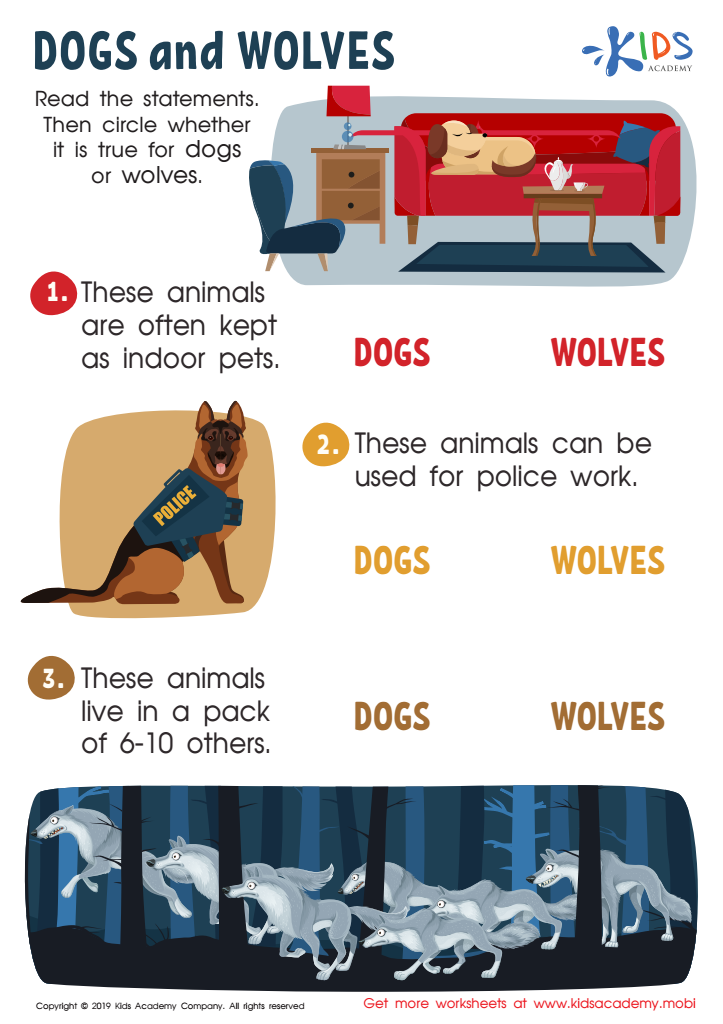
Dogs and Wolves Worksheet
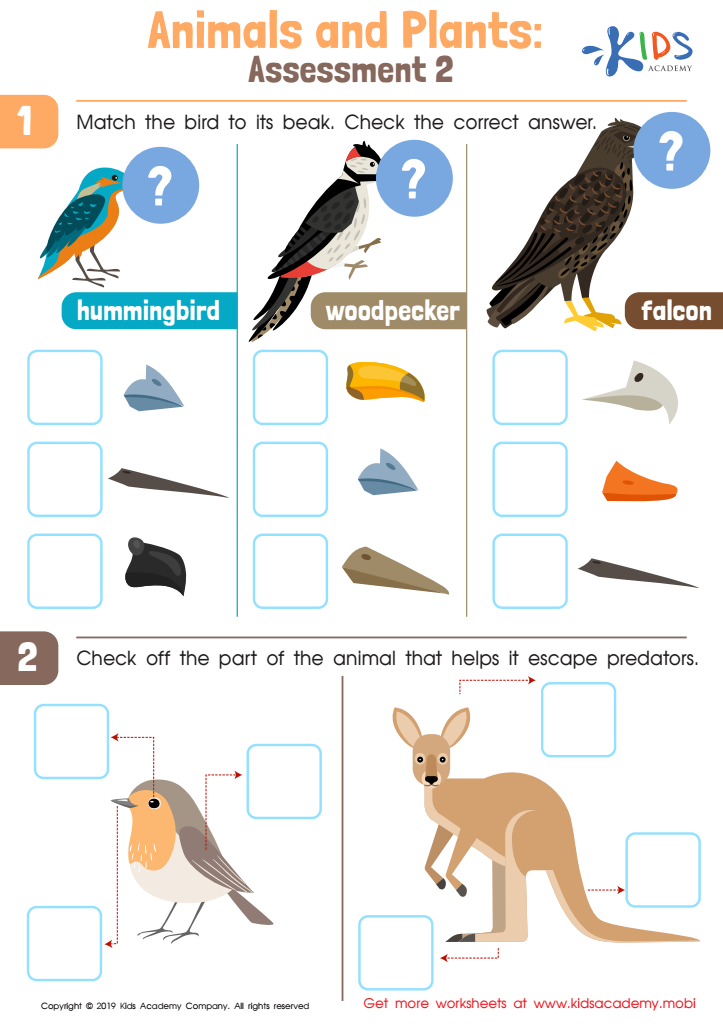
Animals and Plants: Assessment 2 Worksheet
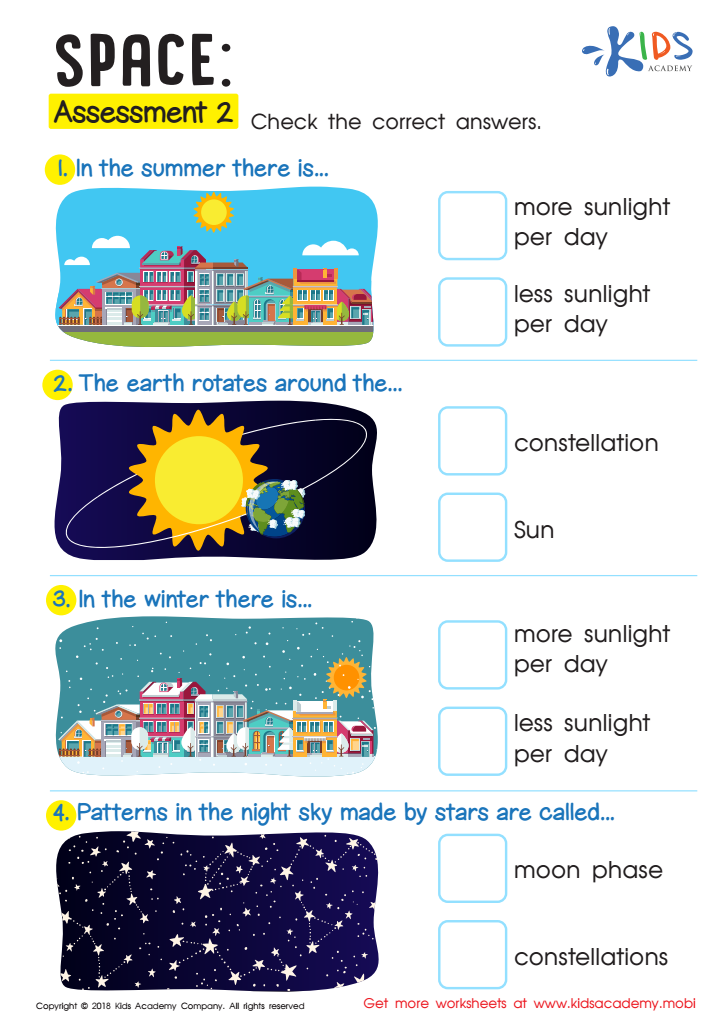
Space: Assessment 2 Worksheet





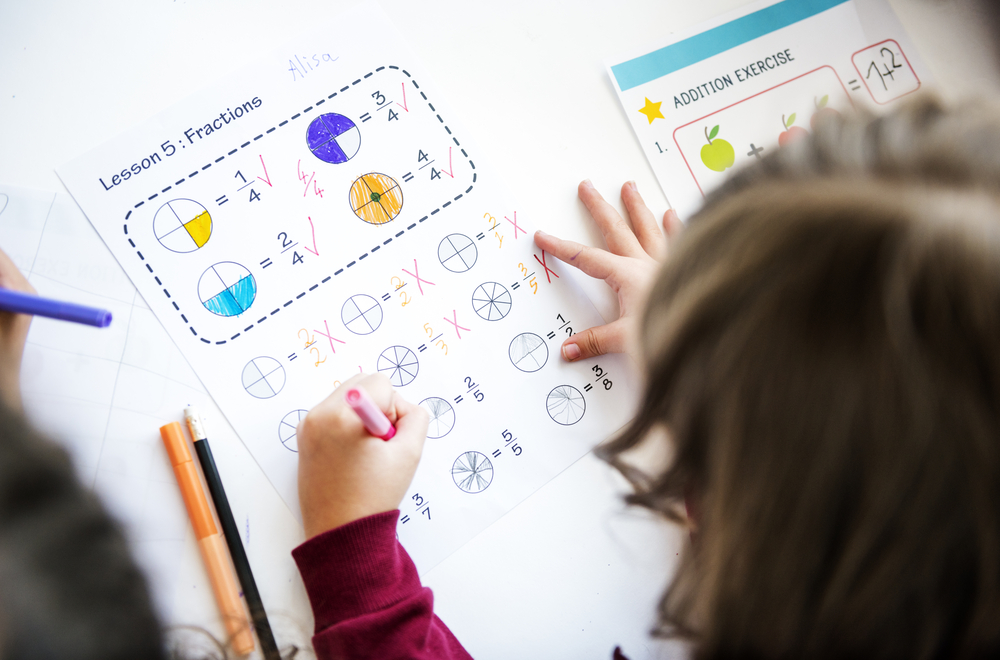

Classification skills, or the ability to group objects based on shared characteristics, are essential for children aged 6-7. During this developmental period, children enhance their cognitive, social, and language skills, making classification a critical focus for parents and teachers.
Firstly, classification fosters critical thinking. By learning to categorize objects, children develop problem-solving abilities as they identify similarities and differences, laying the foundation for more complex reasoning in subjects like math and science. For instance, understanding how to group animals or shapes aids in grasping more advanced concepts later on.
Secondly, classification promotes language development. When children group items, they learn to articulate their reasoning and expand their vocabulary by describing attributes. This language use not only enhances communication skills but also reinforces comprehension in reading and writing.
Lastly, classification encourages social skills. Group activities involving classification tasks provide opportunities for children to collaborate, share ideas, and engage in discussions, fostering teamwork and interpersonal relationships.
In essence, supporting classification skills at this age is pivotal for holistic development, equipping children with cognitive tools they will use throughout their educational journey and equipping them for real-world problem-solving situations. Thus, parents and teachers should prioritize these skills in early childhood education.








