Enhancing observational skills Normal Worksheets for Ages 6-7
7 filtered results
-
From - To
Discover our "Enhancing Observational Skills Worksheets" designed specifically for children ages 6-7. These engaging activities encourage young learners to sharpen their attention to detail and develop critical thinking skills. Our thoughtfully crafted worksheets include fun exercises such as picture comparisons, identifying differences, and engaging memory games. Each activity is designed to captivate children while promoting cognitive growth. Perfect for use in classrooms or at home, these worksheets support early learning milestones and can be easily integrated into your teaching routine. Help your child become a keen observer and set the foundation for lifelong learning with these essential skills today!
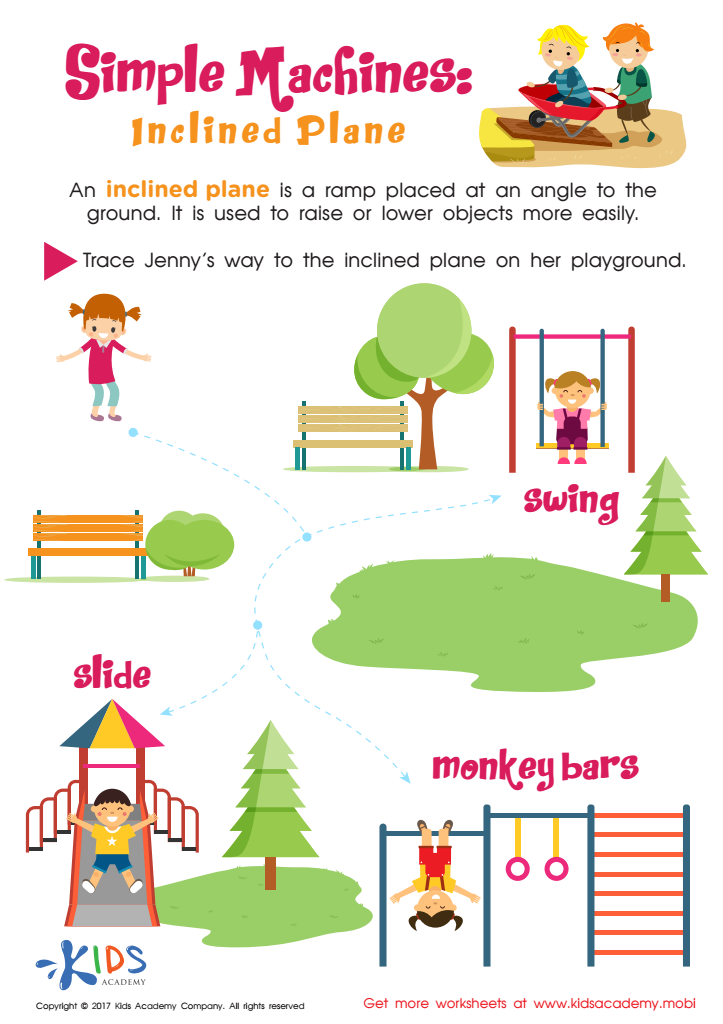
Simple Machines Inclined Plane Worksheet
 Assign to My Students
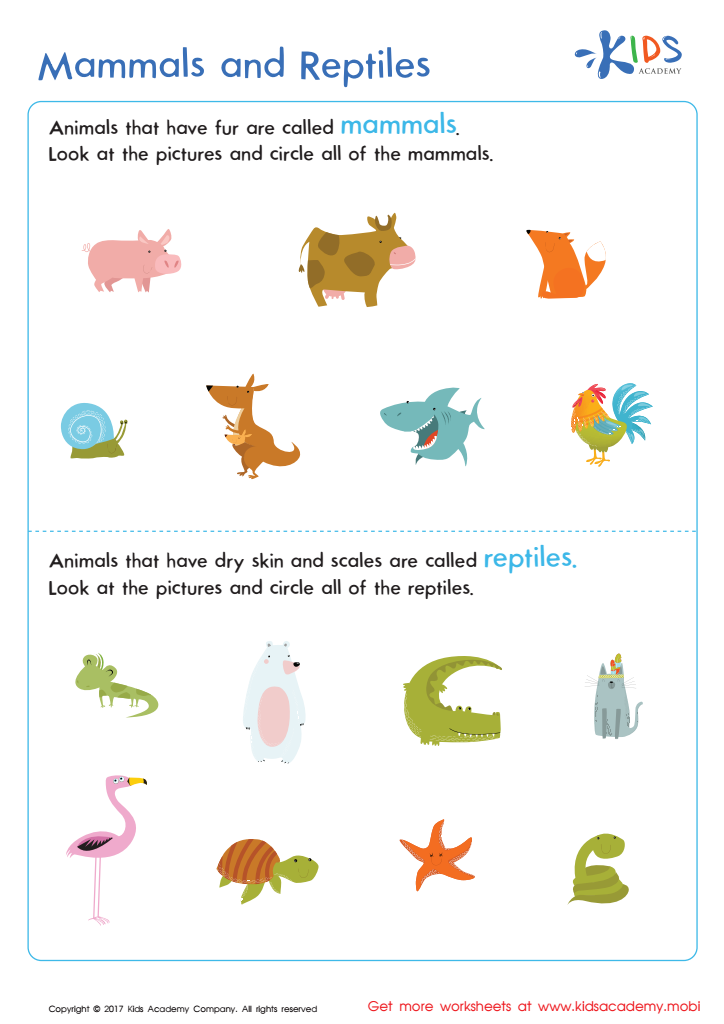
Mammals and Reptiles Worksheet
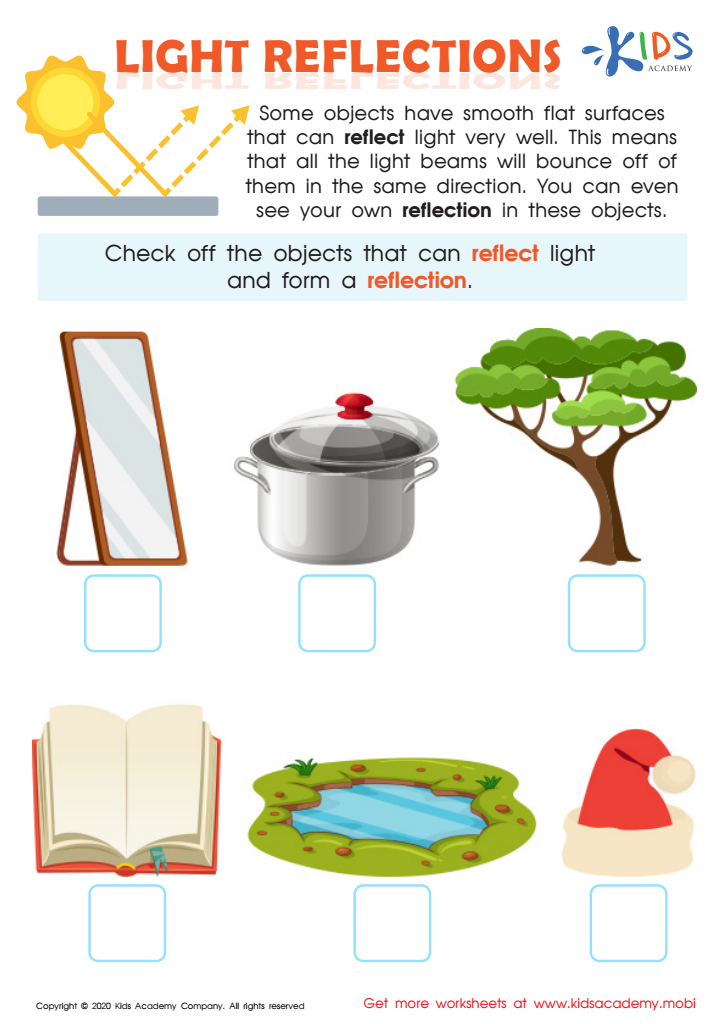
Light Reflections Worksheet
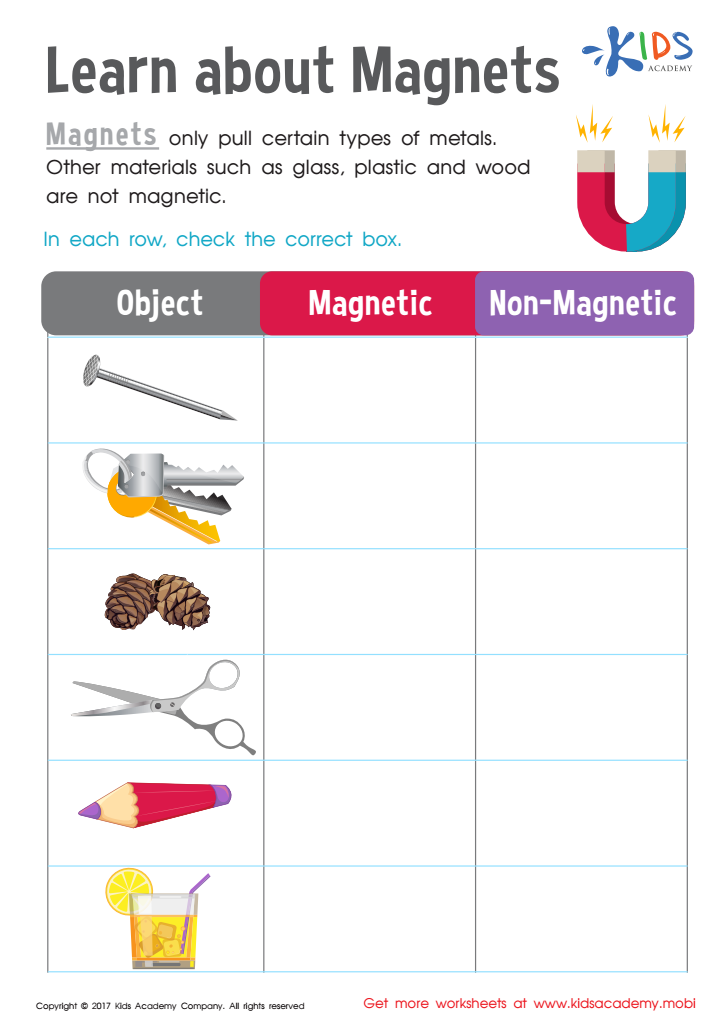
Magnetic Or Not Worksheet
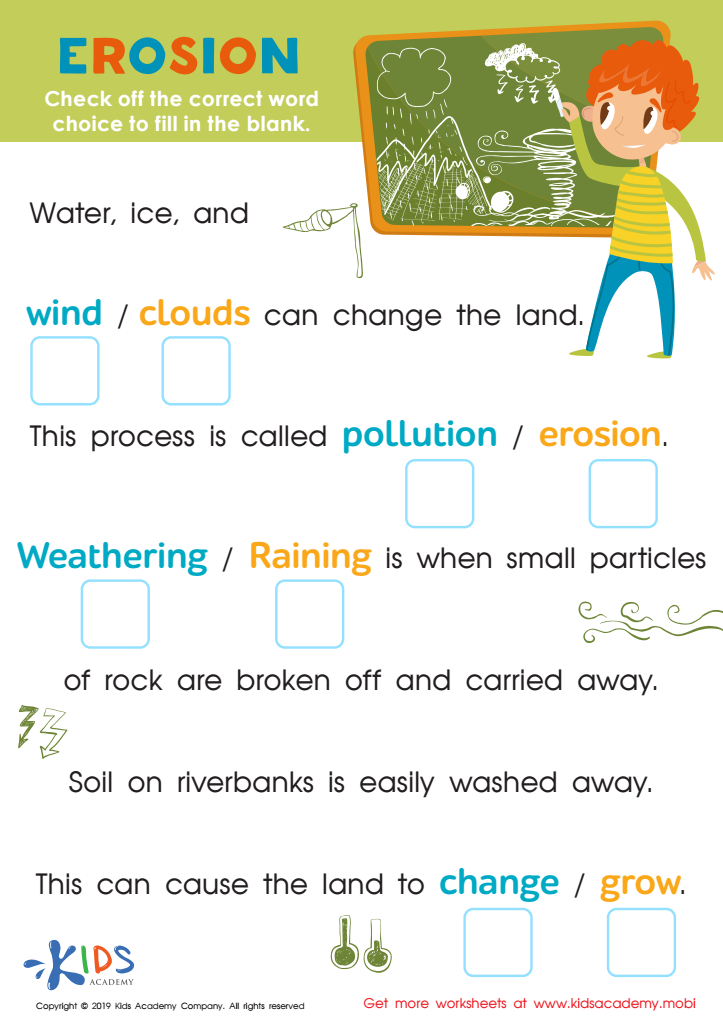
Erosion Worksheet
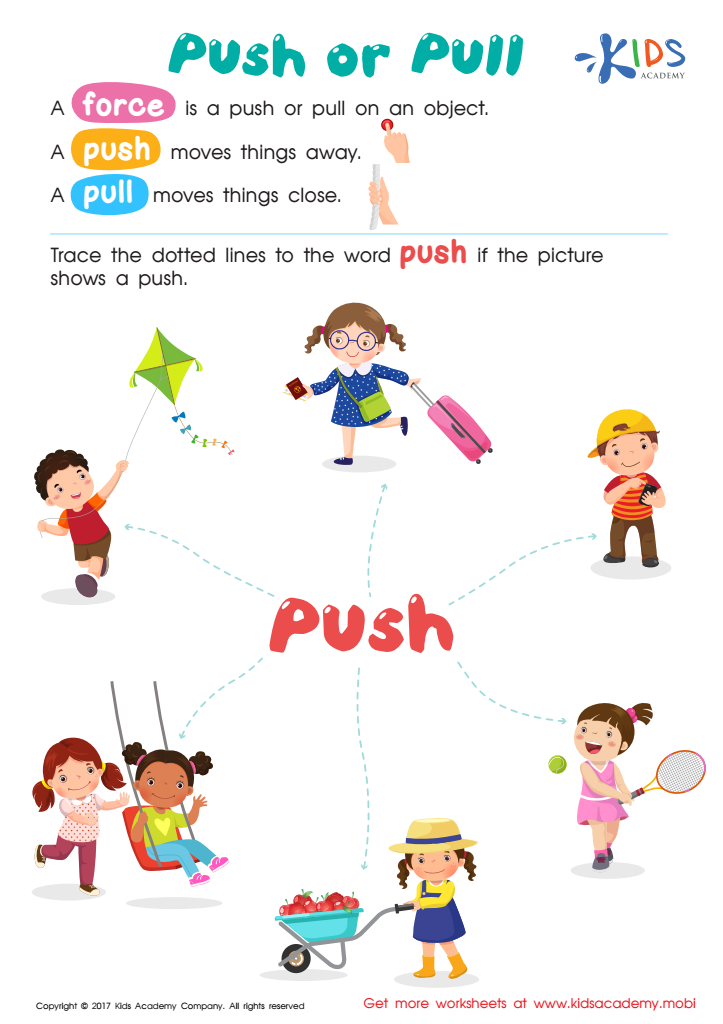
Push or Pull Worksheet
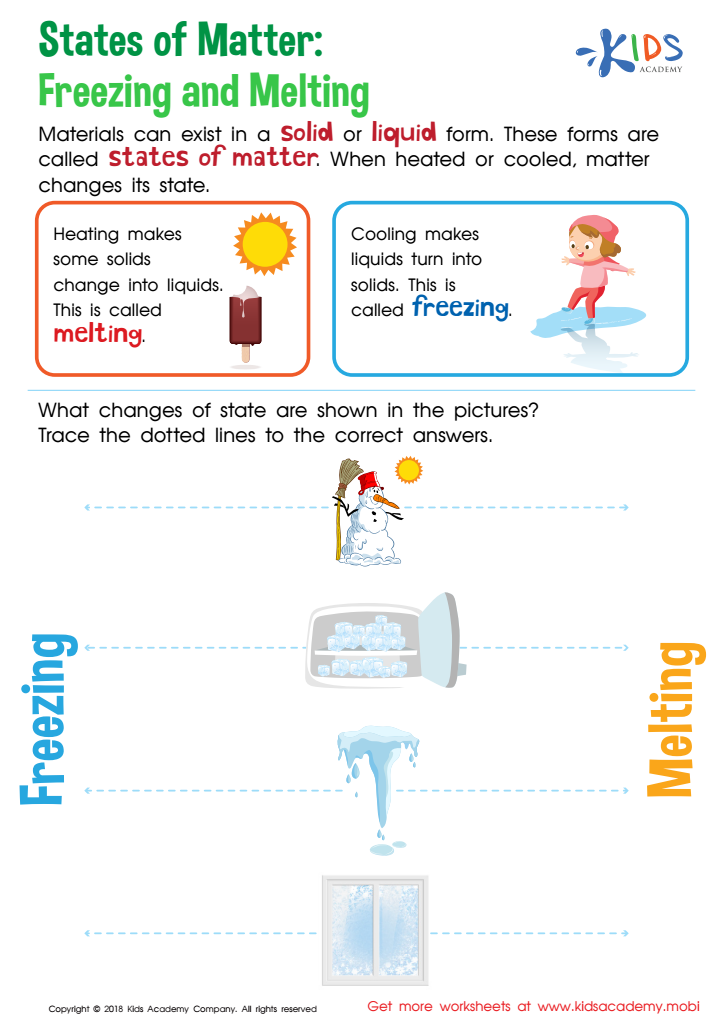
States of Matter: Freezing and Melting Worksheet







Enhancing observational skills in children aged 6-7 is crucial for their overall development and learning. At this stage, children's cognitive abilities are evolving rapidly, and honing their observational skills can significantly boost their academic performance and social interactions. Observational skills help children notice details, patterns, and changes in their environment, laying the groundwork for critical thinking and problem-solving.
When parents and teachers encourage young learners to observe and interact with the world around them, they foster curiosity and creativity, making learning more engaging and effective. Observant children become adept at drawing connections between concepts, which enhances their comprehension in subjects like science, math, and language arts.
Moreover, strong observational skills can improve children's social skills, helping them better understand non-verbal cues in communication and fostering empathy. This leads to stronger relationships with peers and adults, essential for emotional and social development.
In essence, prioritizing observational skill enhancement enriches children’s educational experiences, nurturing well-rounded individuals capable of navigating both academic challenges and everyday life. Parents and teachers play a vital role in this process, providing guidance and opportunities for exploration that will serve children long into adulthood.








