Geographic knowledge Normal Worksheets for Ages 6-7
3 filtered results
-
From - To
Discover our engaging Geographic Knowledge Normal Worksheets for ages 6-7, designed to spark curiosity about the world! These printable resources introduce young learners to essential geographical concepts, such as maps, continents, and basic geography vocabulary. Each worksheet combines fun illustrations and age-appropriate challenges to enhance understanding and retention. Your child will enjoy exploring various geographical features, improving their spatial awareness, and building their foundational knowledge. Perfect for classroom use or at-home learning, our worksheets offer an interactive way to support early learning. Foster a sense of wonder about the world around them with our thoughtfully crafted materials today!
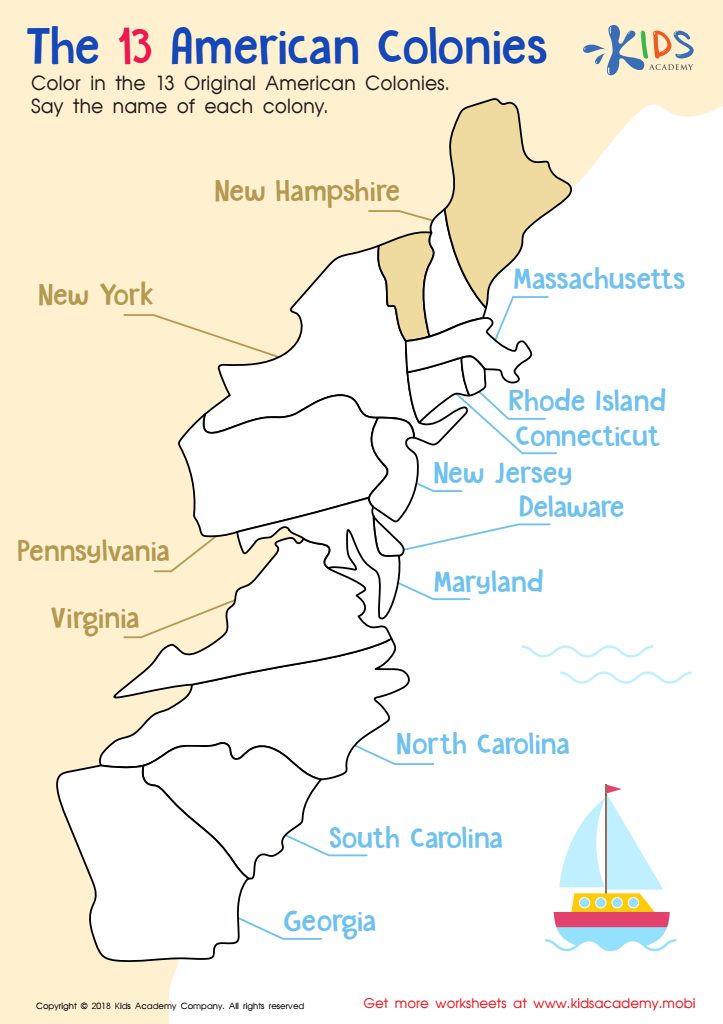
The 13 American Colonies Worksheet
 Assign to My Students
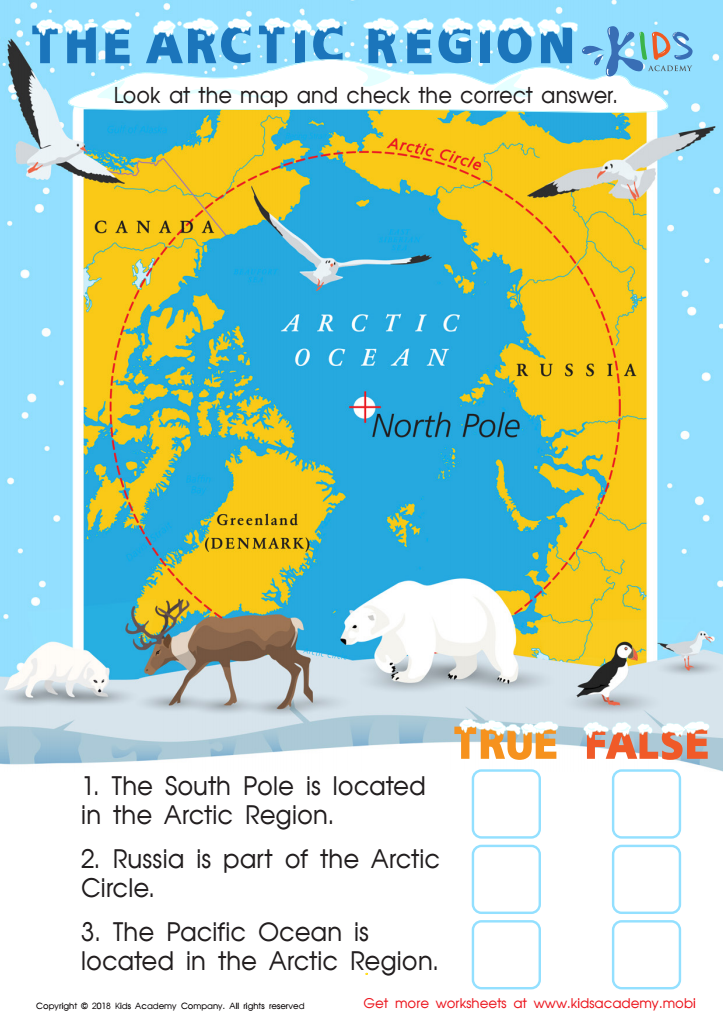
The Arctic Region Worksheet
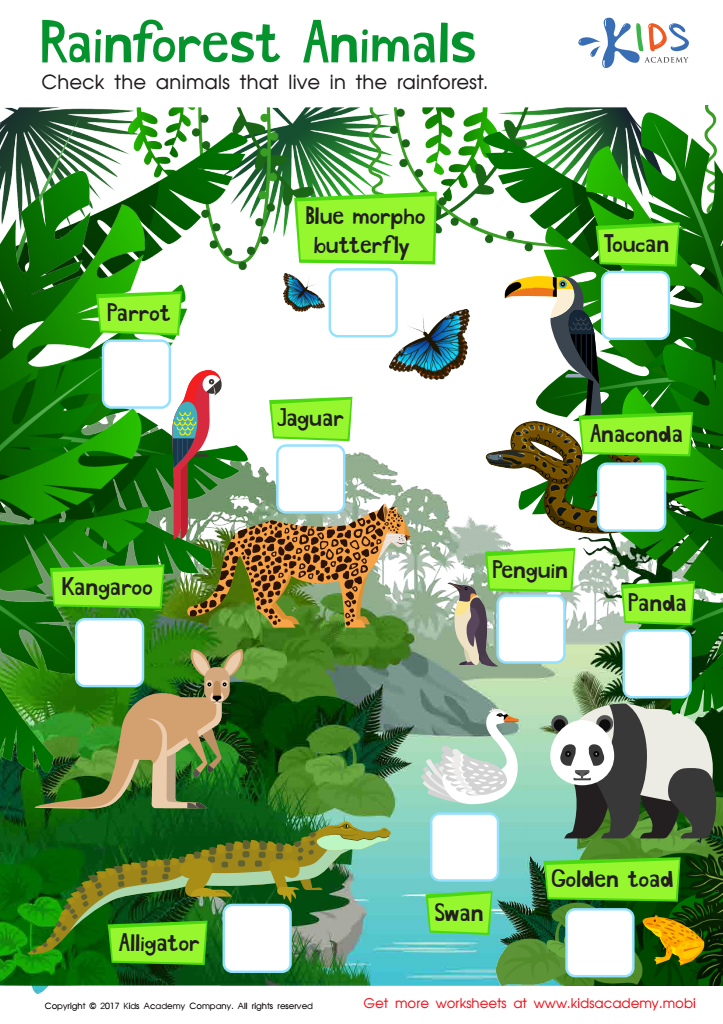
Rainforest Animals Worksheet


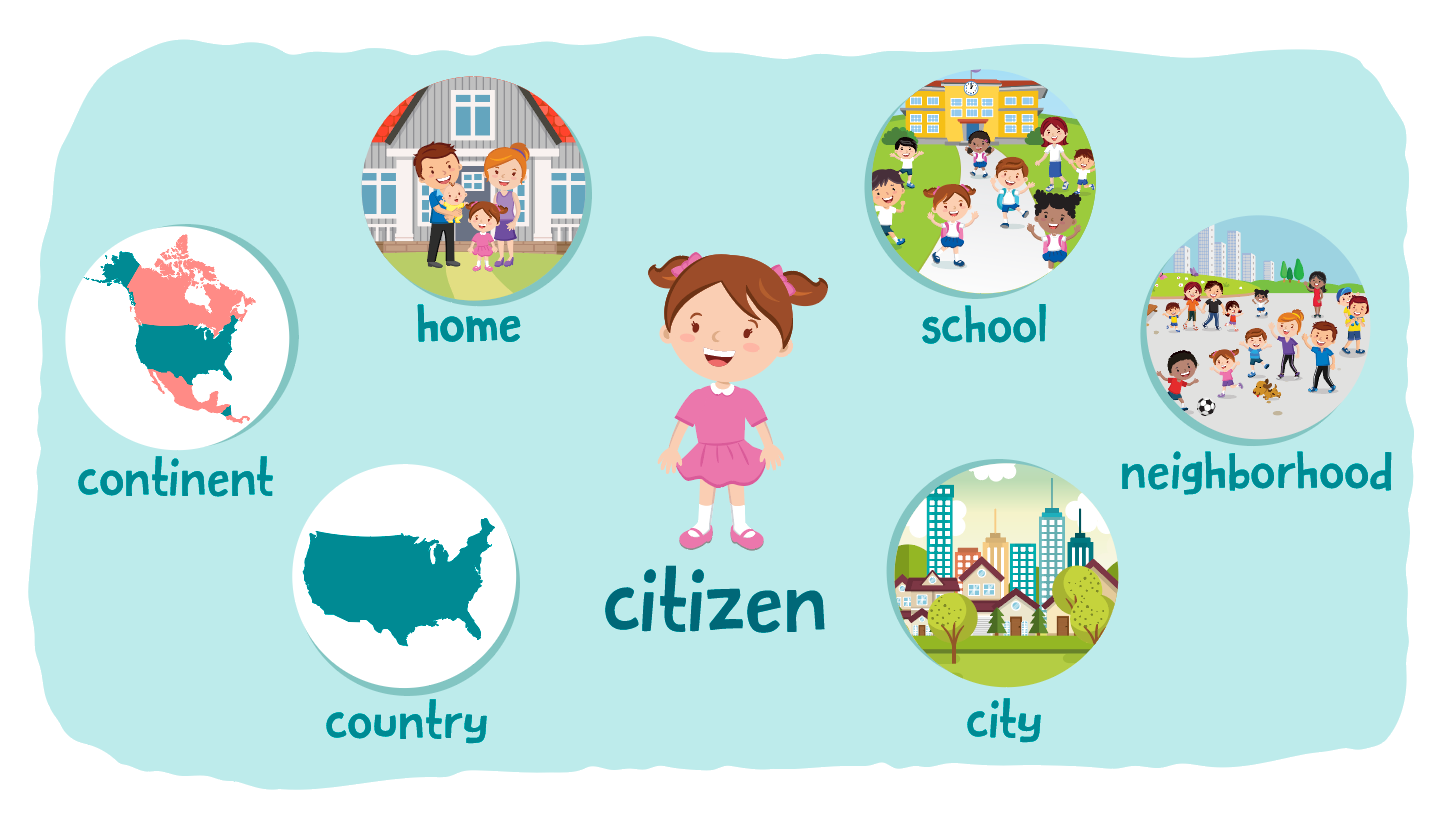

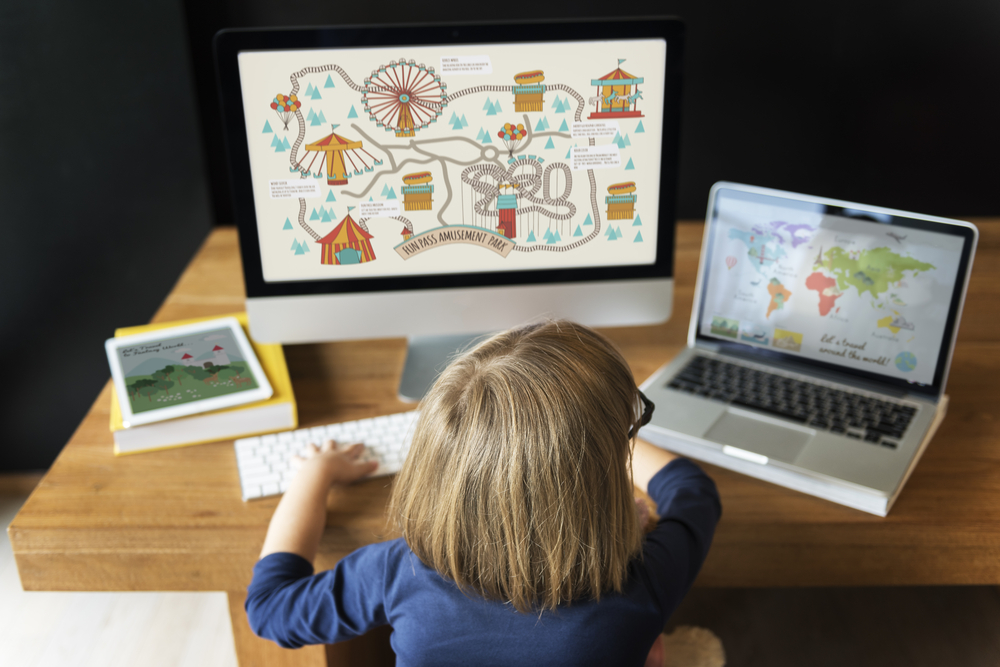


Parents and teachers should prioritize geographic knowledge for children aged 6-7 because it lays a crucial foundation for their understanding of the world. At this age, children are naturally curious and eager to explore concepts about their environment. Learning geography helps them develop spatial awareness, which is essential for navigation and understanding human interactions with the earth.
Geographic knowledge fosters important cognitive skills such as critical thinking and problem-solving. When children learn about different places, cultures, and ecosystems, they can compare and contrast, enhancing their analytical abilities. Furthermore, geographic education promotes empathy and respect for diversity by exposing young learners to the lives and experiences of people from various backgrounds.
Additionally, as we live in an increasingly interconnected world, understanding geography enables children to engage better with global issues such as climate change, migration, and humanitarian efforts. By instilling a sense of curiosity about the world early on, parents and teachers empower children to become informed global citizens capable of contributing positively to society.
In conclusion, nurturing geographic knowledge in young children is essential for their holistic development and prepares them to navigate an ever-changing world effectively.








