Hand-eye Coordination Normal Worksheets for Ages 6-7 - Page 2
29 filtered results
-
From - To
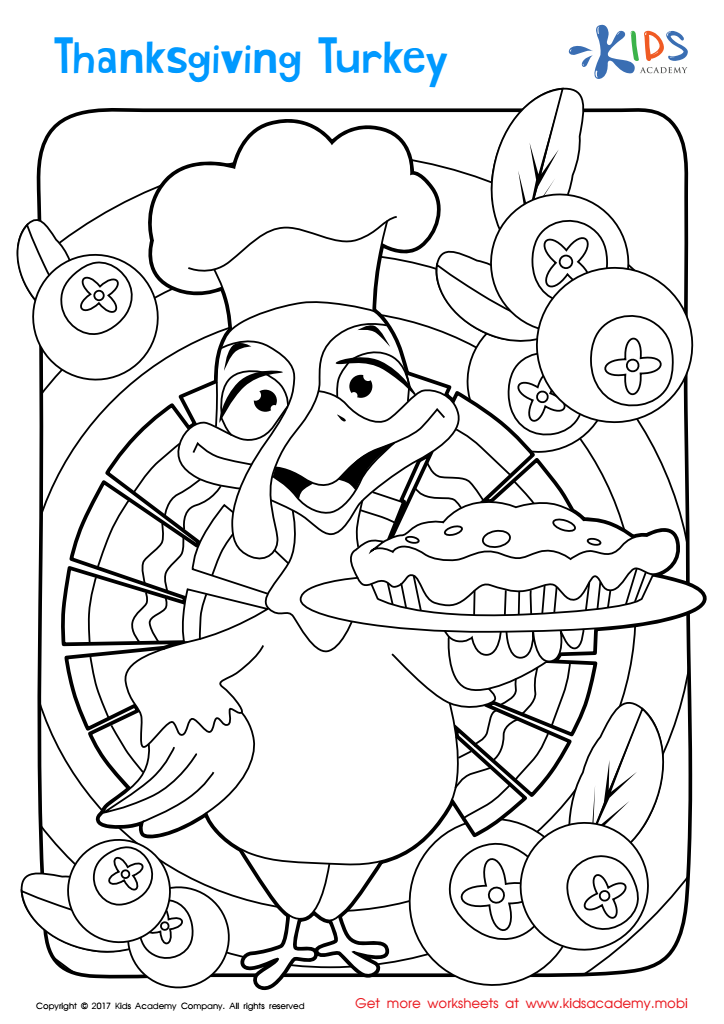
Turkey Thanksgiving Day Worksheet
 Assign to My Students
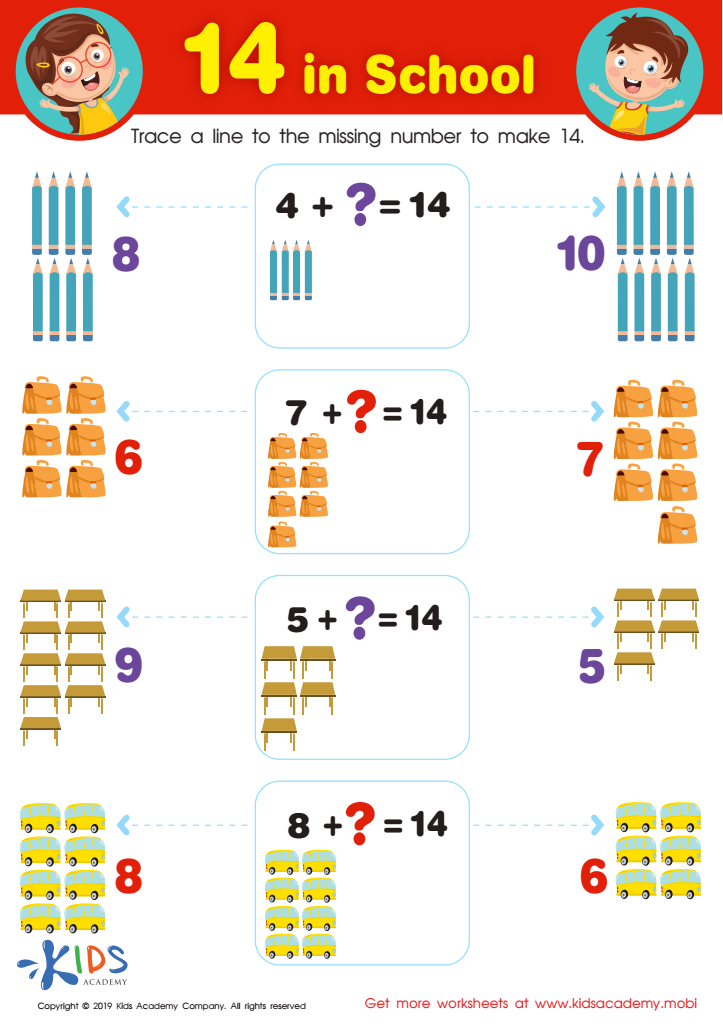
14 in School Worksheet
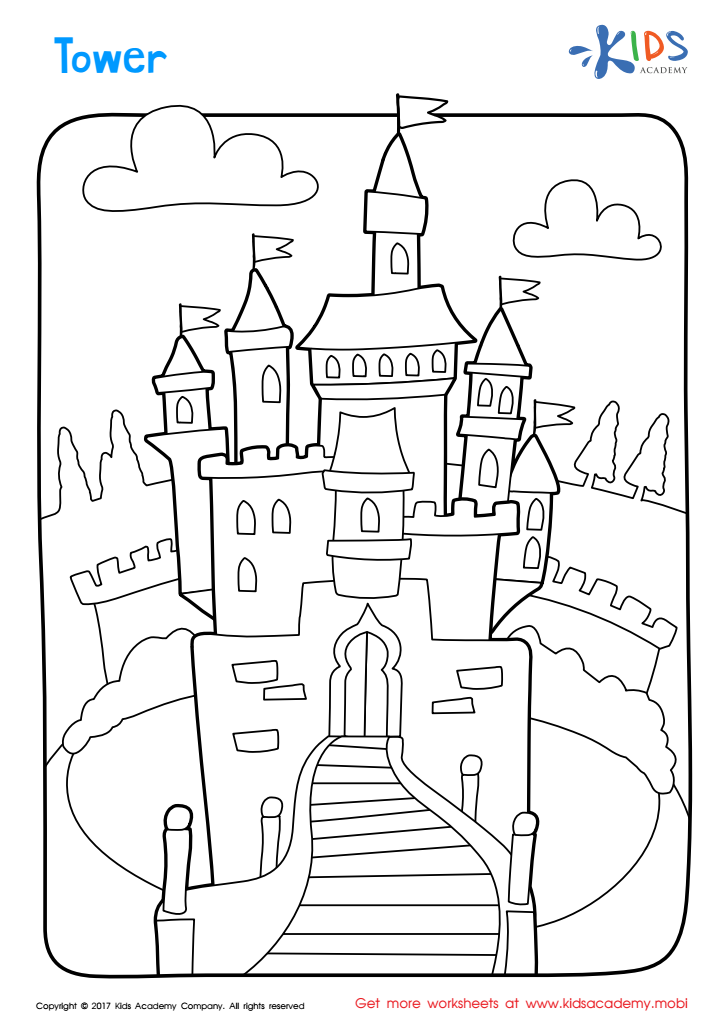
Tower Coloring Page
Assign to My Students

Long and Short E Worksheet
Assign to My Students

Letter D Tracing Page




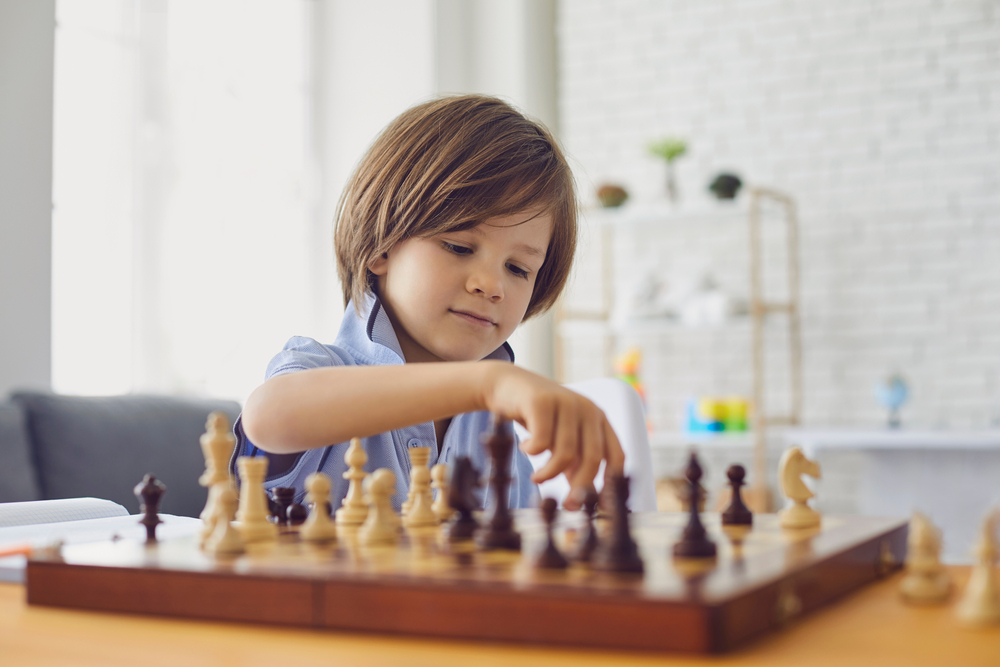

Hand-eye coordination is a critical skill for children aged 6-7 as it underpins their overall development and learning. At this age, children are beginning to engage in more complex physical activities, such as sports, writing, and art. Adequate hand-eye coordination allows them to perform tasks with greater precision and confidence, fostering their independence and enjoyment in activities.
Parents and teachers should care about this developmental aspect because it also significantly affects a child’s academic performance. For instance, writing legibly, using scissors effectively, or participating in interactive games can all hinge on well-developed hand-eye coordination. When children struggle with these skills, they may feel frustrated, potentially leading to decreased motivation and lower self-esteem.
Furthermore, supporting the enhancement of hand-eye coordination can promote fine motor skills and cognitive development. Engaging children in activities like drawing, playing catch, or building with blocks not only boosts their coordination but also enhances their problem-solving and critical-thinking abilities. In essence, nurturing hand-eye coordination during these formative years lays the groundwork for successful learning experiences, active participation in physical health, and the development of social skills, making it a pivotal focus for parents and educators alike.








