Handwriting practice Normal Worksheets for Ages 6-7 - Page 3
57 filtered results
-
From - To
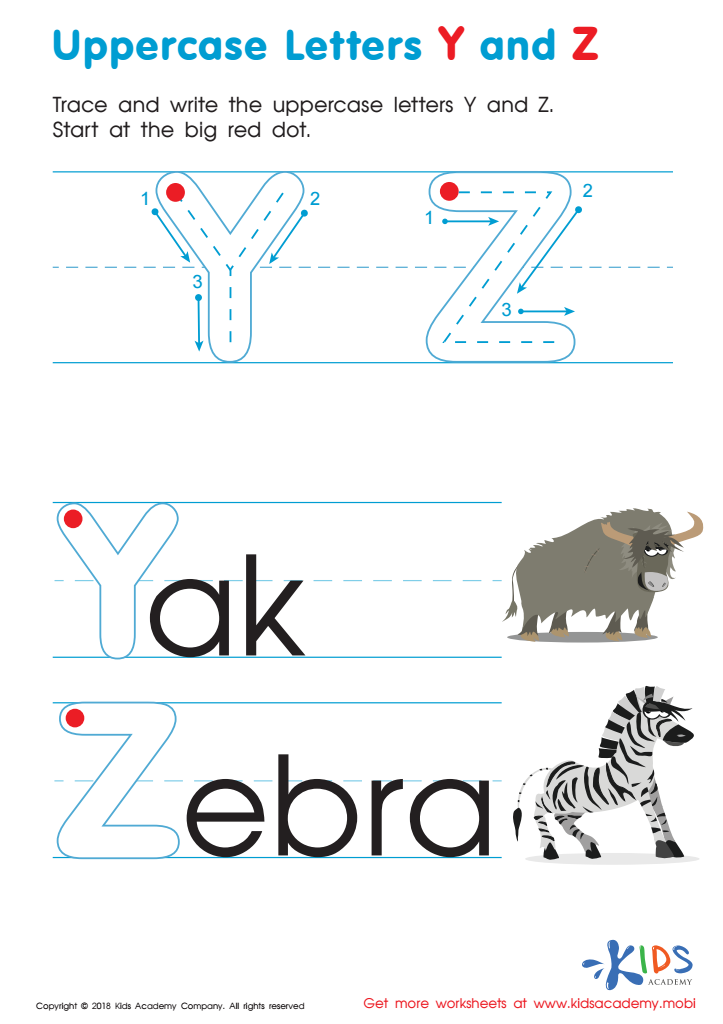
Uppercase Letters Y Z Worksheet
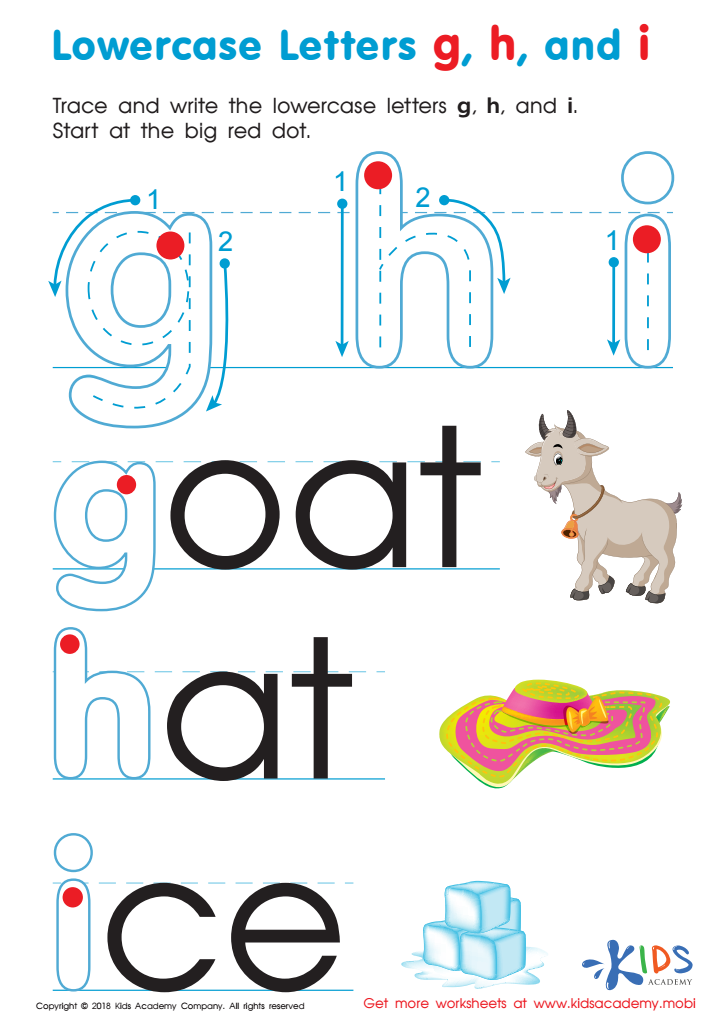
Lowercase Letters g h i Worksheet
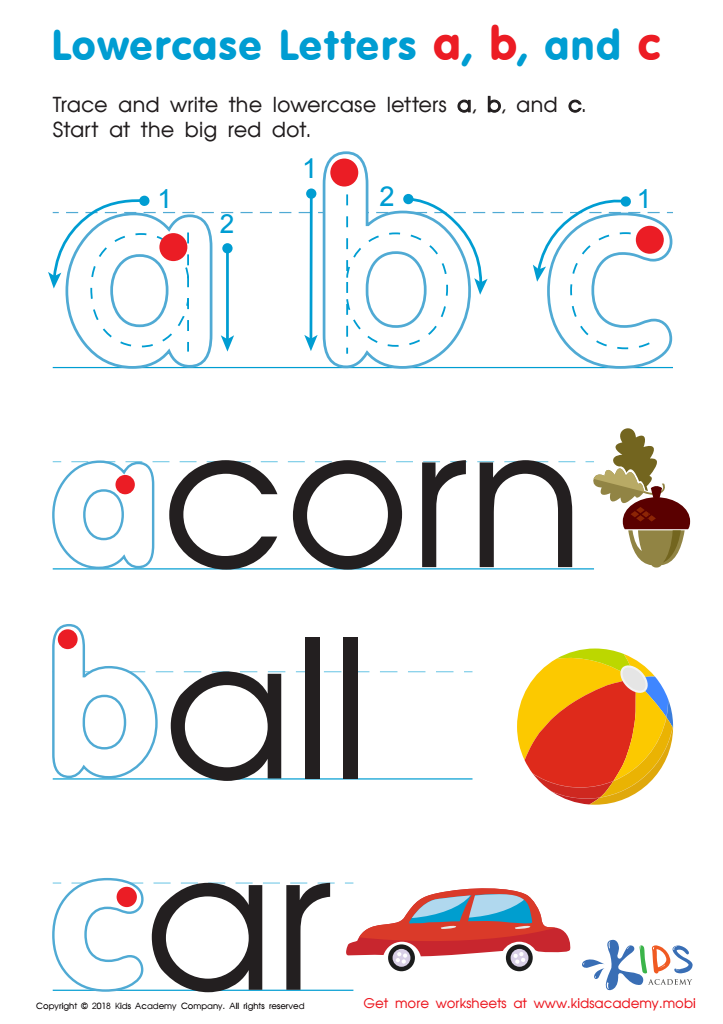
Lowercase Letters a b c Worksheet
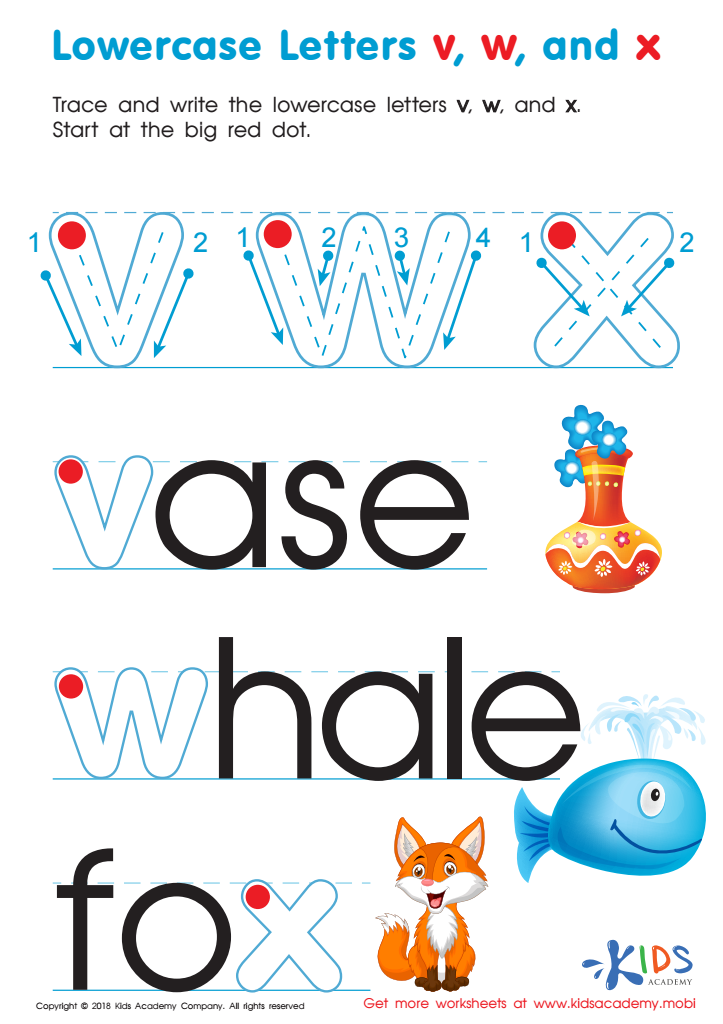
Lowercase Letters v w x Worksheet
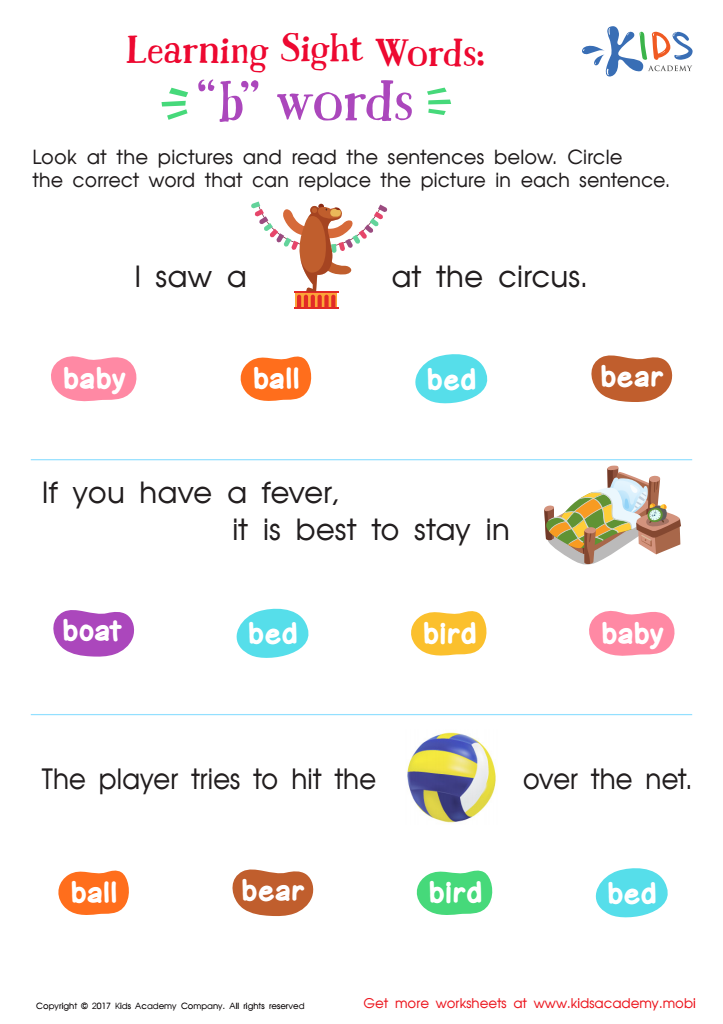
"B" Words Printable Sight Words Worksheet
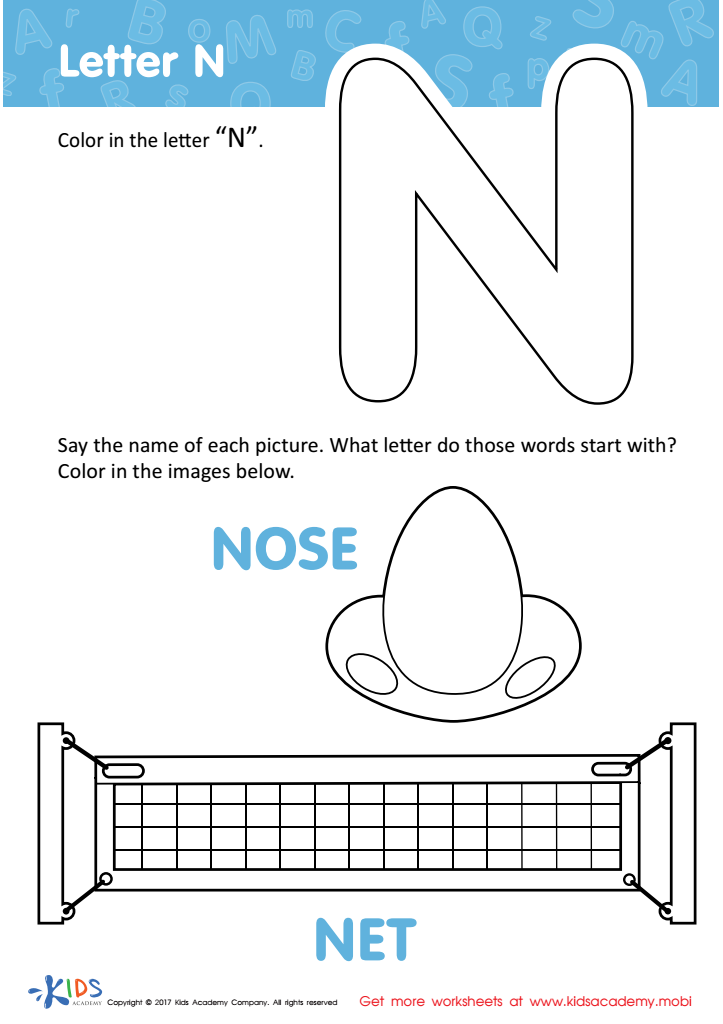
Letter N Coloring Sheet
 Assign to My Students
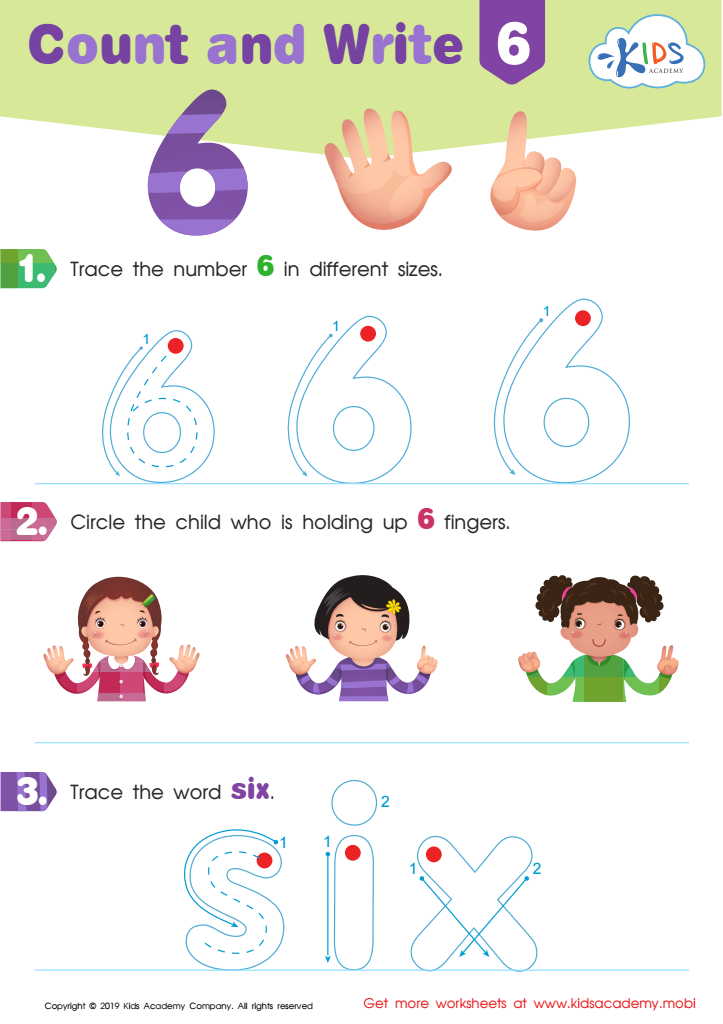
Count and Write 6 Worksheet
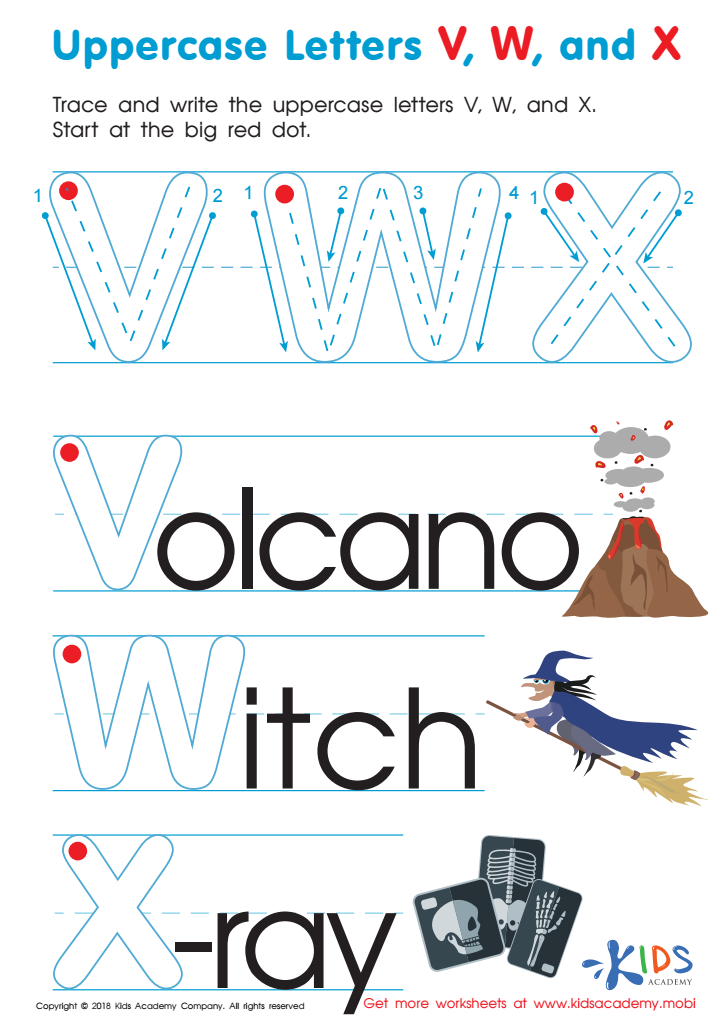
Uppercase Letters V, W, and X Worksheet
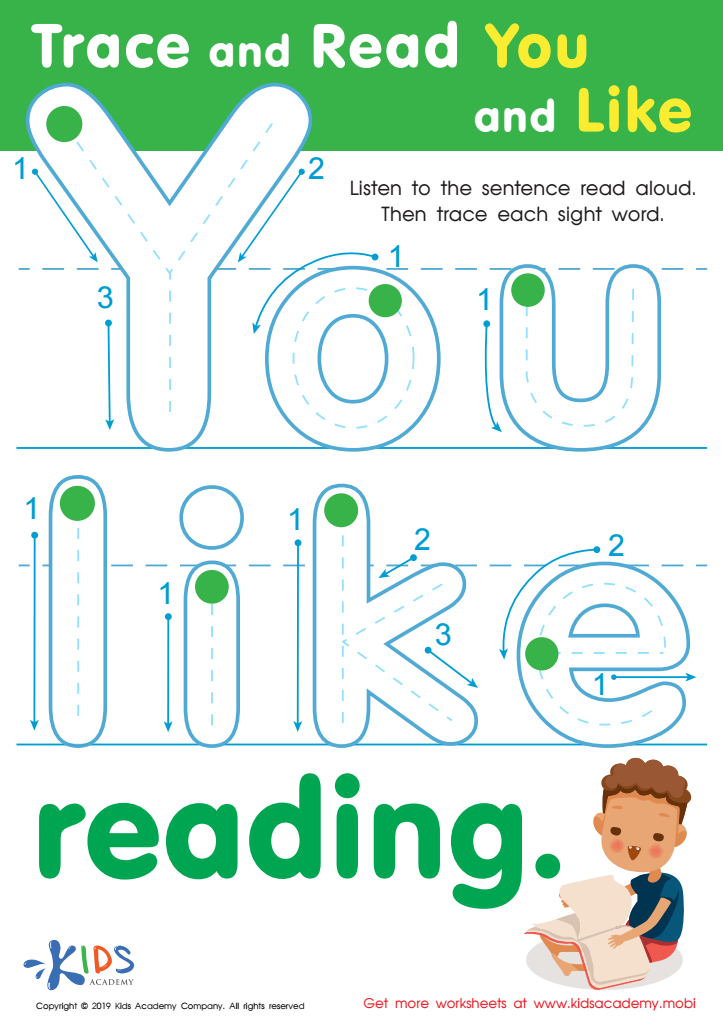
Trace Read You Like Worksheet








Handwriting practice is crucial for ages 6-7 as it lays the foundation for effective communication skills and cognitive development. At this stage, children are refining their fine motor skills, and practicing handwriting helps strengthen the small muscles in their hands and fingers—important for various other tasks, from using scissors to buttoning shirts.
Furthermore, neat handwriting contributes to better reading and writing comprehension. When children learn to write letters correctly, they develop a stronger connection between sounds and symbols, which is essential for phonics and spelling.
Handwriting also aids in self-expression. As children commit their thoughts and ideas to paper, they gain confidence in their ability to communicate. This skill will be invaluable as they move through their educational journey, influencing their academic performance across subjects, especially in language arts.
Moreover, handwriting practice encourages focus and discipline. Through repetition, children learn the value of persistence and patience. Thus, parents and teachers should support and prioritize handwriting practice to enhance children’s academic success and foster essential life skills. Ultimately, investing effort in handwriting today sets the stage for effective communication in their future.








