Interpreting data Normal Worksheets for Ages 6-7
3 filtered results
-
From - To
Help your 6-7-year-olds enhance their data interpretation skills with our engaging "Interpreting Data Normal Worksheets." Designed to cultivate critical thinking, these worksheets introduce young learners to basic concepts of data collection, reading graphs, and understanding simple charts. Through fun and interactive activities, children will learn to analyze information and draw conclusions. Our approachable format caters to diverse learning styles, making data interpretation enjoyable and accessible for every student. Foster curiosity and mathematical confidence while equipping your children with essential skills they'll use in everyday life. Explore our worksheets now to empower the next generation of data-savvy thinkers!
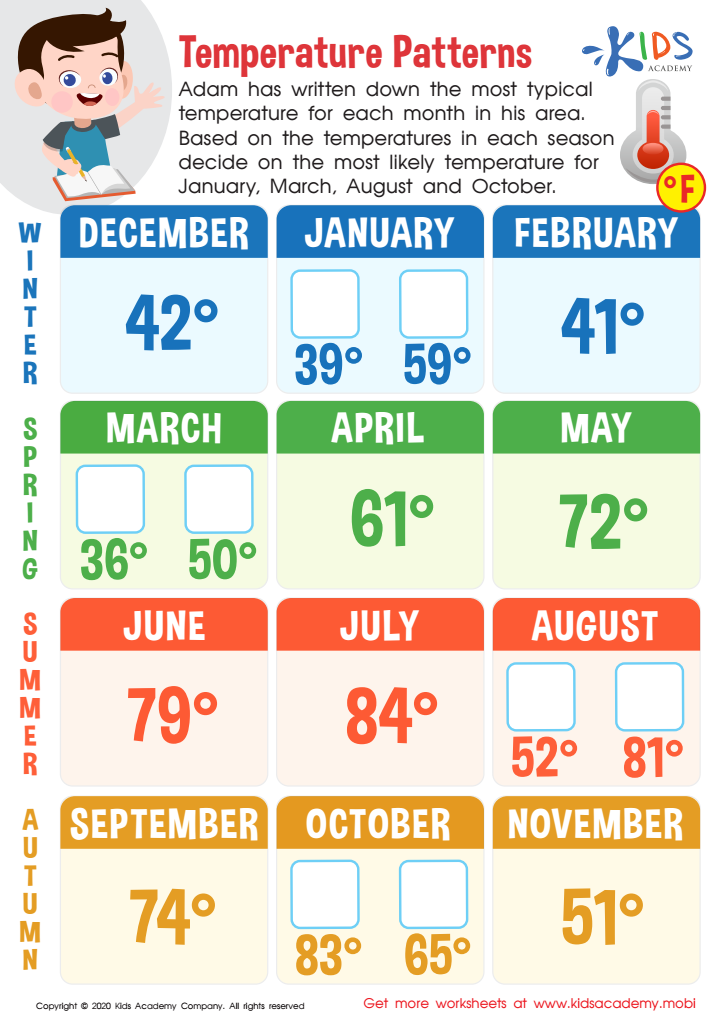
Temperature Patterns Worksheet
 Assign to My Students
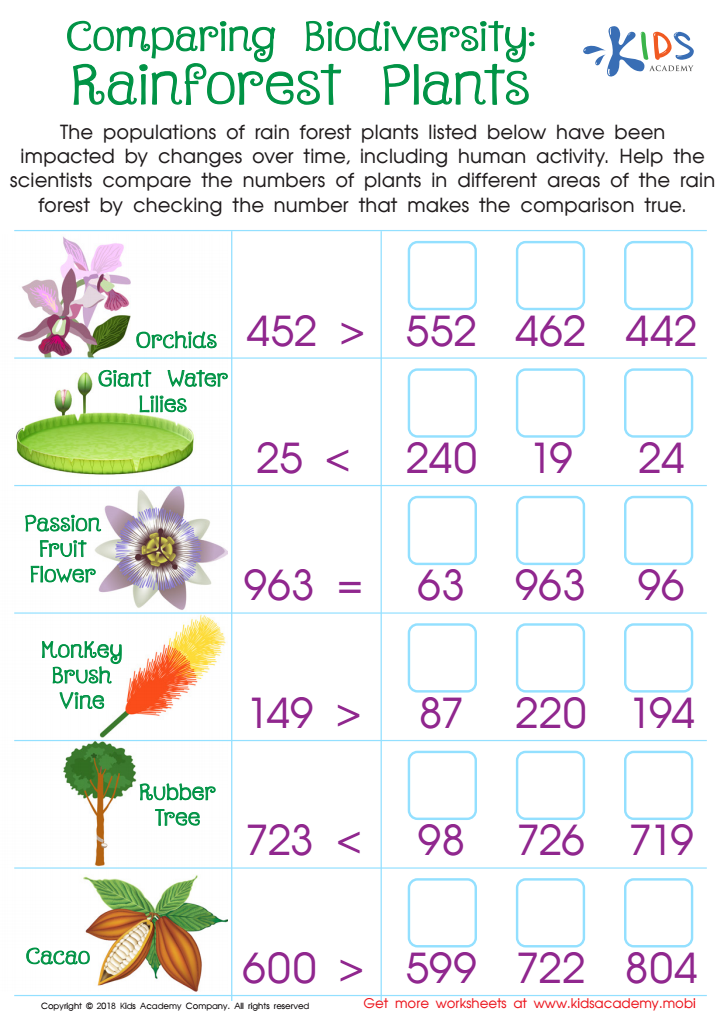
Comparing Biodiversity: Rainforest Plants Worksheet
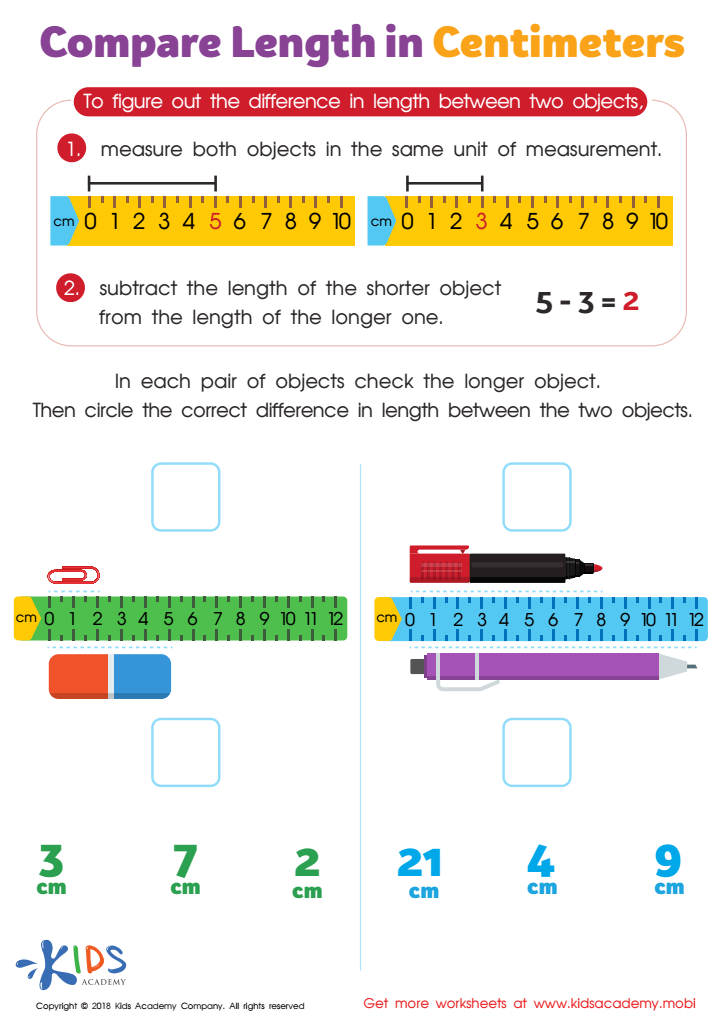
Compare Length in Centimeters Worksheet




.jpg)

.jpg)
Interpreting data is crucial for parents and teachers of children aged 6-7, as it serves as a key tool in understanding students' learning progress and development. At this tender age, children are transitioning into more structured learning environments, where evaluating their understanding of concepts is essential. Interpreting data helps educators identify strengths, weaknesses, and individual learning preferences, allowing for tailored instruction that meets each child's unique needs.
Additionally, parents benefit from understanding achievement data, as it fosters effective communication with teachers about their child’s progress. Engaging with this information allows parents to reinforce skills at home, enhancing the chances of academic success. Teachers can develop strategic interventions to support students struggling in specific areas, ensuring no child is left behind.
Furthermore, interpreting data promotes a culture of continuous improvement in the classroom. By analyzing assessment results, teachers can refine their instructional methods, enhancing overall curriculum effectiveness. Through regular reflection on data, educators can create targeted objectives that drive student engagement and achievement. Ultimately, caring about data interpretation supports a collaborative partnership between home and school, laying a solid foundation for lifelong learning while empowering children to reach their full potential in these formative years.








