Reading development Normal Worksheets for Ages 6-7
5 filtered results
-
From - To
Discover a variety of engaging reading development worksheets designed specifically for children ages 6-7. Our resources aim to nurture young learners' literacy skills through fun and interactive activities. Each worksheet is crafted to enhance phonics, vocabulary, comprehension, and reading fluency, ensuring a well-rounded approach to early reading education. Ideal for both classroom settings and home practice, these worksheets promote critical thinking and foster a love for reading. Tailored to meet the developmental needs of early learners, these tools provide opportunities for exploration and self-expression, setting a strong foundation for future academic success. Start your child's reading journey today!
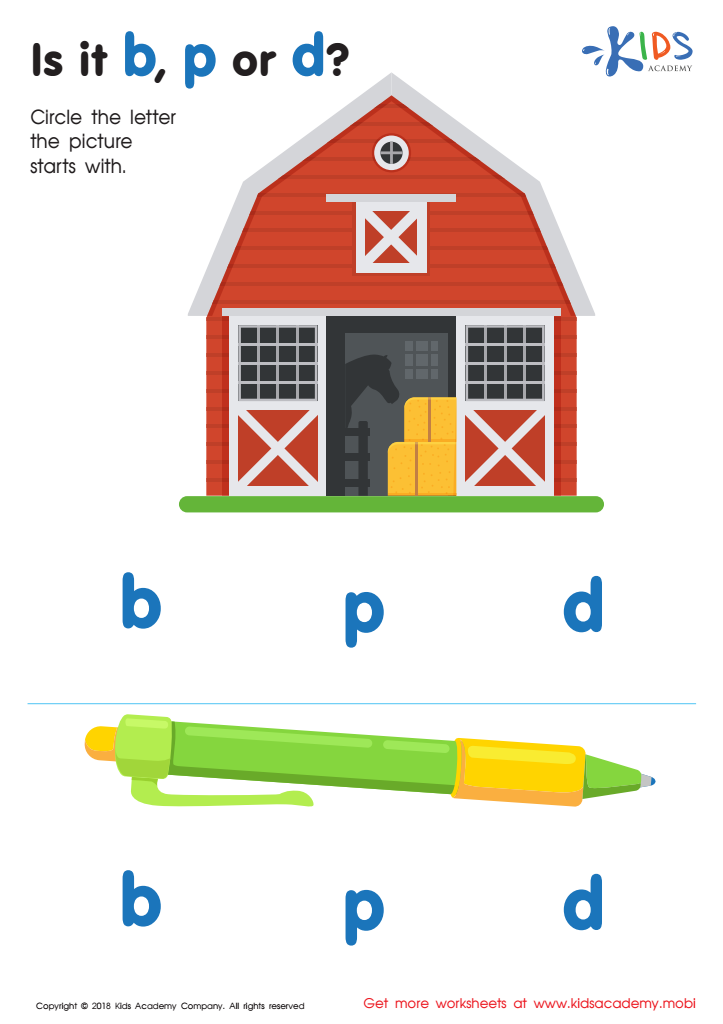
Is it b, p or d? Worksheet
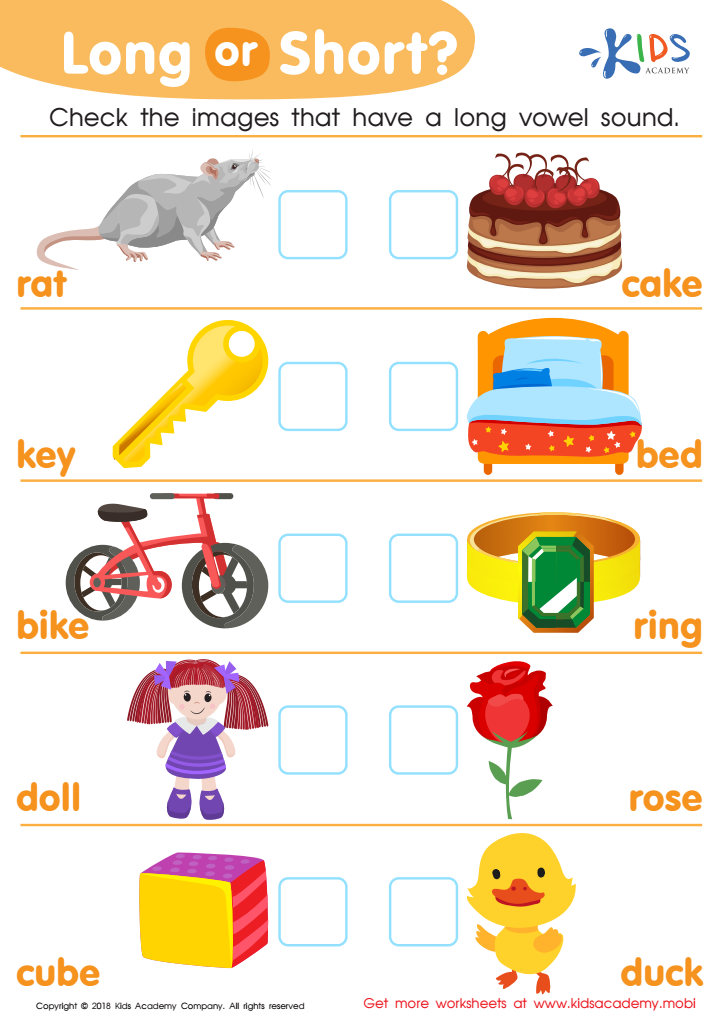
Long or Short Reading Worksheet
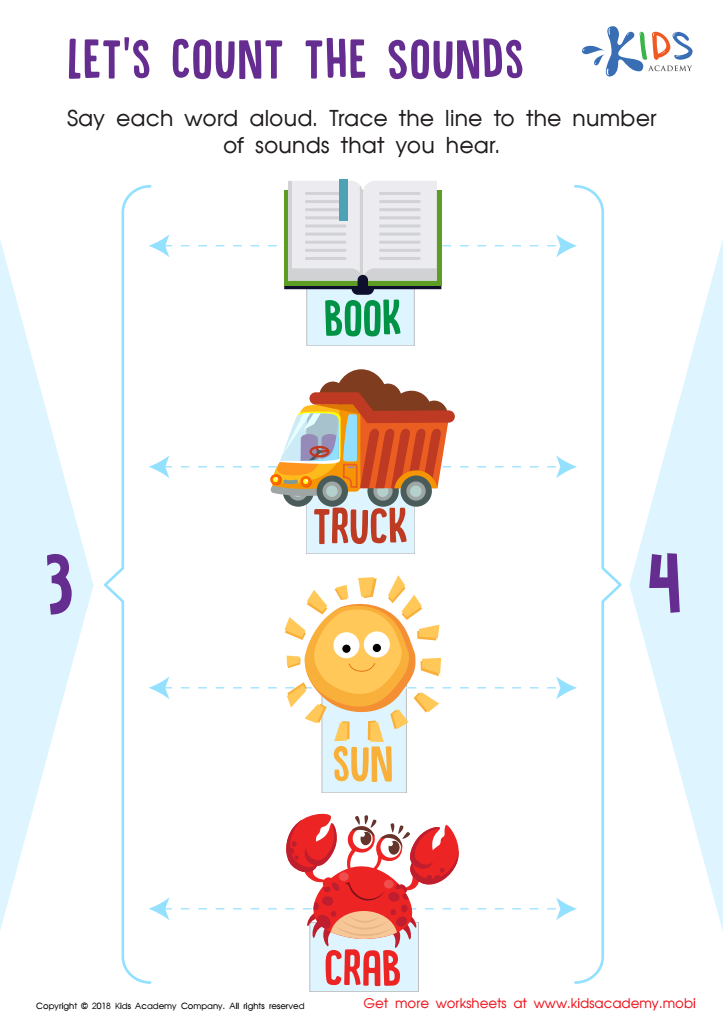
Let's Count the Sounds Worksheet
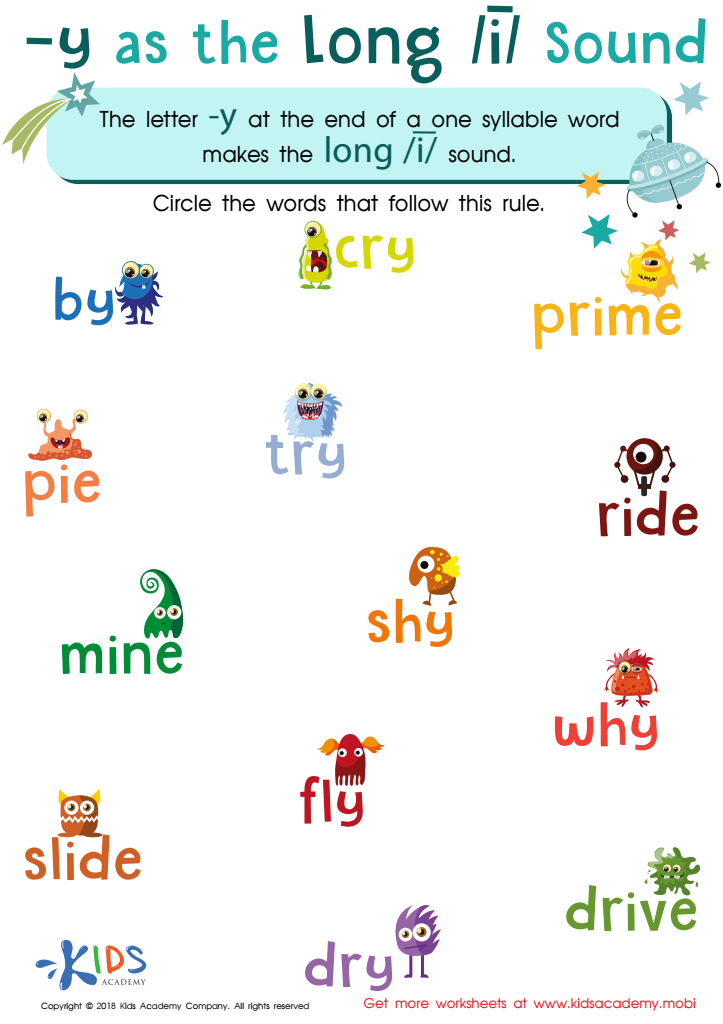
Reading: Y as Long I Worksheet
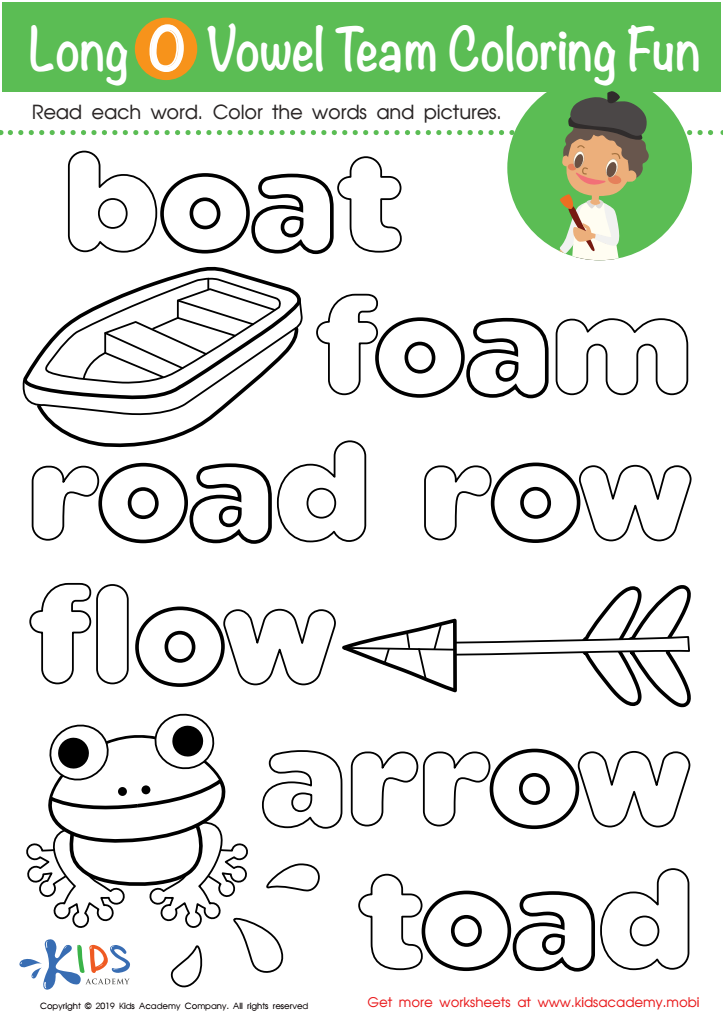
Long O Vowel Team Coloring Worksheet
 Assign to My Students





.jpg)


Reading development is crucial for children aged 6-7 as it lays the foundation for their educational journey and lifelong learning. During this formative stage, children transition from learning to read to reading to learn. At this age, they develop key skills such as phonemic awareness, vocabulary, and comprehension abilities, which are essential for academic success across subjects.
Parents and teachers play a pivotal role in fostering a positive reading environment. Engaging children with diverse reading materials not only enhances their literacy skills but also nurtures their imagination and critical thinking. When parents demonstrate a willingness to read with their children and promote a love for reading, it significantly boosts motivation and self-esteem in young learners.
Moreover, reading proficiency at this age is linked to future academic performances. If children struggle with reading during this critical developmental period, it can lead to lasting gaps that may affect their self-confidence and overall academic trajectory. By prioritizing reading development, parents and teachers can ensure children gain the skills needed to thrive, empowering them to explore new ideas and embrace challenges in the educational landscape ahead. Supporting reading development fosters a lifetime of learning, creativity, and success.








